

9 Days 8 Nights
Up to 7 days
12 people
English, Hindi
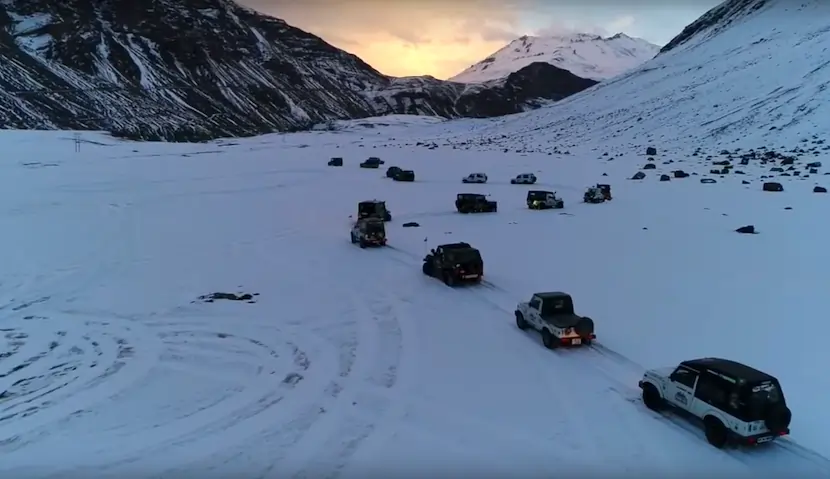
The Spiti Winter Expedition is a high-altitude winter road and cultural journey into one of India’s remotest cold deserts. In winter, the valley turns into a white, near-silent landscape. Rivers freeze, cliffs are dusted with snow, villages slow down into cozy pockets of life, and Buddhist monasteries stand like timekeepers. This expedition follows the Shimla – Kinnaur – Spiti route (the only reliable winter approach), using high-clearance 4×4 vehicles to cross icy roads and remote passes.
Why choose the Spiti Winter Expedition? Because it is one of the few Indian winter routes that combines:
This trip is designed for travellers who want the Himalayas in their rawest winter form – not a soft, tourist-friendly version. Expect physical cold, unpredictable weather, and logistical dependence on road clearance. In return, expect stark beauty, quiet solitude, rare photographic moments and an authentic cultural experience.
Vast plateaus and riverbeds freeze into plains of bright snow and ice, a scene very different from the green summer valley.
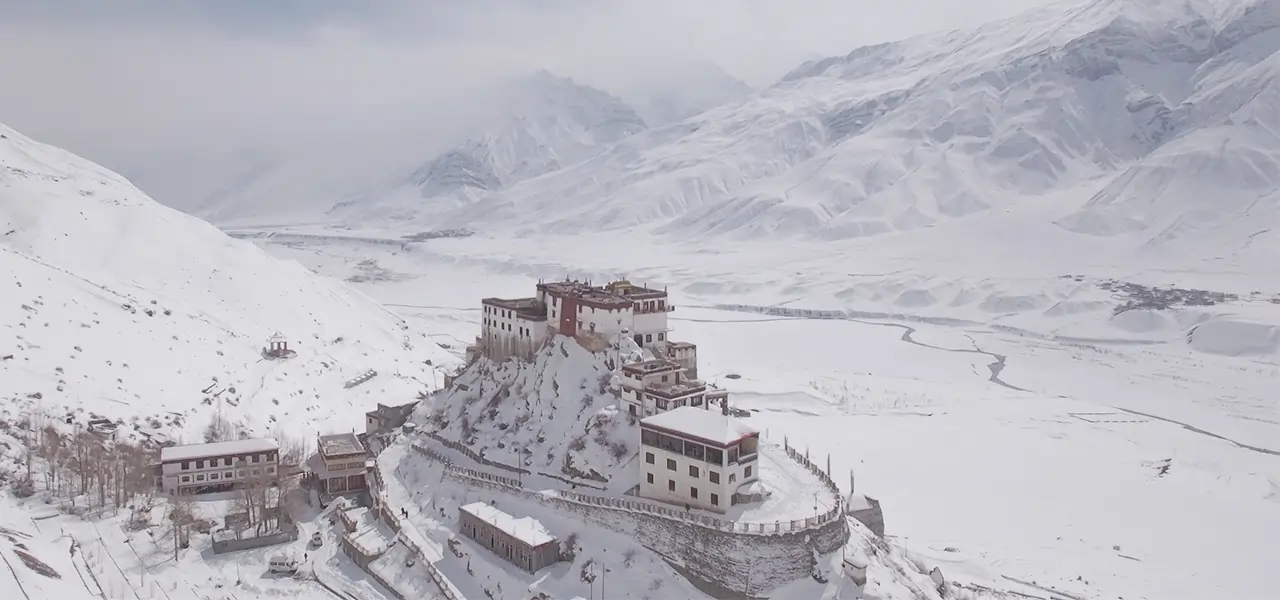
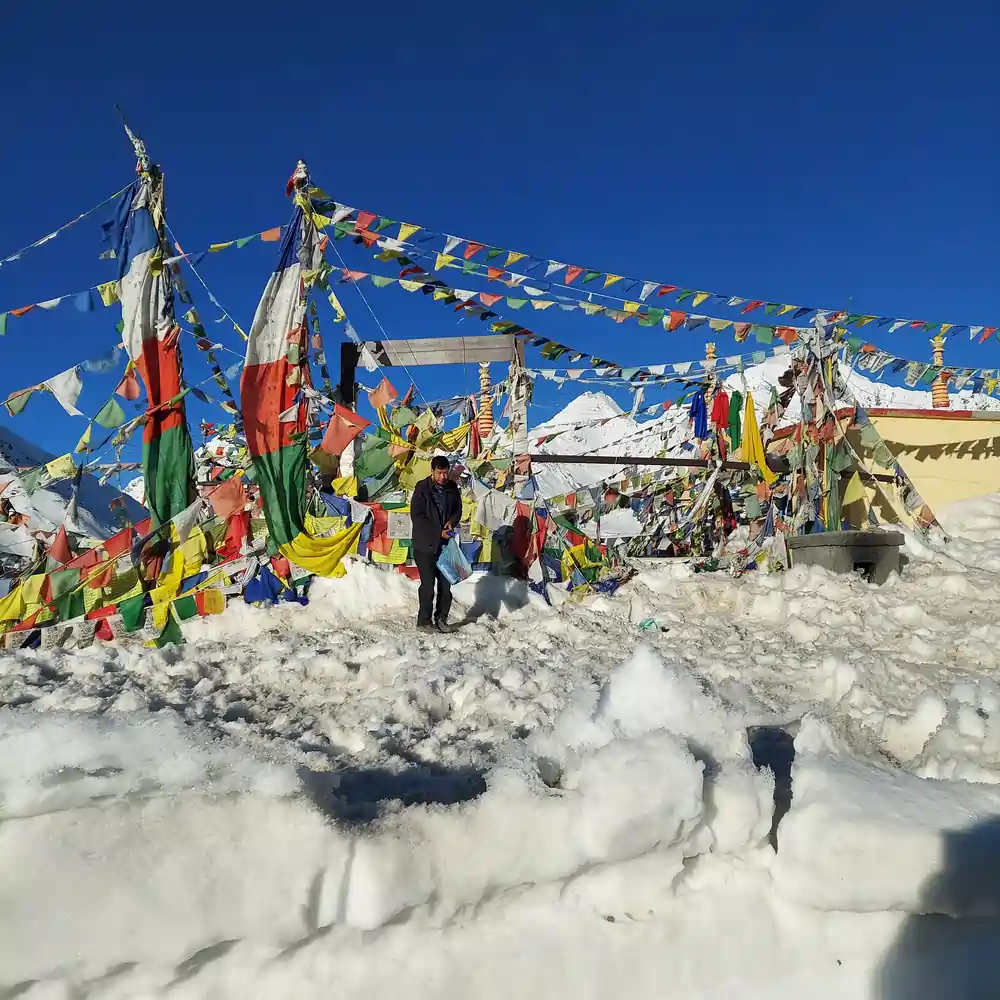
Tabo, Dhankar and Key Monastery become postcard-perfect with snow on ancient mud walls and prayer flags frozen mid-flutter.
Hikkim (post office), Komic (motorable village), and Langza (famous Buddha statue) feel otherworldly in winter silence.
Mountain families slow down for winter – guests get a rare chance to sit by a bukhari. So, if you are visiting Spiti, taste preserved local food, and hear life stories that summer travellers rarely hear.
Low humidity and no light pollution give exceptional stargazing and crisp mountain silhouettes at sunrise/sunset.
Spiti is known as the Land of Lamas, but in winter, it becomes something deeper, the land that pauses.
Villagers stock food in September, monks prepare for months of meditation, and families gather around bukhari heaters while the outside world disappears beneath snow. When you walk through Langza or Komic in winter, you are not just traveling, but stepping into an ancient rhythm where life slows down to match the mountains.
At night, the stars shine so bright that the Milky Way floats above the frozen valley like a silver river. In these moments, you realise:
Spiti is not a place you visit. It’s a place you feel. This expedition captures THAT feeling.
The winter season in Spiti starts from December and lasts till March.
Temperature Range
Winter is the only time when you get to experience true Spiti. Silent, isolated, serene and unbelievably beautiful.
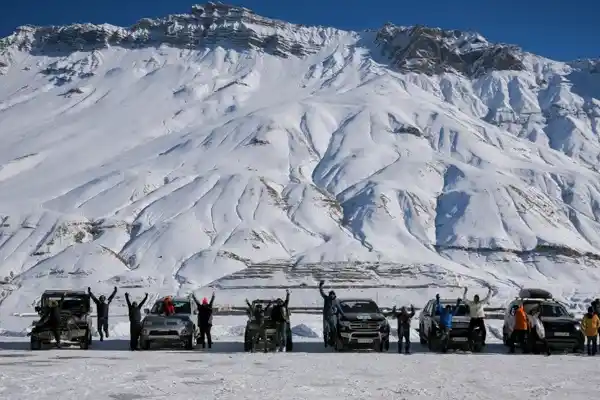
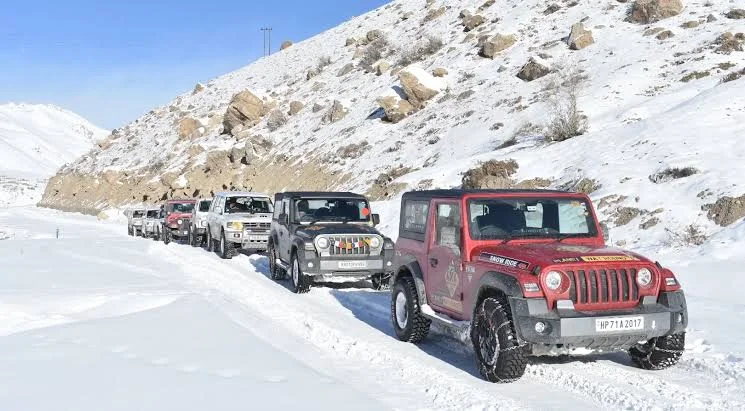
4×4 vehicles with snow tyres/chains, experienced winter drivers, and spare fuel. Drivers are trained for winter conditions.
Expert local guides with winter experience and knowledge of altitude behaviour. Himtrek provides a lead guide plus a local support/driver.
Group first aid kits, portable oxygen cylinders, and a pulse oximeter are available. Guides trained in basic altitude sickness recognition and first response.
In case of serious medical issues, the nearest road-access point will be used to transfer to Reckong Peo or Shimla hospitals. In extreme cases, a helicopter evacuation is arranged at extra cost and subject to weather/availability.
Daily weather checks and route reassessment. Flexibility in the safety schedule.
Advice on frostbite prevention, layering, staying hydrated, and how to heat hands/feet. Strict no-alcohol policy during high-altitude transit days.
Clothing & footwear
Accessories & gear
Documents & money
Himtrek’s Spiti winter expedition package price is ₹34,999 per person (All prices subject to availability & seasonal surcharges).
Includes: 4×4 transport, accommodation (as per itinerary), meals specified, local guide, permit assistance, and basic emergency support.
Excludes: Personal insurance, evacuation charges, alcoholic beverages, personal shopping, tips, and optional activities.
Get in touch with us and plan your next unforgettable adventure with Himtrek.
This is precisely what makes it one of India’s greatest adventure experiences.
Evening: Dinner and group bonding activities at your homestay.
Highlights: Scenic drive through snow-covered Kinnaur villages and pine forests.
Evening: Dinner and overnight stay at Kalpa homestay.
Highlights: Kalpa village and its spectacular Himalayan backdrop.
Evening: Dinner and overnight stay in Tabo.
Highlights: Frozen lake, centuries-old monastery, and stunning snowy valleys.
Evening free for exploration of Kaza town.
Highlights: Historic monasteries, panoramic snow-covered landscapes.
Highlights: Iconic high-altitude villages, frozen landscapes, Buddhist culture.
Highlights: Stunning winter vistas and peaceful Himalayan villages.
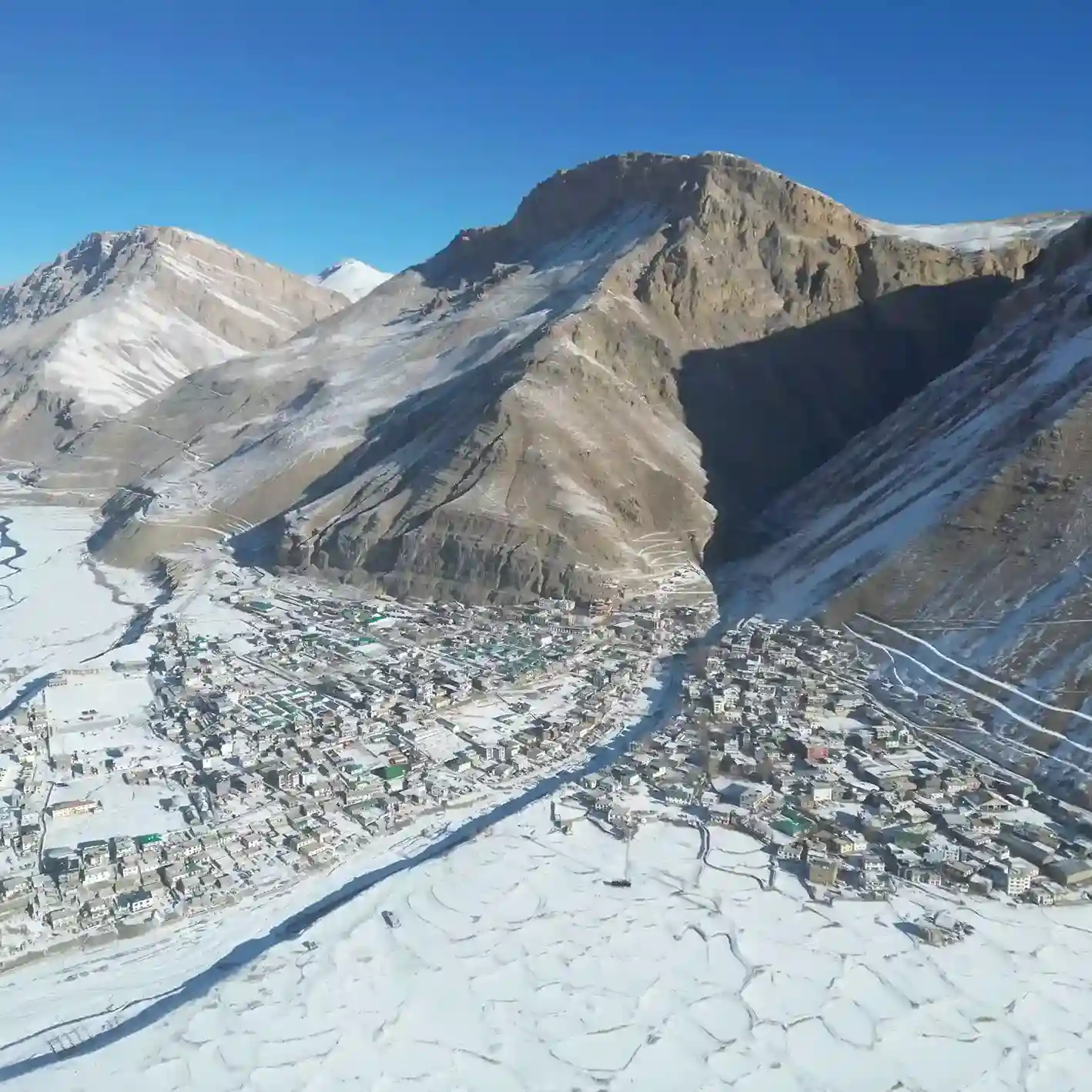
December to February, when the valley is snow-covered and rivers are frozen.
Moderate to challenging due to cold temperatures, high altitude, and long drives.
Thermals, insulated jackets, gloves, wool socks, boots, and sunglasses.
Risks include cold exposure and altitude sickness; follow the guide instructions and acclimatise properly.
Guesthouses, homestays, and winter camps, depending on the route and weather.
Yes, if physically fit and prepared for extreme winter conditions.
Yes, the trip passes through remote villages, monasteries, and traditional settlements.
Start from Delhi, travel overnight to Shimla, then continue via 4×4 vehicles to Chitkul/Sangla.
It transforms Spiti into a frozen wonderland, with snow-covered peaks, icy rivers, and remote villages.