The Himachal Backpacking Trip is an exciting Himalayan journey designed for travellers who want to experience the mountains beyond a conventional holiday. Enjoy three scenic road trips, three tranquil destinations, three forest walks, three river experiences, three mountain cafés, local culture, and beautiful Himalayan scenery along the way.
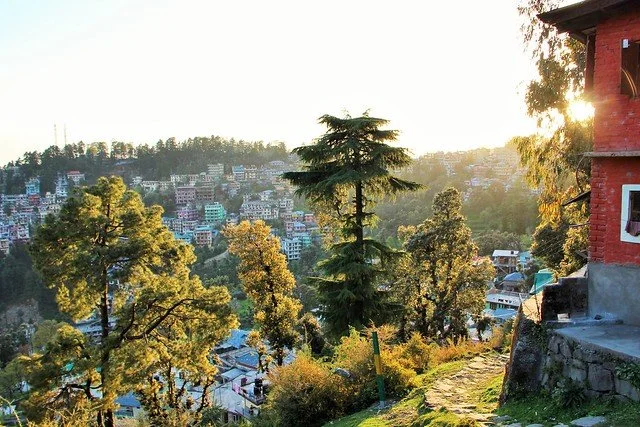
The journey begins with the peaceful mountain village of Jibhi, located in the Banjar region. Surrounded by forests, traditional villages, wooden houses, and winding mountain roads, Jibhi is perfect for travellers looking for a slower and more peaceful Himalayan experience.
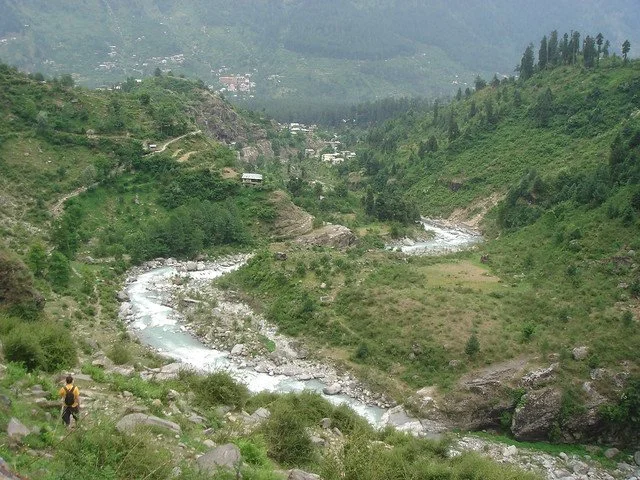
From Jibhi, the route continues towards Kasol, following the beautiful Parvati Valley. Known for its riverside atmosphere, cafés, walking trails, and access to nearby Himalayan villages, Kasol is a popular destination for backpackers and nature lovers. Located along the Parvati River, the destination offers a relaxed setting with cafés, camps, guesthouses, and mountain views.
The final destination is Manali, one of the best-known mountain towns in Himachal Pradesh. Situated in the Beas River Valley, Manali combines forests, rivers, mountain landscapes, cafés, temples, local culture, and adventure activities.
Jibhi – Kasol – Manali creates a well-balanced backpacking route, with each destination offering its own unique character and experience.
Quick Facts
Category | Details |
Trip Name | Himachal Backpacking Trip |
Route | Jibhi – Kasol – Manali |
Region | Himachal Pradesh |
Trip Type | Backpacking / Himalayan Travel |
Best For | Backpackers, friends, couples, solo travellers |
Experience Level | Easy to Moderate |
Accommodation | Hostels / Hotels / Homestays |
Jibhi – The Peaceful Mountain Escape
If you want to explore the quieter side of Himachal Pradesh, Jibhi is a must-visit destination.
The area surrounding Jibhi features scenic forested mountain terrain, small villages, cafés, waterfalls, and access to the Jalori Pass region.
As you ascend towards Jalori Pass, the landscape changes with forest roads, mountain viewpoints, and trekking trails.
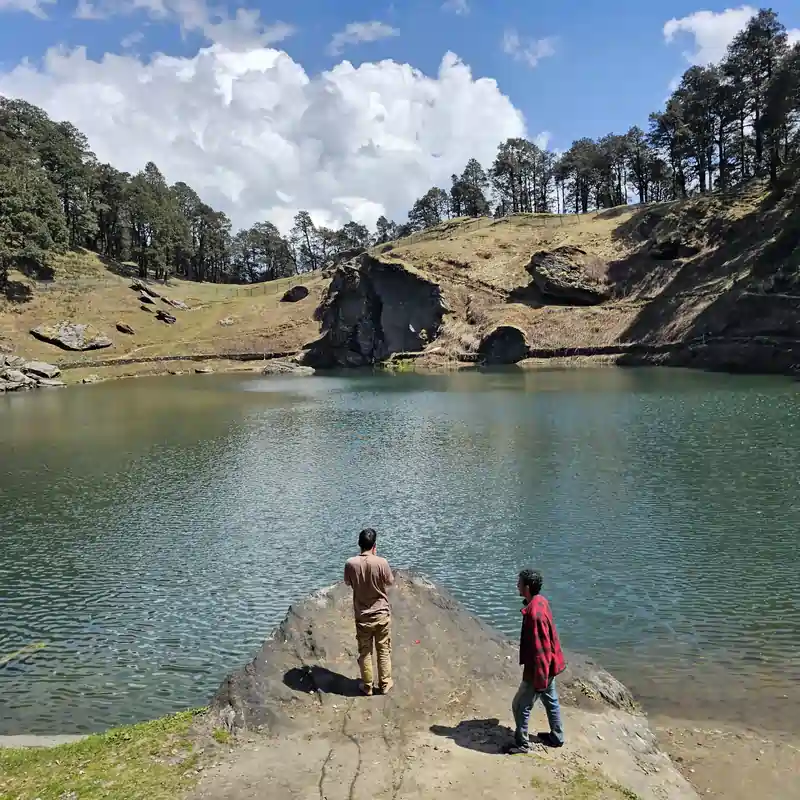
One of the popular experiences from the Jibhi region is the hike towards Serolsar Lake via Jalori Pass. The trail passes through wooded areas and leads to an alpine lake at around 3,100 metres.
Jibhi offers a more laid-back beginning to the experience for backpackers before they move towards the energetic atmosphere of Kasol.
Kasol – The Parvati Valley Experience
Kasol sits along the Parvati River, surrounded by mountain views, cafés, guesthouses, camps, nearby villages, and trekking routes.
The experience here is different from Jibhi.
Jibhi has more of a village-oriented atmosphere, while Kasol has a stronger backpacker vibe.
During your stay, you can:
Walk along the Parvati River
Explore local cafés
Discover nearby villages
Enjoy mountain views
Spend relaxed evenings with fellow travellers
Explore short hiking routes depending on the itinerary and conditions
Kasol is also a convenient base for exploring the wider Parvati Valley.
Manali – The Classic Himalayan Experience
Manali is located in the picturesque Beas River Valley and is one of the prime tourist hubs of Himachal Pradesh.
This destination offers beautiful Himalayan landscapes along with a vibrant atmosphere in the town.
Depending on the itinerary and operating conditions, travellers can explore:
With excellent road connectivity to major cities like Delhi and Chandigarh, Manali is a convenient starting or ending point for backpacking trips in the Himachal region.
Why Choose a Himachal Backpacking Trip?
1. Experience Three Different Sides of Himachal
The greatest advantage of the Jibhi – Kasol – Manali trip is its diversity.
The scenery is not the same throughout the journey.
Jibhi provides quiet villages and forests.
Kasol offers backpacking culture along the riverside.
Manali offers traditional Himalayan town experiences.
2. Perfect for First-Time Backpackers
The route can be designed for travellers who want their first Himalayan backpacking experience without committing to a long, technical trek.
Most of the experience revolves around:
Road travel
Short walks
Local exploration
Easy-to-moderate hikes
Sightseeing
Village experiences
Nature and photography
3. Scenic Himalayan Road Journey
A major part of a Himachal backpacking trip is the journey itself.
Mountain roads pass through:
River valleys
Pine and deodar forests
Mountain villages
Terraced hillsides
Waterfalls
High mountain viewpoints
The changing scenery makes the road journey an important part of the experience rather than simply transportation.
4. Meet Fellow Travellers
Backpacking is not only about destinations.
It is also about people.
Hostels, cafés, shared transportation, and group activities create opportunities to meet other travellers and share experiences.
This social aspect makes the Himachal Backpacking Trip particularly attractive for young travellers and solo backpackers.
Best Time for Himachal Backpacking Trip
Himachal can be visited in different seasons, but the ideal travel period depends on the experience you want.
March to June – Spring & Summer
This is one of the most comfortable periods for exploring lower and mid-altitude destinations.
Highlights:
Pleasant daytime weather
Green valleys
Clearer mountain scenery on suitable days
Comfortable conditions for sightseeing
Good conditions for village walks
Popular season for road trips
July to August – Monsoon
Monsoon brings greenery to Himachal but also creates travel challenges.
Heavy rainfall can affect:
Mountain roads
Landslide-prone sections
Trekking trails
Travel schedules
For this reason, backpackers should check current road and weather conditions before travelling.
September to November – Post-Monsoon
This can be an excellent period for travellers who prefer clearer mountain landscapes and cooler weather.
Highlights:
Fresh green landscapes
Better visibility on clear days
Comfortable daytime temperatures
Pleasant evenings
Excellent photography opportunities
December to February – Winter
Winter transforms many Himalayan areas with cold temperatures and snowfall.
Manali and higher areas can experience winter conditions, while road and pass accessibility may change.
Winter travel should always be planned according to current weather and road conditions.
Himachal Backpacking Trip Difficulty Level
Difficulty: Easy to Moderate
The Himachal Backpacking Trip is not a technical Himalayan expedition.
However, travellers should be comfortable with:
There are a few optional walks around Jibhi and Jalori Pass, which may include walking uphill and ascending to higher altitudes.
For instance, the trail from Jalori Pass to Serolsar Lake is approximately 5 km and consists of a forest path, with the lake located at an altitude of approximately 3,100 metres.
Fitness Preparation
You do not need extreme trekking fitness for this backpacking trip.
However, basic fitness will make the journey more comfortable.
Recommended Preparation:
If your itinerary includes longer hikes, increase walking practice before the trip.
Himachal Backpacking Trip Difficulty Level
Difficulty: Easy to Moderate
The Himachal Backpacking Trip is not a technical Himalayan expedition.
However, travellers should be comfortable with:
-
Long road journeys
-
Walking on uneven mountain paths
-
Short hikes
-
Stairs and uphill sections
-
Changing weather
-
Early mornings
-
Carrying a daypack
There are a few optional walks around Jibhi and Jalori Pass, which may include walking uphill and ascending to higher altitudes.
For instance, the trail from Jalori Pass to Serolsar Lake is approximately 5 km and consists of a forest path, with the lake located at an altitude of approximately 3,100 metres.
Fitness Preparation
You do not need extreme trekking fitness for this backpacking trip.
However, basic fitness will make the journey more comfortable.
Recommended Preparation:
-
Walking 4–6 km regularly
-
Light jogging
-
Stair climbing
-
Basic stretching
-
Comfortable walking on slopes
-
Maintaining hydration during travel
If your itinerary includes longer hikes, increase walking practice before the trip.
How to Reach Himachal Backpacking Trip
By Air
Himachal has several airports serving different regions, including Bhuntar-Kullu and Kangra, while Chandigarh and other nearby airports can also be useful depending on the route.
For the Jibhi–Kasol–Manali route, the most practical airport or transport option depends on the exact starting point and package.
By Road
Road travel is one of the most convenient ways to explore Himachal.
Himachal Tourism notes that the state has an extensive road network and that major destinations including Manali are well connected by road.
Why Jibhi – Kasol – Manali Is a Great Backpacking Route
The biggest strength of this route is its variety.
Jibhi
For peace, forests, village life and slow travel.
Kasol
For riverside experiences, cafés and backpacker culture.
Manali
For classic Himalayan sightseeing, adventure and a more energetic mountain-town atmosphere.
Together, these destinations create a balanced Himachal Backpacking Trip for travellers who want more than a standard sightseeing tour.
More Treks in Himachal Pradesh:-
Kedarkantha Trek, Uttarakhand
Pin Parvati Pass Trek



 Back to Treks