Winter Spiti Road Trip: Quick Facts
Trip Details | Information |
Trip Name | Winter Spiti Road Trip |
Region | Spiti Valley and Kinnaur, Himachal Pradesh |
Duration | 9 Days / 8 Nights |
Reporting Location | Delhi |
Route | Delhi - Shimla - Kinnaur - Spiti - Return, as per the confirmed itinerary |
Travel Type | Himalayan road trip |
Difficulty Level | Moderate |
Best Season | Winter departures, subject to operational schedules and road conditions |
Main Attractions | Kalpa, Nako, Tabo, Kaza, and ancient monasteries, depending on the route |
Suitable For | Adventure seekers, photographers, friends, and mountain lovers |
What Makes a Winter Spiti Road Trip Special?
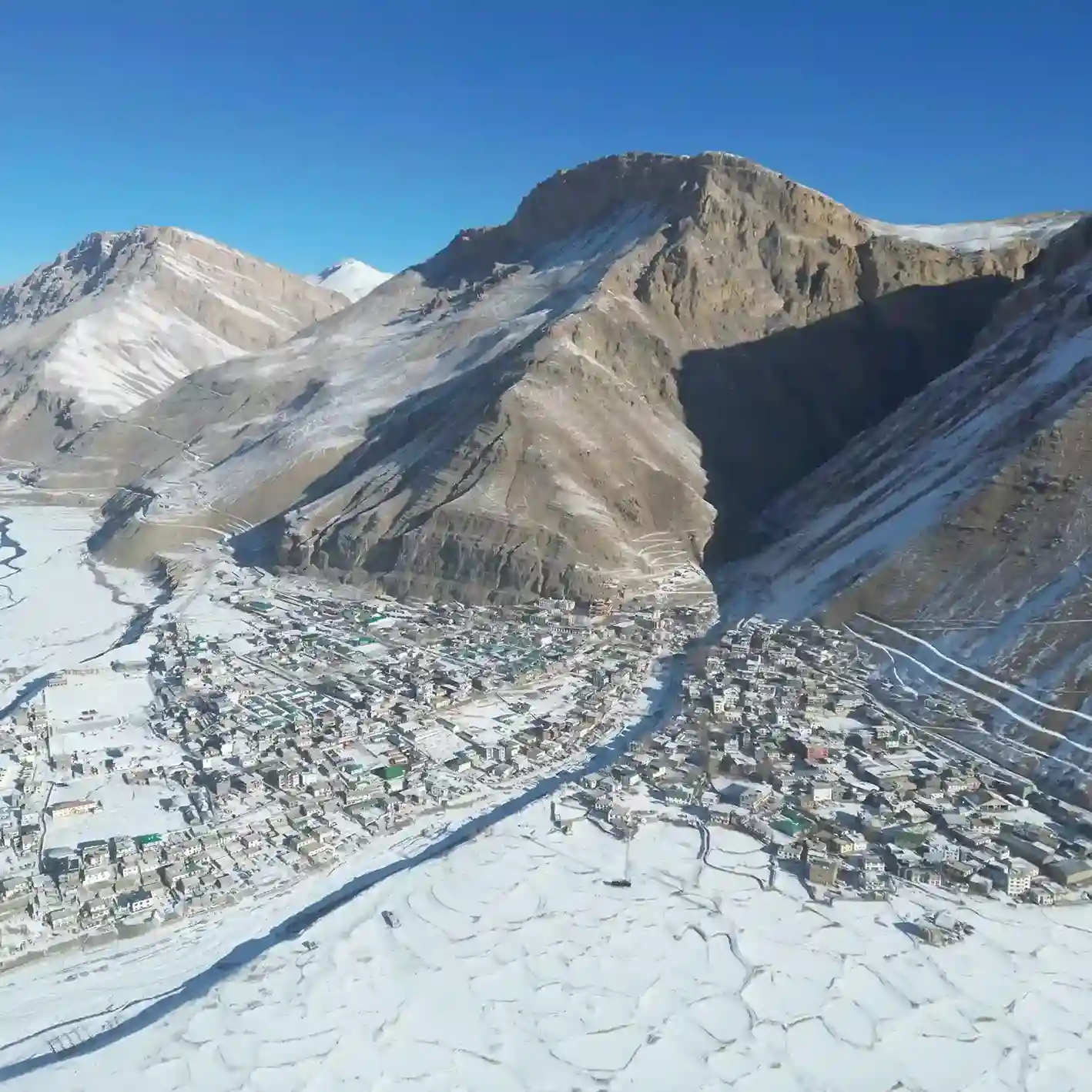
Spiti Valley in winter offers a different experience of the Himalayan cold desert, with snow-covered slopes, frozen riverbanks, traditional villages, and a quieter atmosphere. Travelling to Spiti in winter also requires careful planning because temperatures can drop sharply and road access may change with the weather.
A winter road trip through Spiti involves long drives, freezing temperatures, and changing road conditions. It is best suited to travellers who enjoy mountain journeys and are comfortable with flexible itineraries.Kalpa: Mountain Views and Quiet Himalayan Surroundings
Kalpa is situated in the Kinnaur area, characterized by its traditional architecture and peaceful atmosphere and amazing views of the surrounding mountains, including the Kinner Kailash range.
In the winter months the scene may be even more spectacular when new snow lies on the roof tops and on the surrounding slopes. Depending on the visibility and road conditions, the travelers may get an opportunity to enjoy scenic viewpoints and walks in the villages and get a good opportunity for photography.
If you would like to explore more of Kinnaur’s mountain villages and valleys, consider Himtrek’s Kinnaur Backpacking Circuit, which includes destinations such as Kalpa, Sangla, and Chitkul.
Nako: A Traditional Himalayan Village Nako is a small mountain village famous for its traditional houses, Buddhist culture, and beautiful mountain landscape. When possible, visitors can explore its lake and monastery.
During the winter months, Nako is a quieter place to visit and a good opportunity to experience the unique local architecture and way of life. The planned route of stops may be altered due to snowfalls, freezing temperatures, or road accessibility, so always follow the confirmed route.
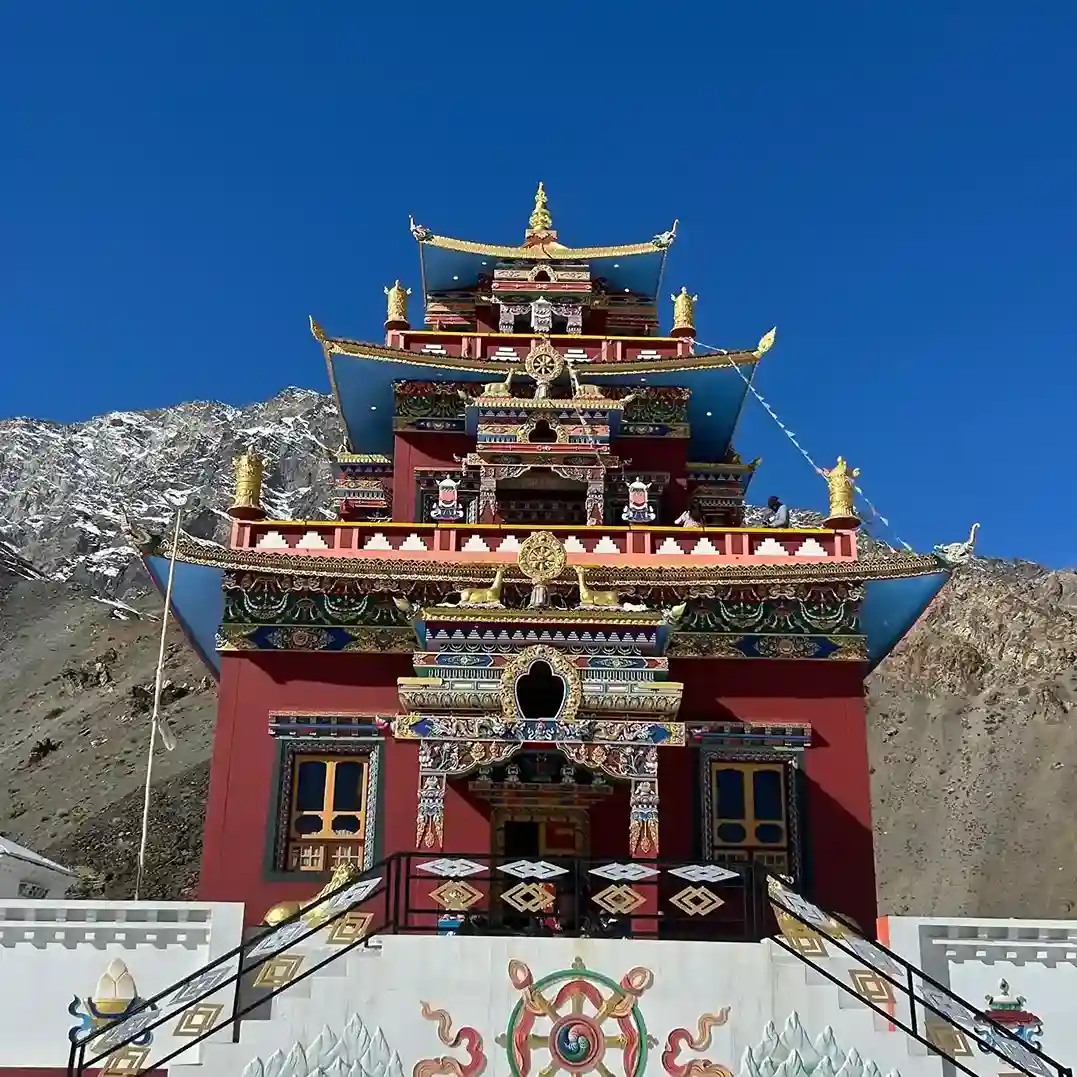
Tabo Monastery: A Window into Himalayan Heritage
Tabo Monastery is one of the important cultural heritage sites of Spiti Valley. It is also a significant place for visitors who want to learn about the history of the region and its religious practices, including its murals and Buddhist customs. A winter trip to Tabo can offer new insights into the valley during the off-season. Opening times and access / sightseeing time, however, should be checked locally.
Kaza: The Heart of Spiti Valley
Kaza is the primary town and a major travel hub of Spiti Valley. It is a route to neighboring villages, monasteries, and high-altitude sites. Kaza can be extremely cold and snowy during the winter months. They can expect fewer crowds, less hustle and bustle in the town, and splendid views of the surrounding mountains. Meanwhile, there may be limited availability for some shops, facilities, and sightseeing.
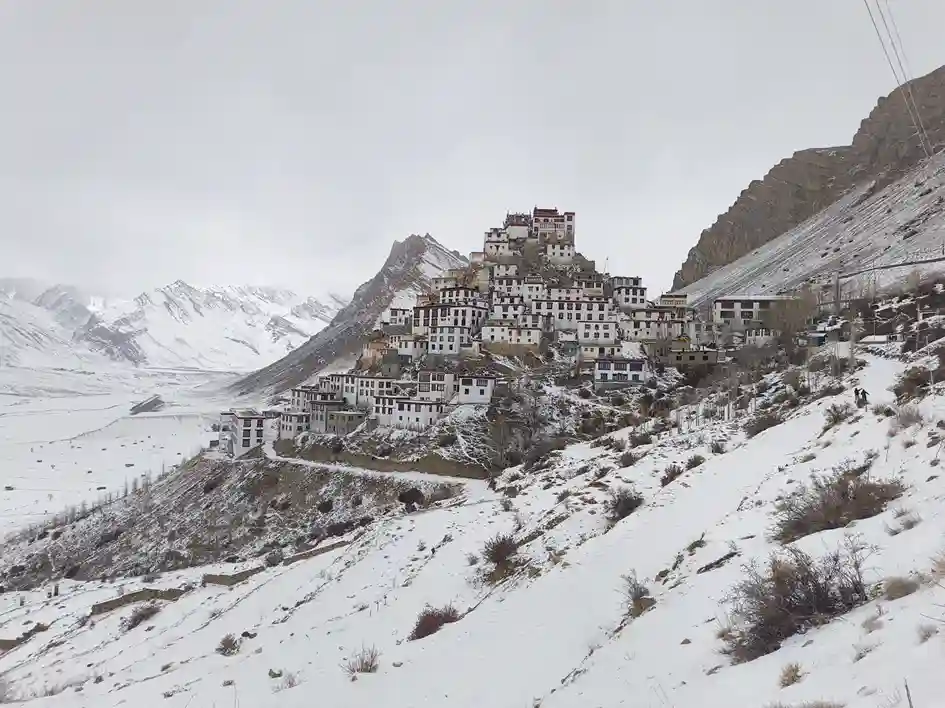
Key Monastery: A Landmark Above the Valley
One of the famous Buddhist monasteries of Spiti is Key Monastery (Ki Monastery). It sits amidst hills and has a unique architecture, which makes it an interesting landmark in the area to visit. The monastery and the mountains surrounding it can be particularly photogenic during the winter. It is accessible only by road, weather, and local access. A visit should never be attempted against the advice of the trip leader or local authorities.
The Villages and Landscapes of Spiti
The remote villages, the vast valleys, and the majestic mountains are the other features for which Spiti is renowned. From the Kaza area, visitors can access villages and vantage points of the area if accessible and within the extent of the trip. Langza, Hikkim, and Komic are popular during the general travel season, but it is not certain if you can travel there in the winter. These should be considered as "sightseeing" alternatives to the regular stops, unless confirmed prior to the selected departure.
Best Time for a Winter Spiti Road Trip
Winter travel to Spiti is generally associated with December to March, although snowfall, temperatures, and road accessibility vary from year to year.
December to January: These months may be very cold, snowy, and scenic in the winter. “These months may suit travellers seeking a genuine winter experience, provided the trip is operating safely and road conditions permit travel.”
February to March: This may be a transitional time where there is still snow on the ground and weather conditions can slowly shift. Conditions for individual villages and viewpoints are still subject to snowfall, road clearance, and local weather conditions. Travellers who prefer a dedicated snow-trekking experience instead of a long road trip can also explore the Kedarkantha Trek, subject to seasonal trail and weather conditions. How to Reach?
The Winter Spiti Road Trip has its starting point in Delhi, the capital of the country. To reach Delhi, you can choose from any of the following transport options.
By Road – Delhi is very well connected by road with all the major cities of the country.
By Train – Delhi has multiple railway stations and almost every other major railway station of the country is connected to Delhi via train.
By Air – Delhi has Indira Gandhi International Airport, which is well-connected nationally, and internationally, with frequent flights from all over the world by top airlines.
Is the Winter Spiti road trip challenging?
This trip is suitable for travellers who can handle cold weather, long road journeys, and possible itinerary changes. It may not be ideal for those who expect guaranteed sightseeing or consistently comfortable conditions throughout the journey.
The main challenges include:
Very cold: Nights can be very cold.
Cold roads: When it snows and gets very icy, driving in the mountains can be challenging.
Extended travel distances: Drivers may be required to spend long hours on the road between long distances.
High altitude: Headaches, nausea, dizziness, or unusual fatigue may occur during travel at high altitudes.
Restricted facilities: Shopping, housing, and mobile services might not be available in remote areas.
Changes due to the weather: If there is snowfall at the station, or if the roads are closed for any other reason, then the route and sightseeing plan may change.
What to Pack for Spiti Valley in Winter
Appropriate packing is crucial for a safe winter trip. There may be substantial temperature swings between the day and night during the winter months when the sun is out and when it is not.
Bring the following supplies:
More than one thermal layer and a warm insulated jacket.
Mid-layers of fleece or woollen clothing.
Insulated gloves, a warm cap, and a neck warmer.
Woolen socks and comfortable and warm shoes with good traction.
Sunglasses and sun cream with a high sun protection factor for use in strong mountain light.
Moisturiser and lip balm to protect against dry air.
Prescribed medicine and personal medicines.
An insulated water bottle to help keep drinking water warm in freezing conditions.
Extra camera batteries, charging cables, and a power bank.
Government ID and some money for out-of-town places.
Don't forget to have the necessities on hand during extended trips. Children with a cold intolerance or those who wish to travel at high altitude should discuss these needs with a health care professional before travel.
Why Choose Himtrek for Your Winter Spiti Road Trip?
When you are planning a trip to a remote Himalayan destination in the winter, there's more to it than just picking a destination to go. These include considerations of transport, overnight accommodation, access to the road, and contingency plans. If you are planning a Spiti tour in winter, choosing a well-organized Spiti Valley travel package can help you understand the transport, accommodation, and trip coordination arrangements before departure.
Please check the program before booking, and ensure that the services are included, accommodation is set up, the meal plan is correct, and the transport type and emergency support for the departure are correct.
Winter Spiti Road Trip Package: What to Check Before Booking
When comparing Spiti Valley tour packages, look beyond the advertised price and review the itinerary, transport arrangements, accommodation, meals, and services included. Whether you are considering a short Spiti trip or a longer Spiti Valley trip package, confirm the winter route and departure-specific arrangements before booking.
Before confirming your booking with Himtrek, check:
Final 9-day, 8-night itinerary and reporting instructions.
Inclusion of Delhi-Shimla and vice versa transfers.
The means of transport for the mountain area.
The number of nights of accommodation and room sharing.
What foods will be provided in the package?
Whether permits are provided and applicable transport charges and trip coordination are covered.
What if the weather makes a route change necessary or an overnight delay?
The cancellation policy, travel insurance requirements, and additional expenses.
The contents of this package and the arrangements are subject to change depending on the departure. Please check all arrangements with Himtrek beforehand before booking travel. 


 Back to Treks