


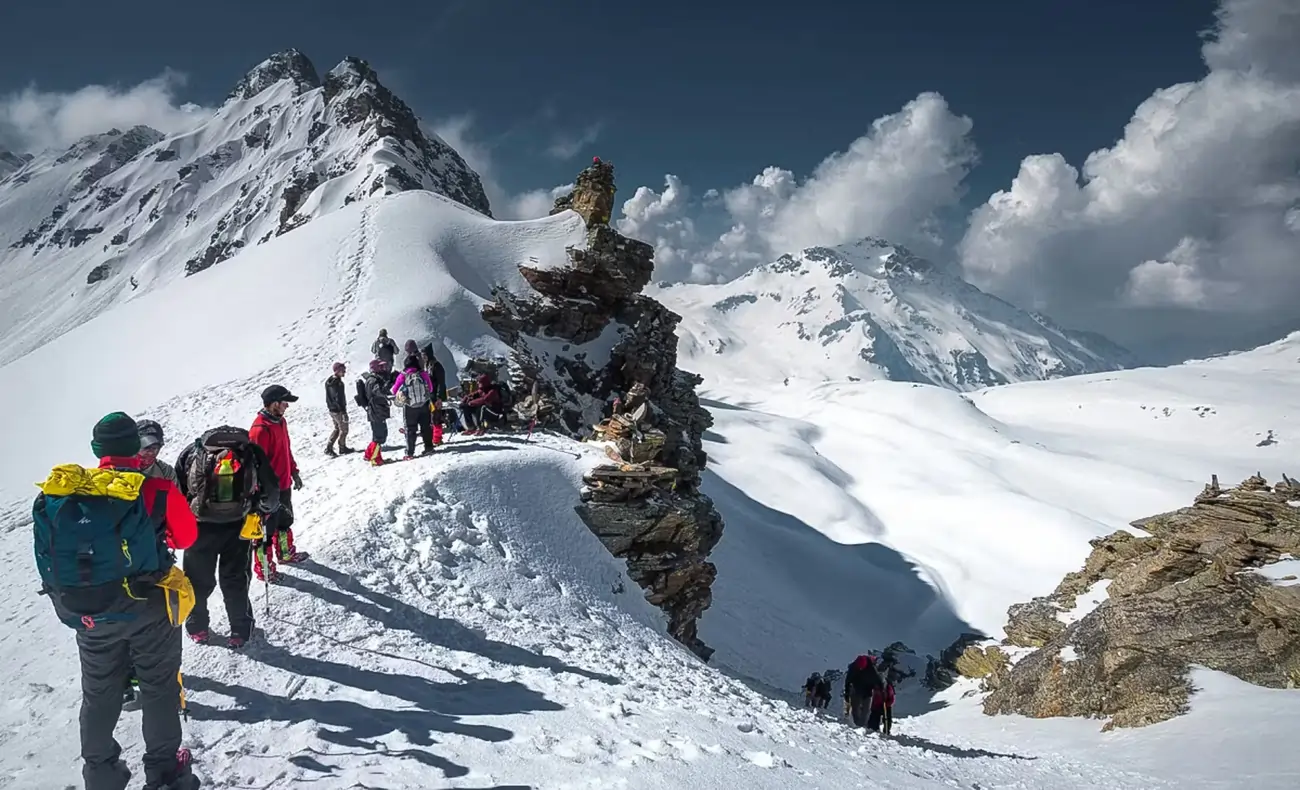
Late winter opens up some of the finest mountain trails you will ever see. Snow on the ridges, ice on the falls, and still paths make the season worth every step. But late winter also brings one risk that no trekker can afford to overlook — avalanches. Learning to read snow and move with care using avalanche safety tips keeps you safe on every trail.
Why Late Winter Raises the Risk
Snow on a mountain never stays in one fixed state. It moves, compresses, and responds to every shift in heat and wind. Late winter is a delicate period because daytime warmth starts to rise while the snow beneath stays thick and loaded. That mix builds weak layers inside the snowpack that can break free with little warning, which is why basic avalanche safety tips matter so much.
You do not need deep technical knowledge to stay safe on a winter trail. You do need to spot the early signs before conditions turn. Reading the slope with steady attention is the first and most important safety step.