


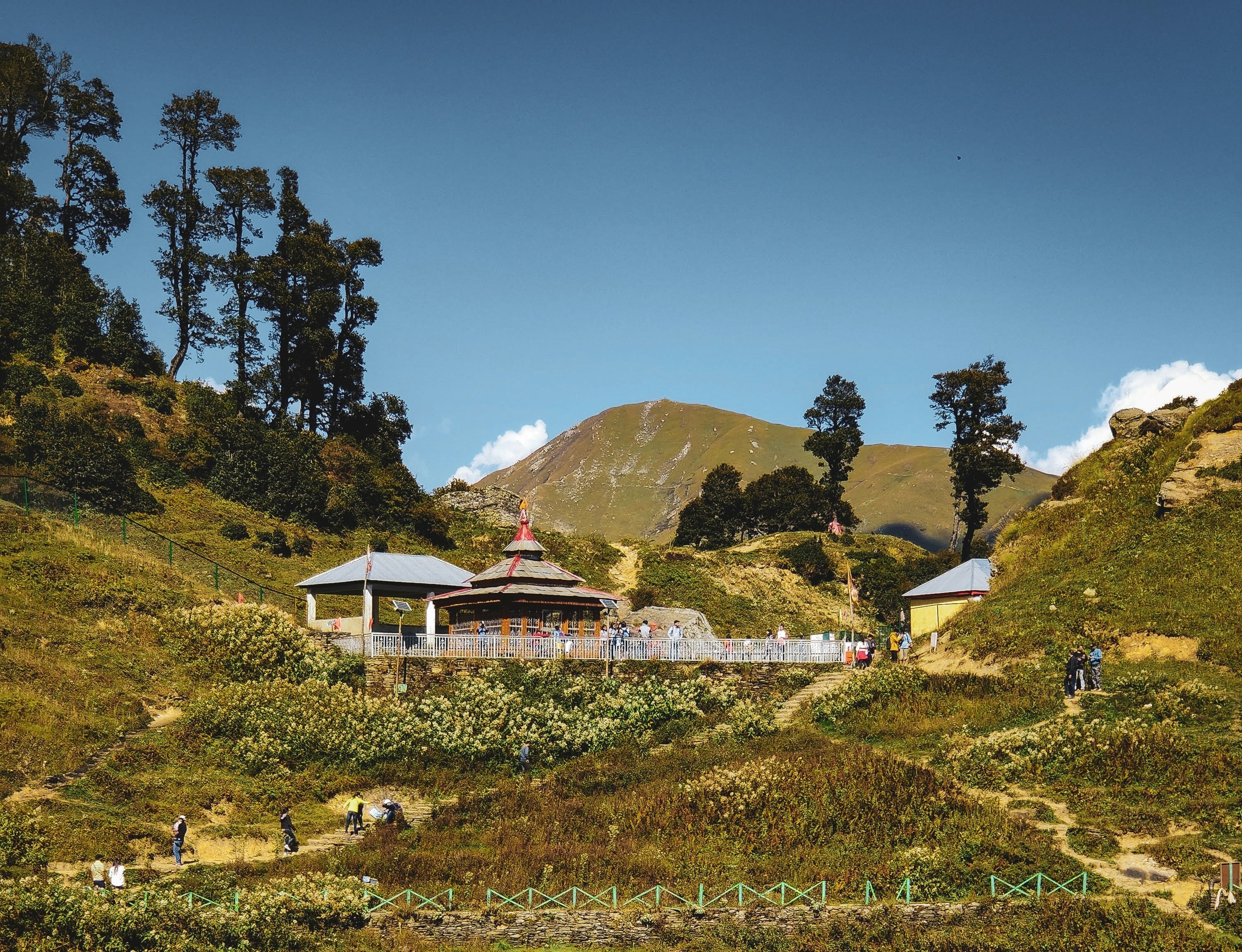
There is a point on the road to Jalori Pass where the journey starts feeling more interesting than the destination. The road climbs through thick forests, the villages become smaller, and the usual noise of tourist towns slowly disappears. At around 10,800 feet, Jalori Pass is one of the high mountain passes in Himachal Pradesh and an important route between the Kullu and Shimla sides of the state. But the pass itself is only part of the experience. A short drive from Jibhi or Shoja can take you to the starting points of trails leading to Serolsar Lake and Raghupur Fort. That combination makes Jalori Pass a good choice for travelers who want more than sightseeing. You can spend time in the forest, take a short Himalayan trek, and explore old local temples and still return to a quiet village stay in Jibhi or Shoja. If you are planning a trip here, the most important thing to understand is that Jalori Pass changes with the seasons. The same road and trekking trails can feel completely different in summer, monsoon, autumn, and winter.
Jalori Pass: Location, Altitude & Why Visit
Best Time to Visit Jalori Pass
How to Reach Jalori Pass
Best Things to Do Around Jalori Pass
Serolsar Lake Trek
Raghupur Fort
Shoja
Jibhi
Jalori Pass Trekking, Safety & Travel Tips
Is Jalori Pass suitable for beginners?
What to carry
Frequently Asked Questions
Where Is Jalori Pass? Jalori Pass is located in Himachal Pradesh's Banjar region and connects the Kullu Valley side with the Shimla side. The pass is surrounded by dense deodar and pine forests, with several trekking routes starting from or around the pass. Jibhi and Shoja are the two popular places to use as a base for exploring this area. Jibhi is roughly 12 km from Jalori Pass, while Shoja is much closer to the pass. The area is also part of the wider Tirthan Valley region, which is known for forest trails, mountain villages, and access to the Great Himalayan National Park ecozone.
Why Visit Jalori Pass? Jalori Pass is not the kind of destination where you need a long list of sightseeing points to stay busy. Its appeal is the setting itself. The road towards the pass takes you through forested mountain slopes. Once you reach the top, you can walk around the pass, visit the local temple, and continue on foot towards places such as Serolsar Lake and Raghupur Fort. For trekkers, this is the biggest advantage. You do not have to commit to a multi-day Himalayan expedition to get a proper mountain trail. The surrounding routes offer shorter hikes that can fit easily into a trip based in Jibhi or Shoja.
October to November: Clear Mountain Views Post-monsoon is one of the best periods for clear Himalayan views. Rain generally reduces, the air feels crisp, and the trails become more comfortable. This is a particularly good time for photographers and trekkers who prefer clear skies over rainy weather. The evenings can become cold, especially at higher elevations, so warm layers are useful.
December to March: Snow Season Winter turns Jalori Pass into a very different landscape. Snowfall can cover the pass, forests, and trekking trails, and the road conditions can change quickly.
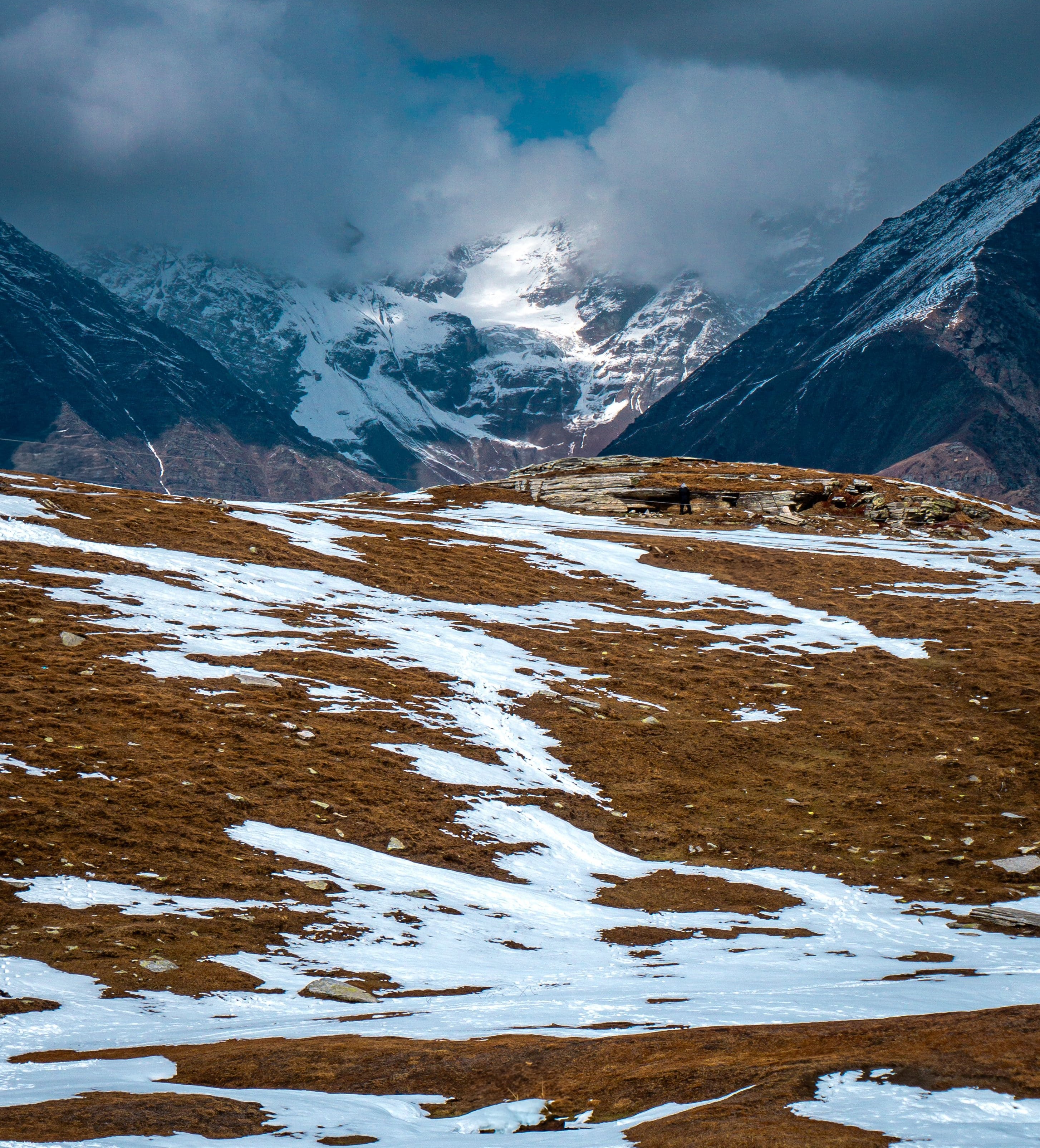
One thing travellers should not assume is that the pass is simply "closed for the whole winter." Access depends heavily on snowfall and current road conditions. During heavy snow, normal vehicles may not be able to reach the pass, while local 4x4 vehicles may be able to go farther. Recent traveler reports also show that winter trekking to Serolsar Lake and Raghupur Fort can be possible when conditions allow, but snow and ice make the trails more demanding. If you are visiting specifically for snow, check local conditions shortly before travelling rather than relying only on a month-by-month guide. How to Reach Jalori Pass For most travellers, road travel is the easiest way to reach Jalori Pass. From Delhi, a common route is through Chandigarh, Bilaspur, Mandi, Aut, Banjar, and Jibhi before climbing towards Shoja and Jalori Pass. If you are coming from Jibhi, the road to Jalori Pass takes you through Shoja. The final mountain section is narrow and winding, so drivers should be comfortable with hill roads. Public transport is also possible for reaching the Jibhi and Banjar side, but transport options become more limited as you get closer to the pass. Local taxis are a practical option, particularly when winter snow affects road access. Recent traveler discussions also mention government buses between Jibhi and Jalori, while private cabs are another option. Availability can change with weather and road conditions. What to Do at Jalori Pass? The best part of visiting Jalori Pass is that you can choose how active you want the day to be.
Trek to Serolsar Lake Serolsar Lake is probably the most popular trek from Jalori Pass. The trail is around 5 km one way and passes through dense forest. It is generally considered an easy trek, although there is an uphill section near the viewpoint and the trail can become slippery after rain. The lake also has religious importance for local communities. The Budhi Nagin temple near the lake is an important part of the local belief system. The forest walk is as much a part of the experience as the lake itself. In different seasons, the trail can look completely different, from snowy winter paths to lush green monsoon forests. Explore Raghupur Fort. Raghupur Fort is another popular trail from Jalori Pass. The hike is shorter than Serolsar Lake, but the open ridgeline near the fort is what makes it special. Instead of being surrounded by dense forest throughout the route, you eventually reach sections with wide mountain views. The structure itself is mostly in ruins, so do not expect a preserved fort. The attraction is the location, the trail, and the views from the ridge.
Spend Time in Shoja Shoja is much more than a place to sleep before visiting Jalori Pass. The small village has forest trails, mountain views, and homestays that make it a good base for travelers who prefer a quieter stay. Because it is close to the pass, it is also convenient for early starts towards Serolsar Lake or Raghupur Fort.
Explore Jibhi. Jibhi is the more popular base for travelers exploring this region.
Trekking shoes with good grip
A light warm layer
Rain jacket or poncho during monsoon
Water bottle
Snacks for the trek
Sunglasses and sunscreen
Power bank
Basic first-aid supplies
Personal medicines
Extra socks
Headlamp or torch During winter, add proper thermal layers, gloves, woollen socks, and waterproof footwear.
Jalori Pass or Jibhi: Which One Should You Visit? You do not really need to choose between them. Jibhi works better as a base for accommodation, cafes, and relaxed village experiences, while Jalori Pass is where you go for higher-altitude landscapes and trekking. If you have enough time, combining both gives you a more complete experience of the area. You can stay in Jibhi or Shoja and explore Jalori Pass during the day. Final Thoughts Jalori Pass is not a destination you need to rush through. The real attraction is the combination of mountain roads, quiet forests, short trekking trails, and villages like Shoja and Jibhi. You can come for Serolsar Lake, walk up to Raghupur Fort, or simply spend some time in the forest and enjoy the views. And that is what makes Jalori Pass different from a typical Himachal sightseeing stop. It gives you enough adventure to make the journey exciting, without requiring a long or technical trek. Choose the season carefully, check the road and weather conditions before travelling, and give yourself enough time to enjoy the mountains rather than simply ticking places off a list.
Frequently Asked Questions About Jalori Pass
What is the best month to visit Jalori Pass?
May, June, October, and November are generally good choices for comfortable travel and trekking. Winter is better if your main goal is snow, while monsoon offers lush greenery but comes with more unpredictable road and trail conditions.
How high is Jalori Pass?
Jalori Pass is located at approximately 10,800 feet above sea level.
How far is Jalori Pass from Jibhi?
Jalori Pass is roughly 12 km from Jibhi by road. The journey takes longer than the distance might suggest because of winding mountain roads.
How difficult is the Serolsar Lake Trek?
The Serolsar Lake Trek is generally considered an easy trek. It is around 5 km one way from Jalori Pass, with a few uphill sections. Rain, snow, and ice can increase the difficulty.
Can we visit Jalori Pass in winter?
Yes, but winter access depends on snowfall and road conditions. Heavy snow can restrict normal vehicle movement, so check current local conditions before travelling.
Is Jalori Pass suitable for a family trip?
The destination itself can work well for families, but trekking routes should be chosen according to the fitness and age of everyone in the group. Serolsar Lake is manageable for reasonably fit beginners, while winter conditions require extra caution.
What places can I visit near Jalori Pass?
Serolsar Lake, Raghupur Fort, Shoja, and Jibhi are among the most popular places to explore around Jalori Pass.