

Himtrek Logo
Himtrek Logo

Main

Upcoming TreksBlogs & Guides

Choose a Trek

By RegionBy MonthEasy TreksModerate TreksDifficult Treks

Group & More

Rent a GearShopHimtrek StaysHimtrek StaysEvents

Company

About UsCareersContact Us
Login / Signup
Home/Blog/Kuari Pass Trek: Best time to visit and Complete Travel Guide
Trekking GuidesKuari Pass Trek​

Kuari Pass Trek: Best time to visit and Complete Travel Guide

A
Anuj Vishwakarma
Trek Expert
2026-07-28
11 min read
Kuari Pass Trek: Best time to visit and Complete Travel Guide
"Kuari Pass Trek: Best time to visit and complete travel guide. Explore stunning Himalayan views, scenic trails & plan your perfect adventure."

There are Himalayan treks where the summit is the main attraction. Kuari Pass is different. The trail itself is what makes the trek special. You walk through oak and rhododendron forests, open meadows, and high ridges before reaching a viewpoint surrounded by some of the biggest peaks in Uttarakhand. On a clear day, Nanda Devi, Dronagiri, Chaukhamba, and other Garhwal peaks dominate the skyline. Kuari Pass is also known as the Lord Curzon Trail, a name connected with the route's history during the British era. Today, it has become one of the popular moderate treks in Uttarakhand, especially for trekkers looking for big mountain views without technical climbing. But is Kuari Pass suitable for beginners? When should you go for snow? Is the trek difficult? And what should you expect from the trail?
This complete Kuari Pass Trek guide answers these questions and covers the best time to visit, altitude, difficulty, route, weather, trekking experience, and important travel tips.

Table of Contents

  1. Kuari Pass: Location, Altitude, and What Makes It Special

  2. Best Time to Visit Kuari Pass Trek

  3. Kuari Pass Trek Difficulty, Route, and What You Will See

  4. How to Reach Kuari Pass and What to Pack

  5. Kuari Pass Trek Safety Tips and FAQs

Kuari Pass: Location, Altitude, and What Makes It Special
Kuari Pass is located in the Chamoli district of Uttarakhand in the Garhwal Himalayas. The trek is generally approached from the Joshimath side, with routes passing through villages and mountain trails before reaching the high-altitude meadows and the pass.
The highest point of the trek is around 12,516 feet. The trail is famous for its wide mountain views rather than a single dramatic summit climb.
What makes Kuari Pass stand out is the variety of landscapes you see during the trek. The lower sections pass through forests, while higher sections open into large grasslands and ridges. As you gain altitude, the views become wider, and the massive Himalayan peaks start appearing across the horizon.
The trail also passes through areas such as Gorson Bugyal, Khullara, and Tali, depending on the route and trek plan.
Best Time to Visit Kuari Pass Trek
Kuari Pass changes completely with the seasons. There is no single month that is best for everyone. Your ideal time depends on whether you want snow, greenery, flowers, or clear mountain views.
Winter: Snow-Covered Trails and Mountain Views
Trek detail image

From around December to March, snowfall can cover the forests, meadows, and higher sections of the trail. The landscape becomes quieter and much more challenging at the same time.
Snow conditions are not identical every year. A winter trek can have anything from a moderate layer of snow to heavy accumulation that changes the trail completely. Recent trekkers have also reported that heavy snowfall can sometimes force a trek to be shortened or called off.
If you are planning a winter trek, do not choose your dates only because someone experienced snow on the same dates in another year. Weather changes every season.
Spring: Snow, Flowers, and Fresh Greenery
As winter starts retreating, patches of snow remain on the higher sections while forests and meadows begin turning green. Rhododendrons also start adding color to the trail.
This season works well for trekkers who want a winter-like experience without dealing with the coldest conditions of the season. Summer: Green Meadows and Clear Trails May and June are among the more comfortable months for Kuari Pass. The snow has largely cleared from the lower and middle sections, the meadows have become greener, and the weather is generally suitable for trekking. The trail feels more open during this period, making it a good season for first-time high-altitude trekkers who want to focus on the views rather than heavy snow.

Monsoon: A Season to Avoid
July and August are generally not good months for Kuari Pass.
Heavy rain can make trails muddy and slippery, reduce visibility, and increase the risk of landslides and trail damage. Water levels can also rise around streams and drainage sections.
For a safer trekking experience, it is better to plan Kuari Pass outside the peak monsoon period.

Autumn: Clear Skies and Big Mountain Views
September through November is one of the best periods for clear Himalayan views.
After the monsoon clouds clear, the skies often become much sharper, and the distant peaks stand out beautifully. The grasslands also take on a different color as the season changes.
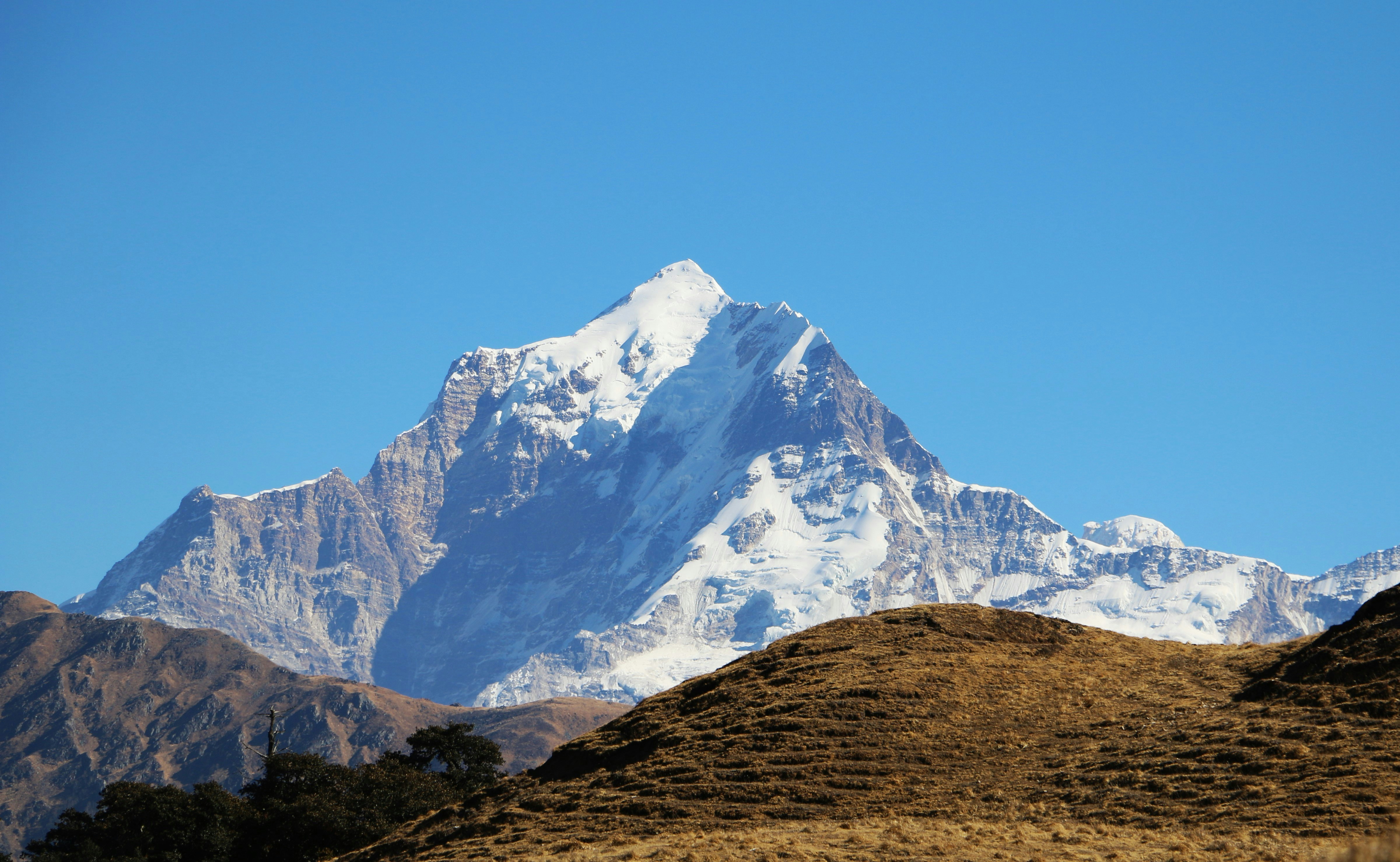
If your priority is panoramic mountain views and comfortable trekking conditions, autumn is one of the strongest choices. How Difficult Is the Kuari Pass Trek? Kuari Pass is generally considered a moderate trek. It is suitable for fit beginners, but calling it an easy trek would be misleading. The main challenge is not technical climbing. It is the combination of altitude, uphill sections, long walking days, and changing terrain. One section can feel comfortable through the forest, while the next climb may demand much more effort. The trail around higher ridges also needs attention, particularly in snow, rain, or poor visibility. You should be able to walk for several hours on consecutive days and handle regular uphill and downhill sections. Basic preparation can make a big difference. Start walking regularly before the trek, include stairs or uphill walking in your training, and build your stamina rather than depending only on gym workouts. What Is the Kuari Pass Trek Route Like? There are different approaches and route variations for Kuari Pass. A common route approaches from the Joshimath side and uses villages such as Dhak or Karchi before moving towards the higher camps and eventually the pass. The route typically takes trekkers through forest sections before opening into Khullara and Gorson Bugyal. Higher on the trail, the landscape becomes more open, and the Himalayan views become the main attraction. The Kuari Pass section itself involves a climb followed by ridge walking and changing terrain. Depending on the route, trekkers can continue towards areas around Tali and Auli. This flexibility is one of the interesting things about Kuari Pass. The exact trail and number of trekking days can vary between operators, so do not assume every Kuari Pass package follows exactly the same route. What Will You See on the Kuari Pass Trek? The mountain views are the biggest highlight, but they are not the only reason to do the trek. Nanda Devi and Dronagiri
Trek detail image
On clear days, the views of Nanda Devi and Dronagiri are among the most memorable parts of the trek. You also get views of several other major Garhwal peaks depending on the section and weather. Gorson Bugyal Gorson Bugyal is a wide alpine meadow that gives the trail a completely different character after the forest sections. Walking across an open meadow with high mountains around you is one of the experiences that defines Kuari Pass. Khullara Khullara is an important section of the popular route and offers expansive mountain views. It also acts as a transition between the forested trail and the more open high-altitude terrain. Tali Tali is known for its scenic setting around forest and meadow terrain. The landscape here changes dramatically with the season, particularly when snow covers the surrounding areas in winter. Can Beginners Do the Kuari Pass Trek? Yes, but being a beginner does not mean being unprepared. Kuari Pass is considered suitable for fit beginners because it does not require technical mountaineering skills on the standard route. However, the altitude and daily walking distances still demand reasonable fitness. If this is your first Himalayan trek, spend a few weeks preparing before you arrive. Focus on endurance, stair climbing, brisk walking and strengthening your legs. Winter Kuari Pass is a different challenge. Snow, cold temperatures and reduced visibility can make sections considerably harder than they are in summer or autumn. How to Reach Kuari Pass Joshimath is the main gateway for the Kuari Pass region. Most travellers first reach Rishikesh or Haridwar and then continue towards Joshimath by road. From Joshimath, the exact transport and starting point depend on the route being used for the trek. If you are joining a group trek, transportation from Joshimath or another designated pickup point is usually arranged according to the operator's plan. If you are travelling independently, check the current road and local transport situation before leaving. Mountain travel times can vary considerably because of road conditions, traffic and weather. What Should You Pack for Kuari Pass? Your packing should depend on the season, but some essentials remain useful throughout the year:
  • Good trekking shoes with strong grip

  • Warm layers

  • Waterproof jacket or rain protection

  • Trekking socks and extra pairs

  • Water bottle

  • Sunglasses and sunscreen

  • Personal medicines

  • Basic first-aid supplies

  • Headlamp or torch

  • Power bank

  • Gloves and cap

For winter, proper thermal layers and waterproof trekking shoes become especially important. Depending on snow conditions, specialised equipment such as microspikes or gaiters may also be required. Kuari Pass Trek Safety Tips The mountains can look calm while conditions change quickly. Keep an eye on weather updates and follow the instructions of your trek leader or local guide. Do not rush through narrow or exposed sections. In fog, avoid moving ahead without knowing the trail. Snow can also hide uneven ground and make familiar sections look completely different. Keep your backpack light and carry only what you actually need. Recent trekkers have specifically mentioned that overpacking can make the trek harder, particularly on longer walking days. Most importantly, do not treat reaching the pass as more important than your safety. If weather conditions become unsafe, changing the plan is the right decision. Final Thoughts Kuari Pass is the kind of trek that gives you a little bit of everything. You get forests at the lower altitude, wide alpine meadows, ridge walks and some of the biggest mountain views in Uttarakhand. It is challenging enough to feel like a real Himalayan trek, but it does not require technical climbing on the standard route. That balance is one reason it works well for fit beginners as well as experienced trekkers. Choose your season based on what you actually want from the trail. Go in winter for snow, spring for a mix of snow and flowers, summer for green meadows and autumn for clear mountain views. And if you are doing Kuari Pass for the first time, prepare for the walking rather than only preparing for the destination. The best part of this trek is not just standing at the pass. It is everything you see on the way there. Frequently Asked Questions About Kuari Pass Trek

What is the best time to do the Kuari Pass Trek?
For clear mountain views, September end to November is an excellent period. May and June are good for green meadows and comfortable trekking. December to March is better for trekkers specifically looking for snow, although winter conditions can be unpredictable.

What is the height of Kuari Pass?
Kuari Pass reaches approximately 12,516 feet above sea level.

Is Kuari Pass suitable for beginners?
Yes. The standard Kuari Pass Trek is generally considered suitable for fit beginners. However, it is a moderate high-altitude trek and requires proper fitness preparation.

Is Kuari Pass difficult in winter?
Winter can make the trek considerably more challenging because of snow, ice and cold temperatures. The difficulty depends heavily on the amount of snowfall and current trail conditions.

Can you see Nanda Devi from Kuari Pass?
Yes. On clear days, Nanda Devi is one of the major Himalayan peaks visible from sections of the Kuari Pass route.

Is Kuari Pass open during monsoon?
Kuari Pass is generally best avoided during the peak monsoon months because heavy rain can make the trail slippery and increase the risk of landslides and trail damage.

How many days are needed for Kuari Pass Trek?
The duration depends on the route and operator. A standard Kuari Pass trek is commonly planned over several trekking days, with the complete trip taking around five to seven days depending on transportation and route variations.

What is Kuari Pass also known as?
Kuari Pass is popularly known as the Lord Curzon Trail because of its association with Lord Curzon's journey through the region.


Topic Tags

#Best Time to Visit Kuari Pass Kuari Pass Trek#Kuari Pass Trek#Base Camp#Kuari Pass Trek Itinerary