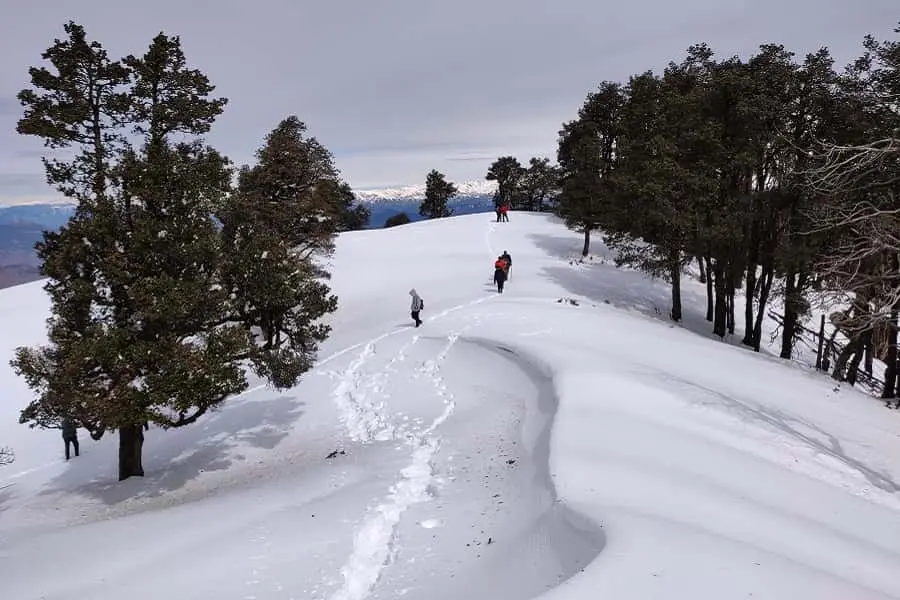
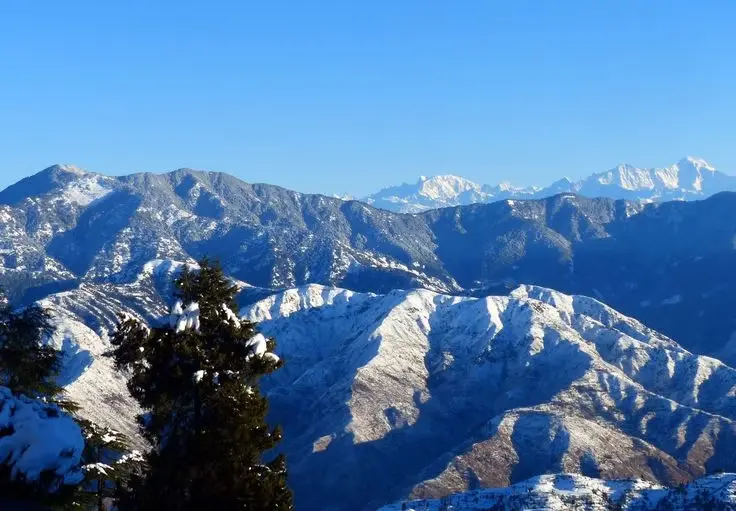
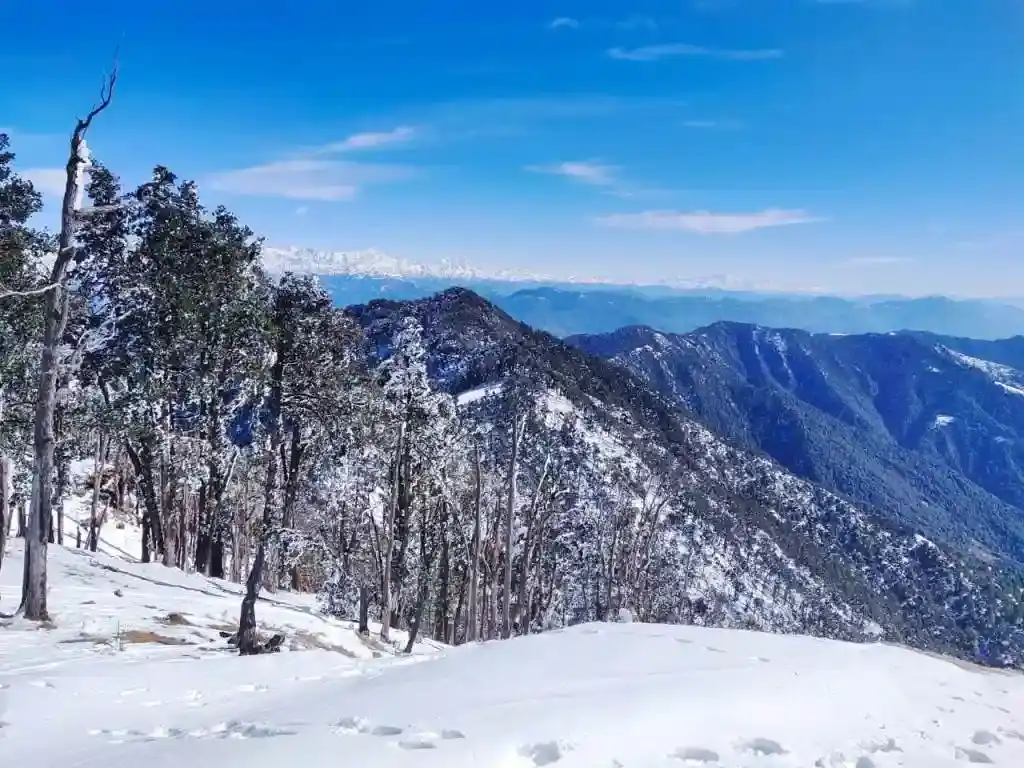
The Nag Tibba Trek, also known as the Serpent's Peak, is one of the most popular weekend treks in Uttarakhand. Located in the Garhwal Himalayas near Mussoorie, this short yet rewarding adventure takes you to an altitude of 9,915 ft. It offers spectacular views of prominent Himalayan peaks, including Swargarohini, Bandarpoonch, Kala Nag, Srikanth, and the Gangotri ranges.
The journey begins with a scenic drive from Dehradun to Pantwari Village, the base village for the trek. From here, the trail winds through dense oak, pine, and rhododendron forests, gradually opening up to beautiful clearings and mountain landscapes. Every stretch offers something different, making the journey as memorable as reaching the summit.
One of the biggest attractions of the Nag Tibba Trek is its accessibility. With a short trekking duration and rewarding summit views, it is an excellent choice for beginners and those looking for their first Himalayan trekking experience.
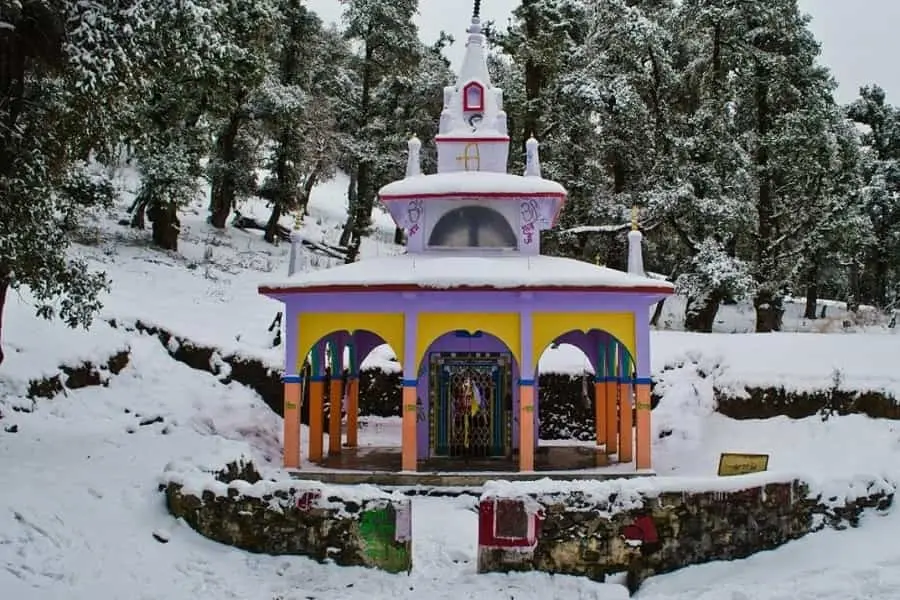
The experience becomes even more memorable with an overnight camping stay amidst the mountains, surrounded by starry skies and peaceful forest landscapes. At the summit, you can also visit the Nag Devta Temple, a sacred site that holds religious significance among the local communities.
Whether you are planning your first Himalayan adventure or looking for a refreshing weekend escape, the Nag Tibba Trek offers a wonderful combination of scenic trails, mountain views, camping, and local culture.
Quick Facts About Nag Tibba Trek
Trek Details | Information |
Region | Garhwal, Uttarakhand |
Starting Point | Dehradun |
Base Village | Pantwari |
Highest Altitude | 9,915 ft |
Trek Distance | Approx. 16 km (round trip) |
Duration | 2 Days / 1 Night |
Difficulty Level | Easy to Moderate |
Best Time | March-June, October-February |
Temperature | Day: 5°C to 25°C / Night: -3°C to 10°C |
Best Time to Do the Nag Tibba Trek
The best time to do the Nag Tibba Trek depends on the kind of mountain experience you are looking for. From blooming rhododendron forests in spring to snow-covered trails in winter, every season offers a different view of this beautiful Himalayan trek.
March-June: Spring & Summer
Experience: Pleasant weather, comfortable trekking conditions, and excellent opportunities for photography.
Temperature: Day: 10°C to 25°C | Night: 5°C to 10°C.
July-September: Monsoon
Experience: A quieter trekking experience, but trails can become slippery due to rainfall. Not the most recommended season for beginners.
Temperature: Day: 15°C to 20°C | Night: 10°C to 15°C.
October-November: Autumn
Experience: One of the best periods for comfortable trekking, photography, and enjoying uninterrupted mountain scenery.
Temperature: Day: 8°C to 18°C | Night: 2°C to 8°C.
December-February: Winter & Snowfall
Experience: Ideal for experiencing the Nag Tibba winter trek, with opportunities to witness fresh snowfall depending on weather conditions.
Temperature: Day: 5°C to 12°C | Night: -3°C to 3°C.
If you are planning a winter trek? Kedarkantha Trek can also be another beautiful snow-covered Himalayan adventure.
How Difficult is the Nag Tibba Trek?
The Nag Tibba is an easy-to-moderate trek, making it a suitable choice for beginners and first-time trekkers with basic fitness. The trail passes through forest paths, gradual ascents, rocky sections, and a few steep stretches as you approach the summit.
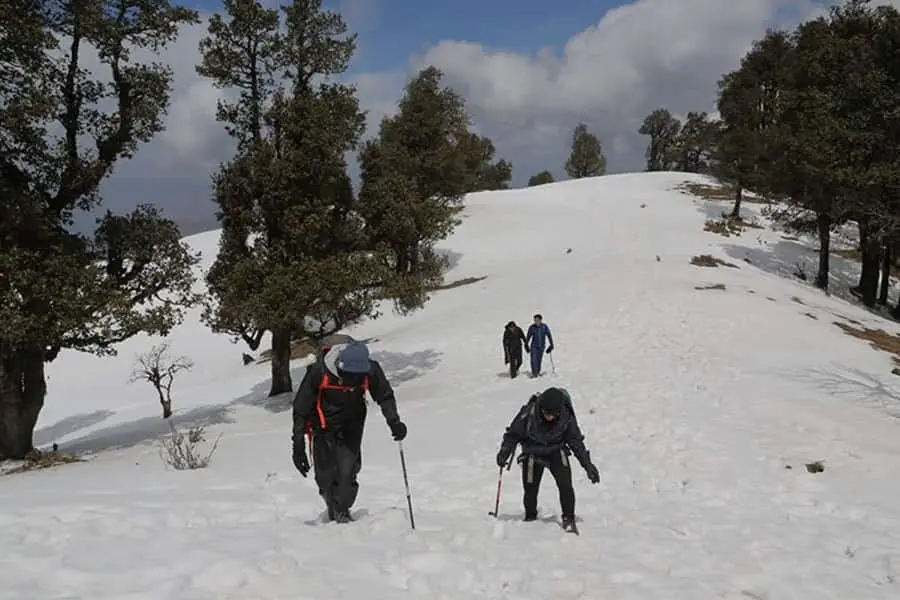
Although the trek does not require prior trekking experience, the uphill climbs and summit ascent can be physically demanding at certain points. During winter, snow-covered and slippery trails may add to the difficulty.
What Makes the Nag Tibba Trek Challenging?
Steep Ascents: Some sections involve uphill climbs that require stamina and steady walking.
Forest Trails: The route includes uneven paths, rocky patches, and natural terrain.
Summit Climb: The final ascent requires additional effort, especially for beginners.
Winter Conditions: Snowfall and icy patches can make certain sections more challenging.
Is Nag Tibba Trek Suitable for Beginners?
Yes! The Nag Tibba Trek is a great option for beginners looking to experience Himalayan trekking. With basic physical preparation, comfortable trekking shoes, and guidance from experienced trek leaders, first-time trekkers can enjoy this adventure.
How to Reach Pantwari Village (Base Camp) for Nag Tibba Trek?
Pantwari Village, located in the Tehri Garhwal district of Uttarakhand, is the base village for the Nag Tibba Trek. It is well-connected to Dehradun by road and can be reached through public transport or private taxis.
By Air:
The nearest airport is Jolly Grant Airport, Dehradun, approximately 100 km from Pantwari. From the airport, you can hire a taxi or arrange onward transport to reach the base village.
By Train:
The nearest railway station is Dehradun Railway Station. From here, you can hire a private cab or use Himtrek-organised transport to reach Pantwari via Mussoorie and Nainbagh.
By Road:
Dehradun is well-connected to major cities, including Delhi, through regular buses and taxis. From Dehradun, Pantwari can be reached by road via Mussoorie and Nainbagh.
Planning to explore more Himalayan destinations from Dehradun? Check out our other Uttarakhand treks for another popular experience.
Nag Tibba Trek Package Price & Booking (Himtrek - ₹2,600)
Experience a memorable Himalayan weekend getaway with the Himtrek Package, starting at just ₹2,600 per person (plus 5% GST).
Whether you are a first-time trekker, a solo traveller, or planning a trip with friends, this package offers an opportunity to explore the beautiful trails, forest landscapes, and panoramic Himalayan views of Nag Tibba.
Why Choose Himtrek for Nag Tibba Trek?
Affordable weekend trekking package.
Experienced trek leaders and on-ground support.
Comfortable camping experience amidst the mountains.
An exciting Himalayan adventure suitable for beginners.
Before booking your Nag Tibba adventure, make sure you review the trek itinerary, package inclusions, exclusions, reporting details, and applicable booking conditions. This helps you understand exactly what to expect during your journey.
For a smooth booking experience, go through Himtrek's Terms and Conditions, Cancellation Policy, and Privacy Policy.
If you have questions about departure dates, package details, or group bookings, you can Contact Himtrek Team.
Fitness and Preparation for Nag Tibba Trek
The Nag Tibba Trek is suitable for beginners, but a basic level of fitness and preparation will help you enjoy the journey comfortably.
Fitness Tips for Nag Tibba Trek
Walking: Practise brisk walking for 30-45 minutes daily to build stamina.
Cardio: Include jogging, cycling, or swimming to improve cardiovascular endurance.
Leg Strength: Perform squats, lunges, and step-ups to strengthen your legs.
Stamina: Practise climbing stairs to prepare for uphill sections.
Breathing: Include simple breathing exercises to improve breath control during climbs.
Essential Things to Pack for Nag Tibba Trek
Clothing
Warm jackets, fleece layers, and thermal wear.
Comfortable trekking pants and quick-dry T-shirts.
Woollen socks, gloves, and a warm cap.
Waterproof jacket or raincoat.
Trekking Gear
Comfortable trekking shoes with good grip.
A sturdy backpack (30-40 litres).
Water bottle or hydration flask.
Trekking poles for better balance.
Headlamp or flashlight with extra batteries.
Personal Essentials
Sunscreen, sunglasses, and lip balm.
Personal toiletries and a quick-dry towel.
Basic personal medicines and a small first-aid kit.
Power bank and necessary identification documents.
Energy bars, dry fruits, and light snacks.
The Spiritual Significance of Nag Tibba Trek
The Nag Tibba Trek is not just about mountain adventures and scenic landscapes; it also offers a glimpse into the rich mythology and cultural heritage of the Garhwal Himalayas. The name Nag Tibba translates to 'Serpent's Peak', and the mountain is traditionally believed to be the abode of Nag Devta, the serpent deity worshipped by local communities.
At the summit, a small temple dedicated to Nag Devta holds religious significance for the people living in nearby villages. Locals visit the temple to offer prayers and seek blessings for the protection of their cattle, families, and livelihoods.
According to local beliefs and folklore, Nag Devta is regarded as a protector of the region. This deep-rooted faith adds a spiritual dimension to the trekking experience, making the summit more than just a scenic viewpoint.
As you walk through ancient forest trails and peaceful mountain landscapes, you also get to experience the traditions, beliefs, and cultural heritage that make the Garhwal Himalayas so special.