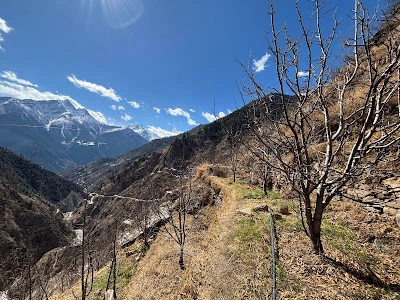
Yulla Kanda Trek is a high-altitude trek in the Rora Valley of Kinnaur, Himachal Pradesh, leading to the sacred Yulla Kanda Lake and the revered Krishna temple at around 3,895 metres (12,778 feet). The trek starts from Yulla Khas Village and passes through forests, alpine meadows and remote mountain landscapes.
The Yulla Kanda Trek is known for its combination of Himalayan scenery, local traditions and spiritual significance. The temple is widely described as the world's highest Krishna temple, while the lake and surrounding landscape make the trek a distinctive experience in Kinnaur.
For trekkers, the route offers a relatively remote Himalayan experience with long uphill sections, high-altitude terrain and changing weather conditions.
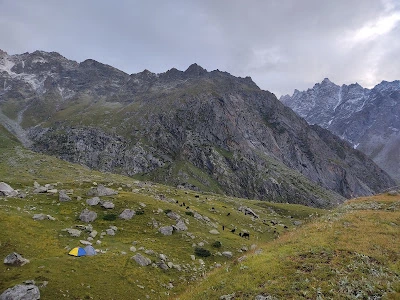
The Yulla Kanda trek is one of the most hidden and peaceful trails in Himachal Pradesh. Located in the remote Kinnaur region, this 3-day trek takes you through tall pine forests, quiet villages, and wide open meadows. The journey ends at the beautiful Yulla Kanda Lake.
At this high-altitude lake stands the World’s highest Krishna temple. It’s a key highlight for trekkers and an important spiritual spot. Locals believe Lord Krishna once meditated here, and many still visit for its calm and sacred feel.
Along the trail, you will be surrounded by pure nature and hardly any crowds. It’s a quiet and refreshing experience, far from the usual tourist places.
This trek is a mix of adventure, local culture, and mountain views. It’s perfect for anyone looking to explore something different and more peaceful.
Each day brings you closer to the real side of Himachal – clean air, quiet moments, and a story you will always remember. If you want nature, calm, and a one-of-a-kind trek, Yulla Kanda is waiting.
Let’s read further to know more about this beautiful journey.
Yulla Kanda Trek at a Glance
Fact | Details |
Location | Rora Valley, Kinnaur, Himachal Pradesh |
Starting Point | Yulla Khas Village |
Altitude | 3,895 m / 12,778 ft |
Trek Distance | Approximately 12 km one way, route-dependent |
Difficulty | Moderate |
Duration | 3 Days / 2 Nights |
Best Time | Mid-May to Mid-October |
Main Attraction | Yulla Kanda Lake & Krishna Temple |
Trail | Forests, meadows and high-altitude terrain |
Region | Kinnaur, Himachal Pradesh |
Main Highlight | World’s Highest Krishna Temple near Yulla Lake
|
Best Time for Yulla Kanda Trek
Yulla Kanda is a seasonal trek best experienced from mid-May to mid-October. Each season offers a unique experience:
May to June
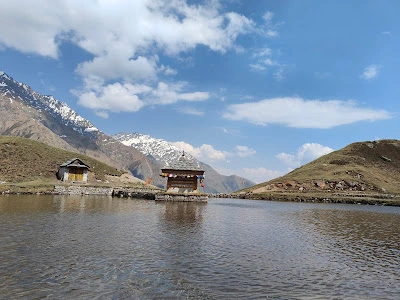
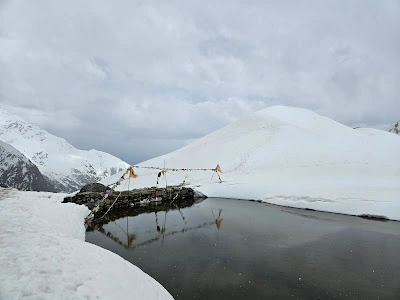
This is when the trail starts to open up, with chilly mornings, clear skies, and excellent visibility of the surrounding peaks. Snow may still be visible at higher sections, while daytime conditions are generally comfortable for trekking.
Scenery: Snow melting, fresh greenery, and patches of snow near the lake.
Vibe: Crisp air, light crowds, and peaceful trails.
Temperature: Day – 10°C to 18°C | Night – 2°C to 8°C.
September to Mid-October
This is an ideal period for those seeking solitude, clear mountain views, and peaceful trails. The skies are generally clearer, making it a great time for photography and enjoying the surrounding landscapes.
Scenery: Clear skies, golden grass, and peaceful lake views.
Vibe: Quiet, serene, and highly photogenic.
Temperature: Day – 8°C to 16°C | Night – 0°C to 6°C.
How to Reach Yulla Kanda Trek Starting Point
The Yulla Kanda Trek starts from the Kinnaur region, with Yulla Khas Village serving as the main trailhead. Travellers generally reach Kinnaur via Shimla, then continue towards Tapri and finally Yulla Khas Village, where the trek begins.
From Delhi
Delhi → Shimla → Narkanda → Rampur → Tapri → Yulla Khas
From Chandigarh
Chandigarh → Shimla → Narkanda → Rampur → Tapri → Yulla Khas
By Road
-
Shimla is approximately 350 km from Delhi, taking around 8–10 hours by bus or car.
-
Regular Volvo and HRTC buses are available from Delhi, Chandigarh, and nearby towns.
By Air
- Alternatively, you can fly to Chandigarh Airport and continue to Shimla by road, which takes around 4 hours.
- The nearest airport is Shimla Airport (Jubbarhatti), located about 22 km from Shimla, with limited flight connectivity.
- Shimla Airport is one possible air-access point, but the Yulla Kanda trailhead is still a long road journey from the airport.
-
It is recommended to arrive in Shimla a day before the trek for better acclimatization and to avoid last-minute travel delays.
By Train
- Kalka is the major broad-gauge railway station commonly used to reach Shimla, followed by road travel towards the Kinnaur region.
Yulla Kanda Trek Package
The Himtrek Yulla Kanda Trek is a 3-day package from Delhi to Delhi, covering transportation, accommodation, meals, camping arrangements, and trek support as specified in the package inclusions.
Yulla Kanda Trek Package Price: ₹10,998 per person (Delhi to Delhi)
Kindly review the Terms and Conditions before proceeding with your booking.
Explore More Unforgettable Treks
Yulla Lake and Krishna Temple
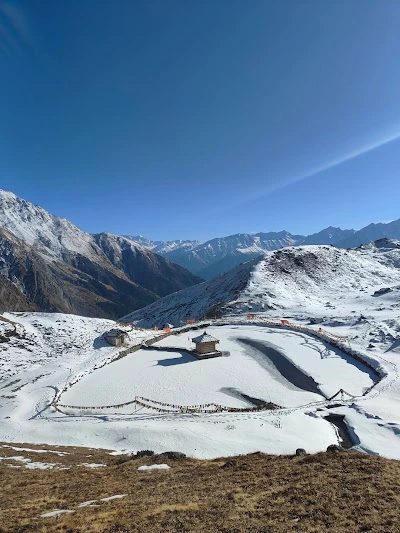
The Yulla Kanda Krishna Temple, located in the middle of Yulla Lake, is traditionally regarded as one of the world’s highest Krishna temples. It welcomes people of all faiths and reflects the rich cultural and spiritual traditions of the Kinnaur region.
Local traditions and legends connect Yulla Kanda with the Pandavas and Lord Krishna. These stories form part of the site’s religious and cultural significance rather than established historical records. The temple holds deep religious importance for the people of Kinnaur and nearby villages, especially during the Janmashtami festival.
Scenic Beauty & Local Significance of Yulla Kanda
Yulla Kanda offers stunning views of the Kinnaur ranges and surrounding valleys. To the northwest lies the Listigarang Valley, connecting towards Kafnu and Bhabha Pass, while the Kashang Valley stretches to the northeast, with routes leading towards remote villages like Pangi.
This isn’t just a trek—it’s a journey through local stories, legends, and breathtaking Himalayan landscapes.
Janmashtami Celebration at Yulla Kanda
Every year, on Janmashtami, the region celebrates Lord Krishna’s birth with local rituals. People throw a traditional Kinnauri cap into the lake. If it floats across without sinking, it’s believed the person will have a peaceful year ahead.
This spiritual tradition draws people from nearby areas who come to pray, reflect, and take part in the sacred ceremony.
Yulla Kanda is particularly significant during Janmashtami, when devotees from surrounding areas travel to the sacred lake and temple for traditional celebrations and prayers.
Packing Tips & Preparation for Yulla Kanda Trek
Before going for the Yulla Kanda Trek, you need to know important trekking tips and preparations.
Physical Preparation
-
Start light cardio and leg workouts 2–3 weeks before the trek.
-
Practice walking with a backpack for better stamina.
Packing Essentials
-
Warm layers, gloves, beanie, and a waterproof jacket.
-
Comfortable trekking shoes with good grip.
-
Headlamp, reusable water bottle, and power bank.
Health & Safety
-
Carry basic medicines (cold, headache, altitude sickness).
-
Keep ORS or energy bars for hydration and energy.
-
Inform someone in advance about your travel plan.



 Back to Treks