

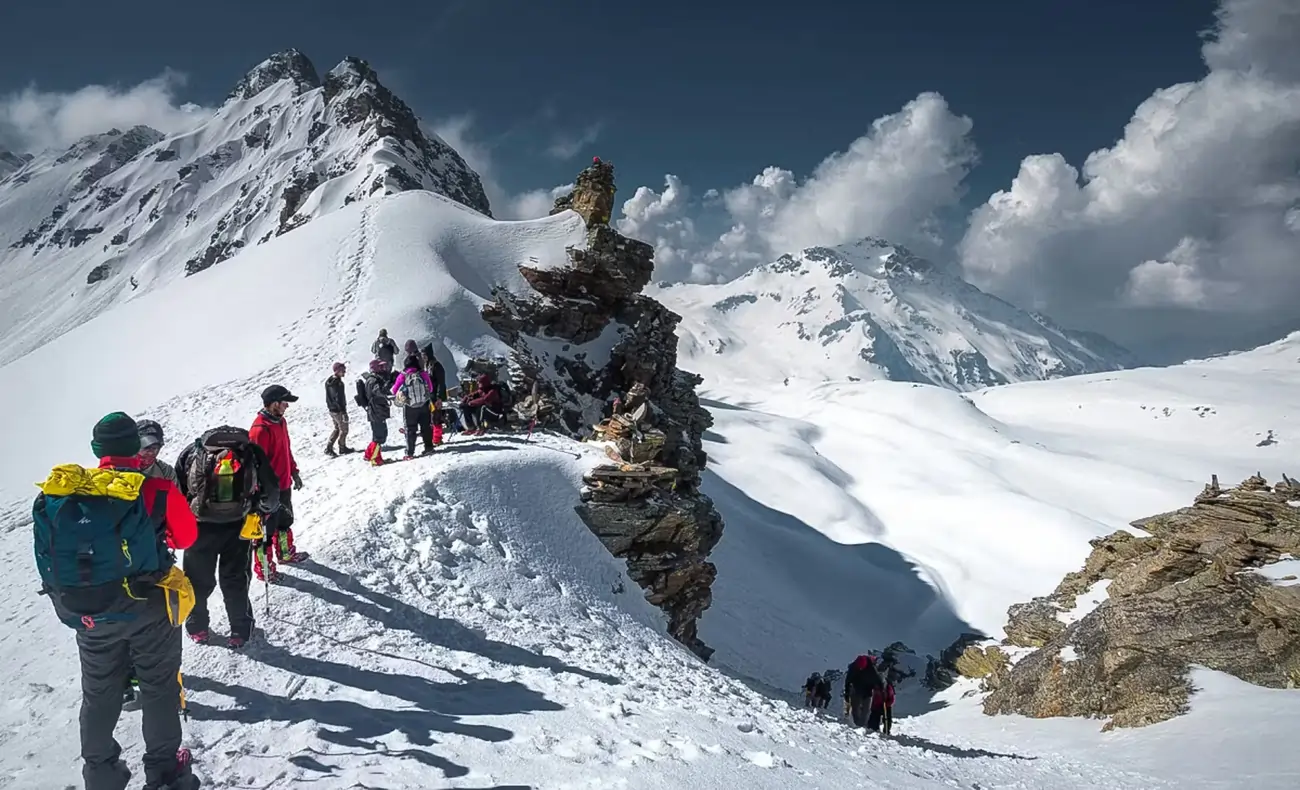

Late winter opens up some of the finest mountain trails you will ever see. Snow on the ridges, ice on the falls, and still paths make the season worth every step. But late winter also brings one risk that no trekker can afford to overlook — avalanches. Learning to read snow and move with care using avalanche safety tips keeps you safe on every trail.
Why Late Winter Raises the Risk
Snow on a mountain never stays in one fixed state. It moves, compresses, and responds to every shift in heat and wind. Late winter is a delicate period because daytime warmth starts to rise while the snow beneath stays thick and loaded. That mix builds weak layers inside the snowpack that can break free with little warning, which is why basic avalanche safety tips matter so much.
You do not need deep technical knowledge to stay safe on a winter trail. You do need to spot the early signs before conditions turn. Reading the slope with steady attention is the first and most important safety step.
Red Flags You Must Never Ignore
Three clear warning signs call for your full attention on any snow trail, and knowing these avalanche safety tips can make all the difference.
The first sign is cracks on the snow surface. If you spot a line or split running across the snow near you, stop right where you are. That crack shows the snow is under pressure and may already be on the move.
The second sign is a sound known as “whumping.” It is a low, dull, hollow sound the snow makes when a weak layer collapses under your feet. The sound feels like a soft drop beneath each step. If you catch that sound, the snow is giving you a direct warning to stop.
The third sign, and the one most trekkers miss, is a fast rise in air temperature. When warmth builds quickly after a cold night, the top snow layer loses its hold on what sits below. A warm spell hitting mid-morning or early afternoon is a strong sign to stop and review your next move.
When any of these signs show up, stop moving, step back, and wait for your guide to direct you forward.
Rule Number One: Follow Your Guide’s Exact Footsteps
One of the most practical avalanche safety tips is simple — follow your guide’s footsteps exactly. Certified mountain guides check the slope, snow surface, and terrain layout before each step they take. They pick lines that cut exposure to weak zones and cross open sections at the right angle and speed.
Moving even one meter off that line puts you on snow with less support under it. Match every step your guide takes, keep their pace, and do not drift from their line. That one habit gives you more protection than any gear you carry.
How Himtrek Keeps You Safe on Every Trek
Himtrek guides hold full certification in mountain safety and avalanche response, following strict avalanche safety tips on every route. Each guide carries a complete kit on every trek — probes, shovels, and emergency communication tools. Before the first step of any trek, guides check current snow conditions and shift the route based on live risk data.
You are not just moving with someone who knows the path well. You are moving with someone trained to read every slope and respond fast when the situation demands it.
The Right Mindset for Late Winter Trekking
Strong avalanche safety tips are not rooted in fear — they are rooted in steady awareness. Watch for the signs, trust your guide fully, and respect what the mountain shows you at each step. Practising daily avalanche safety tips builds confidence and keeps your decisions clear in cold terrain.
Following proven avalanche safety tips with the right team beside you makes late winter trekking both safe and deeply fulfilling.
0 Comment