

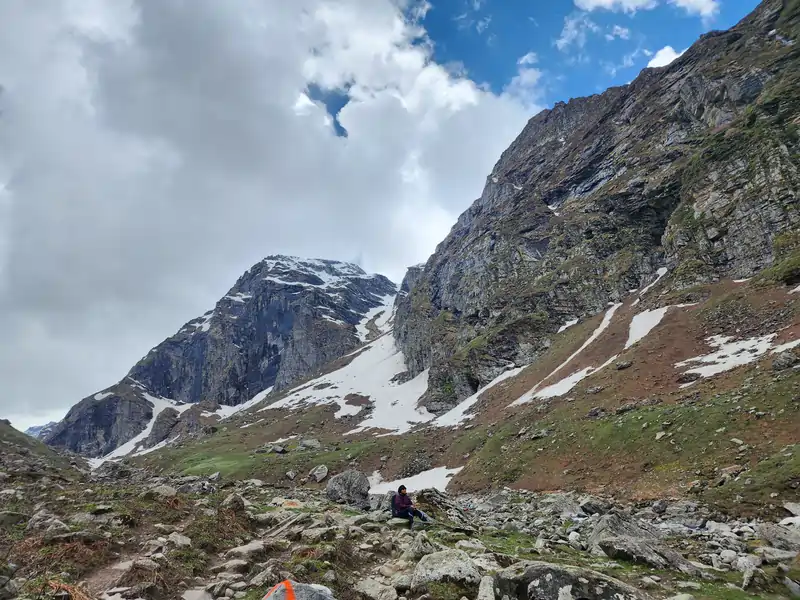

The Hampta Pass Trek stands apart from every other path in the Himalayas completely. In one single day, you move from thick green valleys into bare desert lands. This wild shift takes place so fast it feels like stepping between two worlds.
The Most Dramatic Crossover Trek
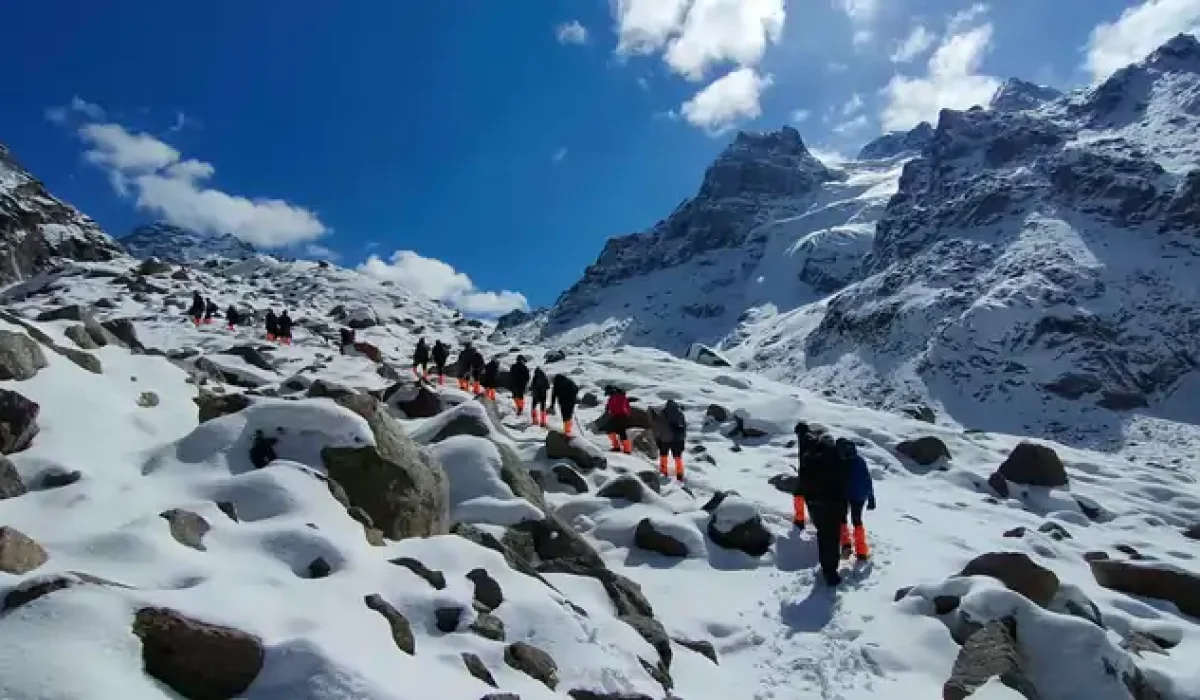
What sets the Hampta Pass Trek apart is the stark change in what surrounds you. You begin your walk in the Kullu Valley through dense green woods and soft grass fields. Tall pine trees rise all around while clear streams run past your boots. Wild blooms coat the ground in bright patches of color from edge to edge.
But once you step across Hampta Pass at 14,100 feet high, the view flips hard. The green tones vanish in full without a trace left behind at all. You step into Spiti Valley’s bare rock world with brown peaks and dry stone. Plants grow so thin here that you can count them on one hand easily.
This whole shift wraps up in just one day of steady walking upward. One breath puts you in lush green heaven, and the next lands you on Mars. The split hits so hard and fast it steals the air from your lungs.
The Kullu side pulls in heavy monsoon rains, so thick plant life thrives here. But Spiti rests behind the rain shadow cast by the high Himalayan wall. Rain clouds never make it past these tall peaks, which build a cold, dry zone. Moving from one side to the next feels like walking straight through a door.
Most treks give you the same type of views from start line to end. But the Hampta Pass Trek throws two fully different landscapes at you in one trip. This design keeps each step feeling fresh and loaded with new sights to take in.
Walking on Frozen Rivers
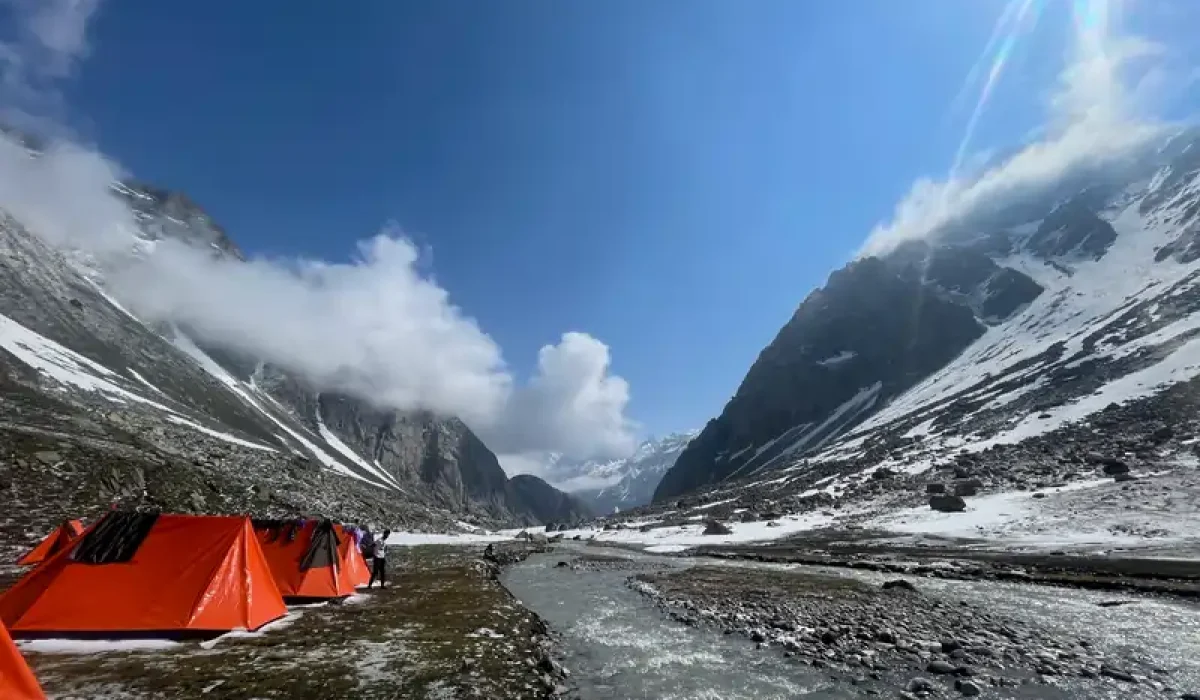
June and July add a rare rush to the Hampta Pass Trek with snow bridges. These form as thick snow layers that span fast streams and create safe paths. The rivers down low rush wild with meltwater from high peaks above. But up top, the snow packs are hard and solid enough to hold your weight.
You truly walk over rivers by stepping on snow bridges built several feet thick. Your first snow bridge crossing brings both fear and joy mixed into one moment. You catch the sound of water roaring beneath your boots while you tread on white. The bridge stays firm and holds you safe, but that rush below sets your pulse high.
These snow bridges live only through the early warm months of the year here. By August, most break down and wash away in full with the heat. So, June and July walkers on the Hampta Pass Trek grab this rare thrill that later groups miss.
Walking across these frozen spans pumps real thrill into your trek each time. It carries no true risk if you stick to your guide’s marked route steps. But it still feels like facing a pure high mountain test of nerves.
Chandratal – The Perfect Ending
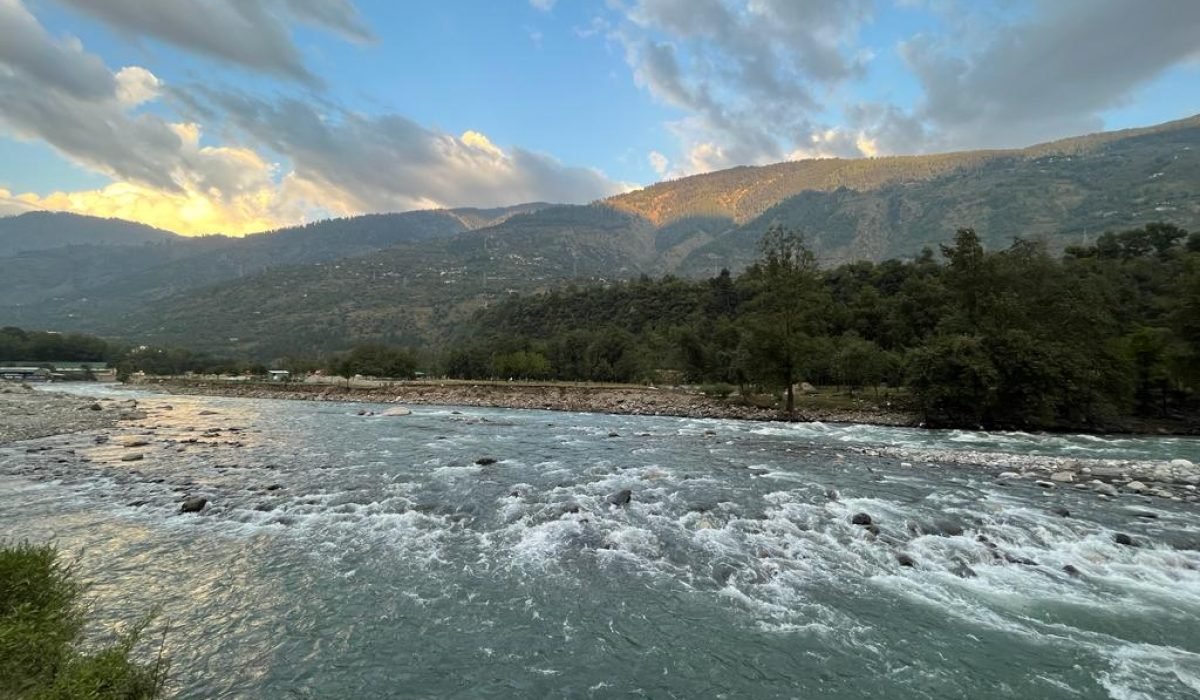
Most Hampta Pass Trek routes wrap up at Chandratal Lake for the final stop. This end point works as the ideal close to days of hard walking. After long treks, you arrive at this bright blue lake perched at 14,100 feet high.
Chandratal means Moon Lake when you translate the Hindi name into English words. The lake earned this tag since its curved shape mirrors a moon arc. The sharp blue water throws back clean reflections of the brown peaks that ring it.
Setting camp next to Chandratal brings a sense of pure magic to nights here. The lake sits cut off from all village life with no towns close by. At night, the stars pack the black sky so thick and bright and clear. You spot the Milky Way band stretched wide across the dark dome above.
After days spent moving through green dells and bare rock zones, this calm lake ties it all up. It serves as your prize for the long walk done right and well. A still blue spot where you rest your tired legs and think back clearly.
The lake’s strange blue shade set against brown, dry rock land builds shots worth keeping. Dawn and dusk both paint the water in new shades of blue mixed with gold.
Is It Really Good for Beginners?
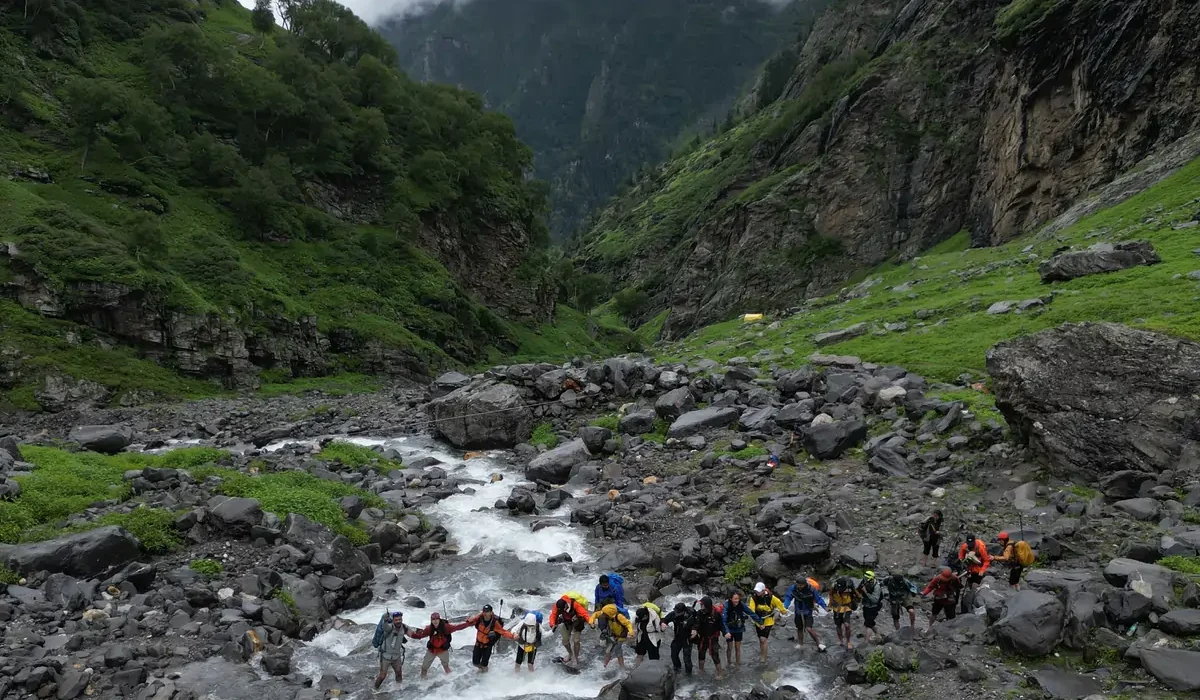
Yes, the Hampta Pass Trek suits first-time walkers well, but one key rule applies here. You must bring a fair base level of fitness to handle the daily load.
The trek holds no hard technical parts that need special climbing skills or gear use. The paths stay clear and well-marked from camp to camp each day. Peak height stays mild when stacked next to other big Himalayan treks you could pick.
0 Comment