


Premium Treks
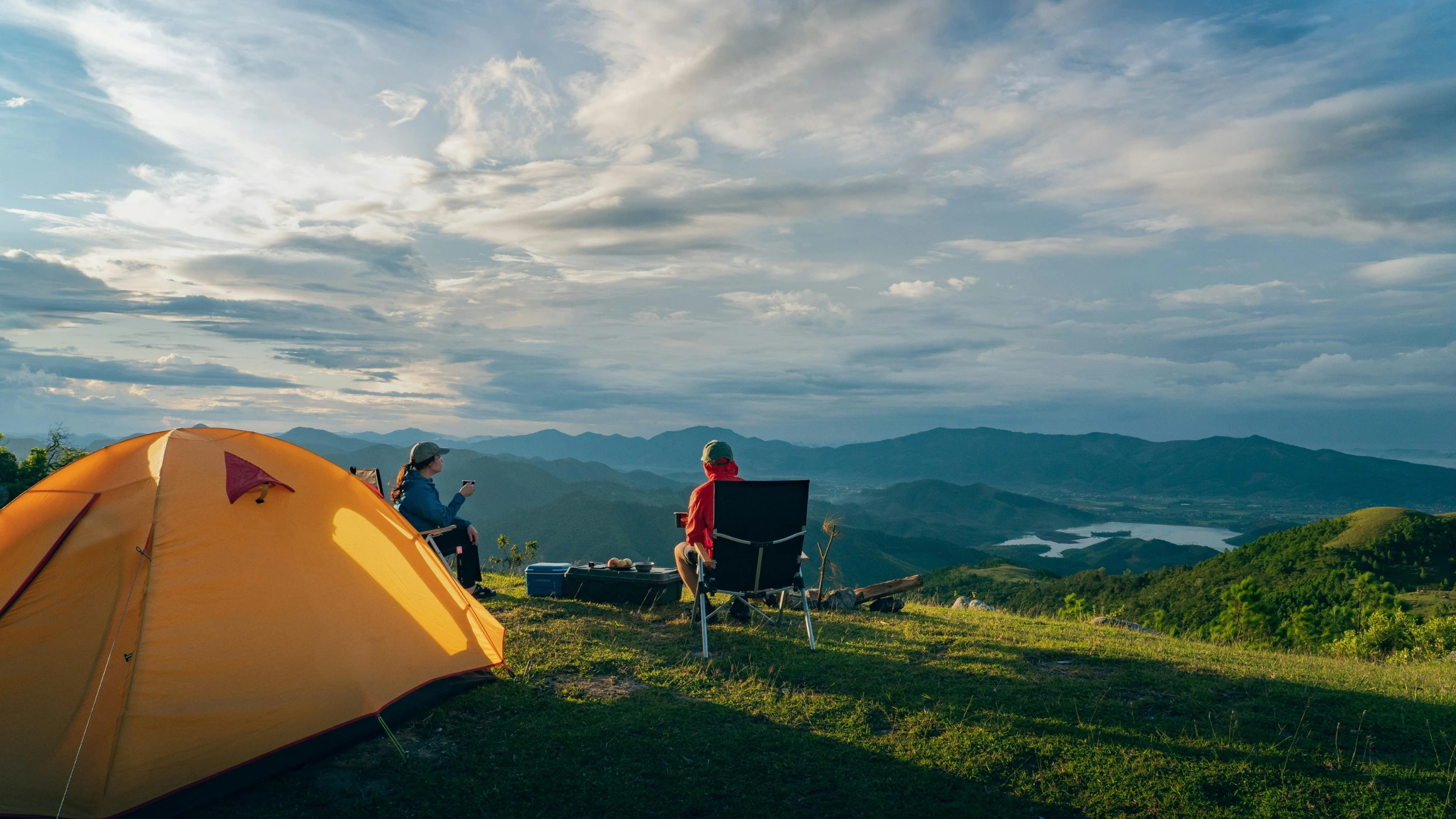
Curated luxury mountain expeditions
Hand-picked itineraries with expert guides, premium gear, and unforgettable high-altitude experiences across the Himalayas.
Upcoming Treks
Fresh batches · Limited seats
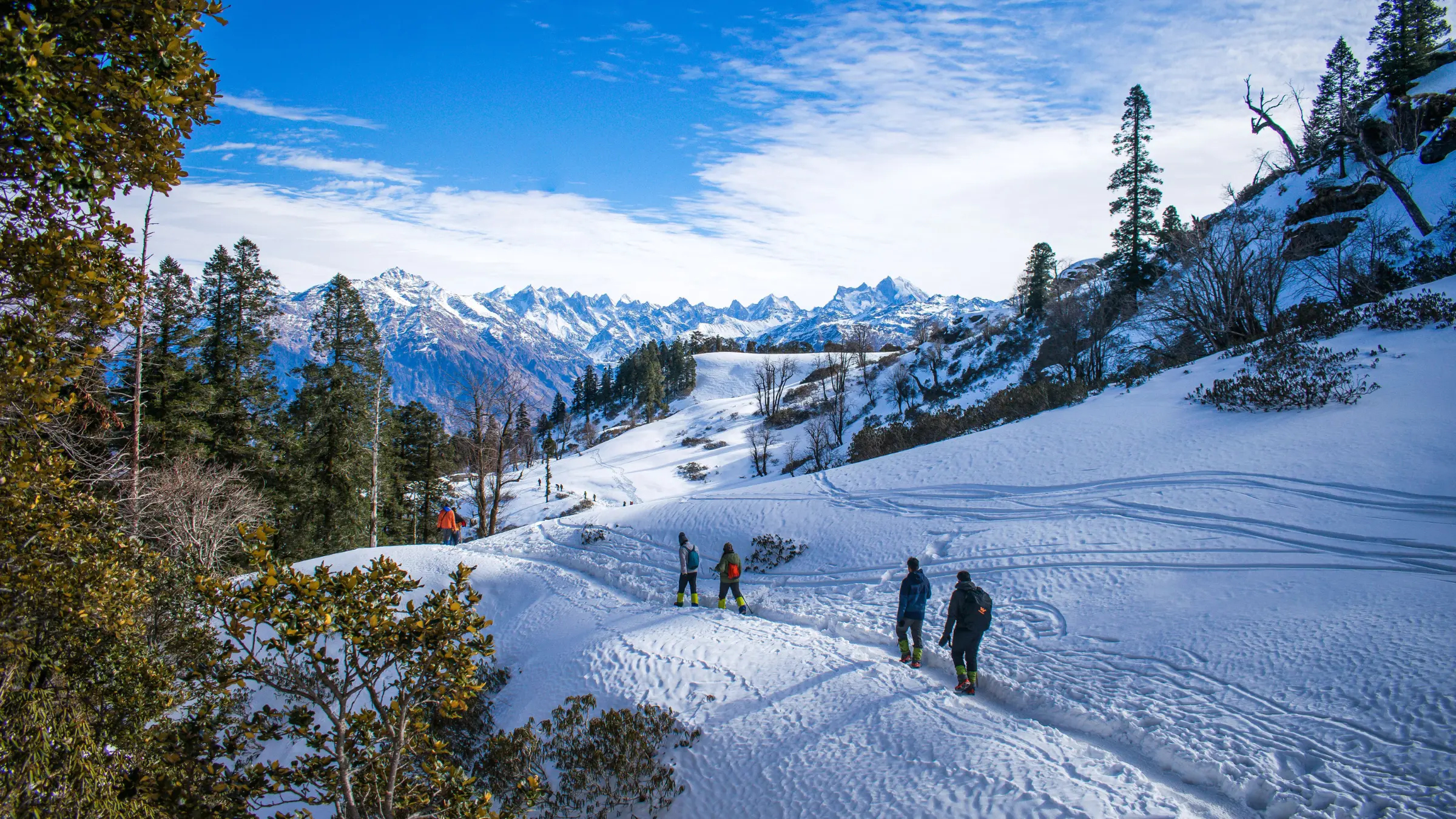
Book your next Himalayan adventure now. New departure dates confirmed for popular routes — seats fill fast.

Group Programmes
Corporate · School · College
Strengthen bonds and build teamwork through customised group trekking programmes designed for any team size.
Summer Specials
Limited-time offers · Up to 20% off
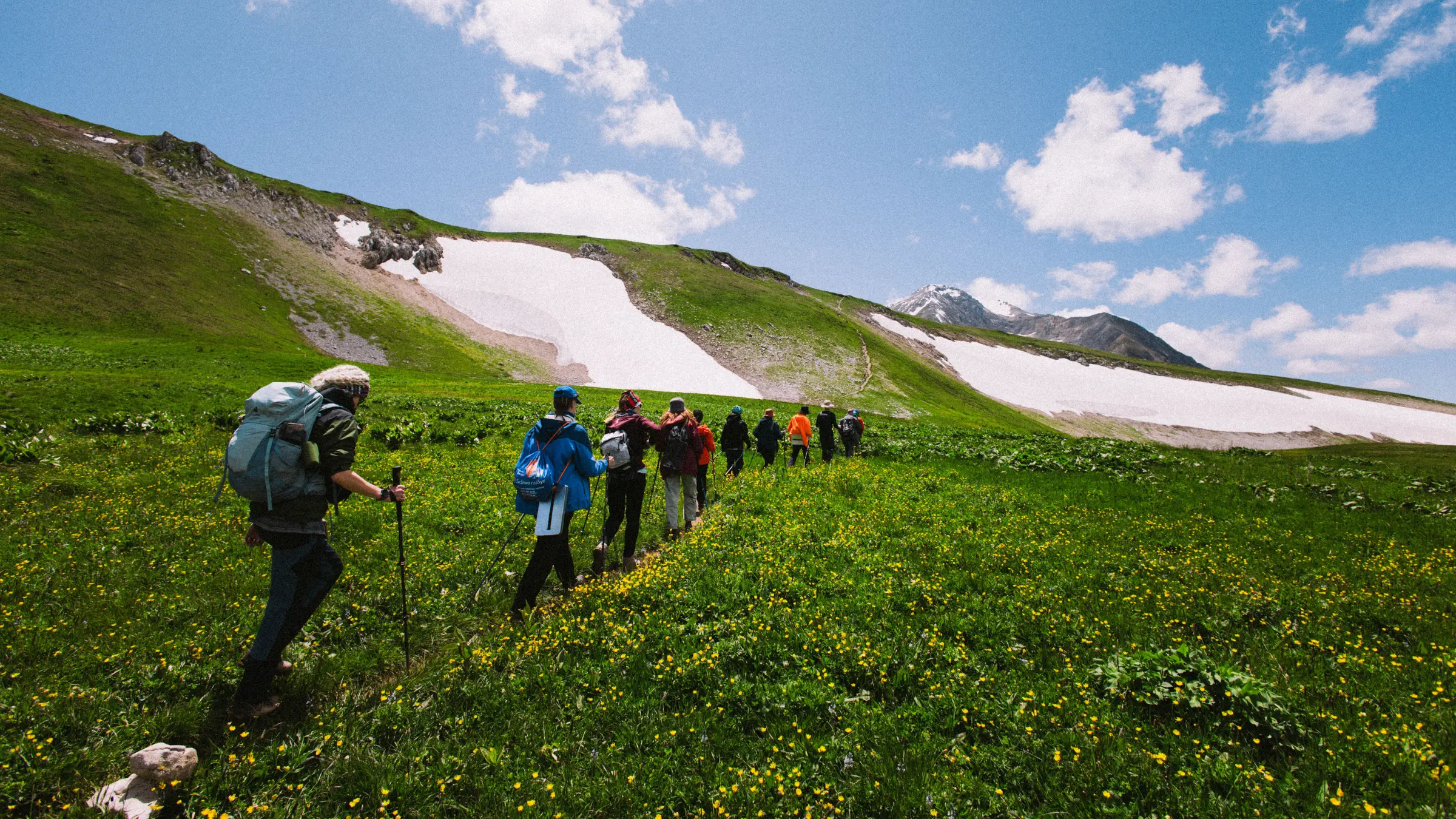
Grab exclusive summer discounts on top Himalayan treks before seats run out. Book now and save on your next adventure.
Himtrek is dedicated to providing the best treks in India, curated from all corners of the Himalayas.
Our team comprises seasoned adventurers who possess a profound understanding of the terrains, cultures, and nuances of the Himalayan region. With this expertise, we craft meticulously planned itineraries that cater to both beginners and seasoned trekkers.
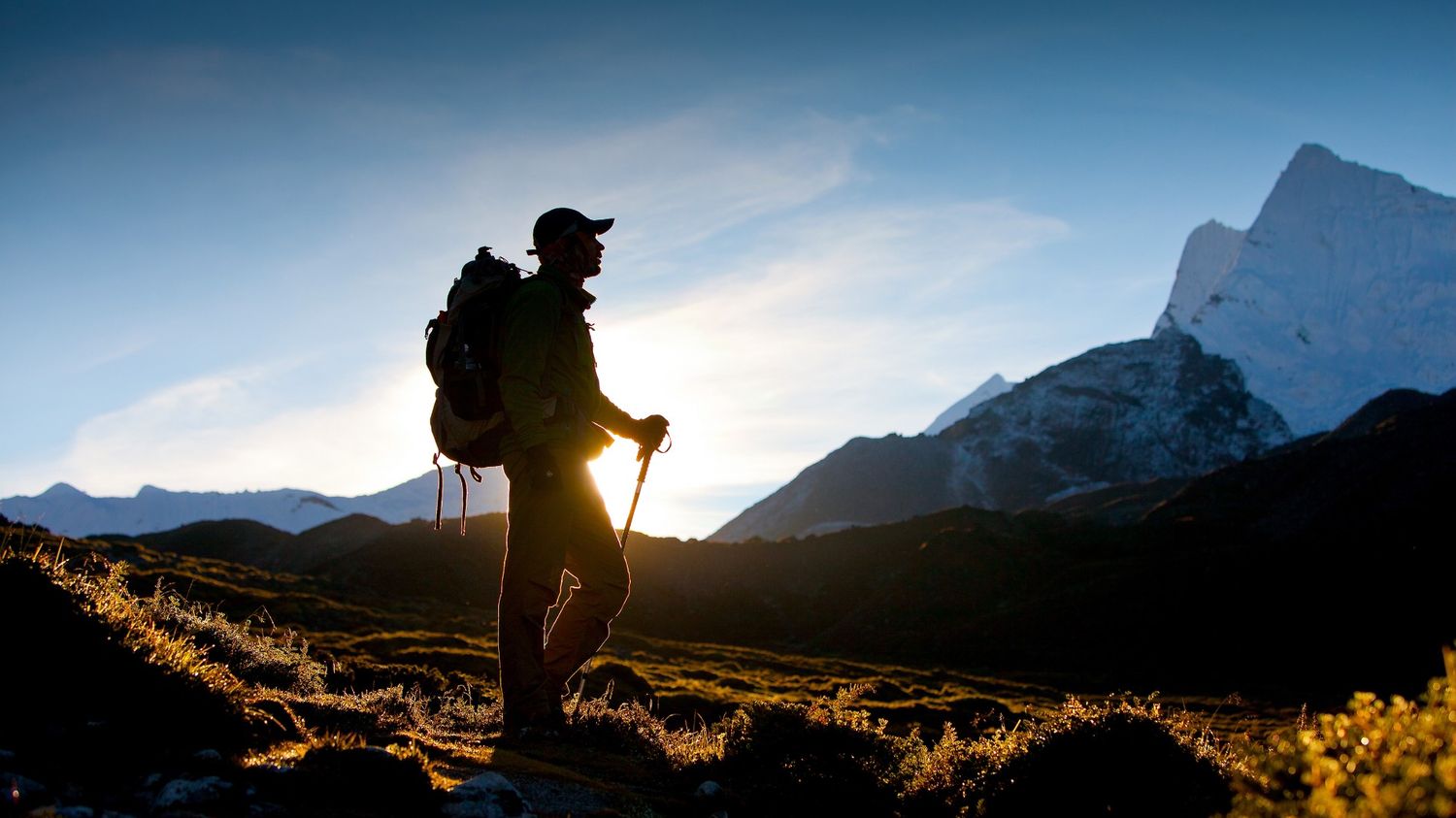
Upcoming Treks
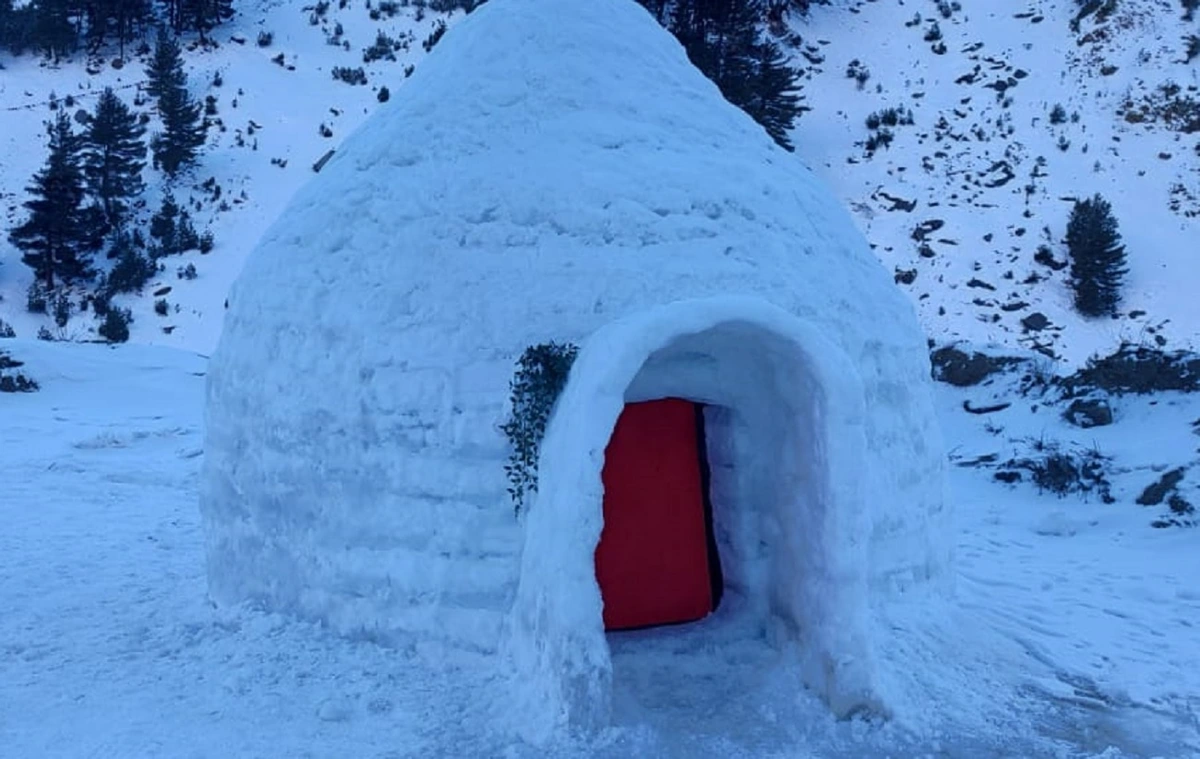 EasyWinter
Manali Trip With Igloo Experience
Not every snow trip needs to be extreme or complicated.Sometimes, all you need is the right place, the right experience, and a little bit of curiosity.The Manali Trip with Igloo Experience is designed for travelers who want to witness something unique – without stepping too far out of comfort. Instead of staying inside an igloo, this journey lets you explore, understand, and experience igloos up close, while still enjoying a cozy stay in the mountains.From the lively charm of Manali to the peaceful snow-covered village of Sethan, this trip blends exploration, local culture, and snow adventures into one smooth experience.You walk through forests, explore cafes, play in the snow, step inside handcrafted igloos, and end your day under a sky full of stars.It’s simple, refreshing, and just different enough to make it memorable.Quick Facts About Manali Trip With Igloo ExperienceDuration: 3 Days / 2 NightsStarting Point: ManaliEnding Point: ManaliTrip Type: Leisure + Snow ExperienceDifficulty Level: EasyRegion Covered: Manali – Sethan VillageStay Type: Hotel + Homestay (No igloo stay)Best Time to Visit: December to FebruaryTemperature Range: -8°C to 12°CBest Time to do Manali Trip Igloo ExperienceDecember to February (Best for Igloo Experience)Temperature:Day: 0°C to 10°CNight: -8°C to -2°C- Ideal snow conditions in Sethan Village- Igloo structures are fully built and accessible- Best time for snow activities and photographyBest for: Snow experience, igloo exploration, winter tripsMarch (Late Snow Phase)Temperature:Day: 5°C to 15°CNight: 0°C to 5°C- Snow begins to melt, but some patches may still remain- Igloo experience may be limited depending on snowfallBest for: Light snow experience with more comfortable weatherApril to November- Igloos are generally not available due to lack of snow- Trip can still be done as a regular Manali visitWho is This Manali Trip With Igloo Experience For?Travelers curious about igloo experience without extreme cold stayFirst-time snow travelersFriends and couples looking for a relaxed tripContent creators and photographersAnyone wanting a unique yet comfortable mountain experienceWhat Makes This Manali Trip With Igloo Experience DifferentUnlike igloo stays, this experience gives you the best of both worlds.You get to:- Explore and understand igloos- Experience snow activities- Stay comfortably in a warm homestay- It’s perfect for those who want something unique – but not too extreme.Manali Trip with Igloo Experience Package PriceThe Manali Trip with Igloo Experience package is priced at ₹7,500 per person, making it a great option for travelers who want to enjoy snow and explore igloos without opting for an overnight Igloo stay.This Manali trip with Igloo experience offers a balanced experience of comfort, exploration, and something unique – perfect for a short and memorable Himalayan getaway.If you are looking for something beyond a regular Manali trip – this is your chance.Limited availability during peak snow seasonBest experiences depend on weather conditionsBook your Manali Igloo Experience Trip now
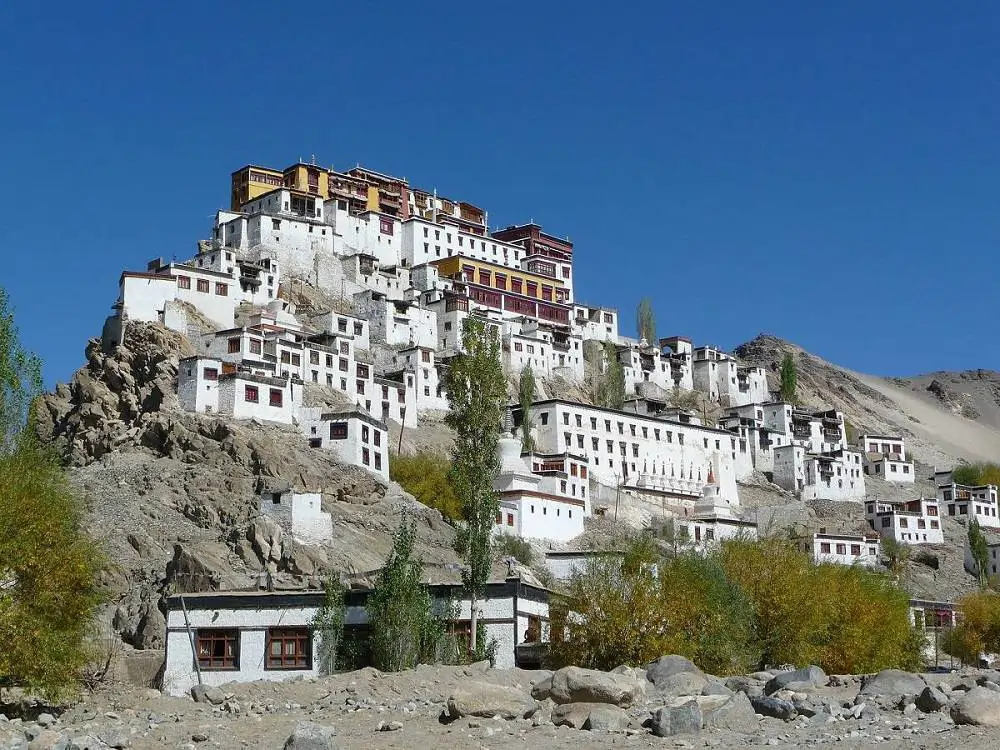 ModerateSummer, Monsoon
Leh Ladakh Tour Package with Hanle & Tsomoriri Lake
The Leh Ladakh Tour Package with Hanle & Tsomoriri Lake is designed for travelers who want to experience Ladakh beyond the usual routes.This is not just a trip covering Leh, Nubra, and Pangong – it goes deeper into the untouched regions of Ladakh, taking you to Hanle, Umling La, and the pristine Tsomoriri Lake, places that remain unexplored by most travelers.From crossing some of the highest motorable roads in the world to witnessing vast cold deserts, ancient monasteries, and ever-changing lake landscapes, this journey offers a complete Ladakh experience.What makes this itinerary special is its balance – you get iconic highlights + remote exploration + proper acclimatization, ensuring both adventure and comfort.Whether it’s standing beside Pangong Lake, driving to Umling La, or stargazing in Hanle, every day adds a new dimension to your journey.Quick Facts About Leh Ladakh Tour PackageDuration: 8 Days / 7 NightsAltitude Range: 3,256 m (Leh) to 5,883 m (Umling La Pass)Starting Point: LehRegion: Ladakh (UT of India)Best Time: May to SeptemberRoute: Leh – Nubra – Pangong – Hanle – Umling La – Tsomoriri – LehTravel Mode: SUV / Tempo TravelerStay Type: Hotels, Camps & HomestaysTrip Type: High-altitude road journeyWhy Choose This Leh Ladakh Tour Package?Visit Umling La (19,300 ft) – world’s highest motorable roadExplore Hanle, one of Ladakh’s most remote regionsCover both Pangong Lake & Tsomoriri Lake in one tripDrive via Khardung La Pass, one of the highest in the worldExperience deserts, lakes, monasteries & high passes togetherWell-paced itinerary ensuring safe acclimatizationBest Time to Do Leh Ladakh With Hanle & Tsomoriri LakeMay to July- Roads fully open- Comfortable travel conditions- Ideal for first-time visitorsAugust to September- Clear skies and best views- Less crowd compared to peak months- Perfect for photographyThe Story of Ladakh’s SilenceThere are places in Ladakh where silence isn’t just the absence of sound – it becomes part of the experience.As you travel towards Hanle and Tsomoriri, the landscape changes. Roads stretch endlessly, mountains stand still, and the sky feels larger than anywhere else.In Hanle, when night falls, the sky fills with stars so clearly that it almost feels unreal. With minimal light pollution, you witness one of the clearest night skies in India.This journey is not just about visiting places – it’s about slowing down and experiencing Ladakh in its rawest form.Leh Ladakh Tour Package with Hanle & Tsomoriri LakeLeh Ladakh Tour Package with Hanle & Tsomoriri Lake by Himtrek – ₹29,499This is a premium Ladakh circuit covering not just the popular destinations but also the most remote and extraordinary regions like Hanle and Umling La.At Himtrek, every detail is planned to ensure you travel safely, comfortably, and without hassle – especially in high-altitude terrains where experience matters.Why This Leh Ladakh Tour Package is Worth It- Covers exclusive locations beyond standard Ladakh trips- Well-paced itinerary for proper acclimatization- Comfortable stays across all regions- Experienced drivers & ground support- Seamless end-to-end travel planningDon’t just visit Ladakh – experience it the right way. Book your Leh Ladakh Tour Package with Hanle & Tsomoriri Lake @ ₹29,499 and explore beyond the ordinary.Contact us and book your Leh Ladakh Tour package with Hanle & Tsomoriri lake today.
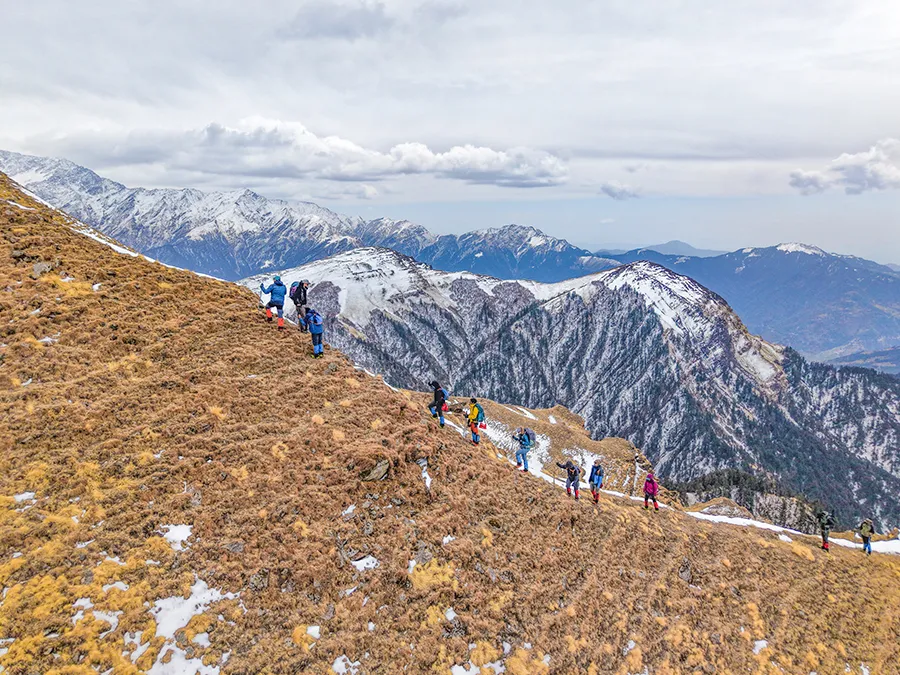 Easy-ModerateSummer, Monsoon, Autumn
Ali Bedni Bugyal Trek
The Ali Bedni Bugyal Trek is often described as one of the most beautiful meadow treks in India, but that description still falls short of what you actually experience here.This journey through the Garhwal Himalayas is not defined by a single highlight, but by a continuous unfolding of landscapes – dense forests, hidden villages, vast meadows, and towering Himalayan peaks that seem to follow you at every step.What begins as a quiet forest trail gradually transforms into something far more expansive. As you step out of the thick oak and rhododendron forests, the world suddenly opens up into Ali Bugyal – a massive, rolling meadow where the sky feels closer and the mountains feel within reach.Further ahead lies Bedni Bugyal, equally breathtaking, yet more serene – home to the sacred Bedni Kund, where mythology, nature, and silence come together in a way that’s hard to describe but impossible to forget.This is not a trek of extremes, it doesn’t demand technical skills or high endurance. But its just like maximum beauty with minimal technical difficulty. Making it perfect for beginners, nature lovers, and anyone looking to truly experience the Himalayas.Quick Facts About Ali Bedni Bugyal TrekTrek Duration: 6 Days / 5 Nights (Rishikesh to Rishikesh)Maximum Altitude: 12,300 ft (Bedni Bugyal)Base Camp: Lohajung (7,700 ft)Total Trek Distance: ~30-35 kmDifficulty Level: Easy to Moderate (ideal for beginners with basic fitness)Trail Type: Forest trails → alpine meadows → village descentRegion: Garhwal Himalayas, UttarakhandThe Story Behind the MeadowsThe meadows of Bedni Bugyal are not just landscapes, they are deeply woven into the spiritual fabric of Uttarakhand.During the Nanda Devi Raj Jat Yatra, a once-in-12-years pilgrimage, thousands walk these very trails as part of a sacred journey dedicated to Goddess Nanda Devi.It is believed that Bedni Kund reflects not only the mountains but also the intentions of those who stand beside it. Many trekkers find themselves unusually quiet here, not because they have to be, but because the place demands it.There’s something about these meadows, a stillness, a presence, that makes you pause longer than expected.How to Reach Lohajung?The starting point of the Ali Bedni Bugyal Trek is Lohajung, a small Himalayan village in Uttarakhand. Since Lohajung is a remote location, the journey is completed in two stages- first reaching Rishikesh, and then traveling by road to Lohajung.By Air:- The nearest airport is Jolly Grant Airport, DehradunFrom the airport, you can:- Take a taxi to Rishikesh (45-60 minutes)- Stay overnight if arriving lateRishikesh acts as the main assembly point for the trekBy Train:The nearest railway stations are:- Rishikesh Railway Station (limited connectivity)- Haridwar Railway Station (better connectivity from major cities)From Haridwar:Rishikesh is just 20 km away (30-45 minutes by taxi or auto)By Road:Rishikesh is well-connected by road to major cities like:- Delhi (approx. 5–6 hours)- DehradunYou can travel via:- Volvo / private buses- Self-drive or taxi Rishikesh to Lohajung (Base Camp Transfer)Distance: ~250 kmTravel Time: 10-12 hours (mountain roads)Route: Rishikesh → Devprayag → Rudraprayag → Karnaprayag → LohajungHimtrek Transport (Recommended)Pickup Point: Natraj Chowk / Tapovan, RishikeshPickup Time: 6:30 AM (Day 1)Shared vehicles arranged by Himtrek (optional add-on)This is the most convenient and reliable option, especially for first-time trekkers.Ali Bedni Bugyal Trek Package by Himtrek – ₹9,999At Himtrek, we don’t just offer a trek – we deliver a complete Himalayan experience with safety, comfort, and local expertise at its core.This package is thoughtfully designed to ensure that you focus only on the journey, while we take care of everything else, from logistics to on-ground support.Why This Package is Worth It?- Beginner-friendly trek with maximum scenic reward- Professionally managed by experienced Himtrek team- Perfect balance of comfort + adventure- Ideal for solo travelers, groups, and corporate teamsIf you’ve been waiting for the right Himalayan trek to start your journey, this is it.Join Himtrek on the Ali Bedni Bugyal Trek and experience endless meadows, powerful mountain views, and a journey you’ll remember for years.Contact us and book your unforgettable journey with us.
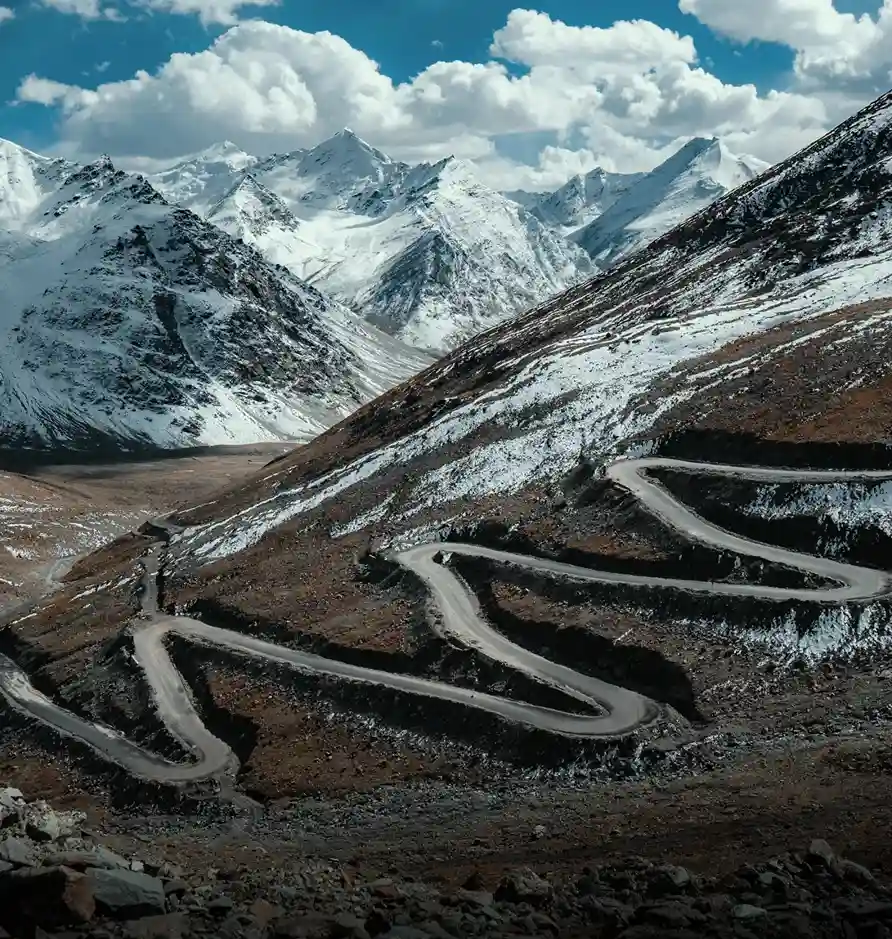 EasySummer, Monsoon, Autumn
Shinkula Pass Road Trip
Some journeys are planned. Others stay with you. The Shinkula Pass Road Trip falls into the second category.This is not just another mountain getaway where you tick off places and come back. This is a journey that slowly pulls you away from the familiar and introduces you to landscapes that feel almost unreal. It begins in the chaos of Delhi, moves through the comfort of Manali, and then – without warning – drops you into a completely different world.A World where greenery fades into rugged brown mountains. Where roads are no longer smooth highways but raw tracks carved through centuries-old terrain. Where silence is louder than noise, and the sky feels closer than ever before.As you cross into Lahaul through the Atal Tunnel, the transformation is immediate and dramatic. And as you continue further toward Darcha and beyond, civilization begins to thin out. What replaces it is something far more powerful – untouched Himalayan wilderness.And then comes the moment. Standing at Shinkula Pass (5,091 meters), surrounded by the vast Zanskar range, you don’t just see mountains – you feel their scale. There’s no crowd, no rush, no distractions. Just you, the wind, and a view that stretches endlessly.This journey is raw, real, and deeply rewarding.If you are looking for comfort, this might challenge you.But if you are looking for something unforgettable – this is exactly where you need to be.Quick Facts About Shinkula Pass Road TripDuration: 6 Days / 5 NightsStarting & Ending Point: Delhi (Majnu Ka Tila / Kashmiri Gate)Maximum Altitude: 5,091 meters (Shinkula Pass)Total Distance Covered: Approx. 1,200+ km (round trip)Region Covered: Delhi → Manali → Lahaul → Darcha → Shinkula Pass → Manali/KulluTerrain Type: Highways + mountain roads + rugged off-road stretchesDifficulty Level: Moderate (due to altitude & long travel hours)Ideal For: Adventure seekers, road trip lovers, photographersAccommodation: Hotels in Manali/Kullu + Camps/Hotels in JispaMeals Included: As per itinerary (Day 2 to Day 5)Best Time to Visit: May to OctoberNetwork Connectivity: Limited beyond ManaliTemperature Range: 25°C to sub-zero (depending on location & time)Price: ₹13,999 per personWhy Shinkula Pass Road Trip is Special- Covers a rare and offbeat route toward the Zanskar gateway- Offers a dramatic shift from green valleys to cold desert landscapes- Combines road adventure, culture, and scenic beauty- Takes you to high-altitude terrain above 5,000 meters- Includes both exploration and relaxation experiencesBest Time to do Shinkula Pass Road TripMay to June: Snow views with accessible roadsJuly to September (Best Time): Stable weather and smooth travelLate September to October: Clear skies, fewer crowds, colder weatherNovember to April: Not accessible due to snowfallHow to Reach Delhi (Majnu ka Tilla)?The trip begins from Delhi, which is easily accessible from all parts of India.Reporting Point: Majnu Ka Tila / Kashmiri GateReporting Time: Around 6:00 PM (Day 1)By Air:Nearest Airport: Indira Gandhi International Airport (Delhi)Take a cab or metro to reach the boarding point (45–75 mins approx.By Train:Nearest Stations: New Delhi, Old Delhi, Anand ViharEasily connected via metro or cab to the reporting locationBy Bus:ISBT Kashmiri Gate is itself a reporting pointWell connected with nearby citiesBy Road:Directly reachable via car or cab if you’re in Delhi NCRImportant Notes:Reach at least 30–45 minutes before departureCarry valid ID proofKeep essentials handy for overnight Volvo journeyShinkula Pass Road Trip PackageThe Shinkula Pass Road Trip package is designed to offer a complete high-altitude experience while keeping the journey smooth and well-managed.This Shinkula Pass Road Trip package takes you from the plains of Delhi to the remote landscapes of Lahaul and all the way up to the 5,091m summit of Shinkula Pass – covering one of the most offbeat and rewarding routes in the Himalayas.
 EasyAutumn
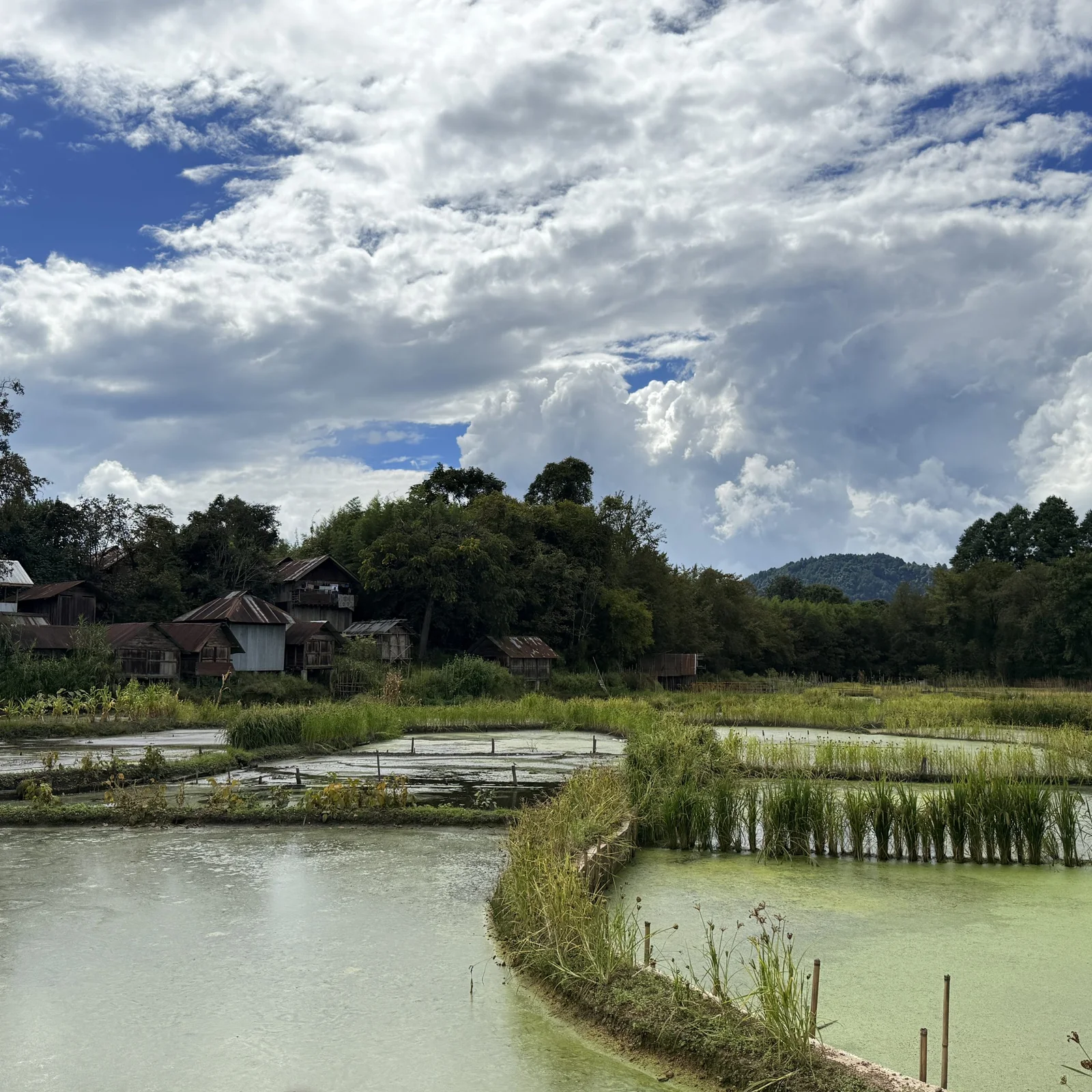
Ziro Music Festival 2026
Ziro Festival of Music, founded in 2012, is one of India’s most celebrated eco-friendly outdoor music festivals, held amidst the breathtaking landscapes of Ziro Valley, Arunachal Pradesh. Built on the values of passion, sustainability, community, and cultural diversity, the festival brings together indigenous artists from Northeast India alongside acclaimed independent musicians from across India and around the world. Over the years, it has grown into a unique cultural experience where music, nature, and heritage come together in perfect harmony.What sets the festival apart is its strong commitment to sustainability. Almost the entire festival infrastructure—including its iconic stages—is handcrafted using locally sourced bamboo and wood by skilled Apatani artisans. The festival follows a zero-plastic policy, promotes composting and waste management, uses biodegradable serving materials, and encourages visitors to carry reusable water bottles. Every effort is made to preserve the pristine beauty of Ziro Valley while creating an unforgettable festival experience.Beyond music, the Ziro Festival plays an important role in empowering the local community. It creates employment opportunities, provides skills training for local youth, supports traditional artisans, and promotes cultural exchange through workshops, outreach programmes, and collaborations with the Apatani community. More than just a music festival, Ziro has become a symbol of responsible tourism, celebrating the rich heritage of Northeast India while fostering creativity, inclusivity, and environmental conservation.Quick Facts :Duration: 6 Days / 5 NightsStarting Point: GhuwatiMusic: Indian & international independent artistsTheme: Sustainability, community, and cultural diversityZiro Music Festival: Get ready for India’s Best Music FestivalIntroduction: Ziro Music FestivalUnique independent music outdoor music festival in the beautiful Ziro valley in Arunachal Pradesh, attracting music lovers, nature lovers, photography lovers, and adventure sports lovers, for a music-soaked weekend in this Himalayan Eastern Indian village.Ziro Music Festival is an annual music festival in Ziro valley which takes place every year for four-days, attracting art lovers, rock music lovers, and adventure sports lovers from all over the country to come and enjoy the music in the natural beauty of Ziro valleyWhether it’s independent, folk, electronic, or alternative music, Ziro 2023 Music Festival has something unique for everyone.Overview: Ziro Music FestivalZiro Music Festival is a unique combination of food, camping, art, and music that offers an incredible opportunity for all music lovers to experience the best independent, folk, electronic, and alternative music artists in the most enchanting landscapes for an extraordinary music adventure.An amazing opportunity for all music lovers to explore all independent music genres in the valley of ZiroWhat to expect at Ziro Music Festival?• Authentic local cuisine• Live independent, rock, folk, electronic, and alternative music performances• Workshops• Camping experiences• Art installations• Interacting with locals• Nature trails in the valley, and many more!Explore Ziro Valley: Adventure tourism destinationThe natural charm, pleasant climate, and biodiversity of Ziro valley in Arunachal Pradesh, along with tribal cultures, make it an exciting destination for nature and wildlife lovers, as well as music and festival lovers. However, apart from the Ziro Music festival, Ziro valley has plenty of adventure tourism activities for nature lovers like trekking and exploring tribal villages, etc. Thus, Ziro valley adventure tourism destination offers an exciting array of adventure tourism activities along with an amazing music fest, making it a must-visit destination for nature lovers who seek thrilling adventures with a pinch of music.Ziro Music Festival: Independent music meets spectacular landscapesSince its inception, Ziro Music festival has been promoting independent music and showcasing the best of rock, electronic, folk, and alternative music artists in the country and beyond. Over the years, Ziro Music festival has drawn some of the most elusive and talented rock, folk singers, poets, music collectives, and DJ’s from India and abroad to perform at this unique music festival, offering the audiences a treat of diverse music genres from all over the world.Camping & More: Enjoy the ultimate music festival experienceCamping is an integral part of this exciting annual music festival that you must experience at least once in your life. Imagine waking up to the fresh morning air, having fun, listening to music, dancing, and camping under the starry sky. Here are some reasons why you should consider camping at the Ziro Music Festival:• Outdoor camping in the pristine wilderness• Local and international cuisine• Shopping at local craft markets• Excellent photo opportunities• Connect with other music lovers and interact with locals• A safe environment to enjoy the fest with family and friendsPlan your adventure: How to reach Ziro for Ziro Music FestivalHere are some essential details to consider while finalizing your travel plans to witness the Ziro valley music festival:Accommodation: As most visitors tend to fly or drive to Ziro for the music festival, it is recommended to book your hotel or camping spot well in advance due to the popularity of this unique adventure music festival.Ziro festival pass: A Ziro festival pass is mandatory to enter the music festival.Travel Itinerary: It is advised to finalize your travel itinerary to Arunachal Pradesh well in advance so that you have ample time to reach Ziro valley before the festival commences.Travel rules: Since Arunachal Pradesh is a protected state, there are certain travel restrictions and permits required to enter this beautiful Himalayan state.Wear suitable clothing: Since Ziro valley is located in the mountainous region of Arunachal Pradesh, it is essential to carry warm clothing and other necessary gear for camping and adventure activities.Why attend Ziro Music Festival?As one of India’s most prominent adventure festivals, Ziro Music festival offers a unique blend of spectacular landscapes, tribal experiences, and music genres like rock, folk, electronic, and alternative music, making it a must-visit annual adventure for music lovers, culture enthusiasts, and nature lovers alike. No wonder why Ziro Valley Music Festival draws thousands of adventure tourism enthusiasts, solo travelers, family travelers, and group of friends every year.Conclusion: Ziro Music FestivalCome and experience the best independent music festival in India! Have fun and interact with other music lovers while exploring the adventure sports, music, culture, and scenic beauty of Arunachal Pradesh.
 EasyWinter
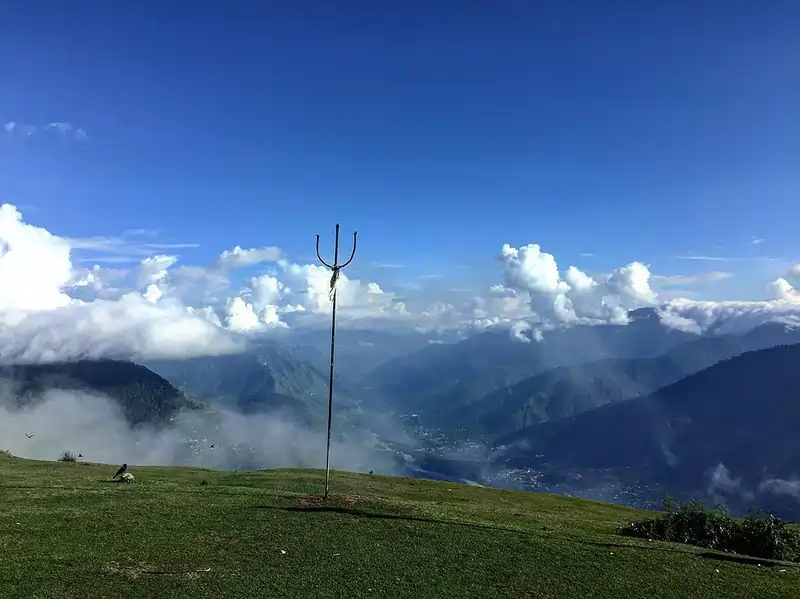
Bijli Mahadev trek Kullu
The Bijli Mahadev trek, nestled in the serene Kullu Valley of Himachal Pradesh, India, is a captivating adventure that offers breathtaking views and a glimpse into the region’s cultural heritage.This moderately challenging trek begins from the quaint village of Kinja and ascends through lush pine forests, terraced fields, and charming hamlets.As trekkers make their way up, they are rewarded with panoramic vistas of the surrounding peaks and valleys. The trek culminates at the Bijli Mahadev Temple, perched at approximately 8,070 feet. This ancient temple, dedicated to Lord Shiva, is renowned for its unique tradition where lightning strikes the temple’s spire, shattering it into pieces that are later repaired by the temple priests.The Bijli Mahadev trek is not just a physical journey but also a spiritual one, as it provides trekkers with an opportunity to connect with nature and experience local traditions. The best time to embark on this trek to experience snow is between December and February when the region receives snowfall and the surroundings of the temple become all white covered with a snow blanket.Overall, the Bijli Mahadev trek is a perfect blend of adventure, spirituality, and natural beauty, making it an ideal choice for those seeking a unique trekking experience in the Himalayas.Quick Facts:-Region: Kullu, Himachal PradeshStart/ End Point of the Trek: Kinja VillageDuration: 1DBijli Mahadev Trek Height: 8,070 feet Bijli Mahadev Trek Difficulty Level: Moderate Bijli Mahadev Trek Temperature: Day: (-5°C to 5°C) and Night: (-20°C to -10°C) Best Time to do Bijli Mahadev Trek: December to FebruaryHow to Reach?The Bijli Mahadev Trek starts from Kinja Village in Kullu. To reach Kullu, you can choose from any of the following transport options- By Road:Regular buses (both government and private) operate from Delhi, Chandigarh, and other nearby cities to Kullu. Himachal Pradesh Tourism Development Corporation (HPTDC) and Himachal Road Transport Corporation (HRTC) offer comfortable Volvo and semi-sleeper buses.By Train:The nearest broad-gauge railway station is Chandigarh Railway Station, about 270 kilometers from Kullu. From Chandigarh, you can take a bus or hire a taxi to reach Kullu. The drive takes around 7-8 hours. Another option is Kalka and Joginder Nagar railway station but they are less preferred due to limited connectivity. By Air:The nearest airport is Kullu-Manali Airport (Bhuntar Airport), located about 10 kilometers from Kullu town. You can hire a taxi or take a local bus from Bhuntar Airport to Kullu. The ride takes about 20-30 minutes.More Trek in Himachal Pradesh:-Hanuman Tibba ExpeditionKanamo PeakYunam Peak ExpeditionFor More Visit HimtrekBest stays in Himachal Pradesh:-Neemarise Hotel by Himtrek Stays, KazaDoghari chalets by Himtrek StaysKosen Rufu By HimTrek Stays
 ModerateSummer, Monsoon
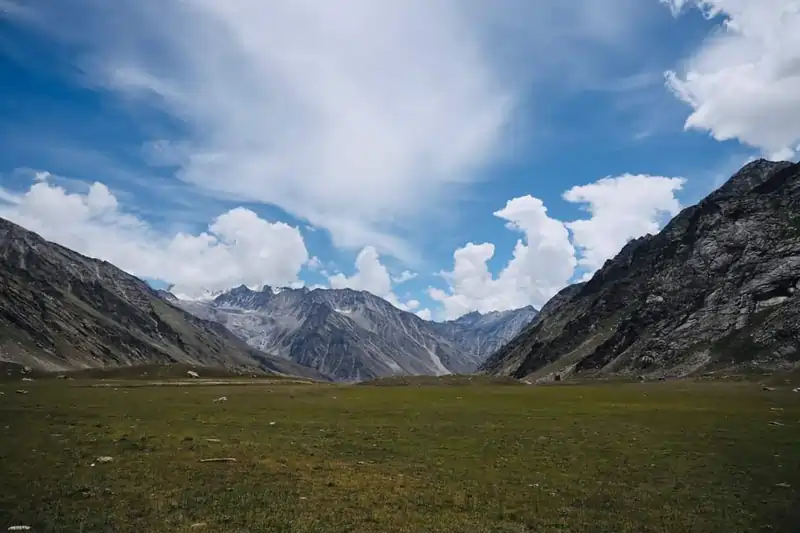
Miyar Valley Trek
The Miyar Valley trek, often hailed as one of the hidden gems of the Himalayas, is a captivating journey through the untouched and serene landscapes of the Lahaul-Spiti region in Himachal Pradesh, India.Known as the “Valley of Flowers of Himachal,” this trek takes trekkers through a mesmerizing tapestry of natural beauty that changes dramatically with every step. As the trek progresses, the landscape becomes more diverse and enchanting. The path winds through ancient villages like Shukto, Khanjer, and Udaipur, where time seems to have stood still, and the traditional wooden houses blend seamlessly with the surrounding environment.Trekkers pass through dense forests of birch, pine, and juniper, where the sunlight filters through the leaves, creating a dappled effect on the forest floor. The Miyar Valley is also known for its unique rock formations, some resembling natural sculptures carved by centuries of wind and water. One of the most magical aspects of the Miyar Valley trek is the abundance of glacial streams and rivers that crisscross the valley.The crystal-clear waters from the Miyar Glacier sparkle in the sunlight as they rush down to join the larger rivers below. These streams are often accompanied by lush patches of wildflowers, creating picturesque spots that seem straight out of a fairy tale. Throughout the journey, the Miyar Valley trek offers a sense of solitude and peace that is rare in more frequented trekking routes.The valley’s remoteness ensures that the natural beauty remains unspoiled, allowing trekkers to immerse themselves fully in the grandeur of the Himalayas. For adventure enthusiasts, photographers, and nature lovers, this trek is a dream come true, offering an unforgettable experience in one of the most beautiful and pristine corners of the world.For More Treks Visit HimtrekKnow More about Miyar Valley at WikipediaQuick Facts: Region: Lahaul-Spiti, Himachal PradeshStart/ End Point of the Trek: ManaliDuration: 8D/7NMiyar Valley Trek Height: 13,202 feet Miyar Valley Trek Difficulty Level: ChallengingMiyar Valley Trek Temperature: Day: (5°C to 15°C) and Night: (-10°C to 0°C) Best Time to do Miyar Valley Trek: June to SeptemberHow to Reach?The Miyar Valley Trek starts from Manali. To reach there, you can choose from any of the following transport options-By Road:The quickest and most economical way to get to Manali. Manali is accessible by road from several locations, including Delhi (540 km), Chandigarh (305 km), Dehradun (227 km), and Ambala (370 km). By Train:The closest railway station to Manali is Jogindernagar. Other train routes to Manali include those through Chandigarh and Ambala.By Air:The nearest airport is Bhuntar Airport, 10 km from Manali. Cabs and local buses are easily available from Bhuntar to Manali.
 ModerateWinter
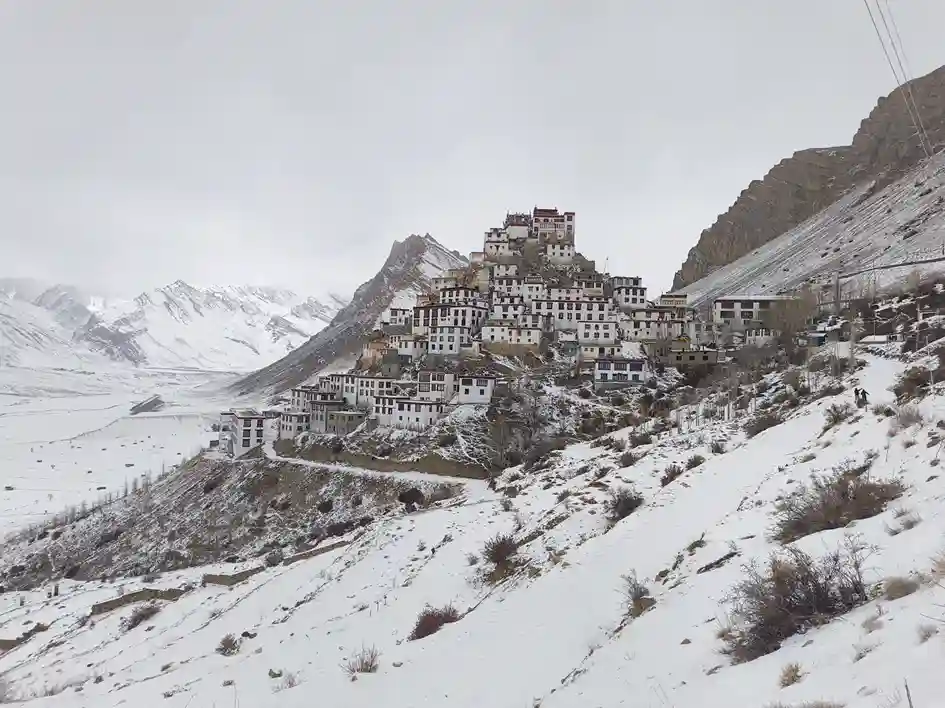
Winter Spiti Road Trip
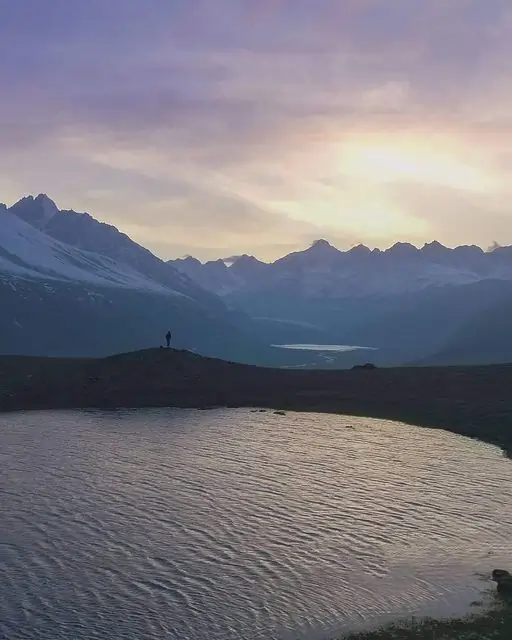
A winter road trip to Spiti Valley from Shimla offers a breathtaking journey through some of the most remote and stunning landscapes in the Indian Himalayas.The route, typically open during winter via the Shimla-Kinnaur-Spiti axis, allows travelers to experience the raw beauty of snow-clad mountains, frozen rivers, and desolate high-altitude deserts. Passing through charming villages like Kalpa, Nako, and Tabo, you’ll encounter ancient monasteries, rugged cliffs, and panoramic views of the snow-covered valleys. The road trip is adventurous, as icy roads and challenging conditions add to the thrill, but the serene beauty, quietude, and cultural richness of Spiti make it unforgettable. The journey culminates in Kaza, the heart of Spiti, where you can explore attractions like Key Monastery and witness life in one of the coldest inhabited regions of India. Driving through the winter months adds an extra layer of adventure, as roads may be slippery with snow and ice, and the temperature can plummet to sub-zero levels. However, the rewards are immense: Spiti’s stark beauty is enhanced by the quietude that comes with winter, as the valley receives fewer tourists during this time, offering an undisturbed connection with nature. Though the journey is challenging, with limited accommodation and basic facilities in many areas, the sense of isolation and the stunning winter landscapes make it an unforgettable road trip. Travelers are rewarded with the rare chance to see Spiti’s frozen wilderness, witness vibrant Buddhist festivals in remote monasteries, experience the simple yet resilient lifestyle of the local people, all while traversing some of the most untouched and pristine landscapes in India.Quick Facts: Region: Spiti Valley, Himachal PradeshStart/ End Point of the Trek: Delhi/ShimlaWinter Spiti Road Trip Duration: 8D/7NWinter Spiti Road Trip Height: 14,000 feet Winter Spiti Road Trip Temperature: Day: (-5°C to 5°C) and Night: (-15°C to -5°C) Best Time to do Winter Spiti Road Trip: October to MarchAvailable Network : JioHow to Reach?The Winter Spiti Road Trip has its starting point in Delhi, the capital of the country. To reach Delhi, you can choose from any of the following transport options- By Road – Delhi is very well connected by road with all the major cities of the country. By Train – Delhi has multiple railway stations and almost every other major railway station of the country is connected to Delhi via train. By Air – Delhi has Indira Gandhi International Airport, which is well-connected nationally, and internationally, with frequent flights from all over the world by top airlines.
 ModerateSummer, Monsoon, Autumn
Baralacha La Trek
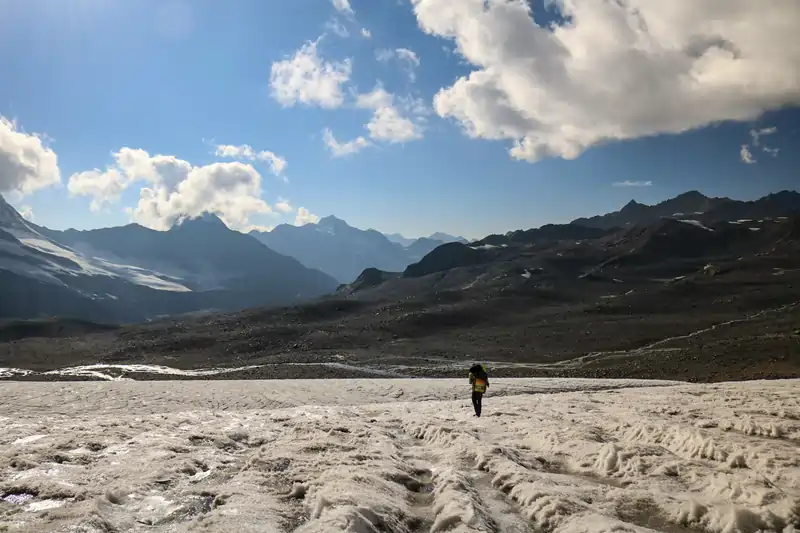
The Baralacha La trek is an adventurous and scenic journey that takes trekkers through some of the most stunning landscapes in the Indian Himalayas.Located in the Lahaul and Spiti region of Himachal Pradesh, this trek offers a unique opportunity to experience the diverse and dramatic topography of northern India. As trekkers ascend towards the Baralacha La Pass, situated at an elevation of about 16,070 feet, they encounter a series of challenging and rewarding conditions. The route passes through alpine meadows, glacial valleys, and rugged mountain paths, offering spectacular views of snow-capped peaks and pristine high-altitude lakes.One of the highlights of the trek is crossing the Baralacha La Pass itself. This high-altitude pass is a significant point in the trek, providing panoramic views of the surrounding peaks and valleys. The pass is known for its harsh weather conditions, with strong winds, low temperatures, and the possibility of sudden snowstorms. Trekkers need to be well-prepared for these conditions, requiring physical stamina and proper acclimatization to handle the high altitude and demanding environment.Overall, the Baralacha La trek is renowned for its challenging nature and rewarding views. It offers a unique blend of natural beauty, cultural experiences, and a sense of adventure, making it a memorable experience for those who are well-prepared and ready to embrace the rugged beauty of the Indian Himalayas.Know More about Baralacha La from WikipediaQuick Facts: Region: Manali, Himachal PradeshStart/ End Point of the Trek: ManaliDuration: 8D/7NBaralacha La Trek Height: 16,070 feet Baralacha La Trek Difficulty Level: ChallengingBaralacha La Trek Temperature: Day: (5°C to 10°C) and Night: (-10°C to -5°C) Best Time to do Baralacha La Trek: June to SeptemberHow to Reach?The Baralacha La Trek starts from Manali. To reach there, you can choose from any of the following transport options- By Road:The quickest and most economical way to get to Manali. Manali is accessible by road from several locations, including Delhi (540 km), Chandigarh (305 km), Dehradun (227 km), and Ambala (370 km). By Train:The closest railway station to Manali is Jogindernagar. Other train routes to Manali include those through Chandigarh and Ambala.By Air:The nearest airport is Bhuntar Airport, 10 km from Manali. Cabs and local buses are easily available from Bhuntar to Manali.More Treks in Manali:-Bhrigu Lake Trek, ManaliManali Winter Expedition
 ModerateMonsoon, Summer
Kalihani Pass Trek
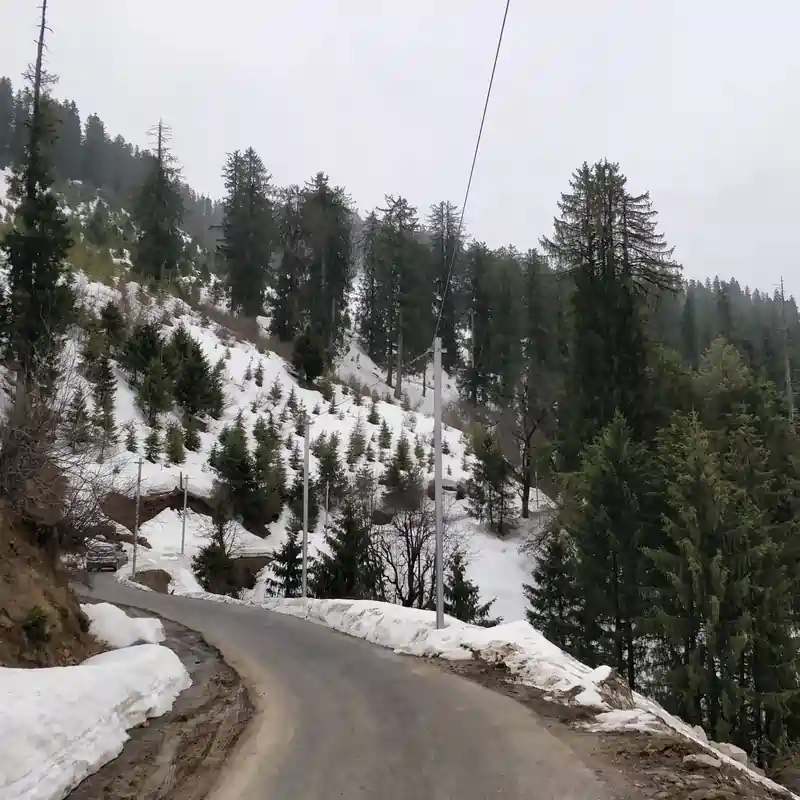
The Kalihani Pass Trek unfolds as a captivating adventure through the majestic Indian Himalayas, revealing a world of untouched natural beauty and awe-inspiring landscapes.The trek takes you to expansive alpine meadows, their green expanse dotted with wildflowers that sway gently in the Himalayan breeze. The trek then leads towards the formidable Kalihani Pass, perched at an altitude of approximately 15,748 feet. Reaching this high point, trekkers are rewarded with sweeping vistas of snow-capped peaks, including the striking Hanuman Tibba and Indrasan, their icy faces gleaming in the sunlight against the deep azure of the sky.The trek is a challenging yet rewarding journey, during which trekkers navigate steep ascents and descents, crossing high-altitude lakes that mirror the grandeur of the peaks above. Each turn of the trail offers new and breathtaking perspectives of the Himalayas, from tranquil glacial lakes to the rugged, untouched terrain. The Kalihani Pass Trek stands out as a hidden gem of the Indian Himalayas, promising an unforgettable experience for those seeking to immerse themselves in the raw and majestic splendor of this remote and enchanting region.Quick Facts: Region: Manali, Himachal PradeshStart/ End Point of the Trek: ManaliDuration: 8D/7NKalihani Pass Trek Height: 15,748 feet Kalihani Pass Trek Difficulty Level: Moderate to challengingKalihani Pass Trek Temperature: Day: (10°C to 15°C) and Night: (-5°C to 5°C) Best Time to do Kalihani Pass Trek: June to SeptemberHow to Reach?The Kalihani Pass Trek starts from Manali. To reach there, you can choose from any of the following transport options- By Road:The quickest and most economical way to get to Manali. Manali is accessible by road from several locations, including Delhi (540 km), Chandigarh (305 km), Dehradun (227 km), and Ambala (370 km). By Train:The closest railway station to Manali is Jogindernagar. Other train routes to Manali include those through Chandigarh and Ambala.By Air:The nearest airport is Bhuntar Airport, 10 km from Manali. Cabs and local buses are easily available from Bhuntar to Manali.More treks in Himachal Pradesh:-Kasol Kheerganga TrekBaralacha La TrekWinter Trek In Bir BillingSearch more Treks in HimtrekFor Best Stays in Himachal Visit Himtrek Stays
 EasySpring, Monsoon, Autumn, Summer
Forest Walk In Jibhi
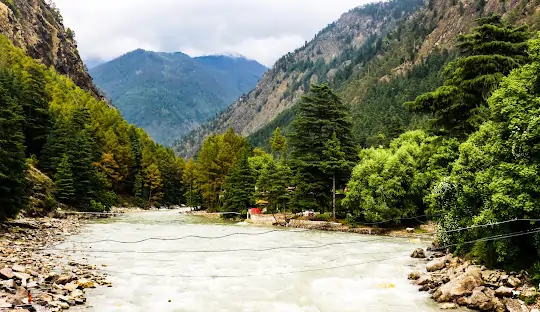
A forest walk in Jibhi, paired with an immersive camp stay, is a journey into one of Himachal Pradesh’s most pristine and untouched natural landscapes. Jibhi, a quaint village tucked away in the Tirthan Valley, is a hidden gem that offers an authentic slice of Himalayan tranquility.The forest walk leads you through a captivating environment where towering deodar and pine trees create a natural canopy, and the forest floor is adorned with a rich carpet of ferns, wildflowers, and moss.As you tread along the winding paths, the symphony of chirping birds and the gentle rustle of leaves accompany you, creating a peaceful atmosphere that soothes the soul. The trail often meanders alongside sparkling streams and hidden waterfalls, providing opportunities to pause and appreciate the untouched beauty of the region. You might even encounter local wildlife, from playful squirrels to the occasional sighting of Himalayan birds, adding to the sense of being in a living, breathing ecosystem.After a day of exploration, the campstay offers a perfect retreat where nature takes center stage. In essence, a forest walk in Jibhi with a camp stay is more than just a getaway; it is a holistic experience that blends adventure, relaxation, and the raw beauty of nature. It provides a much-needed escape from the chaos of daily life, offering a chance to slow down, breathe deeply, and immerse oneself in the simple, yet profound pleasures of the natural world.Quick Facts: Region: Tirthan Valley, Himachal PradeshStart/ End Point of the Trek: JibhiDuration of Forest Walk In Jibhi Trek: 2D/1NJibhi Height: 5,250 feetJibhi Temperature: Day: (10°C to 20°C) and Night: (5°C to 15°C) Best Time to take a Forest Walk in Jibhi: March to NovemberHow to Reach?To reach Jibhi, you can choose from any of the following transport options- By Road:Regular bus services (both government and private) are available from Delhi, Chandigarh and other nearby major cities to Aut or Banjar, the nearest major towns. From Banjar, Jibhi is about 8 km away, and you can hire a taxi or take a local bus.By Train:The closest major railway stations are Chandigarh (approximately 270 km from Jibhi) and Ambala Cantt (about 300 km away). The alternative railway station to Jibhi is Jogindernagar. Other train routes to Jibhi include those through Chandigarh and Ambala. From these railway stations, you can hire a taxi directly to Jibhi or take a bus to Aut or Banjar and then a taxi or local bus to Jibhi.By Air:The closest airport is Bhuntar Airport (Kullu-Manali Airport), located about 60 km from Jibhi. You can hire a taxi directly to Jibhi, which takes about 2 hours.More Treks in Himachal Pradesh:-Chandrakhani Winter ExpeditionWinter Spiti Road TripMore at HimtrekBest Stays in Himachal Pradesh:-Monkey Mud House & Camps, BirHimtrek Stays and Camps JibhiKosen Rufu by Himtrek Stays
 EasySummer, Winter, Spring
Manali Solang Kasol
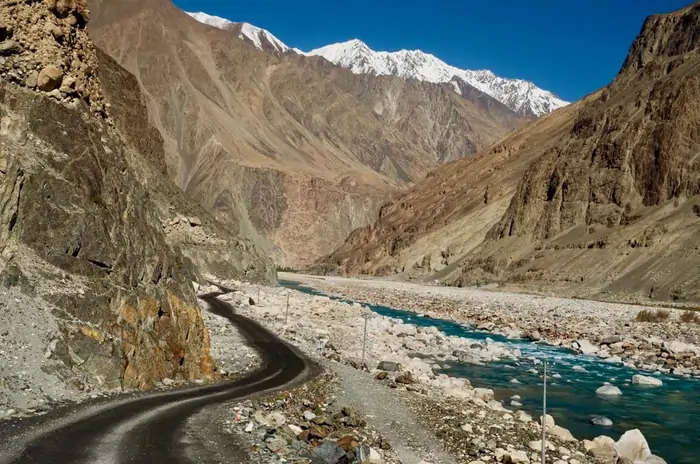
A trip to Manali, Solang Valley, Sissu, and Kasol is one of the unforgettable journeys through the majestic landscapes of Himachal Pradesh, blending adventure, tranquility, and cultural exploration. It begins in Manali, the charming hill station surrounded by snow-capped mountains, lush pine forests, and the serene Beas River.Manali has the iconic Hidimba Temple, nestled in towering cedar trees, and the vibrant Old Manali area, known for its scenic views, cozy cafes, and relaxed vibe. Located just a short drive from Manali, Solang Valley is heaven for the adventurous. Its meadow vistas and towering peaks create a spectacular landscape.This valley is very famous for activities like paragliding, zorbing, and skiing, where its snowy attraction during winter and lush greenery in summer make it a year-round attraction. After Solang, a scenic route would lead towards Sissu village. A pretty place is its description that lies in its tranquil beauty and falls as well as snow-capped ranges that provide wide-ranging panoramas, beyond Atal Tunnel.Kasol, in the beautiful Parvati Valley, has some chill vibes for those who look for serene and soothing cultural experiences. Kasol Market is a very happening place for purchasing handcrafted jewelry, woolen clothes, and souvenirs depicting the local culture.Kasol is also known for its lively cafes, such as Evergreen Café and Café Sunshine, which offer a blend of Israeli, Indian, and international cuisine with a beautiful view of the surrounding mountains.A short walk from Kasol takes you to Chalaal Village, a quaint and peaceful hamlet known for its rustic charm, serene riverside trails, and breathtaking vistas of the Parvati Valley. Truly, Chalaal is a beautiful, quiet place where the heart can breathe life into the beauty of nature.Whether you’re skiing in Solang, marveling at Sissu’s majestic landscapes, shopping in Kasol, or enjoying the peace of Chalaal, this trip promises an unforgettable escape into the heart of Himachal Pradesh’s natural and cultural wonders.Quick Facts of Manali Solang Kasol Trip:Manali Solang Kasol Duration: 4 days/3 nightsBest Time to Visit Manali Solang Kasol: Summer (April–June) for lush greenery and pleasant weather, Winter (November–February) for snowfall and winter sportsKnow more about Manali from WikipediaMore Treks in Manali and Kasol:Bhrigu Lake Trek, ManaliManali Winter ExpeditionKasol Kheerganga TrekKasol Winter TrekHow to reach:The trip starts from Delhi, where the group assembles and gets on an overnight journey to Manali. Delhi is very well connected to the whole country by air, bus, and train, and also well connected internationally.
 ModerateSummer, Monsoon, Autumn
Leh Ladakh Trip
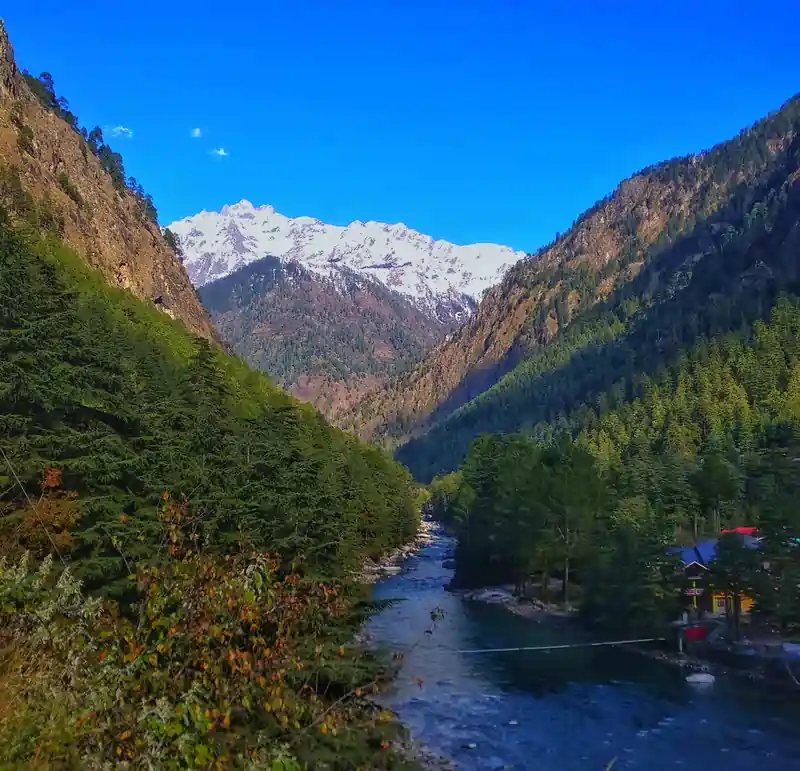
Take an incredible trip through Ladakh’s most famous landscapes to witness its unadulterated beauty. You are encircled by bare mountains, clear air, and a profound sense of tranquility as soon as you arrive in Leh.Following a day of acclimatization, you will see the region’s high-altitude attractions, including the surreal Nubra Valley, which is home to ancient monasteries and undulating sand dunes, after traversing the fabled Khardung La Pass.Discover the culturally vibrant village of Turtuk, a hidden treasure close to the Indo-Pak border, before continuing on via the stunning Shyok Valley to the magnificent Pangong Tso Lake, which is surrounded by rocky peaks and has glistening blue waters.Ladakh offers moments of excitement, peace, and wonder as it unveils a new aspect of its natural and cultural attractiveness at every turn. With a perfect blend of adventure and breathtaking beauty, this experience is certain to leave you with lifelong memories.Quick Facts:Region: Leh-Ladakh, Jammu & KashmirStart/End Point of Leh Ladakh Trip: LehLeh Ladakh Trip with Turtuk Duration: 6D/5NLeh Ladakh Trip Type: Road Trip (with optional bike ride)Maximum Altitude of Leh Ladakh Trip: 17,982 ft (Khardung La Pass)Leh Ladakh Trip Difficulty Level: ModerateBest Time to Visit Leh Ladakh Trip: May to SeptemberHow to reach Leh Ladakh Trip (Leh)?The trip starts from Leh. Leh is well-connected to major cities in India via air, road, and rail. Here’s how you can reach there using different modes of transport:By Air: Air travel is the quickest and most convenient way to get to Leh. Leh’s Kushok Bakula Rimpochee Airport (IXL) has excellent connections to Delhi, Mumbai, Srinagar, and Chandigarh, among other important Indian cities.By Road: A road journey to Leh is the best way for adventurers to discover the Himalayas. There are two primary routes:The approximately 472-kilometer journey from Manali to Leh, which is open from June to October, offers breathtaking scenery, high mountain passes like Rohtang and Baralacha La, and an authentic sense of adventure.Srinagar to Leh (about 434 km): This route, which runs through charming towns like Sonamarg, Drass, and Kargil, is a little lighter in terms of altitude increase and is open from May to November.By Train: There isn’t a train station in Leh. About 700 kilometers away, Jammu Tawi is the closest major train station. To get to Leh from Jammu, passengers can take a bus or taxi via Srinagar. Even if it takes longer, this is a fantastic choice for travelers who like to see more of Jammu & Kashmir.
 EasySummer, Autumn, Monsoon
Kasol Kheerganga Trek from Delhi
The Kasol-Kheerganga region, nestled in the Parvati Valley of Himachal Pradesh, is a haven for tourists looking for peace, excitement, and unspoiled natural beauty. A popular destination for backpackers from all over the world, Kasol is a charming town tucked away along the banks of the Parvati River.Encircled by thick pine forests and breathtaking mountain vistas, it provides the ideal balance of tranquil seclusion and lively local culture. Its relaxed pace, welcoming residents, and riverbank cafes make it the perfect spot to relax and get back in touch with nature. From Kasol, it’s a short hike to the secret town of Chalaal, a peaceful area renowned for its rustic appeal and roads bordered by forests. The serene stroll among tall deodar trees, accompanied by the sound of the river, is very relaxing. For anyone seeking to venture even farther into the wilderness, the Kheerganga route provides an exhilarating and fulfilling getaway.You are surrounded by the sights and sounds of nature as you make your way through old forests, past waterfalls, and across wooden bridges. At the top is Kheerganga, a picturesque meadow surrounded by snow-capped mountains. Travelers can soak in the region’s well-known natural hot springs while admiring the expansive sky and wooded hillsides.Time seems to slow down there, the air is lighter, and connecting with nature is easier. Rich in culture, tranquility, and the silent enchantment of the mountains, the Kasol-Kheerganga region offers an unparalleled Himalayan experience, whether you’re looking for spiritual serenity, breathtaking scenery, or a little adventure.Quick Facts:Region: Parvati Valley, Himachal PradeshStart/End Point of Kasol Kheerganga Trek from Delhi: DelhiDuration of Kasol Kheerganga Trek from Delhi: 5D/4NTrek Distance: 12 km (Kheerganga Trek)Kasol Kheerganga Trek from Delhi Difficulty Level: Easy to ModerateBest Time to Visit Kasol Kheerganga Trek from Delhi: April to June and September to NovemberHow To Reach?The trip starts from Delhi, where the group assembles and gets on an overnight journey to Kasol. Delhi is very well connected to the whole country by air, bus, and train, and also well connected internationally.
 ModerateSummer, Monsoon, Autumn
Rupin Pass Trek
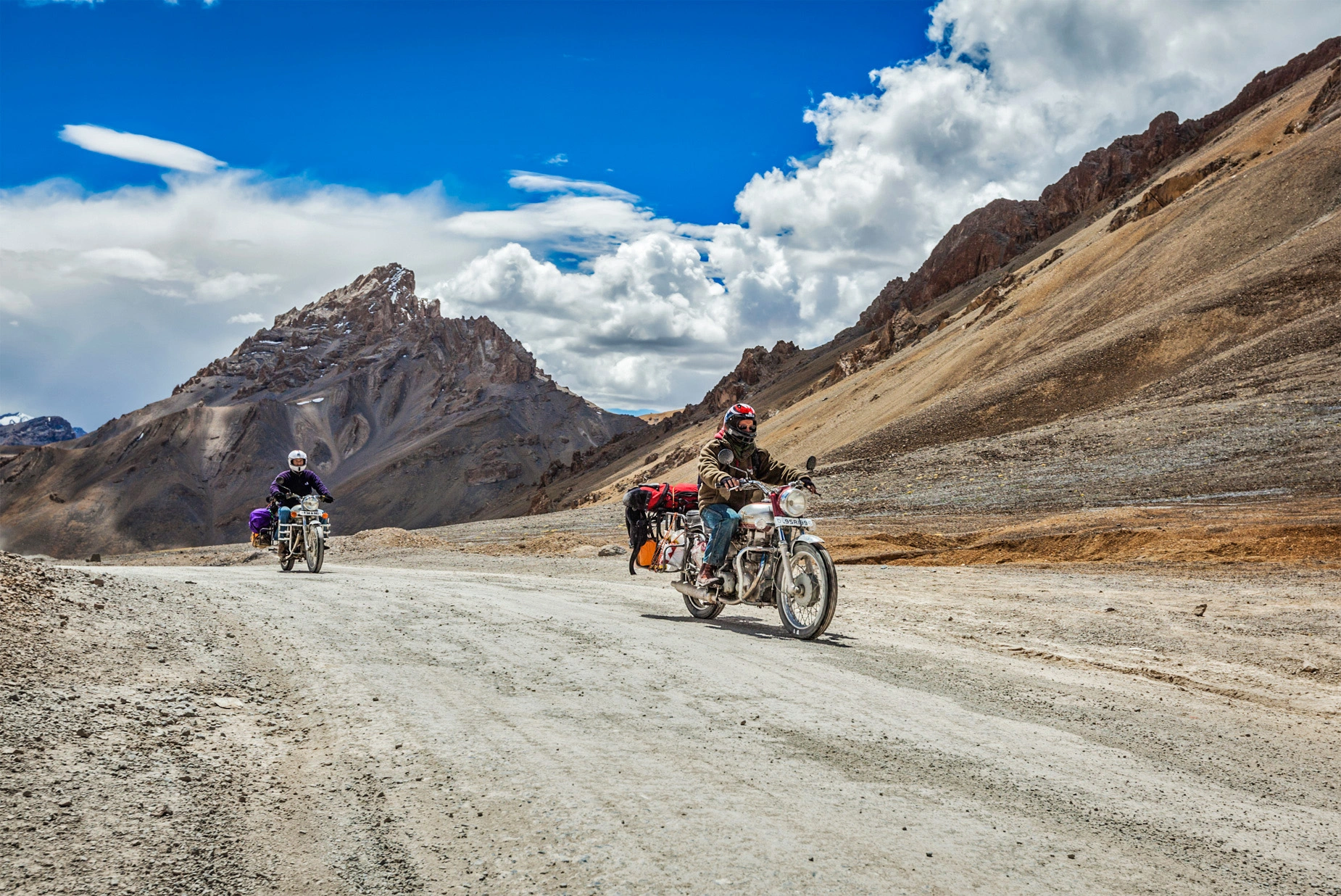
High above the valleys and forests, the Rupin Pass Trek reveals a side of the Himalayas that a few get to see. Starting from the serene village of Jiskun in Himachal Pradesh, and ending at the beautiful Sangla Valley, this trek offers a perfect blend of challenge and natural beauty. The Rupin Pass stands tall at an impressive 15,279 ft elevation, making it one of the most exciting high-altitude treks in the region.Covering a trek distance of around 33.7 km over 6 days, each day on the trail brings a fresh view, a new challenge, and moments that stay etched in memory. Along the way, you walk through thick forests, green meadows, rocky paths, and snowy slopes. Trekkers walk through offbeat villages like Jakha and camp near the majestic Rupin Waterfall at a campsite, Dhanderas Thatch, that feels like a dream. One of the most thrilling highlights is the steep climb to Rupin Pass, where you may cross snow bridges in summer or rocky trails in autumn. The view from the top, with the Himalayas all around, is nothing short of magical. This trek is a complete Himalayan experience. It combines stunning visuals, adventure, and the calm of untouched mountain life. Ideal for those with prior trekking experience and good fitness, the Rupin Pass Trek promises a challenge and a reward like no other.Quick Facts about Rupin Pass TrekTrek Region: Himachal PradeshStart/End Point of the Trek: ShimlaRupin Pass Trek Distance: 33.7 kmTrek Duration: 5N/6DRupin Pass Trek Height: 15,250 ftDifficulty Level: Moderate to DifficultNearest Railway Station: Shimla Railway StationNearest Airport: Jubbarhatti Airport, ShimlaLast ATM Point: Rohru (before Jiskun)Mobile Network: Intermittent (BSNL and Jio at a few points)Trek Distance Per Day: Varies between 2.4 km-11.9 kmsBest Time to Do Rupin Pass TrekThe best time for Rupin Pass Trek is from late May to early July and then from mid-September to mid-October. These windows offer the best mix of clear weather, scenic beauty, and manageable trail conditions.Summer Season: Late May to Early JulyTrail Conditions: Snow bridges, melting ice, and blooming meadows.Scenery: Snow-capped peaks, lush forests, and thundering waterfalls.Day Temperature: 12°C to 18°CNight Temperature: 0°C to 7°CThis is when the trek looks magical. Snow is still present in higher sections, especially near Rupin Pass and the famous waterfall zone. Trekkers get to cross icy patches and sometimes even a snow bridge right beneath the waterfall. Forests are green, and the air feels crisp and fresh.Autumn Season: Mid-September to Mid-OctoberTrail Conditions: Dry, rocky, and more stable; little to no snow.Scenery: Golden forests, clear skies, and sharp mountain views.Day Temperature: 10°C to 16°CNight Temperature: -2°C to 5°CThis is the best time for clear mountain views. The skies are mostly cloudless, and the trail becomes more rugged. Nights get colder, especially near the higher camps like Upper Waterfall and Ronti Gad. This time is great for trekkers who enjoy a chilly, dry adventure without worrying about slippery snow.Note: The Monsoon Season (July to early September) is not recommended due to frequent landslides, leeches, and risky trail conditions.How to Reach Rupin Pass Trek Basecamp?The basecamp for the Rupin Pass Trek, Jiskun, involves a combination of travel modes. Whether you are coming from Delhi, Chandigarh, or other major cities, here’s how you can plan your journey to this remote Himalayan village:By Flight:Nearest Airport: Shimla Airport (Jubbarhatti) – approx. 210 km from JiskunAlternative Airport: Chandigarh International Airport – approx. 301 km from JiskunTip: Shimla Airport has limited connectivity, mostly from Delhi. A better option is Chandigarh, which is more reliable and has frequent flights from all major cities.From Shimla or Chandigarh, you hire a cab or take a local/shared taxi for Rohru, and then for Jiskun.By Train:Nearest Railway Station: Shimla Railway Station – approx. 190.4 km from JiskunMajor Nearby Railhead: Kalka Railway Station – approx. 265 km from JiskunIf you are coming by train, Kalka is the most convenient broad-gauge station. From Kalka, you can:Take the famous Kalka – Shimla toy train (5-6 hrs)Or hire a cab to reach Shimla directly (3-4 hrs by road)From Shimla, follow the same road route to Jiskun.By Bus:Nearest Major Bus Stand: Shimla ISBT – approx 194 km from JiskunYou can find regular HRTC buses to Rohru from Shimla. However, buses beyond Rohru are limited. From Rohru, the route to Jiskun is remote and mostly serviced by shared taxis or private jeeps.Rupin Pass Trek PackagePlanning a high-altitude adventure like Rupin Pass requires good preparation, and a reliable trek package ensures you get the best experience without the stress of logistics. For 5 Nights/6 Days, Rupin Pass Trek Cost: Rs. 18,000/-Kindly review the Terms and Conditions before proceeding with your booking.Looking to explore more adventures? Here are the top treks in Himachal Pradesh that promise stunning views and unforgettable experiences:Indrahar Pass Trek, MacleodGanjSar Pas TrekBuran Ghati TrekAlso, you can explore Him Trek’s top stays in Himachal while travelling to your favourite destinations.
 ModerateAll Season
Manali Leh Bike Trip from Delhi With Hanle & Umling la
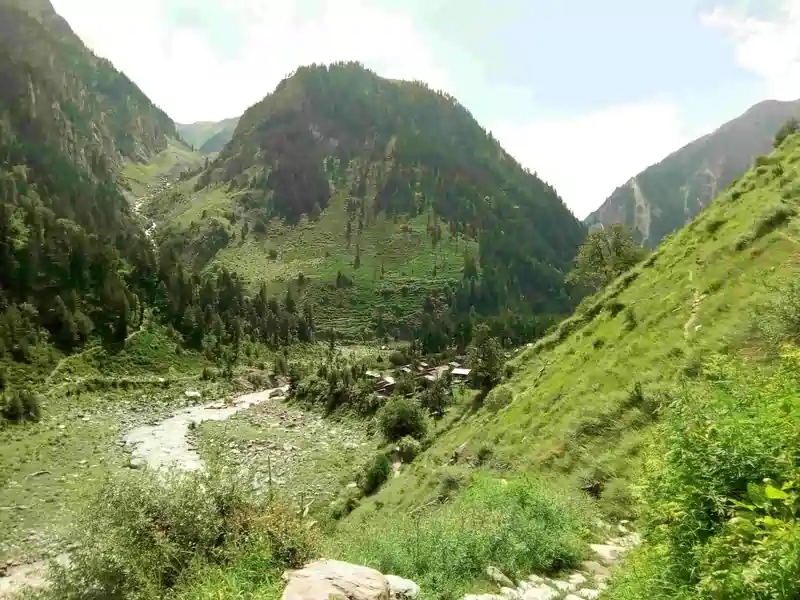
Some roads are just roads. But the Manali Leh Bike Trip? It’s a story you will tell for life.This Manali Leh Bike Trip from Delhi isn’t just about the destination – it’s about every twist of the throttle, every breath of thin mountain air, and every jaw-dropping moment you never saw coming.Your adventure kicks off with an overnight Volvo from Delhi to the dreamy mountain town of Manali. Day 1 is all about acclimatisation – explore Hidimba Temple, soak in the Vashisht hot springs, and walk the famous Mall Road. But that’s just the warm-up. On Day 2, you saddle up on your Royal Enfield Himalayan 411 CC and the real ride begins.As you hit the legendary Manali–Leh highway on this Manali Leh Bike Trip, feel the rush of conquering epic mountain passes, riding through deep river valleys, and watching the landscape transform from lush green forests to raw, high-altitude desert. Cross the Atal Tunnel, ride alongside the Chandrabhaga River, stop at the stunning Suraj Taal and Deepak Taal, and conquer Baralacha La before arriving in Sarchu under a sky filled with stars.From Sarchu, the journey only gets more extraordinary. Tackle the famous Gata Loops with 21 hairpin bends, cross Nakee La and Lachulung La, pass through the vast More Plains, and climb over Tanglang La before finally rolling into Leh – the jewel of Ladakh. Then ride north over mighty Khardung La to the stunning Nubra Valley, camp beside Pangong Tso’s electric blue waters, and push into the remote wilderness of Hanle.Day 8 is the crown jewel of this Manali Leh Bike Trip from Delhi your ride to Umling La, the highest motorable road in the world at 5,640 meters, standing higher than Everest Base Camp. Nothing quite prepares you for the feeling of reaching the top of the world on two wheels.But this adventure doesn’t stop at Leh. We ride west through Leh’s iconic sights – Thiksey Monastery, Magnetic Hill, Gurudwara Pather Sahib, and Sangam Point – then push on through the dramatic Lamayuru Monastery and the moving Drass War Memorial, before crossing the mighty Zojila Pass and rolling through the golden meadows of Sonmarg to arrive at the beautiful city of Srinagar.This Manali Leh Bike Trip is not just about where you go. It’s about how you feel when you get there – finding silence at 18,000 feet, bonding over dinner around a Sarchu campfire, and realising you are capable of far more than you ever imagined.Gear up, pack light, and let’s ride – the Himalayas are calling.QUICK FACTS ABOUT THE MANALI LEH BIKE TRIPBefore you hit the throttle, here’s a quick look at what this Manali Leh Bike Trip includes:1. Region Covered: Himachal Pradesh, Ladakh & Jammu–Kashmir2. Start Point: Delhi | End Point: Srinagar3. Route: Delhi – Manali – Jispa – Sarchu – Leh – Nubra Valley – Pangong Tso – Hanle – Umlingla – Demchok – Leh – Kargil – Srinagar4. Duration: 12 Nights / 13 Days5. Total Distance: Approx. 2,000 km6. Bike: Royal Enfield Himalayan 411 CC7. Highest Altitude: Umling La – 18,497 ft (5,640 m)8. Difficulty Level: Moderate to Difficult9. Accommodation: Deluxe Hotels, Swiss Camps & Homestays10. Temperature Range: Day: 12°C to 25°C | Night: -5°C to 10°CMajor Passes You Will Conquer: Atal Tunnel, Baralacha La, Nakee La, Lachulung La, Tanglang La, Khardung La, Zojila, and the legendary Umling La – every climb, every hairpin bend, every view is pure Himalayan magic.BEST TIME TO DO THE MANALI LEH BIKE TRIPThe Himalayas welcome riders from June through September. Here’s what each season looks and feels like on this Manali Leh Bike Trip from Delhi:June to July – Snow Meets GreeneryScenery: Snow-capped peaks, semi-frozen high-altitude lakes, and waterfalls cascading down rocky cliffs.Vibe: The perfect season opener – roads freshly open, valleys lush green, snow walls still towering at the passes.Temperature: Day – 12°C to 25°C | Night – 0°C to 10°CThis is the season when the adventure feels most alive. You ride through melting snow walls, cross bridges over rivers in full roar, and experience Manali’s early summer at its finest.Late July to Early September – Ladakh in Raw FormScenery: Dramatic monsoon clouds over barren hills, Ladakh in its most untouched, wild form.Vibe: Fewer crowds, moody skies, and the feeling of riding into a world apart.Temperature: Day – 15°C to 20°C | Night – 5°C to 10°CExpect occasional disruptions in lower stretches near Manali, but once you’re in Ladakh and the upper reaches, it’s a dream ride through dry mountain desert and open skies.Mid-September – Autumn ClarityScenery: Crystal-clear skies, golden-hour light on the peaks, and peaceful landscapes at every turn.Vibe: Quiet roads, extraordinary stargazing, and calm, unhurried riding.Temperature: Day – 10°C to 18°C | Night – -2°C to 8°CPerfect for those who love chilly evenings, fewer fellow travellers, and uninterrupted views of the Himalayas. It’s the favourite season for photographers and peace-seekers alike.Note: Altitude sickness is real. Acclimatise properly in Manali, hydrate often, and listen to your body throughout your Manali Leh Bike Trip.HOW TO REACH MANALIWhile your Manali Leh Bike Trip departs from Delhi, the core adventure begins in Manali. Here’s how you get there:By Air:Nearest Airport: Bhuntar (Kullu) – Approx. 50 km from ManaliAlternative: Chandigarh Airport – Approx. 310 km (more flight options available)By Bus:HRTC and private Volvos run regularly overnight from Delhi, Chandigarh, and nearby cities.By Train:Nearest Railway Station: Chandigarh – Approx. 310 km awayCombine with a bus or private cab to reach Manali.MANALI LEH BIKE TRIP PACKAGEYour 13-day Manali Leh Bike Trip includes Royal Enfield Himalayan bikes, meals, accommodation across hotels and camps, bike permits, inner line permits, mechanical backup, experienced road captains, riding gear, and a medical kit with oxygen cylinder – everything you need for a safe, supported, and unforgettable Himalayan crossing.Kindly review the Terms and Conditions before proceeding with your booking.Explore more unforgettable road trips:Spiti Valley Road TripManali Sissu Road TripAnd if you plan to unwind between adventures, check out Him Trek’s stays across Himachal – perfect for relaxing in the lap of nature.
 DifficultSummer, Monsoon, Autumn
Bara Bhangal Trek
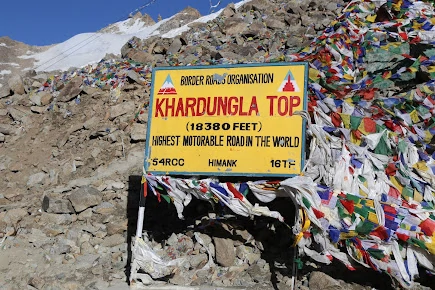
The Bara Bhangal Trek is a distinguished and challenging high-altitude journey in the Indian Himalayas, specifically in the remote and rugged region of Himachal Pradesh. The Bara Bhangal trek takes adventurers through diverse environments, from dense, verdant forests and alpine meadows to barren, windswept high-altitude landscapes. One of the key highlights of the trek is the Bara Bhangal Pass, standing at around 5,000 meters, which poses a significant challenge due to its steep ascents and variable weather conditions.The pass offers panoramic views of the snow-capped peaks and expansive valleys that characterize the region, rewarding trekkers with awe-inspiring scenery. The lengthy and secluded trek involves crossing a high-altitude passes: the Kalihani Pass and Thamsar Pass. After navigating this challenging passes, trekkers descend to the remote village of Bara Bhangal, which is at least a two-day walk from any form of civilization and remains isolated from the outside world for a significant portion of the year.Throughout the journey, trekkers traverse through remote and often uninhabited areas, making it a less-traveled route compared to more popular treks. This isolation provides a unique opportunity to experience the pristine beauty of the Himalayas and the traditional lifestyle of the few mountain communities that dot the landscape. In essence, the Bara Bhangal Trek is not just a physical challenge but also an immersive experience into the heart of the Himalayas, offering both a test of endurance and a chance to witness some of the most spectacular and untouched natural beauty the region has to offer.Quick Facts: Region: Manali, Himachal PradeshStart/ End Point of the Trek: Manali/ Billing-DharamshalaDuration: 11D/10NBara Bhangal Trek Height: 4,875 meters Bara Bhangal Trek Difficulty Level: ChallengingBara Bhangal Trek Temperature: Day: (10°C to 15°C) and Night: (-5°C to 5°C) Best Time to do Bara Bhangal Trek: June to SeptemberHow to Reach?The Bara Bhangal Trek starts from Manali. To reach there, you can choose from any of the following transport options- By Road:The quickest and most economical way to get to Manali. Manali is accessible by road from several locations, including Delhi (540 km), Chandigarh (305 km), Dehradun (227 km), and Ambala (370 km). By Train:The closest railway station to Manali is Jogindernagar. Other train routes to Manali include those through Chandigarh and Ambala.By Air:The nearest airport is Bhuntar Airport, 10 km from Manali. Cabs and local buses are easily available from Bhuntar to Manali.For More Treks Visit HimtrekMore Treks in Manali:-Bhrigu Lake TrekManali Winter ExpeditionHampta Pass With Chandrataal
 ModerateAll Season
Manali Leh Srinagar With Turtuk
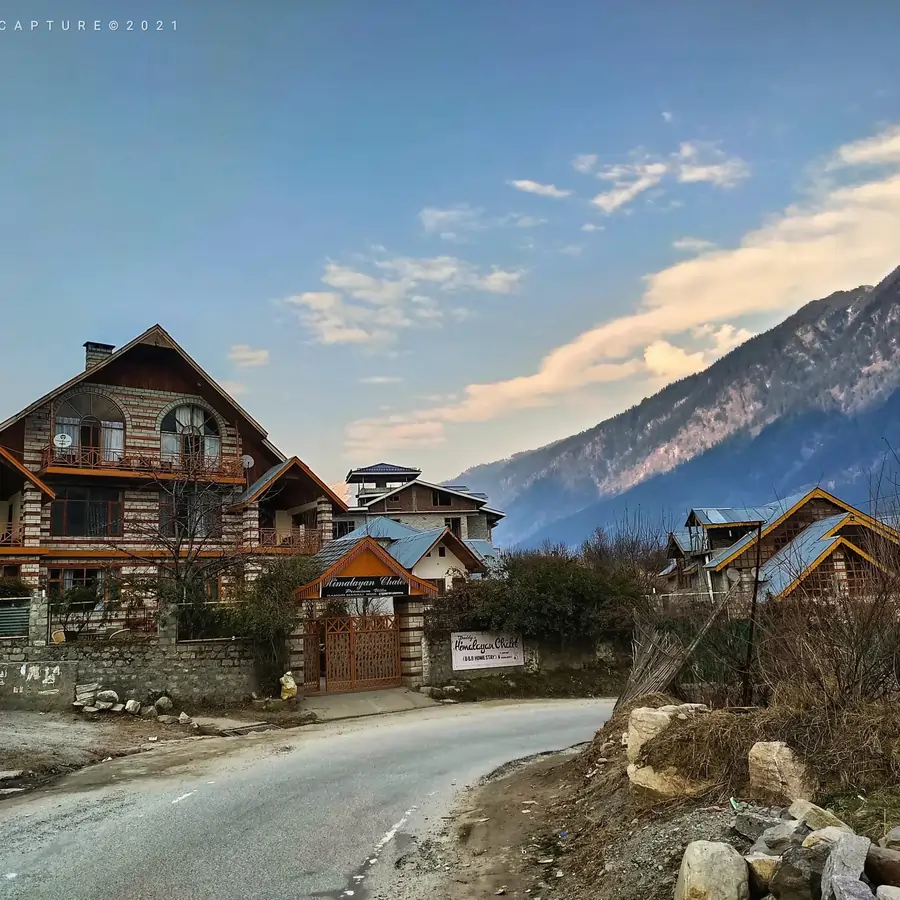
This journey meanders through some of the most majestic landscapes of northern India, starting with the verdant valleys and pine-topped hills of Manali.From there, the road climbs steeply into the dreamlike high-altitude desert of Ladakh, threading past fabled mountain passes such as Lachung La and Tanglang La, and serpentining past the show-stopping switchbacks of the Gata Loops.The harsh beauty of Leh is accompanied by outings to the world’s highest motorable pass, Khardung La, and sand-duned flatland of Nubra Valley, all the way to the far-flung village of Turtuk at the Indo-Pak border.The journey continues to the enchanting blue waters of Pangong Tso, nestled amidst rugged peaks, before turning west through the mountainous terrain of Kargil to arrive at the emerald lakes and grasslands of Srinagar.This trip provides an unforgettable experience of the raw, dramatic splendor of the Himalayas.Quick Facts:Region: Himachal Pradesh, Ladakh & KashmirManali Leh Srinagar with Turtuk Trip Start Point: Manali (via Delhi)Manali Leh Srinagar with Turtuk Trip End Point: Srinagar (Back to Delhi)Manali Leh Srinagar with Turtuk Trip Duration: 11 Days / 10 NightsManali Leh Srinagar with Turtuk Trip Distance: Approx. 1,200+ Km (Delhi to Srinagar via Manali–Leh–Turtuk–Pangong)Maximum Altitude: 18,380 Ft. (Khardung La Pass)Temperature Range: Day (15°C to 25°C) & Night (0°C to 10°C)Best Time to Visit Manali Leh Srinagar with Turtuk Trip: June to SeptemberManali Leh Srinagar with Turtuk Trip Type: Road Trip / Bike ExpeditionTerrain: High-altitude desert, mountain passes, valleys, lakesHow to reach?The trip starts from Delhi, where the group assembles and gets on an overnight journey to Kasol. Delhi is very well connected to the whole country by air, bus, and train, and also well connected internationally.More trek in Leh:-Srinagar Leh Manali Trip With TurtukLeh Ladakh Trip With TurtukStay in Manali
 EasySpring, Summer, Monsoon, Autumn
Manali Sissu Package
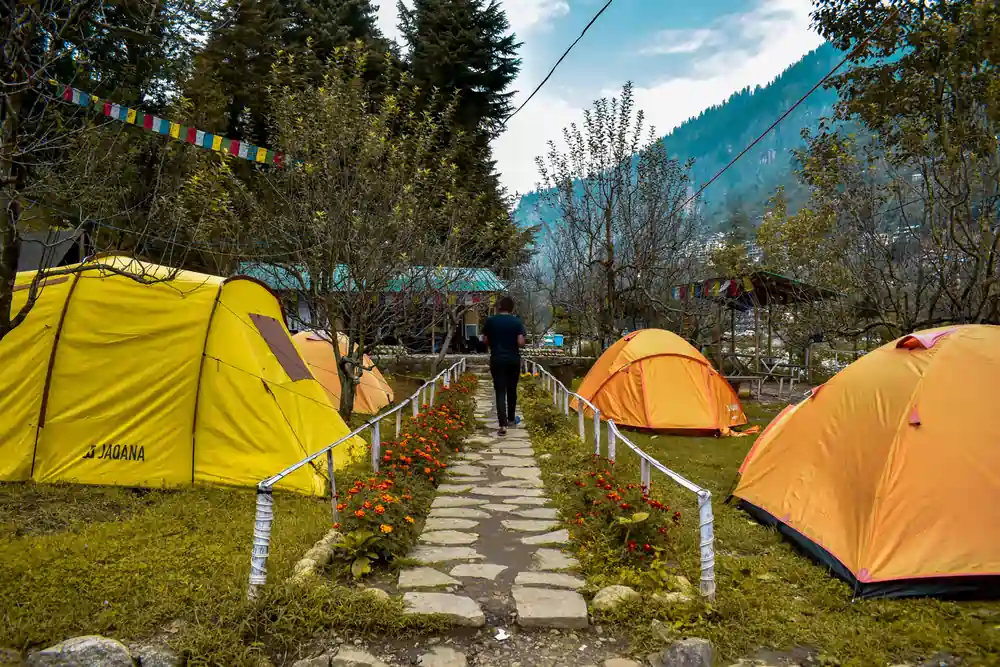
Sometimes, you only need to stay in the mountains to feel alive again. This Manali Sissu Package is a perfect short escape for anyone looking to swap city chaos for Himalayan calm. Over three carefully planned days, you will not only discover Manali’s famous spots, but also its lesser-known, soul-stirring corners — the very essence of a great Manali Sissu Trip.Begin with a peaceful trek to Jogini Falls, hidden behind the village of Vashisht. In the evening, walk through Old Manali, explore cozy cafes, and browse local shops with a relaxed mountain vibe.Then, go beyond the usual and travel through the Atal Tunnel into Lahaul Valley, where the landscapes change dramatically. The Sissu village offers a surreal mix of snow, serenity, and sky-touching peaks — a memorable stop on your Manali Sissu Trip.Designed for solo explorers, couples, and small groups, this itinerary is your chance to experience Manali with a deeper lens, not just as a tourist, but as a traveler.If you have been craving a short yet meaningful adventure, this Manali Sissu Package offers just the right balance of nature, culture, and road trip joy.Quick Facts About the Manali Sissu Package1. Starting Point: Manali2. Manali to Sissu Distance: ~40 km via Atal Tunnel3. Ideal For: Couples, Solo Travelers, Small Groups4. Best Season: March to June (spring/summer) and October to December (early winter)5. Manali Sissu Temperature:6. – Summer (Apr-Jun): 10°C to 25°C7. – Winter (Nov-Jan): -5°C to 10°CBest Time to Visit Manali and SissuThe beauty of the Manali Sissu package lies in how different each season feels. All year round, this trip offers snowy peaks in winter to lush green valleys in summer.Summer (April to June)Temperature: 10°C to 25°CWeather: Clear sky, pleasant days, and cool nights. Perfect for sightseeing and trekking.Why Visit: Summer is the best time to enjoy Manali and Sissu without heavy snowfall blocking the roads. The drive through the Atal Tunnel is smooth, and adventure activities in Solang Valley are in full swing.Monsoon (July to September)Temperature: 12°C to 22°CWeather: Occasional rain in Manali, but Lahaul (including Sissu) remains relatively dry.Why Visit: Fewer tourists, greener landscapes. A good option if you enjoy quiet mountain moments, but be cautious of landslides on the Manali side during heavy rains.Early Winter (October to December)Temperature: -5°C to 15°CWeather: Crisp air, golden autumn views turning into light snow by late November.Why Visit: This season is perfect for snow lovers and for photography. Sissu starts getting snow-dusted while Manali’s pine forests look magical. Still accessible before peak winter road closures.Note: Always check road conditions if planning a winter trip. From January to early March, heavy snow may block the Atal Tunnel or the road to Sissu.How to Reach Manali?Your Himtrek’s Manali Sissu package begins in Manali, a popular mountain town well-connected by road and accessible by air or train with some planning. Here’s how you can reach:By Road (Most Preferred):From Delhi: Approx. 530 km | 12–14 hoursComfortable Volvo or AC buses run regularly from Delhi to Manali. This is the most common option for travelers booking a Manali Sissu package from Delhi.Private cabs or self-drive options are also available for added flexibility.By Air:Nearest Airport: Bhuntar Airport (Kullu) – ~50 km from ManaliDirect flights are available from Delhi, but are limited and often affected by weather.From the airport, taxis or shared cabs are easily available to reach Manali.By Train:Nearest Station: Joginder Nagar (~145 km from Manali)Alternatively, you can take a train to Chandigarh or Ambala and continue the journey by road.Pro Tip: If you are booking a Manali Sissu tour package from Delhi, choose an overnight bus to maximize your time and arrive fresh for the trek.What Makes our Manali Sissu Package SpecialThis Manali Sissu Package is carefully crafted to match the day-wise itinerary, ensuring that every day offers something distinct — from mountain drives and scenic villages to café culture and spiritual landmarks. Here’s what truly makes this Manali Sissu Trip stand out:Smooth Overnight Journey from DelhiBegin your Manali Sissu Trip with a comfortable overnight drive from Delhi, allowing you to save time and wake up straight in the mountains, refreshed and ready to explore.Manali Local Sightseeing & Café CultureDay two of the Manali Sissu Package is all about soaking in Manali’s charm. Visit Hadimba Devi Temple nestled among deodar forests, enjoy a calm walk at Van Vihar, and experience café hopping and relaxed vibes in Old Manali. The evening at Mall Road adds shopping and street-food fun to your journey.Drive Through Atal Tunnel to Lahaul ValleyA major highlight of the Manali Sissu Trip is driving through the iconic Atal Tunnel, where the scenery dramatically changes from green valleys to the stark beauty of Lahaul.Explore Sissu Village & LakeThe heart of this Manali Sissu Package lies in visiting Sissu Village. Surrounded by snow-capped peaks and open valleys, Sissu offers peaceful moments, scenic photo spots, and a refreshing break from crowded tourist hubs.Adventure Stop at Solang ValleyOn the return journey, stop at Solang Valley, where you can try optional adventure activities or simply enjoy the alpine views.Kasol & Manikaran ExperienceThis Manali Sissu Trip goes beyond Manali with a visit to Kasol, known for its riverside cafés and relaxed vibe. End the sightseeing with a spiritual touch at Manikaran Sahib, famous for its hot water springs and serene atmosphere.Whether it’s scenic drives, cultural experiences, or relaxed mountain evenings, this Manali Sissu Package delivers a well-rounded Himalayan escape.Health and Safety Tips for Manali Sissu TripIf you are planning a high-altitude Manali Sissu Trip, keep these essential tips in mind to avoid altitude illness1. Take it slow on the first day to adjust to the altitude2. Drink plenty of water throughout the journey3. Wear layers, as mountain weather can change quickly4. Use sunscreen and sunglasses, even in cold weather5. Carry basic medicines and personal prescriptions6. Follow the trip leader’s guidance at all times7. Respect local culture and avoid litteringFinal ThoughtsThe Manali Sissu Package offers the perfect blend of scenic road journeys, cultural exploration, peaceful villages, and vibrant mountain towns — all thoughtfully aligned with the day-wise itinerary. From exploring Manali’s iconic spots to driving through the Atal Tunnel and discovering Sissu, Kasol, and Manikaran, this Manali Sissu Trip promises experiences that stay with you long after the journey ends.Still can’t decide how to plan your next vacation?Contact us today for personalized advice, and let us help you craft the perfect Manali Sissu Package for your next mountain escape.Book your Manali Sissu package now and start your mountain journey with Himtrek.
 EasySpring, Summer, Monsoon, Autumn
Kasol Tosh Kheerganga Trip
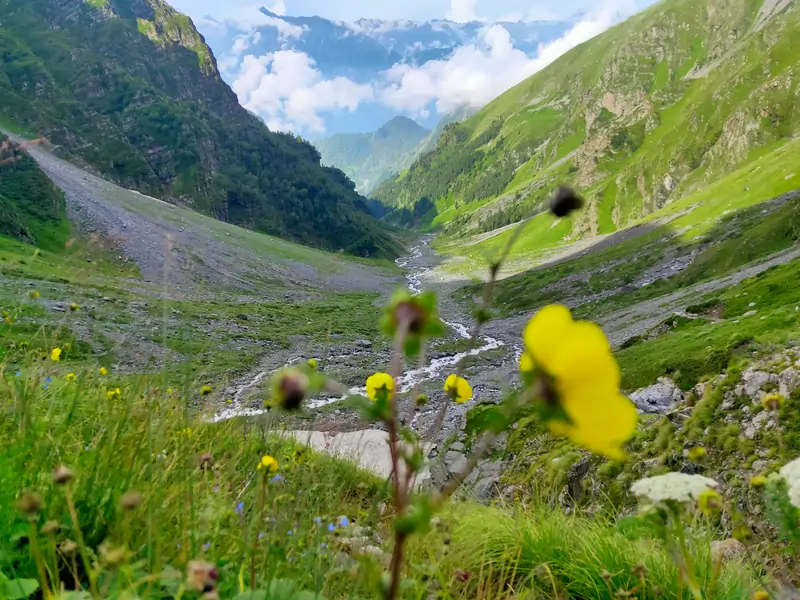
Kasol Tosh Kheerganga trip is a popular travel itinerary in the Parvati Valley region of Himachal Pradesh, India. Nature lovers, adventurers, and backpackers cherish this route for its serene landscapes, mountain vistas, and cultural richness.Kasol is the starting point of this journey and serves as the gateway to the Parvati Valley. People celebrate this riverside village for its beauty and vibrant backpacker culture. Tourists often call it ‘Mini Israel’ because of the significant Israeli presence. Kasol offers a range of accommodation options, including guesthouses, campsites, and budget hotels. Visitors can explore the local markets, savour Israeli cuisine, enjoy riverside walks, and engage in adventure activities like trekking and rock climbing.Further up the Parvati Valley lies the enchanting destination of Kheerganga. This place has earned a reputation for its hot water springs and stunning natural beauty. The trek to Kheerganga is a popular adventure activity, taking you through picturesque forests, cascading waterfalls, and meandering trails. It typically takes around 4-6 hours to reach Kheerganga on foot, and camping options are available at the top. The highlight of the trek is the rejuvenating experience of bathing in the natural hot springs, known for their therapeutic properties. Kheerganga offers a tranquil environment, making it an ideal spot for relaxation and meditation.This trip takes you to Tosh as well. Located about 20 kilometres from Kasol, Tosh is a quaint village situated at an elevation of 2,400 metres. It is known for its mesmerising views of the Himalayas and the lush greenery that surrounds it. Tosh is an ideal destination for trekkers and nature lovers, offering a variety of trekking trails that lead to stunning viewpoints like the Tosh Glacier. The village also provides a glimpse into the local Himachali culture and way of life. Travellers can stay in guesthouses or homestays, interact with the friendly locals, and enjoy the tranquil ambience of this Himalayan hamlet.Overall, the Kasol Tosh Kheerganga trip is a must-visit for those seeking a blend of natural beauty, adventure, and cultural immersion. It provides an opportunity to explore the breathtaking landscapes of the Parvati Valley, engage with the local communities, and indulge in trekking and outdoor activities. Whether you are a solo traveller, a group of friends, or a nature lover, this Kasol Tosh Kheerganga trip promises an unforgettable experience amidst the scenic splendour of the Himalayas.More Treks in Kasol:-Grahan Trek KasolKasol Winter TrekFor more Treks visit HimtrekVisit Himtrek Stays for Best Stays in KasolKasol Tosh Kheerganga Trip 3 Nights 4 Days Available on requestKindly review the Terms and Conditions before proceeding with your booking.
 ModerateSpring, Summer, Autumn
Jalsu Pass Trek
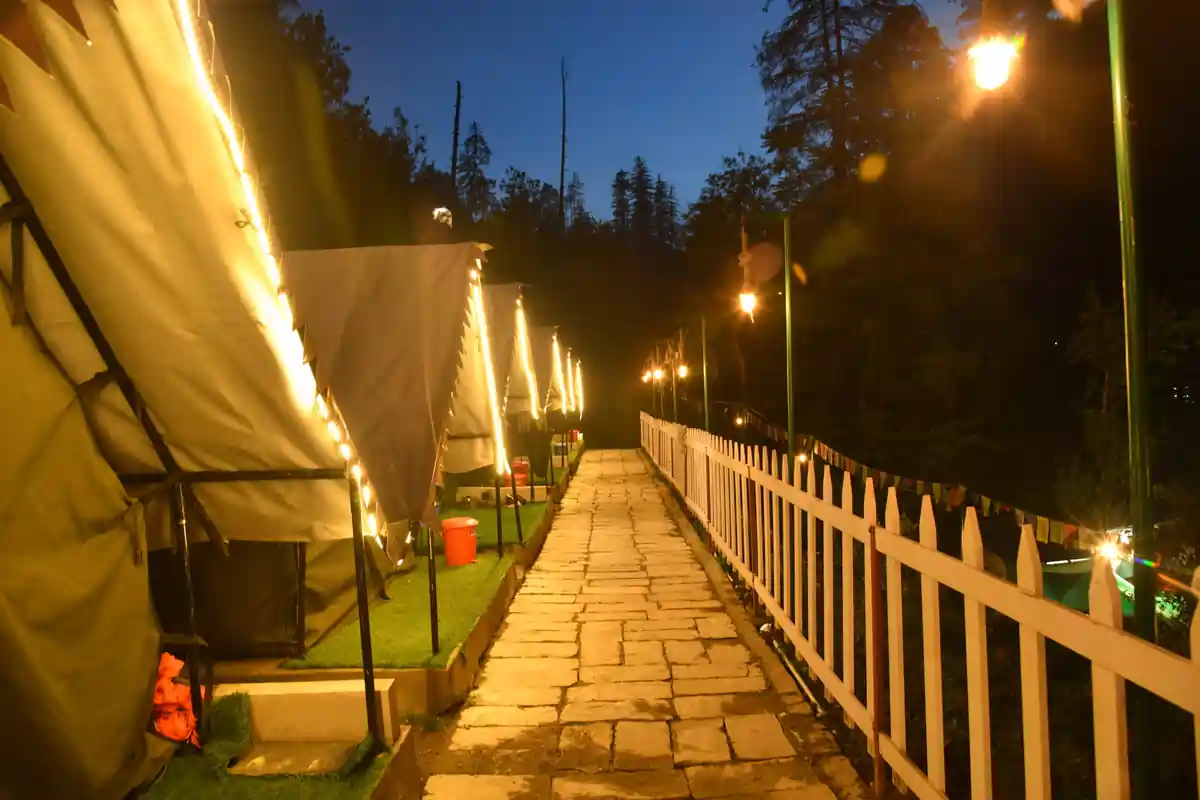
The Jalsu Pass trek is a hidden gem nestled in the heart of the Dhauladhar range in Himachal Pradesh, India. The pass connects the Chamba and Kangra valleys, offering a scenic route between these regions.This off-the-beaten-path trail offers a mesmerizing journey through a tapestry of lush green meadows, dense pine and oak forests, and vibrant rhododendron blooms. As trekkers ascend towards the pass, the panoramic views of snow-capped peaks unfold, painting the horizon with breathtaking vistas. The trek takes you through quaint villages, where traditional Himachali culture comes alive, and across bubbling streams that sing the melodies of the mountains.At the summit of Jalsu Pass, perched at an elevation of approximately 3,440 meters, a 360-degree view of the majestic Himalayan ranges greets you, leaving you in awe of nature’s grandeur. The trek is considered moderate in difficulty, making it accessible to both beginners and seasoned trekkers. It provides a good challenge without being overly strenuous, allowing trekkers to enjoy the journey at a comfortable pace. The trek, relatively less crowded, is an oasis of serenity, perfect for those seeking a peaceful and scenic adventure in the lap of the Himalayas.Know More about Dhauladhar from WikipediaQuick Facts: Region: Between Kangra and Chamba ValleyStart/ End Point of the Trek: Palampur/ChambaDuration: 4D/3NJalsu Pass Trek Height: 11,286 feet Jalsu Pass Trek Difficulty Level: ModerateTrek Temperature: Day: (20°C to 25°C) and Night: (5°C to 10°C) Best Time to do Jalsu Pass Trek: April to June & October-NovemberHow to Reach?The Jalsu Pass Trek starts from Paprola town, close to Palampur. To reach Palampur, you can choose from any of the following transport options- By Road:Buses from Delhi and Chandigarh to Palampur are available from various bus operators, including both government and private services.By Train:The nearest major railway station to Palampur is Pathankot (approximately 90 kilometers away). You can take a train from Delhi or Chandigarh to Pathankot, which is well-connected with several trains. From Pathankot, you can hire a taxi or take a bus to Palampur, which takes about 2-3 hours.By Air:The nearest airport to Palampur is Gaggal Airport (Dharamshala), located about 40 kilometers away. You can take a flight to Gaggal Airport. From the airport, you can hire a taxi or take a local bus to reach Palampur.More treks in Himachal Pradesh:-Kasol Kheerganga TrekBaralacha La TrekSearch more Treks in Himtrek
 EasyAutumn
Day Hike in Kasol
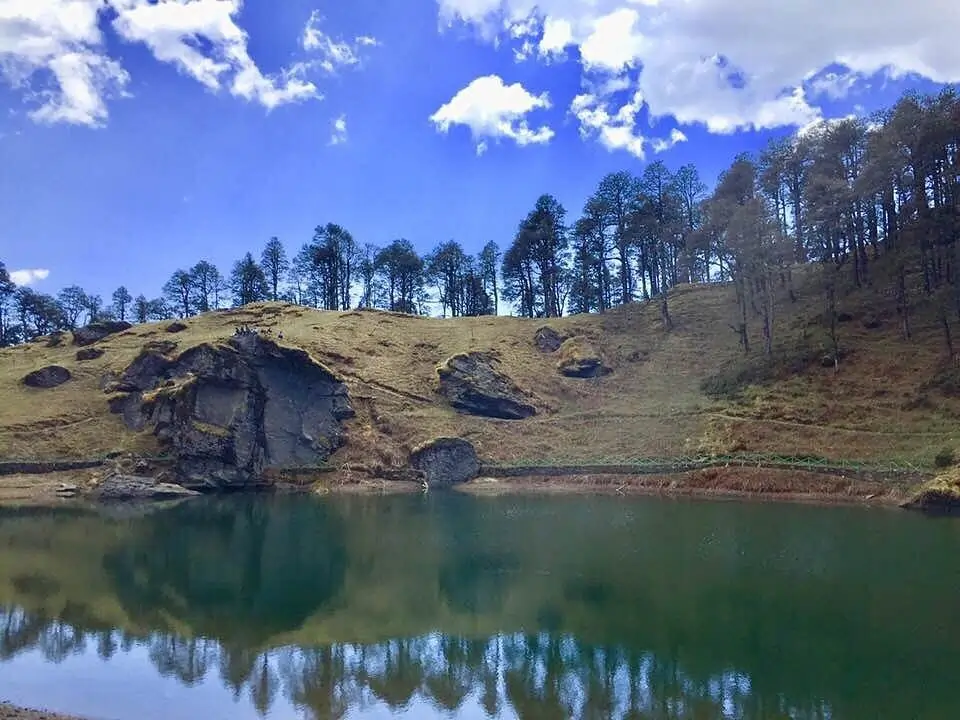
The day hike from Kasol to Chalaal village is a serene journey that takes you deep into the heart of the Parvati Valley, offering an immersive experience in the Himalayan wilderness. The trail, spanning approximately 2 kilometers, is relatively easy and perfect for beginners and seasoned trekkers alike.As you walk alongside the Parvati River, you’re greeted by the soothing sound of flowing water, the fresh scent of pine forests, and panoramic views of the surrounding mountains. The path winds through dense forests and across charming wooden bridges, with occasional glimpses of traditional Himachali homes tucked into the landscape. Chalaal is often referred to as the “mini Israel of India” due to its popularity among Israeli travelers, where you’re welcomed by a village that exudes an old-world charm.The village is perched on a hillside, offering breathtaking views of the valley below. Known for its laid-back vibe, Chalaal is a haven for those seeking peace and quiet away from the hustle of more touristy spots. The village is dotted with rustic cafes where you can relax, meet fellow travelers, and enjoy simple, delicious local cuisine. This hike and overnight stay offer a perfect blend of adventure and relaxation, making it an ideal short getaway in the Himalayas.Quick Facts: Region: Parvati Valley, Himachal PradeshStart/ End Point of the Trek: KasolDuration: 2D/1NDay Hike in Kasol Height: 5,300 feet Day Hike in Kasol Difficulty Level: easyDay Hike in Kasol Temperature: Day: (15°C to 20°C) and Night: (5°C to 10°C) Best Time to do Day Hike in Kasol: September to NovemberHow to Reach?The Day Hike in Kasol begins in Kasol. To reach there, you can choose from any of the following transport options- By Road- There are several private and state-run buses (Himachal Road Transport Corporation – HRTC) that operate from Delhi, Chandigarh, and other major cities to Manali, with stops at Bhuntar. From Bhuntar, you can take a local bus or taxi to Kasol. Some Volvos also drop directly to Kasol.By Train-The nearest major railway station is Chandigarh Railway Station, located about 296 kilometers (184 miles) away. From Chandigarh, a taxi or bus (Volvo or local HRTC) can be taken to Bhuntar or directly to Kasol. The alternative is, that Joginder Nagar Railway Station is closer (144 kilometers or 89 miles) but has limited connectivity. By Air- The closest airport to Kasol is Kullu-Manali Airport (Bhuntar Airport), located about 31 kilometers (19 miles) away. From the airport, you can either take a local HRTC bus or a cab.More Treks in Kasol:-Kasol Winter TrekPin Parvathi Trek
 EasyAll Season
Jibhi Tirthan Valley Trip
Escape the hustle of city life and step into the serene landscapes of Himachal Pradesh on the Jibhi Tirthan Valley Trip. Over three days, this journey takes you through lush valleys, gurgling rivers, and dense pine forests, offering a perfect mix of adventure, relaxation, and nature immersion. Start in Jibhi, a quaint village known for its peaceful vibes and scenic waterfalls. Explore the charming Jibhi Waterfall and the hidden gem Mini Thailand, where untouched landscapes and flowing streams create a photographer’s paradise. Feel the crisp mountain air as you wander along riverside trails and connect with the calmness of the valley.Himtrek’s Jibhi Tirthan valley trip also includes a trek to Serolsar Lake, perched at 3,100 meters, where the pristine waters reflect the surrounding mountains. Along the way, enjoy panoramic views, tranquil meadows, and the quiet charm of Himalayan life.Evenings are spent around cozy bonfires, sharing stories, music, and warm moments under the starlit sky. Whether you are looking for adventure, scenic exploration, or peaceful relaxation, the Jibhi Tirthan Valley Trip promises an unforgettable Himalayan escape.Quick Facts About Jibhi Tirthan Valley TripRegion Covered: Jibhi & Tirthan Valley, Himachal PradeshStart/End Point: JibhiDuration: 2 Nights / 3 DaysTotal Distance: Approx. 1,000 km (Delhi to Delhi)Accommodation: Homestays or hotels in JibhiMeals Included: 4 meals (Day 1 Dinner, Day 2 Breakfast & Dinner, Day 3 Breakfast)Difficulty Level: Easy to ModerateTemperature Range: Day: 15°C to 25°C | Night: 5°C to 12°CBest Time to do the Jibhi Tirthan Valley TripThe magic of Jibhi and Tirthan Valley comes alive when the valleys welcome you with flowing rivers, lush forests, and crisp mountain air.March to June – Spring AwakeningScenery: Lush green forests, blooming flowers, and gurgling riversVibe: Perfect for trekking and exploring waterfallsTemperature: Day: 15°C to 25°C | Night: 5°C to 12°CSeptember to November – Autumn SerenityScenery: Golden-hued forests and clear skiesVibe: Quiet trails, fewer travelers, peaceful village explorationsTemperature: Day: 12°C to 22°C | Night: 4°C to 10°CDecember to February – Winter CharmScenery: Snow-dusted landscapes and frozen streamsVibe: Ideal for a quiet winter retreat with cozy bonfiresTemperature: Day: 5°C to 15°C | Night: -2°C to 5°CNote: Weather can change quickly in the mountains. Carry layered clothing, stay hydrated, and pace yourself during treks for the best experience.How to Reach Jibhi?By Air: The nearest airport is Bhuntar Airport (Kullu-Manali Airport), approximately. 150 km from Jibhi. Hire a taxi or take a local bus from the airport.By Train: The Closest station is Joginder Nagar (~95 km). From there, hire a taxi or bus to Jibhi.By Road: Jibhi is well-connected by road from Delhi (500 km), Manali (150 km), and Kullu (150 km). Travel by private cab, bus, or shared taxi.Tip: Mountain roads can be narrow and winding, so drive safely and start early to make the most ofyour day.Jibhi Tirthan Valley Trip Package by Himtrek – ₹7,499Priced at just ₹7,499 per person, this 3-day getaway lets you unwind amidst pine forests, hidden waterfalls, and crystal-clear rivers. From tranquil walks in Jibhi to breathtaking views at Serolsar Lake, every moment on this journey with Himtrek brings you closer to the magic of the Himalayas.Reconnect with nature, share laughter around bonfires, and create memories that linger long afteryou return home – the Jibhi Tirthan Valley Trip is not just a holiday, it’s an experience of puremountain bliss.
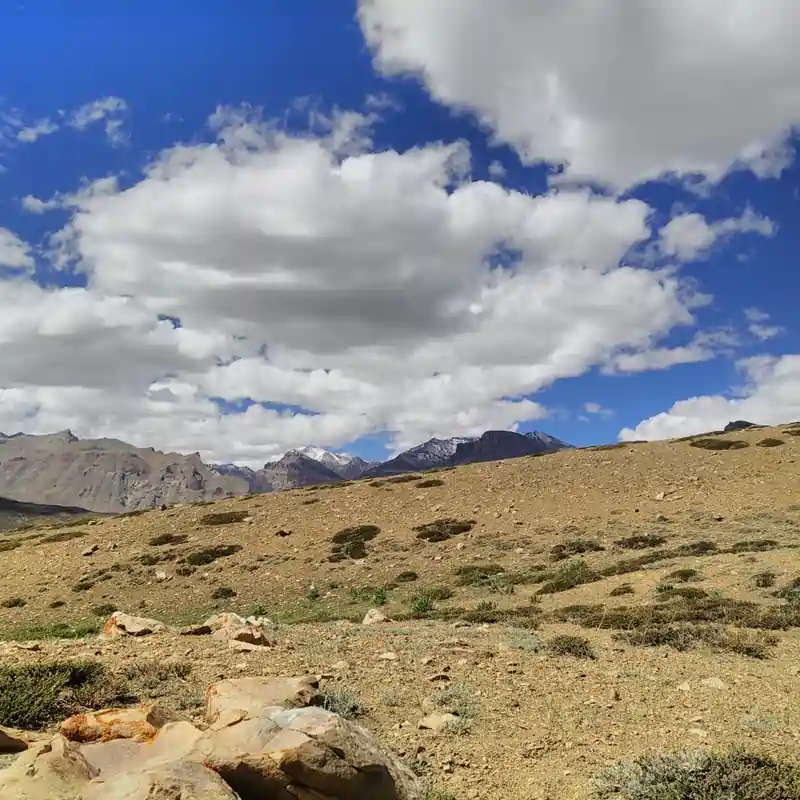 ModerateSummer, Autumn, Monsoon
Kanamo Peak
The Kanamo Peak trek is a hidden gem in the remote and pristine Spiti Valley of Himachal Pradesh, India, offering a journey through some of the most stunning landscapes in the Himalayas.At an impressive altitude of approximately 19,600 feet (5,966 meters), Kanamo Peak stands as a beacon for adventure enthusiasts seeking to challenge themselves while immersing in nature’s untouched beauty. The trek begins in the charming village of Kibber, one of the highest inhabited villages in the world, where traditional Tibetan culture thrives amidst stark, barren mountains.Each step towards the summit is a step into tranquility, with the only sounds being the crunch of boots on rocky paths and the whistle of the wind. As the altitude increases, the landscape becomes more otherworldly, with snow-capped peaks piercing the cobalt sky and vast stretches of barren land that seem to extend to the horizon. The final ascent to Kanamo Peak is steep and demanding, testing both endurance and willpower, but the reward is beyond comparison.From the summit, a 360-degree panorama unfolds, revealing a spectacular vista that spans from the rugged mountains of Ladakh to the distant peaks of Tibet and Kinnaur. The sight of these majestic ranges bathed in the golden light of dawn or dusk is a moment of pure awe and reflection, making the grueling trek worth every ounce of effort. The Kanamo Peak trek is not just a physical challenge; it is a journey into the heart of the Himalayas, offering solitude, serenity, and a profound connection with nature’s grandeur.Quick Facts: Region: Spiti Valley, Himachal PradeshStart/ End Point of the Trek: ManaliDuration: 9D/8NKanamo Peak Trek Height: 19,600 feet Kanamo Peak Trek Difficulty Level: ChallengingKanamo Peak Trek Temperature: Day: (5°C to 15°C) and Night: (-15°C to -5°C) Best Time to do Kanamo Peak Trek: June to SeptemberHow to Reach?The Kanamo Peak Trek starts from Manali. To reach there, you can choose from any of the following transport options- By Road:The quickest and most economical way to get to Manali. Manali is accessible by road from several locations, including Delhi (540 km), Chandigarh (305 km), Dehradun (227 km), and Ambala (370 km). By Train:The closest railway station to Manali is Jogindernagar. Other train routes to Manali include those through Chandigarh and Ambala.5By Air:The nearest airport is Bhuntar Airport, 10 km from Manali. Cabs and local buses are easily available from Bhuntar to Manali.More Treks in Himachal Pradesh:-Chandrakhani Winter ExpeditionWinter Spiti Road TripBada Bhangal TrekMore at HimtrekBest Stays in Himachal Pradesh:-Monkey Mud House & Camps, BirHimtrek Stays and Camps JibhiHimtrek Stays Dingle House, Dalhousie
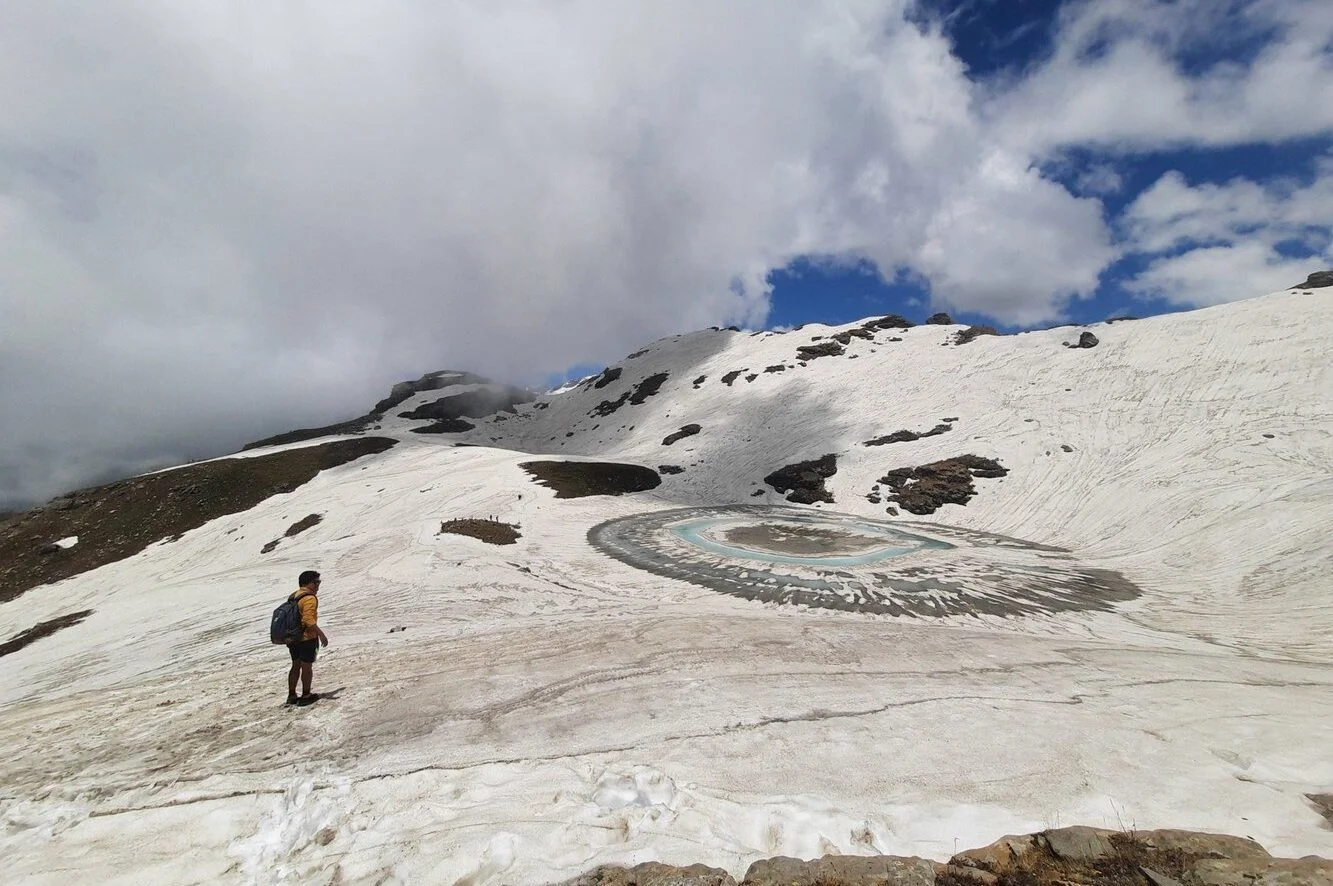 Easy-ModerateSummer, Monsoon, Autumn
Bhrigu Lake Trek from Gulaba
Bhrigu Lake is a high-altitude lake, located at a height of 14,100 feet. The oval-shaped glacial lake, situated near Rohtang Pass, makes it the ideal location for thrilling adventures. A high-altitude alpine lake, lush meadows, and everything your heart desires await you on the Bhrigu Lake Trek in Manali, one of the most alluring short hikes in the Himalayas.The lake got its name from the name of the Sage Bhrigu. The villagers claim that Sage Bhrigu used to meditate next to the lake, which is how the lake earned its name. With each passing season, the captivating lake’s colors change, adding to its spectacular grandeur. It turns emerald green in the late summer and turns blue in the summer, which is a beautiful sight to witness.The trek takes you through Rola Kholi. Further, you will proceed to Gulaba, a village covered in snow blankets. You’ll pass through pristine forests and verdant, luscious landscapes. This three-day trek to Bhrigu Lake will offer you unmatched, breathtaking views of the Seven Sister Peaks, Deo Tibba, Indrasan, Hanuman Tibba, and the expansive Pir Panjal ranges, filling you with unending natural beauty. Also, it holds immense pleasure for those who wish to capture the night sky. This trek will give you a serene vista illuminated by millions of stars.Quick Facts:Region: Kullu District, Himachal PradeshStart/ End Point of the Trek: ManaliDuration: 3D/2NBhrigu Lake Trek from Gulaba Distance: 26 kmBhrigu Lake Trek from Gulaba Height: 14,100 ftBhrigu Lake Trek from Gulaba Difficulty Level: Easy to Moderate Bhrigu Lake Trek from Gulaba Temperature: Day: 20°C to 25°C and Night: 5°C to 7°C (in summers), Day: 10°C to 15°C and Night: 0°C to -7°C (in winters)Best Time to do Bhrigu Lake Trek: May to OctoberHow to Reach?By Road:The quickest and most economical way to get to Manali. Manali is accessible by road from several locations, including Delhi (540 km), Chandigarh (305 km), Dehradun (227 km), and Ambala (370km). By Train:The closest railway station to Manali is Jogindernagar. Other train routes to Manali include those through Chandigarh and Ambala.By Air:The nearest airport is Bhuntar Airport, 10 km from Manali. Cabs and local buses are easily available from Bhuntar to Manali. More Treks in Manali:-Rani Sui Lake TrekManali Winter ExpeditionFriendship Peak Expedition
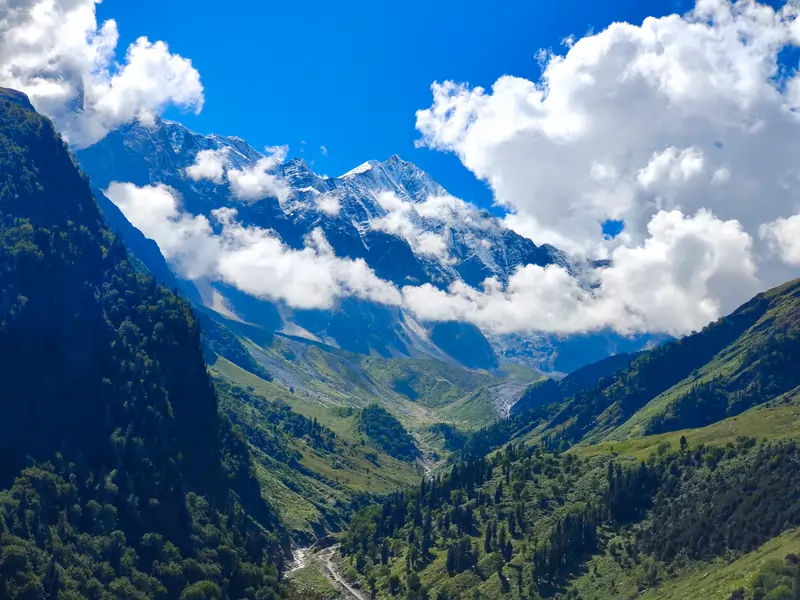 DifficultSpring, Summer, Monsoon, Autumn
Hanuman Tibba Expedition
The Hanuman Tibba Trek, located in the Dhauladhar range of Himachal Pradesh, India, is a spectacular adventure that combines challenging terrain with stunning natural beauty.Starting from the quaint town of Manali, trekkers ascend through dense pine forests and picturesque meadows, gradually gaining altitude as they pass through charming villages like Solang and Dhundi. The route offers a diverse range of landscapes, including lush green valleys, glacial streams, and rocky outcrops. As the trek progresses, the terrain becomes more rugged, with dramatic snow-covered slopes and icy glaciers forming the backdrop.The ultimate highlight of the trek is reaching the Hanuman Tibba summit at 19,461 feet, which provides an awe-inspiring panoramic view of the surrounding Himalayan peaks, including the majestic peaks of the Dhauladhar range, and sometimes even glimpses of the distant Pir Panjal range.The trek also features high-altitude campsites, where trekkers can experience the serenity of the mountains and witness breathtaking sunsets and sunrises. This trek combines physical challenge with natural beauty, making it a memorable experience for those seeking both adventure and tranquility in the Himalayas.Quick Facts: Region: Manali, Himachal PradeshStart/ End Point of the Trek: ManaliDuration: 13D/12NHanuman Tibba Trek Height: 19,461 feet Hanuman Tibba Trek Difficulty Level: ChallengingHanuman Tibba Trek Temperature: Day: (5°C to 15°C) and Night: (-15°C to -5°C) Best Time to do Hanuman Tibba Trek: June to SeptemberHow to Reach?The Hanuman Tibba Trek starts from Manali. To reach there, you can choose from any of the following transport options- By Road:The quickest and most economical way to get to Manali. Manali is accessible by road from several locations, including Delhi (540 km), Chandigarh (305 km), Dehradun (227 km), and Ambala (370 km). By Train:The closest railway station to Manali is Jogindernagar. Other train routes to Manali include those through Chandigarh and Ambala.By Air:The nearest airport is Bhuntar Airport, 10 km from Manali. Cabs and local buses are easily available from Bhuntar to Manali.More Treks in Himachal Pradesh:-Chandrakhani Winter ExpeditionWinter Spiti Road TripBada Bhangal TrekMore at HimtrekBest Stays in Himachal Pradesh:-Monkey Mud House & Camps, BirNeemarise Hotel by Himtrek Stays, KazaHimtrek Stays and Cafe Tosh
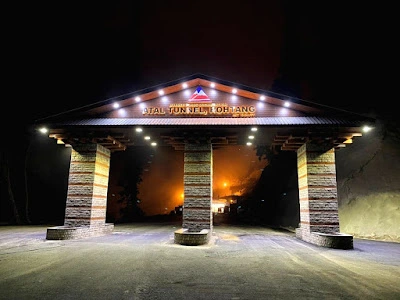 EasyMonsoon, Winter, Spring, Summer, Autumn
Manali Trip With Rohtang Pass, Kullu & Kasol
If the mountains have been calling, this is your cue to pack your bags and hit the road! The Manali Trip with Rohtang Pass, Kullu & Kasol is the perfect blend of adventure, nature, and chill Himalayan vibes – all wrapped into one unforgettable journey.Start in Manali, where snow-capped peaks, pine forests, and cozy cafes welcome you to the heart of Himachal. Wander through Mall Road, visit Hadimba Temple, and breathe in the crisp mountain air that instantly refreshes your soul.Drive up to the legendary Rohtang Pass (13,050 ft), where white landscapes, frozen valleys, and sweeping views make every moment feel surreal. Continue your adventure to Kullu, known for river rafting, local markets, and the warmth of Himachali culture.End your journey in the tranquil village of Kasol, the “Mini Israel of India,” where the Parvati River flows gently beside charming cafés and scenic trails. It’s the perfect place to slow down, relax, and let the magic of the mountains sink in.Whether you are seeking snow adventures, road-trip thrills, or peaceful moments by the river, this Manali trip with Rohtang Pass, Kullu & Kasol has it all.Quick Facts About Manali Trip with Rohtang PassRegion Covered: Himachal Pradesh (Manali – Rohtang – Kullu – Kasol)Start/End Point: DelhiDuration: 3 Days / 2 NightsHighest Altitude: Rohtang Pass – 13,050 ftDifficulty Level: Easy (suitable for beginners and families)Accommodation: Hotels / Riverside CampsTotal Distance: Approx. 1,100 km (Delhi to Delhi)Temperature Range: Day: 10°C to 25°C | Night: 0°C to 10°CBest Time to do the Manali Trip with Rohtang PassThe magic of Manali, Rohtang, Kullu, and Kasol shines differently in every season. Here’s what each period offers:March to June – Spring AwakeningScenery: Snow melting from the peaks, blossoming flowers, and lush green valleys.Vibe: Ideal for trekking, river walks, and exploring local villages.Temperature: Day – 10°C to 25°C | Night – 0°C to 10°C.Perfect for travelers who love mild weather and vibrant landscapes.July to Early September – Monsoon SerenityScenery: Flowing rivers, waterfalls in full swing, and verdant forests.Vibe: Peaceful valley trails with fewer tourists, though occasional rains may occur.Temperature: Day – 15°C to 22°C | Night – 5°C to 12°C.Great for photographers and nature lovers who enjoy lush greenery.October to February – Winter WonderlandScenery: Snow-covered roads, frozen rivers, and cozy mountain villagesVibe: Perfect for snow adventures, winter activities, and peaceful escapesTemperature: Day: 5°C to 15°C | Night: -5°C to 5°CIdeal for snow lovers and those seeking a calm, offbeat Himalayan experience.Note: Weather in the mountains can change rapidly. Carry layered clothing and stay hydrated for a smooth trip.How to Reach Manali?By Air: The nearest airport is Bhuntar Airport (Kullu-Manali Airport), about 50 km from Manali. Regular flights operate from Delhi, Chandigarh, and other major cities. From the airport, you can hire a taxi or take a bus to reach Manali.By Train: The closest railway stations are Joginder Nagar (95 km) and Pathankot (310 km). From here, taxis and buses are available to Manali. Although there’s no direct train to Manali, the drive through Himachal’s scenic valleys makes it a memorable journey.By Road: Manali is well-connected by road from Delhi (approx. 550 km), Chandigarh (310 km), and Shimla (250 km). Travel options include private cabs, buses, and shared taxis. The route passes through stunning mountains, rivers, and valleys, making the journey part of the adventure itself.Tip: Mountain roads can be narrow and winding. Start early, drive safely, and enjoy the scenic stops along the way.Manali Trip with Rohtang Pass Package by HimtrekStep into the heart of the Himalayas with Himtrek’s Manali Trip with Rohtang Pass, Kullu & Kasol, designed for travelers who love adventure, nature, and scenic escapes.Priced at ₹5,499 per person, this 3-day journey brings you closer to snow-capped peaks, flowing rivers, and charming Himachali villages. Experience the thrill of Rohtang Pass, stroll through the bustling streets of Manali, explore the picturesque Kullu Valley, and unwind in the peaceful riverside village of Kasol.Every moment of this Manali trip with Rohtang Pass is curated to give you a perfect balance of adventure and relaxation – from mountain drives to riverside walks, local culture to stunning panoramas. Let the mountains work their magic as you create memories that last a lifetime.For more info, Contact Himtrek team, we will help you suggesting a trek too.
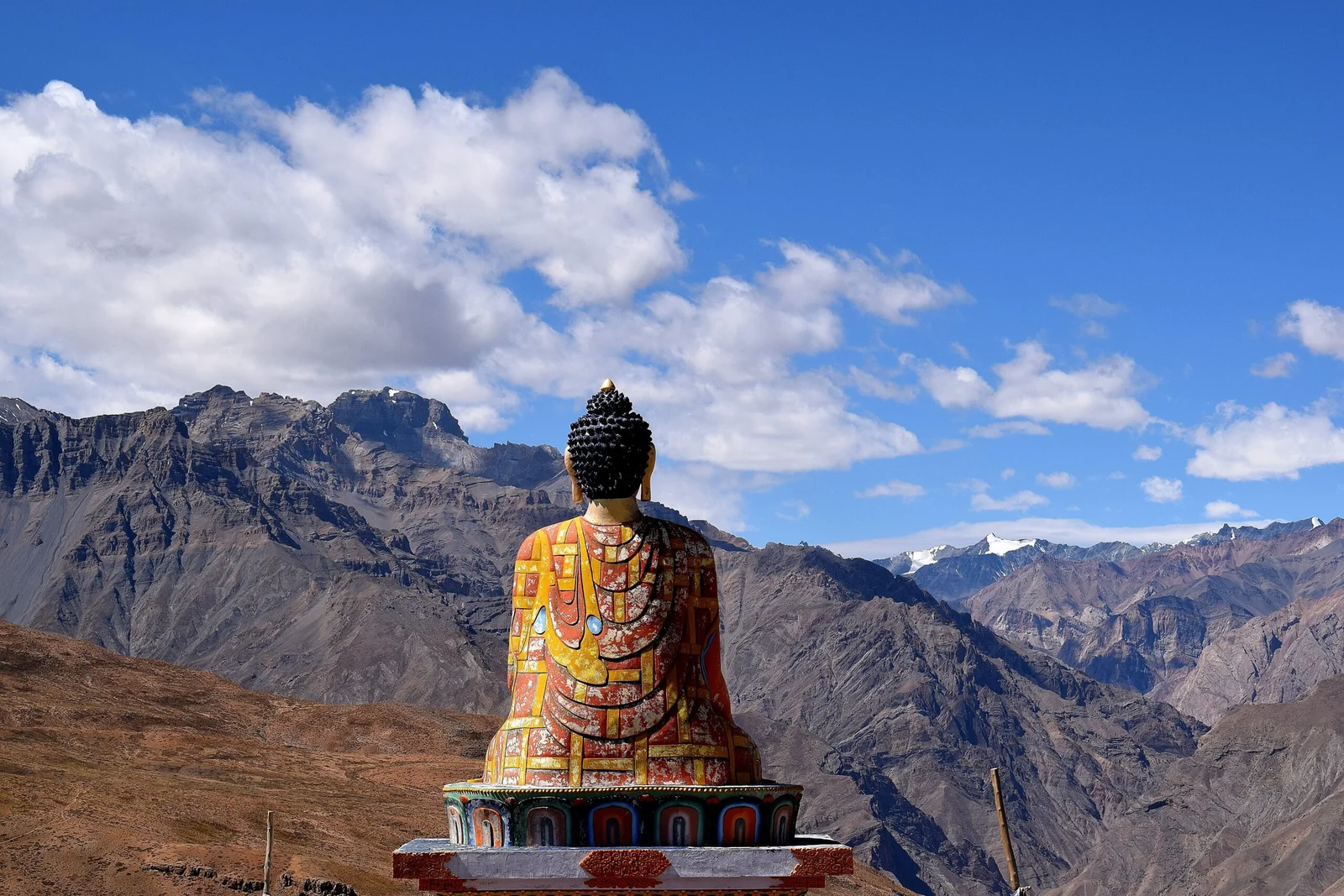 Easy-ModerateSummer, Monsoon
Spiti Valley Summer Trip from Delhi/Manali
Spiti Valley Trip in the summers offers a mesmerizing adventure through breathtaking landscapes, ancient monasteries, and remote villages. Located in the Indian state of Himachal Pradesh, Spiti Valley is a high-altitude desert region that attracts traveller’s seeking offbeat destinations and pristine natural beauty.The road journey to Spiti Valley presents its own set of challenges and thrills. The beauty of Spiti shines like a diamond under the sun during the height of summer when most of India experiences unacceptably high temperatures. The routes involve navigating through high mountain passes, narrow roads, and hairpin bends. The thrill of driving on these roads is matched by the stunning vistas that unfold at every turn. Be prepared for a bumpy ride, unpredictable weather, and high-altitude conditions.You will experience both beauty and risk at once as you navigate the perilous curves that lead from Manali to the Spiti Valley. Keep in mind to pay attention to your surroundings because they are changing beautifully. You’ll note that the landscapes here transition from green to brown.Besides its captivating landscapes, Spiti Valley boasts natural wonders that leave visitors spellbound. ChandraTal Lake, also known as the Moon Lake, is a pristine high-altitude lake surrounded by majestic mountains.You’ll discover that Spiti Valley is much more than just a lovely Himalayan location once you finally arrive there. The ridged settlements of Spiti are home to a plethora of rich Buddhist-Tibetan culture. One lovely example of architecture that makes you respect Buddhism’s emphasis on simplicity is The Key Monastery. Spiti Valley is home to numerous ancient Buddhist monasteries that add a spiritual and cultural dimension to the journey. Key monasteries like Ki Monastery, Dhankar Monastery, Tabo Monastery, and Tangyud Monastery provide a glimpse into the rich Buddhist heritage of the region. You can witness the serene atmosphere, vibrant prayer flags, and intricately painted murals, and participate in Buddhist rituals.Pack your luggage and reserve a spot in our Spiti Road Trip Package for 2025 now that you are aware of what to expect on the road to the high-altitude desert!Quick Facts:-Spiti Valley Trip altitude – 4000m (approx)Spiti Valley Trip Region – Northern HimalayasSpiti Valley Trip distance – 426 kmSpiti Valley Trip duration – 7D/6N6 Nights 7 Days Available on requestKindly review the Terms and Conditions before proceeding with your booking.
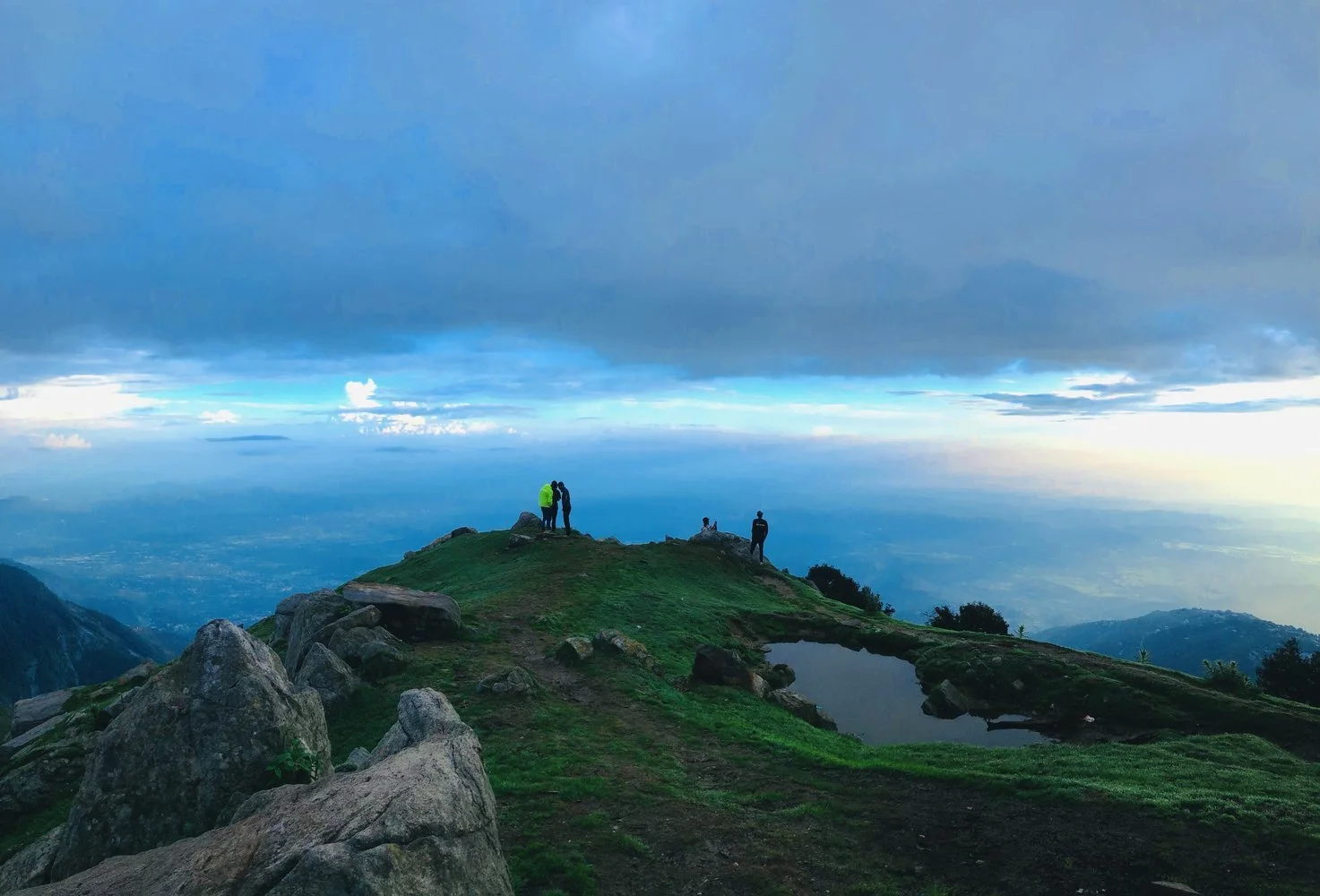 EasySpring, Summer, Autumn
Mcleodganj Triund Trek From Delhi
Mcleodganj Triund Trek From DelhiThe Mcleodganj-Dal Lake-Triund trek from Delhi is an exhilarating journey that immerses you in the diverse and breathtaking landscapes of the Indian Himalayas. Your adventure begins with a scenic overnight journey from Delhi to Mcleodganj, a picturesque town situated in the lower Dhauladhar range.Mcleodganj, often called the “Little Lhasa,” is renowned for its Tibetan heritage and serene environment. Upon arrival, you’ll have the chance to explore its vibrant markets, visit the iconic Dalai Lama Temple, and enjoy the rich flavors of Tibetan cuisine while acclimating to the higher altitude.From Mcleodganj, your trek to Dal Lake starts through enchanting forests and meadows. This part of the trek offers a sensory feast with panoramic views of lush greenery and the tranquil ambiance of the lake itself. The trek continues from Dal Lake to Triund, a highlight of the journey. The trail to Triund is a bit more challenging, but the rewards are immense. As you ascend, the landscape transforms, offering expansive views of the majestic Dhauladhar range. Triund, situated at a high altitude, is a vantage point that provides unparalleled panoramic vistas of the snow-capped peaks and the vast expanse of the Kangra Valley below.Each stage of this trek offers a unique glimpse into the diverse natural beauty of the region. From the cultural richness of Mcleodganj to the tranquil allure of Dal Lake and the awe-inspiring views from Triund, this journey is a feast for the senses and a perfect escape into the heart of the Himalayas. Whether you’re a nature enthusiast, adventure seeker, or simply looking for a tranquil retreat, the Mcleodganj-Dal Lake-Triund trek provides a memorable and enriching experience amidst some of the most stunning landscapes in India.For more treks in Mcleodganj Visit HimtrekKnow more about Triund from WikipediaQuick Facts: Region: Kangra Valley, Himachal PradeshStart/ End Point of The Mcleodganj Triund Trek From Delhi: DelhiDuration of Mcleodganj Triund Trek From Delhi: 5D/4NMcleodganj Triund Trek from Delhi Height: 9,350 feet Mcleodganj Triund Trek from Delhi Difficulty Level: Easy to ModerateMcleodganj Triund Trek Temperature: Day: (10°C to 15°C) and Night: (0°C to 5°C) Best Time to do Mcleodganj Triund Trek from Delhi: March to June, September to NovemberHow to Reach?The Mcleodganj Triund Trek from Delhi has its starting point in Delhi, the capital of the country. To reach Delhi, you can choose from any of the following transport options- By Road:Delhi is very well connected by road with all the major cities of the country.By Train:Delhi has multiple railway stations and almost every other major railway station of the country is connected to Delhi via train. By Air:Delhi has Indira Gandhi International Airport, which is well connected nationally, and internationally, with frequent flights from all over the world by top airlines.
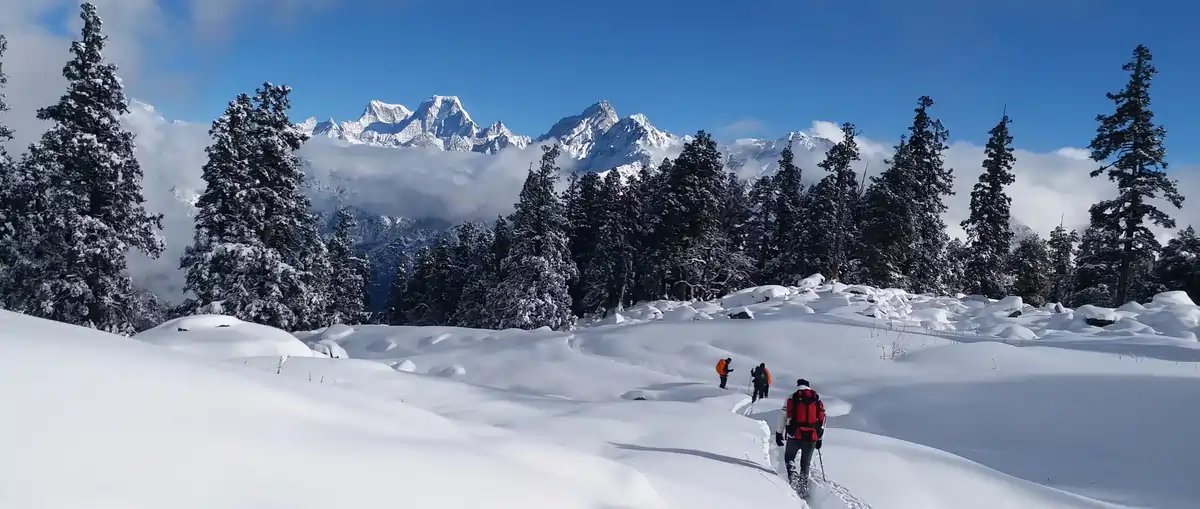 ModerateSpring, Summer, Autumn
Kuari Pass Trek
The Kuari Pass Trek is stunning in the Garhwal Himalayas, known for its scenic landscapes and panoramic views of snow-capped peaks like Nanda Devi, Dronagiri, Kamet, and Hathi Parvat. The trail passes through dense rhododendron and oak forests, open alpine meadows, and small traditional villages, offering a perfect mix of nature and local culture. This trek, also called the “Curzon Trail”, is suitable for both beginners and experienced trekkers. The route starts in Rishikesh, passes through Joshimath, Akhrotghetta, and Khullara, and reaches the famous Kuari Pass, offering clear views of the surrounding Himalayan peaks. Trekkers stay in camps along the way, experience the fresh mountain air, and enjoy the peaceful high-altitude landscapes.The Kuari Pass Trek is a great choice for those looking for a moderate trek with rewarding views, serene nature, and a memorable Himalayan experience.Quick Facts About Kuari Pass TrekRegion Covered: Chamoli District, UttarakhandStart/End Point: Rishikesh/JoshimathHighest Altitude: Kuari Pass – 12,516 ft (3,814 m)Trek Difficulty: Moderate (suitable for beginners with basic fitness)Trek Distance: Approx. 19 km (one-way on foot)Total Drive Distance: Approx. 518 km (round trip from Rishikesh via Joshimath)Temperature Range:Day: 10°C – 20°CNight: 2°C – 10°C (varies by season and altitude)Best Time to do the Kuari Pass TrekThe trek can be enjoyed during two main seasons, each offering its own unique experience of the Garhwal Himalayas. March to June – Spring to Early Summer- Blooming rhododendron forests and green alpine meadows- Clear skies with pleasant weather for trekking and photography- Daytime temperatures: 10°C – 20°C | Night temperatures: 2°C – 10°C- Snow melts from higher altitudes by late April, opening the pass- Ideal conditions for camping and trekkingSeptember to November – Autumn- Crystal-clear views of Himalayan peaks after the monsoon- Daytime temperatures: 10°C – 18°C | Night temperatures: 2°C – 8°C- Stable trails with less slippery conditions- Crisp air and bright sunlight, ideal for photography and sightseeingNote: Monsoon season (July-August) is not recommended due to landslides, slippery trails, and heavy rainfall. Always check weather forecasts before starting the trek.Why You Should Do the Kuari Pass Trek?The reasons you must do Kuari Pass treks are:Beginner-Friendly: Moderate trek suitable for first-time trekkers with basic fitness.Scenic Beauty: Offers a combination of lush forests, alpine meadows, streams, and panoramic Himalayan views.Cultural Experience: Walk through remote Garhwali villages and interact with locals.Camping Experience: Enjoy overnight camping at scenic locations under the starry Himalayan sky.Photography Paradise: Perfect for landscape, nature, and sunrise photography.Accessible: Starts from Rishikesh and is easily reachable by road.The Curzon Trail: History & LegacyThe Kuari Pass Trek is famously known as the Curzon Trail, named after Lord Curzon, the British Viceroy of India, who explored the Garhwal Himalayas in the early 20th century. The trail was originally used by British explorers and officials as a route to map the high-altitude regions and study the Himalayan terrain. Today, trekkers follow the same historic path, passing through dense forests, alpine meadows, and remote Garhwali villages, experiencing the same landscapes that inspired early explorers. Walking this trail offers a unique sense of adventure and legacy, as you trace the footsteps of pioneers who first charted these mountains. Along the way, you’ll encounter traditional villages, flowing streams, and panoramic Himalayan vistas, all of which reflect both the natural beauty and cultural heritage of the region. The Curzon Trail connects modern trekking with history, making the journey to Kuari Pass not only a physical adventure but also a walk through time.Trek Preparation & Essentials for Kuari Pass TrekClothing: 2-3 warm layers, a windproof jacket, trekking pants, and a waterproof poncho.Footwear: Good trekking shoes with ankle support.Accessories: Sunglasses, cap, gloves, sunscreen.Essentials: Personal medication, water bottle, energy bars, and a waterproof backpack.Fitness Tip: Practice short hikes and basic cardio at least 2 weeks before the trek.Tips for First-Time Trekkers- Start your trek slowly to adjust to the altitude- Stay hydrated and avoid heavy meals before trekking- Follow the guide’s instructions at all times- Carry light luggage; essentials only- Respect local culture and environmentKuari Pass Trek Package by Himtrek – Rs. 9000Experience the majestic Garhwal Himalayas with Himtrek’s Kuari Pass Trek Package. This thoughtfully curated trek ensures a complete adventure – from guided trekking, camping, and meals to permits and safety arrangements. The package is designed to offer an unforgettable Himalayan experience, covering lush forests, alpine meadows, and snow-clad peaks while providing comfort and support throughout your journey. Planning your next Himalayan escape? Contact Himtrek for personalised trek recommendations; we’ll help you pick the perfect trek for your adventure level and vibe.
 EasyWinter
Manali Winter Expedition
The trek begins from the picturesque hill station of Manali and takes you through the lush green forests of pine,oak, and maple trees, as you gain altitude towards the Hampta Pass.The Manali Winter Expedition trek route also includes the beautiful villages of Sethan and Chika and the stunning Hampta snow valley. Trekkers can also enjoy panoramic views of the towering Himalayan peaks, including Deo Tibba, Indrasan, and Hanuman Tibba. The trek is best enjoyed during the winter months, from November to March, when the weather is pleasant and the snow has melted. The trail is well-marked, and the trekkers are accompanied by experienced guides and porters who ensure their safety and comfort during the trek.
 EasyAll Season
Mcleodganj Cultural Tour
McleodGanj cultural tour offers a unique opportunity to immerse yourself in the rich tapestry of Tibetan and Indian heritage nestled in the picturesque landscapes of Himachal Pradesh. Known as “Little Lhasa,” McLeodGanj is a vibrant center of Tibetan Buddhism and culture, home to the Dalai Lama and the Tibetan government-in-exile. The tour typically begins with a visit to the Tsuglagkhang Complex, also known as the Dalai Lama Temple.This spiritual hub is the heart of Tibetan Buddhism in McleodGanj and serves as the residence of His Holiness the Dalai Lama. McleodGanj cultural tour also includes a short trek to the Bhagsu Waterfall and a visit to the nearby Bhagsunath Temple. Adjacent to the temple is the Tibetan Museum, an essential stop on the McleodGanj cultural tour. The museum provides a comprehensive overview of Tibetan history, culture, and the ongoing struggle of the Tibetan people in exile.McleodGanj cultural tour also includes a short trek to the Bhagsu Waterfall and a visit to the nearby Bhagsunath Temple. In summary, the McleodGanj cultural tour is an enriching journey through the spiritual, historical, and cultural landscapes of this unique town. It offers a perfect blend of Tibetan Buddhist heritage, natural beauty, and historical sites, making it an unforgettable experience for travelers seeking both cultural depth and scenic beauty.Know More About McleodGanj form WikipediaQuick Facts: Region: Mcleodganj, Himachal PradeshDuration: 2D/1NMcleodganj Height: 6,831 feet How to Reach?Mcleodganj is a well-connected suburb, whether you use a taxi, the public transportation system, or your vehicle. Although there isn’t much bus service to Mcleodganj from the nearby cities, you may easily take a bus to Dharamshala ISBT. You can take a bus or a taxi from here to Mcleodganj. To reach Dharamshala, you can choose from any of the following transport options- By Road- All of Himachal Pradesh’s major cities may be reached by road from Dharamshala. Take a state-owned bus or travel along the national route to Dharamshala to get to this city. Buses run directly to this city from Chandigarh (275 km), Jalandhar (154 km), and Amritsar (187 km). From Dharamshala, there are Volvo, luxury, and sleeper buses that travel to Delhi, Amritsar, Jalandhar, and Chandigarh.By Train-The closest significant railway station is 85 kilometers distant in Pathankot. Many trains that travel to Jammu and Kashmir make stops in Pathankot. To get to Dharamshala from Pathankot, you can take a taxi or a bus. Even though Kangra Mandir railway station is only 22 kilometers from Dharamshala, it does not have good access to big cities.By Air- The primary domestic airport servicing Dharamshala is Gaggal Airport, which is located around 15 kilometers from the city core. From cities like Delhi and Chandigarh, airlines like Jagson Airlines, Air India Regional, and SpiceJet offer regular flight services.More Treks in McleodGanj:-Mcleodganj Triund BirIndrahar Pass Trek, McleodganjFor more Treks visit Himtrek
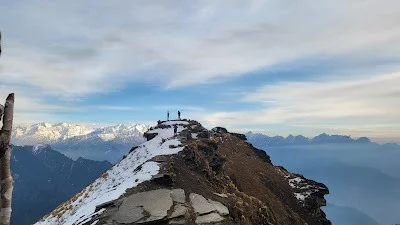 Easy-ModerateWinter
Chandrakhani Winter Expedition
Chandrakhani Winter Expedition Trek offers a view of some of the biggest Himalayan dwellings that follow your adventures.Witness the splendor of the Pir Panjal ranges falling in the north.The Parvati rising high in the east, and the Bara Bangal range in the west.With vibrant meadows spreading out against the backdrop of majestic peaks, it embraces you.For More Treks visit Himtrek
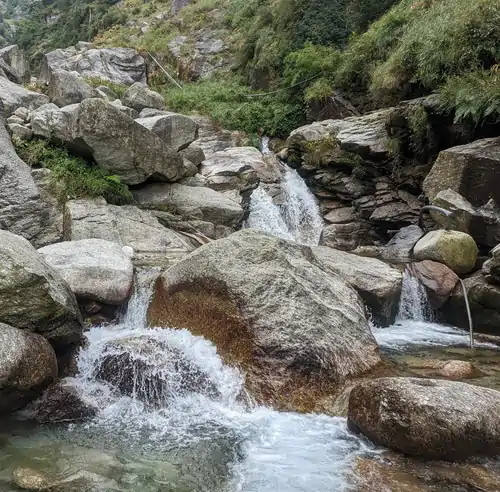 EasyAutumn, Spring, Summer, Monsoon
Gallu Waterfall
Mcleodganj, a charming town set against the backdrop of the Dhauladhar Range in Himachal Pradesh, is renowned for its scenic beauty and spiritual significance. Among its many attractions, the Gallu Devi Temple stands out as a serene retreat. Located on a hilltop, the temple is dedicated to Gallu Devi, a local deity revered for her protective and benevolent qualities.The temple’s peaceful atmosphere is complemented by panoramic views of the surrounding Himalayan peaks and verdant valleys, providing a perfect spot for meditation and reflection.A short and invigorating trek from the Gallu Devi Temple leads adventurers to the Hidden Waterfall, a secluded natural wonder that captures the essence of Mcleodganj’s rugged charm. The path to the waterfall meanders through dense forests and rocky terrain, adding an element of adventure to the journey. Once reached, the waterfall, cascading gracefully over a series of rocky steps, pours into a pristine pool surrounded by lush foliage. This serene setting offers a refreshing respite and a chance to connect with nature’s beauty.The Hidden Waterfall’s seclusion adds to its allure, making it a perfect destination for those seeking tranquility away from the more frequented tourist spots. Together, the Gallu Devi Temple and Hidden Waterfall provide a harmonious blend of spiritual solace and natural splendor, making them a must-visit for anyone exploring the enchanting landscape of Mcleodganj. Gallu WaterfallQuick Facts: Gallu Waterfall Hike Region: Mcleodganj, Himachal PradeshGallu Waterfall Hike Duration: 2D/1NGallu Waterfall Hike Height: 7,200 feet Gallu Waterfall Hike difficulty level- Easy to ModerateHow to Reach?McLeodganj is a well-connected suburb, whether you use a taxi, the public transportation system, or your vehicle. Although there isn’t much bus service to McLeodganj from the nearby cities, you may easily take a bus to Dharamshala ISBT. You can take a bus or a taxi from here to McLeodganj. To reach Dharamshala, you can choose from any of the following transport options- By Road- All of Himachal Pradesh’s major cities may be reached by road from Dharamshala. Take a state-owned bus or travel along the national route to Dharamshala to get to this city. Buses run directly to this city from Chandigarh (275 km), Jalandhar (154 km), and Amritsar (187 km). From Dharamshala, there are Volvo, luxury, and sleeper buses that travel to Delhi, Amritsar, Jalandhar, and Chandigarh.By Train-The closest significant railway station is 85 kilometers distant in Pathankot. Many trains that travel to Jammu and Kashmir make stops in Pathankot. To get to Dharamshala from Pathankot, you can take a taxi or a bus. Even though Kangra Mandir railway station is only 22 kilometers from Dharamshala, it does not have good access to big cities.By Air- The primary domestic airport servicing Dharamshala is Gaggal Airport, which is located around 15 kilometers from the city core. From cities like Delhi and Chandigarh, airlines like Jagson Airlines, Air India Regional, and SpiceJet offer regular flight services.More Treks in Mcleodganj:-HimtrekMcLeodGanj Triund TrekMcleodganj Bir BillingKnow More about Mcleodganj From Wikipedia
 Easy-ModerateSummer, Monsoon, Autumn
Spiti Valley Road Trip From Delhi/Shimla
Embarking on a road trip from Shimla to Spiti Valley promises an extraordinary journey through some of India’s most dramatic and remote landscapes.Starting from Shimla, a charming hill station known for its colonial architecture and scenic beauty, you’ll drive through the lush Kinnaur Valley, where terraced fields and apple orchards meet rugged mountains.The route ascends to the stark and awe-inspiring terrain of Spiti Valley, renowned for its high-altitude desert landscape and clear blue skies. As you navigate through winding mountain roads and cross high passes like Kunzum La, you’ll witness stunning vistas of snow-capped peaks and deep river gorges.The trip offers a deep dive into the unique culture of the region, with opportunities to explore ancient monasteries such as Key Monastery and enjoy the tranquil atmosphere of villages like Kaza and Tabo. Each turn in the road reveals new panoramas and hidden gems, from the turquoise waters of Chandratal Lake to the architectural marvels of old Tibetan-style houses.Although the journey is challenging due to its rough terrain and high elevation, it rewards travelers with unparalleled natural beauty, rich cultural experiences, and a profound sense of adventure.Himachal Pradesh Spiti Valley is a cold desert region. The valley, marking the starting point of Kunzum Pass, often earns the moniker “the middle land”—a term that can refer to the area halfway between Tibet and India or the region bordered by mountains on all sides. The Spiti River, which has its source east of the Kunzum Pass, flows through the valley’s centre and is responsible for both the district’s and valley’s names.Spiti Valley’s history depicts the Mesozoic Era. Approximately 150 million years ago, the Earth’s landmasses divided into Laurasia and Gondwana. Between these continents used to lay the sole ocean, the Tethys Sea.The Himalayas were created as a result of the collision of these two continents as they began to drift in the same direction. The Tethys Sea vanished, and the once-alive marine life perished and became fossilized. The Tethys Sea used to be in the Spiti Valley, a region of the trans-Himalayan range, and some of the fossilized animals can still be seen there.It is simple to locate fossil imprints on stone, and while you are here, you will see stores selling them.Spiti Valley is home to several must-visit attractions that are utterly captivating. Highlights include the ancient monasteries of Tabo and Key, the remote villages of Kibber and Langza, and the awe-inspiring Chandratal Lake, which remains frozen during winter. These attractions provide a glimpse into the region’s history, spirituality, and natural wonders.One should travel to this serene location since the Spiti valley trip is one of India’s undiscovered adventure locations. A road trip to Spiti Valley can be a truly magical and unforgettable experience.Quick Facts: Region: Spiti Valley, Himachal PradeshStart/ End Point of the Trek: Delhi/ShimlaDuration: 9D/8NSpiti Valley Road Trip Height: 14,000 feetSpiti Valley Road Trip Temperature: Day: (5°C to 15°C) and Night: (-5°C to 5°C)Best Time to do Spiti Valley Road Trip: June to OctoberHow to Reach?The Spiti Valley Road Trip from Shimla has its starting point in Delhi, the capital of the country. To reach Delhi, you can choose from any of the following transport options –By Road:Delhi is very well connected by road with all the major cities of the country.By Train:Delhi has multiple railway stations and almost every other major railway station of the country is connected to Delhi via train.By Air:Delhi has Indira Gandhi International Airport, which is well-connected nationally, and internationally, with frequent flights from all over the world by top airlines.8 Nights 9 Days Available on requestKindly review the Terms and Conditions before proceeding with your booking.
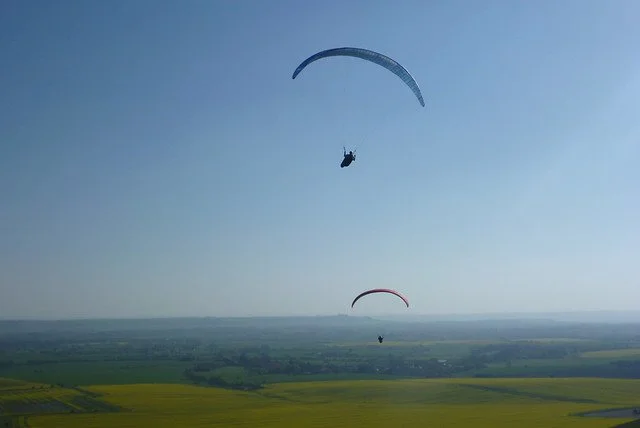 EasySpring, Summer, Monsoon, Autumn, Winter
Waterfall Trek In Bir Billing
The Waterfall Trek in Bir Billing is an enchanting journey through the picturesque landscapes of Himachal Pradesh, India. This trek is a delightful exploration of the natural beauty and cultural richness of the region. Beginning from the charming town of Bir, renowned for its serene monasteries and vibrant paragliding scene, the trail meanders through dense forests and terraced farms.As trekkers ascend, they encounter a series of breathtaking vistas, including sweeping views of the Kangra Valley and the majestic Dhauladhar mountain range. The trek’s main attraction is the stunning waterfall, which is nestled in a tranquil setting surrounded by verdant foliage and rocky outcrops. The sound of the cascading water adds a soothing soundtrack to the hike, making it a perfect spot for a rest, meditation, or a picnic.The trek is moderately challenging, with well-defined paths that are manageable for beginners and rewarding for experienced hikers. Along the way, trekkers have the opportunity to interact with local villagers, experiencing traditional Himachali culture and hospitality firsthand. The journey is not only a visual feast but also a chance to immerse oneself in the serene environment and vibrant local life, making the Waterfall Trek in Bir Billing a memorable adventure for nature enthusiasts and cultural explorers alike.Visit more Trek in HimtrekKnow More about Bir Billing from WikipediaQuick Facts: Region: Bir, Himachal PradeshStart/ End Point of the Trek: BirDuration: 2D/1NWaterfall Trek Height: 4,920 feet Waterfall Trek in Bir Billing Difficulty Level: EasyHow to Reach- The waterfall trek in Bir Billing starts from Bir. To reach there, you can choose from any of the following transport options- By Road- Bir is well-connected by road to major cities in Himachal Pradesh and neighboring states. There are regular bus services from cities like Delhi, Chandigarh, and Dharamshala to Bir, with options ranging from Volvos to HRTC. By Train-The nearest major railway station to Bir is in Pathankot, approximately 85 kilometers away. From Pathankot, you can take a taxi or bus to Bir. Another option is to travel to the railway station in Joginder Nagar, which is closer to Bir (about 50 kilometers) and accessible via a narrow-gauge train from Pathankot.By Air- The nearest airport to Bir is in Kangra, at Gaggal, which is about 67 kilometers away. From Gaggal Airport, you can hire a taxi or take a bus to Bir. The Gaggal Airport has flights connecting it to major cities like Delhi. Alternatively, you can fly into the airport in Dharamshala, which is about 70 kilometers from Bir.
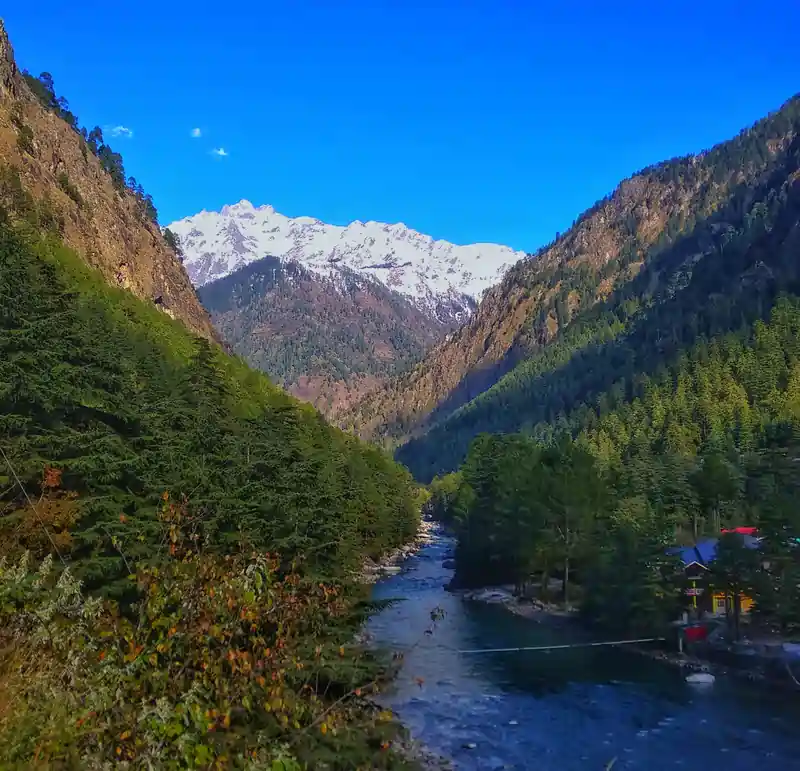 EasySummer, Monsoon, Winter, Autumn, Spring
Manali to Jibhi Trip
Where snow peaks kiss the clouds and pine forests whisper in the wind – the Manali to Jibhi Trip is your perfect mountain escape.This short yet refreshing getaway combines the charm of Manali’s bustling town life with the hidden calm of Jibhi Valley, often called “Himachal’s best-kept secret.”Begin your journey from Manali, surrounded by the Beas River and snow-capped mountains, and travel towards Jibhi – a tranquil hamlet tucked deep within the Banjar Valley. Along the way, witness apple orchards, wooden Himachali houses, and rolling meadows that look straight out of a postcard.Whether you are chasing waterfalls, sipping chai by the riverside, or simply watching the clouds drift over cedar peaks, every moment here feels like a pause in time.Perfect for couples, backpackers, and nature lovers, this trip blends adventure, serenity, and local culture – all within a few unforgettable days.So, pack your backpack, let the mountains whisper your next story, and get ready for a weekend that feels like therapy.Quick Facts About Manali to Jibhi TripRegion Covered: Himachal Pradesh (Manali – Kasol – Jibhi)Start/End Point: ManaliDuration: 4 Days / 3 NightsHighest Altitude: Jibhi – 6,000 ft approx.Difficulty Level: Easy (ideal for beginners and nature lovers)Accommodation: Hotels / Riverside CampsTotal Distance: Approx. 220 km (Manali to Jibhi round trip)Temperature Range: Day: 12°C to 25°C | Night: 2°C to 10°CBest Time to do Manali to Jibhi TripThe best time to do the Manali to Jibhi Trip depends on the kind of experience you want.March to June – Summer SerenityScenery: Lush green forests, clear skies, and blooming meadows.Vibe: Perfect for sightseeing, trekking, and riverside picnics.Temperature: Day: 15°C to 25°C | Night: 8°C to 12°CThis is the most popular time for travelers who want to enjoy comfortable weather and outdoor adventures.July to September – Monsoon MagicScenery: Waterfalls in full flow, misty valleys, and vibrant greenery.Vibe: Peaceful and refreshing, though expect light rains.Temperature: Day: 14°C to 22°C | Night: 10°C to 15°CIdeal for nature photographers and peace-seekers who love the charm of monsoon hills.October to February – Winter WonderlandScenery: Snow-dusted peaks and crisp mountain air.Vibe: Calm, cozy, and perfect for a romantic winter escape.Temperature: Day: 5°C to 12°C | Night: -3°C to 5°CWinter turns Jibhi into a fairytale village, with occasional snowfall adding to the beauty.How to Reach ManaliBy Air:The nearest airport is Kullu–Manali Airport (Bhuntar), around 50 km from Manali. You can easily find taxis or cabs from the airport to reach Manali and later Jibhi.By Train:The closest major railway station is Chandigarh, about 290 km away. From there, you can take a bus or hire a cab to reach Manali.By Road:Manali is well-connected to Delhi and other North Indian cities by road. Regular Volvo and HRTC buses operate overnight from Delhi to Manali (approx. 12–14 hours).From Manali, Jibhi is around 100 km and takes about 3-4 hours to reach by car.Manali to Jibhi Trip Package by HimtrekEmbark on a scenic 4-day Himalayan escape with Himtrek’s Manali to Jibhi Trip, priced at ₹15,999 per person. Experience the vibrant streets of Manali, the peaceful riverside trails of Jibhi, and the pristine beauty of Tirthan Valley.This Manali to Jibhi trip blends mountain adventure, nature, and serenity – from hidden waterfalls and pine forests to cozy overnight stays amid the hills. Whether you are seeking a family getaway, a romantic retreat, or a rejuvenating break in nature, this trip promises unforgettable Himalayan memories.Contact us for detailed information about other treks too.
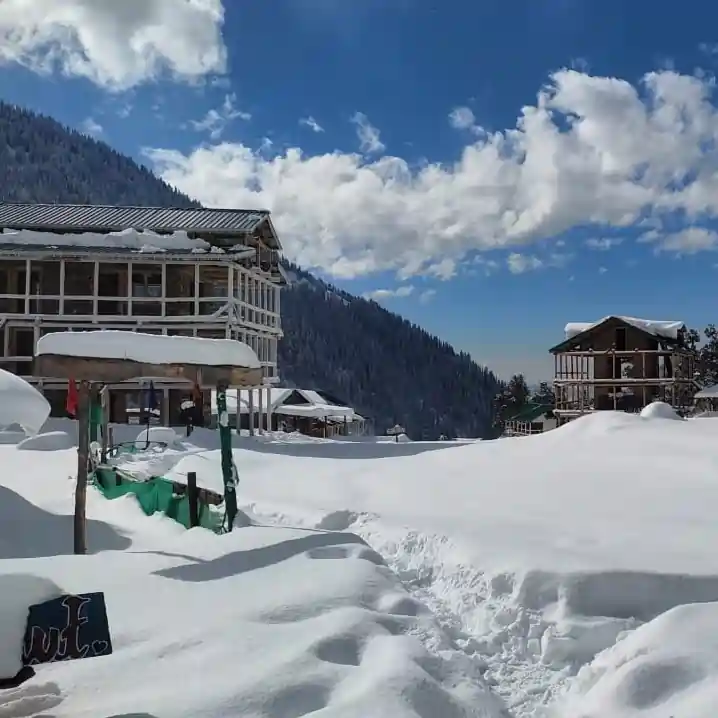 EasyAll Season
Road Trip to Malana Trekking from Kasol
A Jeep safari from Kasol to Malana Trekking is an adventurous and scenic journey through one of Himachal Pradesh’s most captivating regions. The journey begins in Kasol, a picturesque village nestled in the Parvati Valley, famous for its serene landscapes, vibrant local culture, and charming cafes. As you depart Kasol, the rugged terrain and winding roads offer a thrilling drive through lush pine forests, terraced fields, and sparkling rivers, providing stunning panoramic views of the Himalayan foothills.The route is an exhilarating experience, with the Jeep expertly navigating steep ascents and descents, showcasing the diverse beauty of the region. The journey allows you to witness the dramatic shift in scenery as you ascend towards Malana, a remote and historically significant village. Malana is known for its unique social structure and isolationist traditions, which have preserved its distinctive way of life and cultural heritage. The village, often referred to as the “Little Greece of the Himalayas,” is famous for its traditional customs, ancient temples, and the renowned Malana Cream—a high-quality hashish that has gained international fame.Upon reaching Malana, you’ll have the opportunity to explore its narrow, winding lanes, interact with the locals who maintain a traditional lifestyle, and enjoy the serene beauty of the surrounding landscapes. This Jeep safari combines the thrill of off-roading with a deep dive into the rich cultural tapestry of one of Himachal Pradesh’s most intriguing locales. It’s a perfect blend of adventure and cultural immersion for those seeking both excitement and a deeper connection with the region.Quick Facts: Region: Parvati Valley, Himachal PradeshStart/ End Point of the Malana Trekking: KasolDuration: 2D/1NMalana Trekking Height: 8,700 feet How to Reach- The Jeep Safari to Malana Trekking starts from Kasol. To reach there, you can choose from any of the following transport options- By Road- The quickest and most economical way to get to Kasol. Several private and government-run buses, including luxury and semi-deluxe options, operate on this route directly from Delhi, Chandigarh, and other major nearby cities.By Train-The nearest major railway station to Kasol is Joginder Nagar Railway Station, located about 125 kilometers (78 miles) away. However, many travelers prefer to reach Pathankot Railway Station or Chandigarh Railway Station, which are better connected and have more train options. From Joginder Nagar, Pathankot, or Chandigarh, you can hire a taxi or take a bus to Kasol. By Air- The closest airport to Kasol is Bhuntar Airport, located about 31 kilometers away in the town of Bhuntar. You can take a taxi or a local bus from Bhuntar Airport to Kasol. The drive takes roughly 1 to 1.5 hours and offers scenic views of the Parvati Valley.Best Stays in Kasol:- Himtrek Stays KasolHimtrek Riverside Camps, KasolMore Treks In Kasol:-Kasol Grahan TrekKasol Kheerganga Trek
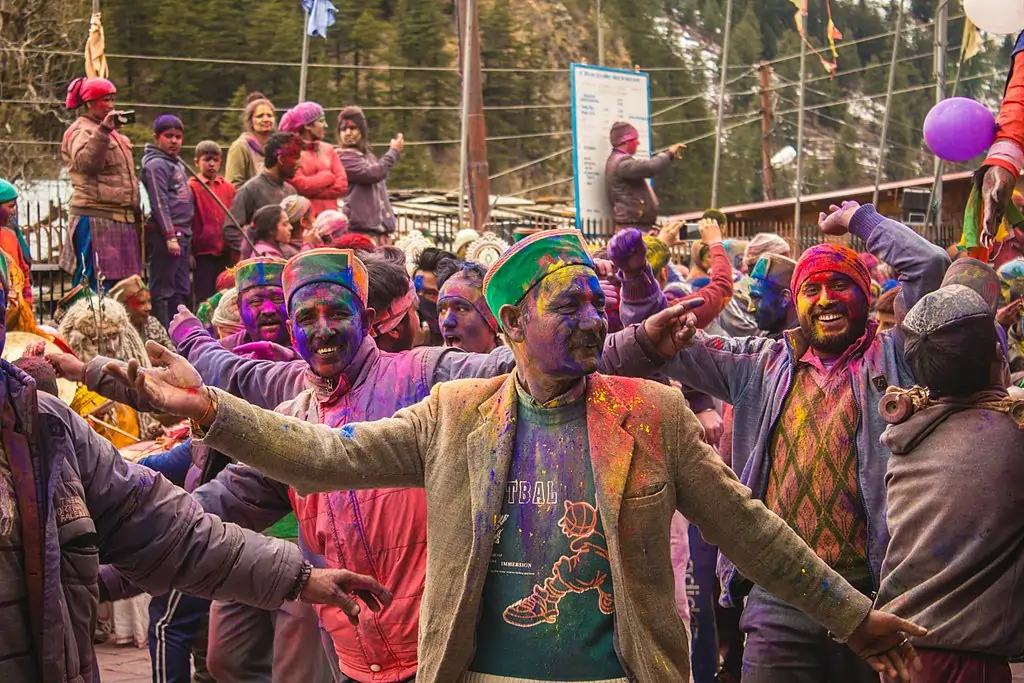 EasySpring
Sangla Holi
A Sangla Holi trip in Himachal Pradesh is a vibrant fusion of adventure, culture, and breathtaking landscapes. This trip promises a unique celebration of the festival of colors in the heart of the Himalayas, combined with serene moments amidst the region’s natural beauty.The valley town of Sangla, located within the Kinnaur district, really comes alive to the beat and rhythm of celebration during Holi. The locality celebrates the festivities with traditional melodies, folk dance, and rainbow colors. To enjoy the richness of the place, one needs to join a community celebration alongside the view of the snowclad peaks, that is exactly what this trip offers!The effervescent bonhomie, traditional kinnauri specialties, and hospitality make the entire Holi festivity here unforgettable. The journey continues to Kalpa, which is known for its peaceful atmosphere and unparalleled views of the Kinner Kailash range. The stay in Kalpa is a perfect retreat to unwind, with cozy accommodations overlooking majestic mountain vistas.Early mornings in Kalpa are magical, with the first rays of sunlight illuminating the snowy peaks. Explore the local attractions like the Kalpa Monastery, Roghi Village, and the serene apple orchards. Whether you are looking for cultural festivals or serene moments in nature, the Sangla Holi trip with a stay in Kalpa is a harmonious blend of both, perfect for this colorful festival.Quick Facts: Sangla Holi TripLocation: Sangla Valley, Kinnaur district, Himachal Pradesh.Highlights of Sangla Holi Trip:- Celebrate Holi with traditional Kinnauri music, dance, and local food.- Stunning views of the Himalayas and Kinner Kailash range.- Bonfires, serene mountain stays, and cultural immersion.- Explore Kalpa’s apple orchards, Kalpa Monastery, and Roghi Point.Itinerary of Sangla Holi Trip:Day 1: Delhi to Shimla | Overnight JourneyDay 2: Shimla to KalpaDay 3: Holi Celebration & Local Exploration | Kalpa to SanglaDay 4: Chitkul Excursion | Faag Mela | SanglaDay 5: Sangla to Shimla | Overnight Journey to DelhiDay 6: Arrival in DelhiInclusions: Permits, first aid, and guides.Exclusions: Private expenses and unforeseen disruptions.Trip Vibes: Festive energy + cultural experiences + serene mountain viewsMore Trek in Shimla :-Pin Bhaba Pass TrekSpiti Valley Road Trip From Delhi/ShimlaBuran Ghati TrekFor Stays in Himachal visit Himtrek StaysHow to reach : –The trip starts from Delhi, where the group assembles and gets on an overnight journey to Shimla. Delhi is very well connected to the whole country by air, bus, and train, and also well connected internationally.
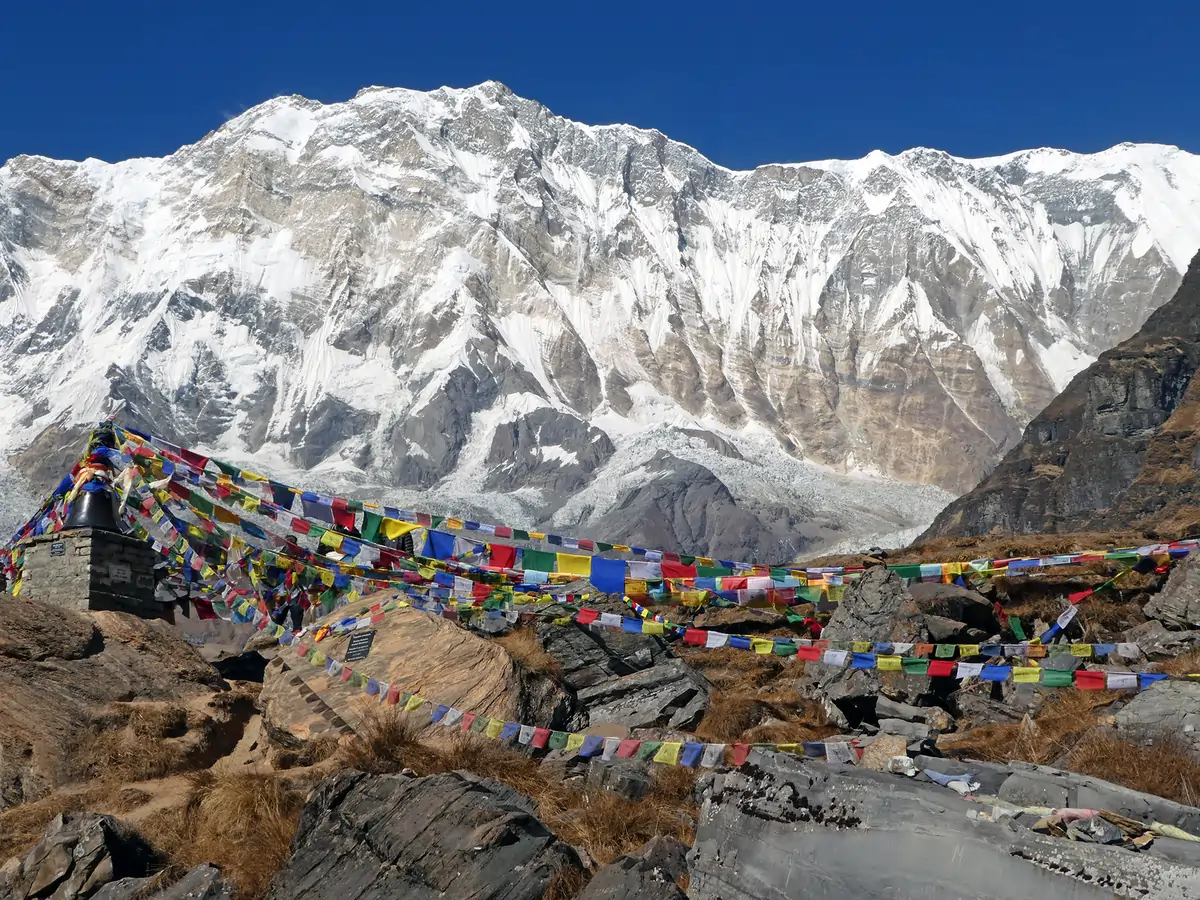 ModerateSummer, Spring, Autumn
Annapurna Base Camp Trek
The Annapurna Base Camp Trek is one of Nepal’s most scenic and accessible high-altitude treks. Located in the Annapurna Sanctuary region, this trek takes you deep into the Himalayas, surrounded by towering peaks including Annapurna I, Machhapuchhre, and Hiunchuli.Starting from Pokhara, the trail moves through traditional mountain villages, forest trails, and river valleys before reaching Annapurna Base Camp at 4,130 meters. The trek offers a mix of natural beauty, cultural interaction, and close-up mountain views throughout the journey.This trek is suitable for beginners with good fitness as well as experienced trekkers.With well-marked trails and comfortable teahouse stays, it is one of the best options for those looking to experience a classic Himalayan trek.Quick Facts About Annapurna Base Camp TrekRegion Covered: Annapurna Sanctuary, Central NepalDuration: 9 Days / 8 NightsStart/End Point: PokharaBase Village: Ghandruk / Klue regionTotal Trek Distance: Approx. 65-75 kmHighest Altitude: Annapurna Base Camp – 4,130 m / 13,550 ftDifficulty Level: ModerateAccommodation: Teahouses and lodges during the trekTemperature Range:Day: 8°C to 18°CNight: -5°C to 5°CBest Time to Do the Annapurna Base Camp TrekThe best time to trek to Annapurna Base Camp is during clear and stable weather seasons.March to May (Spring)- Pleasant temperatures and blooming rhododendron forests- Clear views of Annapurna peaks- Ideal trekking conditionsSeptember to November (Autumn)- Stable weather and crisp air- Excellent visibility of Himalayan ranges- Peak trekking seasonNote: Monsoon season (June to August) brings heavy rainfall and slippery trails, making trekking conditions difficult.How to Reach Pokhara (Starting Point)By Air:Nearest Airport: Pokhara AirportDirect flights available from Kathmandu (approx. 25 minutes)By Train:No direct train connectivityNearest railheads: Gorakhpur or Raxaul, followed by road journeyBy Road:Kathmandu to PokharaDistance: approx. 200 kmTravel time: 6-8 hoursAnnapurna Base Camp Trek Package by Himtrek – ₹35,500Himtrek’s Annapurna Base Camp Trek package at ₹35,500 per person is designed to offer a safe and comfortable trekking experience. The package includes teahouse accommodation, all meals during trekking days, experienced guides, permits, and full logistical support.The itinerary is planned with gradual altitude gain, ensuring proper acclimatisation and reduced risk of altitude sickness. With experienced staff and structured planning, trekkers can enjoy the journey with confidence.For bookings and more information, please contact the Himtrek team.Experience the Annapurna SanctuaryThe Annapurna Base Camp Trek takes you into the heart of the Annapurna Sanctuary, a natural amphitheater surrounded by some of the highest peaks in the world.- Surrounded by peaks like Annapurna I, Machapuchare (Fishtail), and Hiunchuli- The valley opens up gradually, revealing a wide snow-covered basin- Views become more dramatic as you move closer to the base camp- The final stretch feels peaceful, remote, and truly Himalayan- Reaching Annapurna Base Camp feels like standing in the middle of a natural mountain arena.Changing Landscapes on the TrekOne of the best parts of this trek is how the scenery changes every day.- Start through lush green forests and terraced fields- Pass through traditional villages like Chhomrong and Bamboo- Walk along rivers, waterfalls, and narrow valleys- Gradually enter alpine zones with snow and rocky terrain- End at a high-altitude glacier basin surrounded by peaks- This constant change in landscape makes the trek visually rich and engaging throughout.
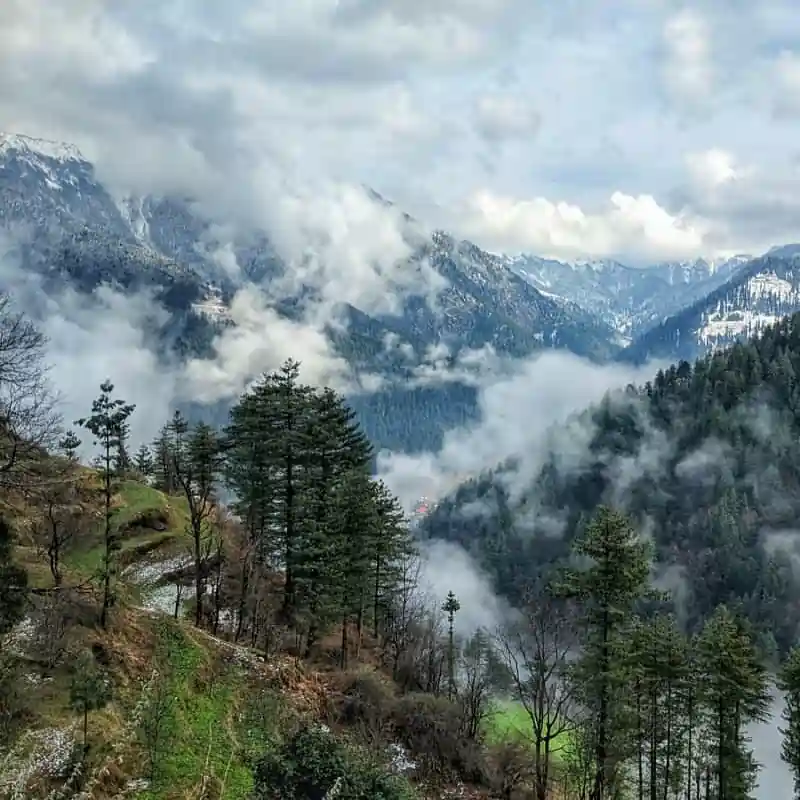 EasySpring, Summer, Monsoon, Autumn
Chehni Kothi trek
The Chehni Kothi trek, situated in Himachal Pradesh, India, offers an immersive journey into the serene beauty of the Kullu Valley. This trek takes you to the Chehni Kothi, an ancient tower-like structure that stands at an elevation of around 2,400 meters. This multi-story tower, built entirely from wood and without the use of nails, is an architectural marvel.It reflects the region’s traditional craftsmanship and serves as a cultural landmark. The trek begins from the village of Jibhi, known for its picturesque landscapes and traditional wooden houses. As you ascend, you’ll traverse lush pine forests, terraced fields, and charming villages, each offering a glimpse into the local lifestyle and culture.The highlight of the trek is the Chehni Kothi itself—a unique, centuries-old structure built without the use of nails, showcasing intricate wooden craftsmanship. The trek is moderately challenging, making it accessible for those with a reasonable level of fitness, and provides breathtaking views of the surrounding Himalayan peaks and valleys. Overall, the Chehni Kothi trek is a rewarding experience for nature enthusiasts and cultural explorers alike.Quick Facts: Region: Tirthan Valley, Himachal PradeshStart/ End Point of the Trek: JibhiDuration: 8D/7NChehni Kothi Trek Height: 7,874 feet Chehni Kothi Trek Difficulty Level: EasyChehni Kothi Trek Temperature: Day: (10°C to 20°C) and Night: (5°C to 10°C) Best Time to do Chehni Kothi Trek: March to NovemberHow to Reach?The Chehni Kothi Trek starts from Jibhi. To reach there, you can choose from any of the following transport options-By Road- Regular bus services (both government and private) are available from Delhi, Chandigarh and other nearby major cities to Aut or Banjar, the nearest major towns. From Banjar, Jibhi is about 8 km away, and you can hire a taxi or take a local bus. By Train-The closest major railway stations are Chandigarh (approximately 270 km from Jibhi) and Ambala Cantt (about 300 km away). The alternative railway station to Jibhi is Jogindernagar. Other train routes to Jibhi include those through Chandigarh and Ambala. From these railway stations, you can hire a taxi directly to Jibhi or take a bus to Aut or Banjar and then a taxi or local bus to Jibhi.By Air- The closest airport is Bhuntar Airport (Kullu-Manali Airport), located about 60 km from Jibhi. You can hire a taxi directly to Jibhi, which takes about 2 hours.More Treks in Himachal Pradesh:-Chandrakhani Winter ExpeditionWinter Spiti Road TripMore at HimtrekBest Stays in Himachal Pradesh:-Monkey Mud House & Camps, BirDoghari Chalets by Himtrek StaysDingle House, Dalhousie
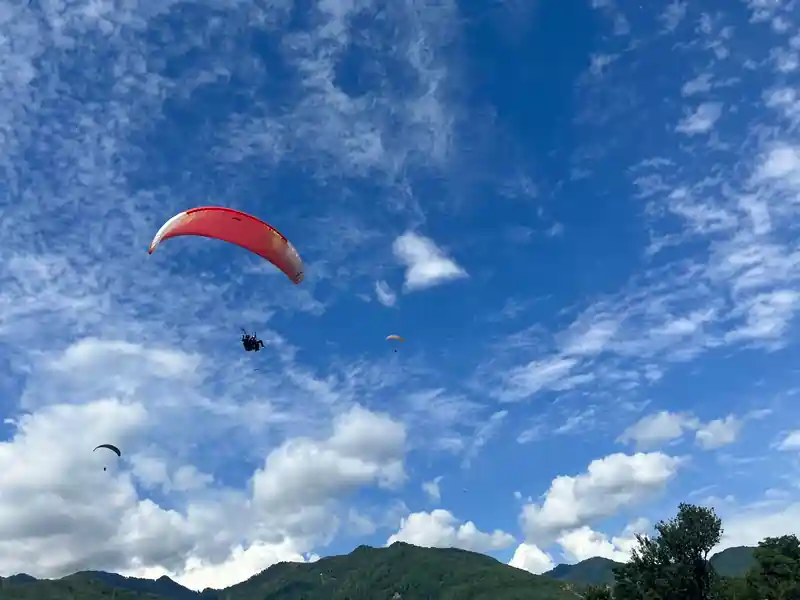 EasyAll Season
Paragliding In Bir Billing With Camping
One of the sites where trekkers might discover seclusion and bliss is Himachal Pradesh! Adventurers would adore the thought of spending their precious time in Himachal Pradesh, the home of the Gods! You may get away from the busy cities’ noise and pollution for a short weekend with camping and paragliding adventures at Bir Billing.Located in the picturesque state of Himachal Pradesh, Bir Billing is renowned as one of the best destinations for camping and paragliding in the country. Take a break from your routine life and immerse yourself in Himachal Pradesh’s serene beauty and tranquility.In the world, people regard Bir Billing as one of the top paragliding locations. After the Paragliding Pre-World Cup, it gained additional notoriety. One of the best aero sports locations in the world is the scenic valley nestled between the Dhauladhar mountain ranges. The location of Bir Billing is fantastic for engaging in this adventure sport. The topography, excellent launch and landing sites, and good weather all year round make it the finest place!Relax amid the valley’s beautiful greenery! You may unwind and unwind by going on a trek and camping in Bir Billing. Rediscover yourself anew in the setting’s alluring beauty. Trek to the charming towns. The mesmerizing splendor of the villages will take your breath away.Spend some quiet time strolling among the lush Deodar, Oak, and Rhododendron forests. Paraglide to see the magnificent Himalayas from above! Take the ideal pictures with your camera so you may always have the recollections! Professional pilots will be on hand to assist and ensure that your flying experience is the finest possible. Enjoy the magnificent sights of this adventurous location while chilling out!2 Nights 3 Days Available on request birKindly review the Terms and Conditions before proceeding with your booking.
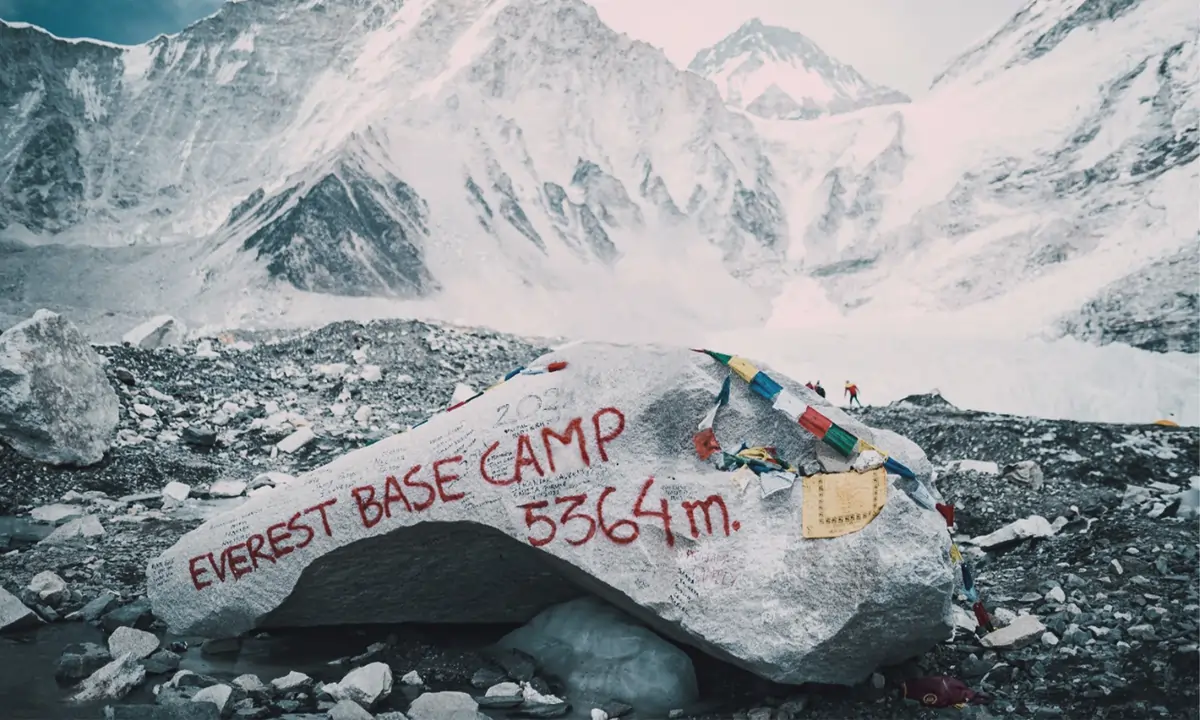 ModerateSpring, Summer, Autumn
Everest Base Camp Trek
The Everest Base Camp Trek is one of the most iconic and rewarding treks in the world. It takes you to the base of Mount Everest, the highest mountain on Earth, standing at 8,848 meters. Located in the Khumbu region of Nepal, this trek offers a powerful mix of natural beauty, high-altitude adventure, and cultural experience.The journey begins with a scenic flight to Lukla town, followed by a gradual trek through beautiful Himalayan villages. Along the way, you pass through famous stops like Namche Bazaar, the main hub of the region, and Tengboche, known for its monastery and mountain views. The trail moves through suspension bridges, dense forests, rocky paths, and glacial landscapes.As you go higher, the views become more dramatic. You will see some of the world’s most famous peaks, including Mount Everest, Lhotse, Nuptse, and Ama Dablam. Each day brings a new landscape, from green valleys to rugged high-altitude terrain.Reaching Everest Base Camp (5,364 meters) is a special moment for every trekker. It is not just about the destination, but the entire journey – the effort, the views, and the experience of walking in the heart of the Himalayas.This trek does not require technical climbing skills, but it is physically demanding. Long walking days, high altitude, and changing weather conditions make it a challenging yet highly rewarding adventure. It is best suited for trekkers with good fitness and strong determination.Quick Facts About Everest Base Camp TrekRegion Covered: Khumbu Region, Nepal HimalayasDuration: 13 Days / 12 NightsStart/End Point: KathmanduBase Point: LuklaTotal Trek Distance: Approx. 120-130 km round tripHighest Altitude: Kala Patthar – 5,545 m / 18,192 ftDifficulty Level: Moderate to DifficultAccommodation: Teahouses/lodges throughout the trekTemperature Range:Day: 5°C to 15°C/ Night: -10°C to -2°CBest Time to Do the Everest Base Camp TrekThe Everest Base Camp Trek is best done during stable weather seasons with clear mountain views.March to May (Spring)- Clear skies and moderate temperatures- Rhododendron forests in bloom- Popular trekking season with good visibilitySeptember to November (Autumn)- Crisp air and excellent mountain views- Stable weather conditions- Ideal for photography and trekkingNote: Avoid monsoon (June-August) due to rain and poor visibility, and winter (December-February) due to extreme cold and snow conditions.How to Reach Kathmandu (Starting Point for EBC Trek)By Air:Nearest Airport: Tribhuvan International Airport, KathmanduWell connected with major international citiesBy Train:No direct train connectivity to KathmanduNearest Indian railheads: Gorakhpur or Raxaul, then travel by roadBy Road:From India: Gorakhpur → Sunauli border → KathmanduDistance: approx. 300-350 kmTravel time: 8-10 hoursEverest Base Camp Trek Package by Himtrek – ₹70,500Himtrek’s Everest Base Camp Trek package at ₹70,500 per person is designed to provide a safe and well-organised Himalayan trekking experience. The package includes accommodation in teahouses, all meals during the trek, experienced guides, permits, internal transfers, and essential safety support.The itinerary is structured with proper acclimatisation days at Namche Bazaar and Dingboche to reduce altitude-related risks. With experienced support staff and a well-planned route, trekkers can complete the journey comfortably and safely.For bookings and more information, please contact us.What Makes Everest Base Camp Trek Special- Walk to the base of the highest mountain in the world- Experience the unique culture of the Sherpa community- Stay in traditional teahouses along the trail- Cross iconic suspension bridges over deep valleys- Witness changing landscapes from forests to glaciers- Reach one of the most famous trekking destinations globallyExperience of Trekking in the Khumbu Region- The Khumbu region is known for its raw Himalayan beauty- Trails pass through pine forests, rocky terrain, and glacier zones- You will walk alongside rivers like the Dudh Koshi- Small villages and monasteries appear throughout the journey- Prayer flags, mani stones, and chortens reflect local traditions- This region gives a complete Himalayan trekking experience, combining nature and culture.Sherpa Culture and Mountain Life- The Khumbu region is home to the Sherpa community- Sherpas are known for their mountaineering skills and hospitality- You will see monasteries, prayer wheels, and Buddhist traditions- Villages like Namche Bazaar offer insight into local lifestyle- Trekking here is also about understanding life in high mountainsChallenges of Everest Base Camp Trek- High altitude is the biggest challenge on this trek- Long walking hours (5–7 hours daily) require good stamina- Weather can change quickly in the mountains- Cold temperatures, especially at night- Proper acclimatization is essential for a safe journeyWhy Choose Everest Base Camp Trek- One of the most famous treks in the world- A complete mix of adventure, culture, and scenic beauty- No technical climbing required- A lifetime experience for every trekking enthusiast- Perfect for those looking for a serious Himalayan challenge
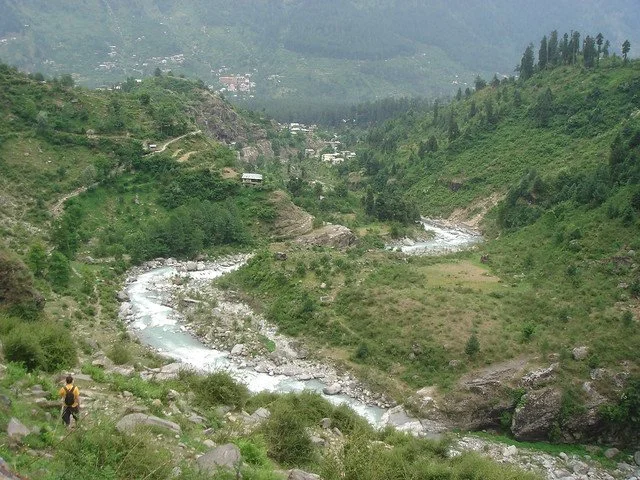 EasySpring, Summer, Monsoon, Autumn, Winter
Ultimate Himachal Backpacking Trip
Embark on an unforgettable journey through the picturesque landscapes of Himachal Pradesh with the Himachal Backpacking Trip. This adventure-packed itinerary takes you to some of the most captivating destinations in the region, including Mcleodganj, Bir, Billing, Kasol, Jibhi, Manali, and Old Manali. Prepare to be mesmerized by the stunning Himalayan vistas, immerse yourself in the vibrant local cultures, and create memories that will last a lifetime.Kick-start your Ultimate Himachal Backpacking Trip in Mcleodganj, a serene hill town known for its spiritual ambiance and Tibetan influence. Explore the bustling streets, visit the magnificent Namgyal Monastery, and discover the rich Tibetan heritage. Experience the serene beauty of the surrounding mountains, indulge in delicious local cuisine, and immerse yourself in the teachings of Buddhism.Continue your adventure to Bir and Billing, a paradise for adventure enthusiasts. Bir is famous for its Tibetan settlements and offers a unique blend of spirituality and tranquility. Head to Billing, one of the world’s top paragliding sites, and soar through the skies while taking in breathtaking views of the Dhauladhar Range. Feel the rush of adrenaline as you experience the thrill of paragliding.Continue your journey to Jibhi, a relatively offbeat destination, making it a perfect choice for those seeking a peaceful and rejuvenating getaway in the lap of nature. It offers a serene environment, breathtaking views, and ample opportunities for outdoor activities. Whether you are an adventure seeker or simply looking to relax amidst natural beauty, Jibhi is a destination worth exploring.Next, make your way to Kasol, a charming village nestled in the Parvati Valley. Known as a backpacker’s haven, Kasol captivates visitors with its scenic beauty, riverside campsites, and vibrant atmosphere. Immerse yourself in the hippie culture, explore the local markets, and savor a variety of cuisines. Relax by the Parvati River, embark on nature walks, and connect with fellow travelers in this laid-back destination.From Kasol, head to the vibrant town of Manali, nestled amidst the Himalayan mountains. Engage in thrilling activities like river rafting, trekking, and skiing in the Solang Valley. Visit the iconic Hadimba Temple, explore the bustling markets, and enjoy the panoramic views from the Rohtang Pass. Indulge in local delicacies and immerse yourself in the lively atmosphere of this popular hill station.Explore Old Manali, a bohemian neighborhood with a distinct charm. Wander through the narrow lanes filled with quirky cafes, browse through eclectic shops, and experience the vibrant nightlife. Engage in live music performances, enjoy bonfires by the riverside, and soak up the bohemian vibes of this enchanting part of town.The Ultimate Himachal Backpacking Trip offers a perfect blend of adventure, spirituality, and cultural exploration. From the spiritual haven of Mcleodganj to the adrenaline-fueled activities in Bir and Billing, and the bohemian vibes of Kasol and Old Manali, this itinerary promises an extraordinary experience in the lap of the Himalayas. Get ready to create lifelong memories and immerse yourself in the rich heritage and natural beauty of Himachal Pradesh.Key Details:Himachal Backpacking Trip Region: Himachal PradeshStart / End Point of the Himachal Backpacking Trip: Vasant Kunj, New DelhiHimachal Backpacking Trip Duration: 7D/6NGroup Size: Up to 12 peopleLanguages: English, HindiCancellation Policy: Up to 7 days before departureMore Treks in Himachal Pradesh:-Kedarkantha Trek, UttarakhandPin Parvati Pass Trek6 Nights 7 Days Available on request tripKindly review the Terms and Conditions before proceeding with your booking.
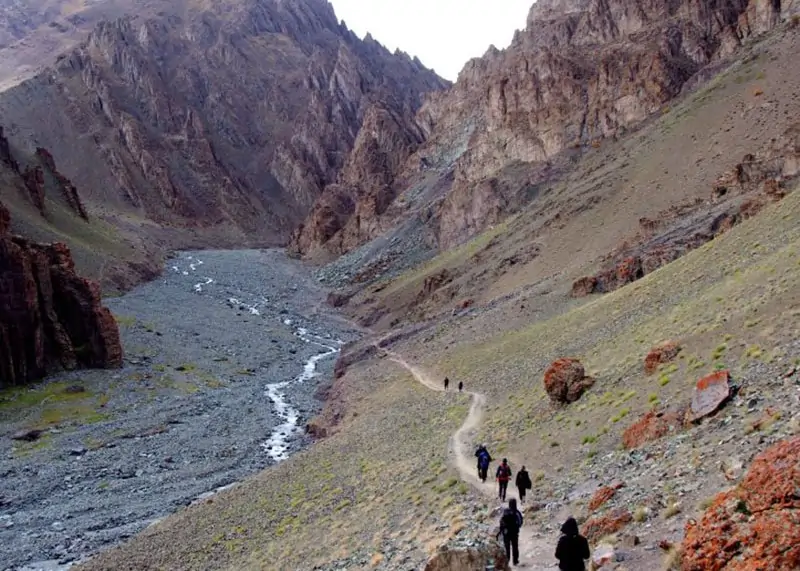 DifficultSummer, Monsoon, Autumn
Stok Kangri Trek
The Stok Kangri Trek is one of the most challenging and rewarding high-altitude treks in Ladakh. Standing at an altitude of around 6,153 meters (20,187 ft), Stok Kangri is one of the highest trekking peaks in India. It offers a true mountaineering experience without requiring advanced technical climbing skills.The trek begins from Leh and gradually moves into the rugged landscapes of the Stok Range. Along the way, trekkers pass through remote valleys, barren mountains, and high-altitude camps. The terrain is raw and dramatic, with wide open views of Ladakh’s cold desert.As you gain altitude, the environment becomes more demanding. Thin air, steep ascents, and cold temperatures test your endurance. The final summit push usually begins before sunrise, leading you across rocky ridges and snow-covered sections.Reaching the summit of Stok Kangri is a moment of achievement. From the top, you can see panoramic views of the Zanskar Range, Karakoram Range, and the Indus Valley. This trek is ideal for experienced trekkers who want to take their first step into high-altitude peak climbing.Quick Facts About Stok Kangri TrekRegion Covered: Stok Range, LadakhDuration: 7 Days / 6 NightsStart/End Point: LehBase Village: Stok VillageTotal Trek Distance: Approx. 35-40 kmHighest Altitude: Stok Kangri Summit – 6,153 m / 20,187 ftDifficulty Level: Difficult (Peak Climb)Accommodation: Hotel in Leh, tents during trekTemperature Range:Day: 5°C to 15°CNight: -15°C to -5°CBest Time to Do the Stok Kangri TrekThe Stok Kangri Trek is best attempted during stable weather conditions.June to September- Clear skies and stable weather- Best window for summit attempts- Suitable snow conditions on summit routeMay & October (Limited Window)- Cold conditions with possible snow- Less crowded but more challengingNote: Weather in high-altitude regions can change rapidly. Summit success depends on weather, fitness, and acclimatisation.How to Reach Leh (Starting Point)By Air:Nearest Airport: Kushok Bakula Rimpochee Airport, LehWell connected to Delhi and major citiesBy Train:Nearest railway station: Jammu TawiDistance to Leh: approx. 700 km by roadBy Road:Manali to Leh Highway (seasonal)Srinagar to Leh Highway (seasonal)Stok Kangri Trek Package by Himtrek – ₹19,499Himtrek’s Stok Kangri Trek package at ₹19,499 per person is designed for trekkers aiming to summit a high-altitude Himalayan peak. The package includes accommodation in Leh, camping during the trek, meals, experienced guides, technical equipment support, permits, and safety arrangements.The itinerary includes dedicated acclimatisation days and a training session at base camp to prepare trekkers for the summit push. With expert guidance and structured planning, the trek ensures maximum safety and success chances.For bookings and more information, contact us and explore Ladakh with us.The Stok Kangri Trek Summit Experience- The summit day starts very early, often before sunrise- Trekking in cold conditions with headlamps and slow pace- Gradual ascent through rocky and snowy sections- Thin air makes every step more demanding- Reaching the summit brings unmatched 360° mountain views- A true sense of achievement after days of effort- This is the most challenging and rewarding part of the trek.Terrain and Difficulty of Stok Kangri Trek- The trek includes rocky trails, loose scree, and snow sections- High altitude makes the trek physically demanding- Long walking hours and steep climbs require strong fitness- Weather conditions can change quickly in the mountains- Proper acclimatization is very important- This trek is best suited for experienced trekkers or very fit beginners with preparation.Acclimatization and Preparation for Stok Kangri Trek- Spend time in Leh before starting the trek- Follow a gradual ascent to adjust to altitude- Stay hydrated and maintain a steady pace- Basic fitness training before the trek is recommended- Listen to guides and follow safety instructions- Proper preparation makes a big difference in completing the summit successfully.
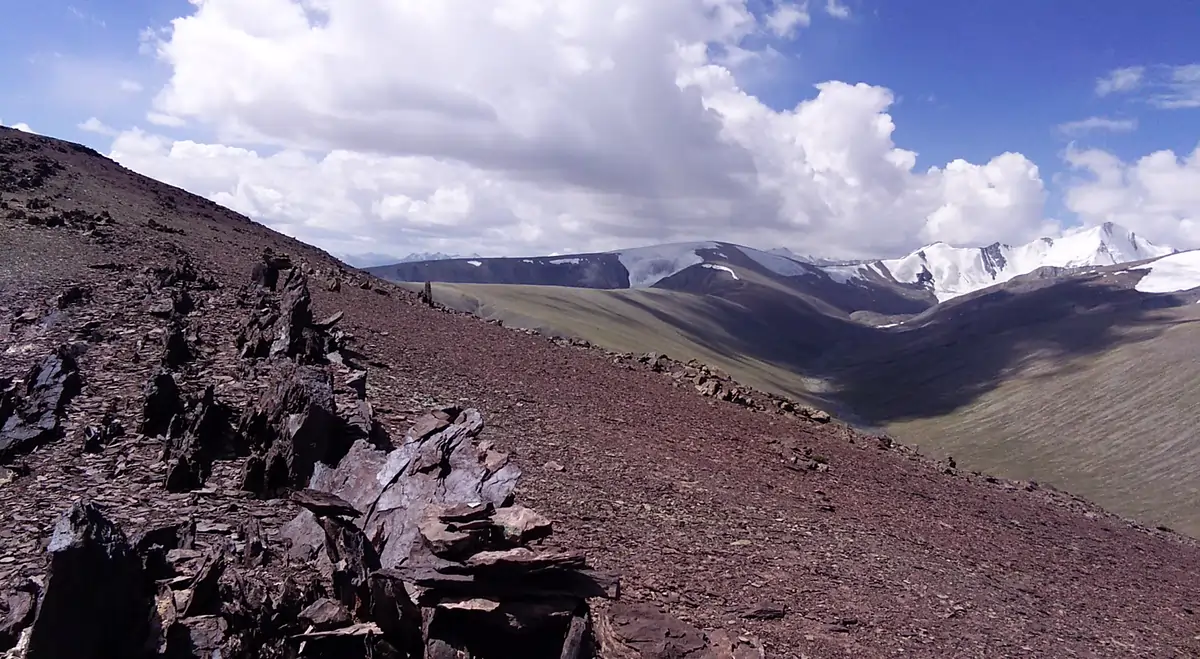 ModerateSummer, Monsoon, Autumn
Markha Valley Trek
The Markha Valley Trek is one of the most well-known trekking routes in Ladakh. It offers a mix of dramatic landscapes, remote villages, and high-altitude adventure. Starting from Leh, the trek takes you through the beautiful Markha Valley, following the course of the Markha River.The trail passes through wide riverbeds, narrow gorges, and open meadows. You walk past traditional Ladakhi villages such as Skiu, Markha, and Hankar, where homestays give a close look at local life and culture. Prayer flags, stone houses, and mountain views are part of the daily scenery.As the trek continues, the altitude gradually increases. The biggest challenge and highlight is crossing Kongmaru La Pass, one of the highest points on the trek. From the pass, you get stunning views of Kang Yatse Peak and the surrounding Himalayan ranges.This trek is ideal for those who want a true high-altitude Himalayan experience without technical climbing. It is best suited for fit beginners with prior trekking experience and seasoned trekkers.Quick Facts About Markha Valley TrekRegion Covered: LadakhStart/EndPoint: LehDuration: 6 DaysMaximum Altitude: 5,260 m / 17,257 ft (Kongmaru La Pass)Difficulty Level: Moderate to DifficultTotal Trek Distance: Approx. 65-70 kmSuitable For: Fit beginners and experienced trekkersBest Time to Do the Markha Valley TrekJune to September- Stable weather conditions- Open trails and high mountain passes- Clear views of Ladakh’s landscapes- Suitable temperatures for trekkingNote: Nights can be cold due to the high altitude. Proper warm clothing is required.How to Reach LehBy Air:Leh Airport is well-connected to DelhiFlights operate regularly, weather permittingBy Road:Manali–Leh Highway (seasonal)Srinagar–Leh Highway (seasonal)Tip: Spend at least one day in Leh for acclimatisation before starting the trek.Markha Valley Trek Package by Himtrek – ₹20,500Experience the classic Markha Valley Trek with Himtrek at ₹20,500 per person. This carefully designed trek takes you through river trails, remote villages, alpine meadows, and across the high-altitude Kongmaru La Pass.The package includes accommodation during the trek, all trek meals, experienced guides, camping arrangements, and essential safety support. With proper acclimatisation days and expert guidance, the trek is planned to ensure a safe and enjoyable experience in Ladakh’s high-altitude terrain.For bookings and more details, contact the Himtrek team.What Makes This Trek Special with Himtrek?- Well-planned itinerary focused on safety and comfort- Experienced local guides familiar with the region- Balanced pace suitable for acclimatisation- Trusted on-ground support throughout the trek- Authentic Ladakh trekking experienceWhy Choose the Markha Valley Trek?- Experience one of Ladakh’s most scenic and culturally rich trekking routes- Stay in remote Ladakhi villages and interact with locals- Walk alongside the Markha River through dramatic valleys- Cross the famous Kongmaru La Pass at over 5,200 m- Enjoy views of Kang Yatse and other high Himalayan peaks- Perfect mix of adventure, nature, and culture
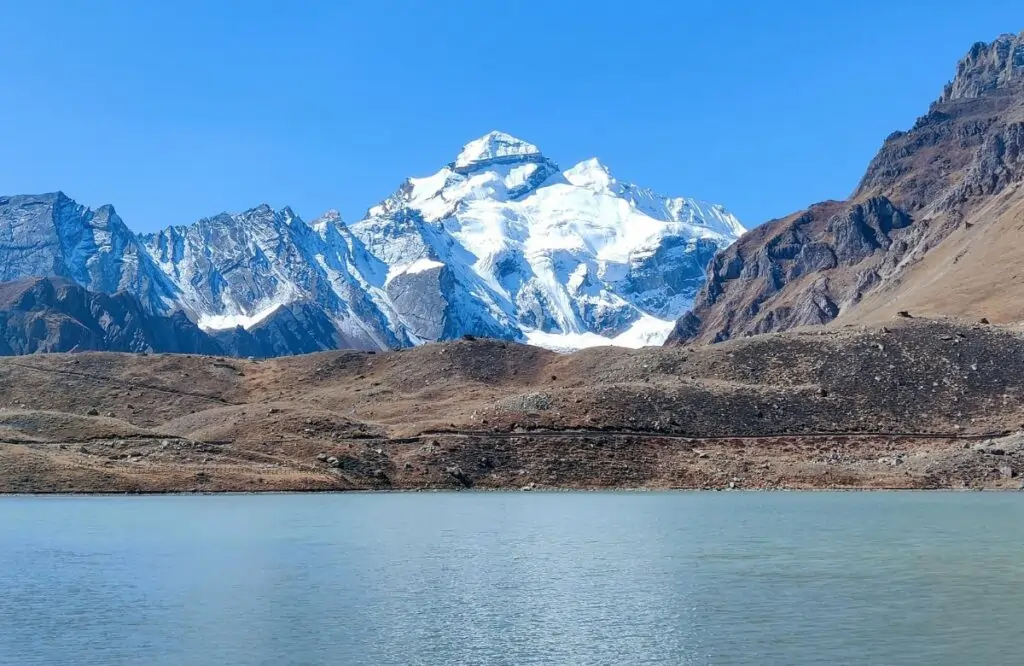 Easy-ModerateSummer, Autumn
Adi Kailash Trek
The Adi Kailash Trek, also known as Chhota Kailash, is a sacred journey through the remote Kumaon Himalayas of Uttarakhand. Located near the Indo-Tibet border, this trek is deeply connected with Hindu mythology. This is believed to be one of Lord Shiva’s earthly abodes.Unlike high-altitude trekking routes that demand intense physical effort, the Adi Kailash Trek focuses more on spiritual exploration, scenic road journeys, and light walking trails. Along the way, travellers witness powerful religious sites such as Om Parvat, Parvati Kund, Gauri Kund, and Jolingkong, surrounded by dramatic Himalayan landscapes.This journey is ideal for pilgrims, nature lovers, and first-time high-altitude travellers who want to experience the Himalayas in a calm and meaningful way.Quick Facts About Adi Kailash TrekRegion Covered: Kumaon Himalayas, UttarakhandStart/End Point: KathgodamDuration: 6 DaysMaximum Altitude: 4,420 m/14,500 ft (Jolingkong)Difficulty Level: Easy to ModerateTrek Type: Spiritual & Scenic Himalayan JourneySuitable For: Beginners, families, spiritual travellersBest Time to Do the Adi Kailash TrekThe Adi Kailash Trek is best planned during months when roads are accessible, and weather conditions remain stable.May to June – Summer Season- Clear mountain views and pleasant daytime weather- Comfortable for road travel and walking- Ideal for first-time visitorsSeptember to October – Post-Monsoon Season- Fresh landscapes and crisp mountain air- Fewer crowds and peaceful surroundings- Excellent visibility of the Himalayan peaksNote: Weather in high-altitude regions can change quickly. Proper clothing and flexibility in travel plans are recommended.How to Reach Kathgodam for Adi Kailash TrekBy Train:Kathgodam Railway Station is well-connected to Delhi and major North Indian citiesOvernight trains are available from DelhiBy Road:Kathgodam is around 290 km from DelhiRegular buses and private taxis are availableBy Air:Nearest airport: Pantnagar Airport (approx. 70 km)Taxi services are available from the airportAdi Kailash Trek Package by HimtrekExperience the sacred Adi Kailash Trek (Chhota Kailash) with Himtrek at ₹37,500 per person. This carefully planned package takes you through remote Himalayan regions, ancient temples, and spiritually significant sites such as Om Parvat, Parvati Kund, and Gauri Kund.The journey includes comfortable stays, guided travel, all required permits, and experienced local support to ensure a safe and smooth experience. With gradual altitude gain and well-structured travel days, this trek is suitable for beginners and spiritual travellers seeking a meaningful Himalayan journey.For more information and bookings, contact the Himtrek team.
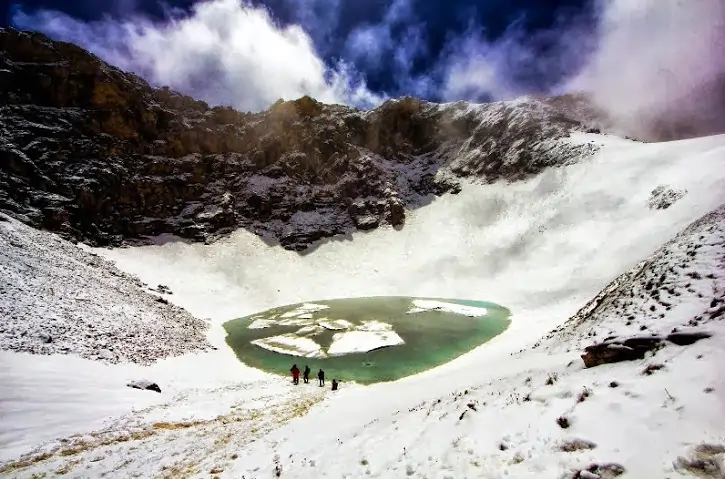 ModerateSummer, Monsoon, Autumn
Roopkund Trek
The Roopkund Trek is a well-known high-altitude trek in the Garhwal region of Uttarakhand, famous for its glacial lake at an elevation of nearly 16,000 ft. The trek takes you through dense forests, wide alpine meadows, and rocky mountain trails before reaching Roopkund Lake, often called the Mystery Lake.Starting from the base village of Lohajung, the trail passes through traditional Himalayan villages like Didna, open meadows such as Ali Bugyal and Bedni Bugyal, and high-altitude camps including Bhagwabasa. As the trek progresses, the terrain gradually changes from forested paths to alpine landscapes with limited vegetation.Roopkund is suitable for trekkers with good fitness levels and prior trekking experience. It involves long walking days, steady altitude gain, and cold conditions at higher camps, making it a rewarding but challenging Himalayan trek.Quick Facts About Roopkund TrekRegion Covered: Garhwal Himalayas, UttarakhandDuration: 8 Days / 7 NightsStart/End Point: RishikeshBase Village: LohajungTotal Trek Distance: Approx. 53-55 kmHighest Altitude: Roopkund Lake – approx. 15,700-16,000 ftDifficulty Level: Moderate to DifficultAccommodation: Guesthouse/homestay at base, tents during trekTemperature Range:Day: 10°C to 18°CNight: -2°C to 5°CBest Time to Do the Roopkund TrekThe Roopkund Trek is not recommended during the monsoon season due to slippery trails and landslide risks.May to June- Pleasant daytime temperatures- Snow patches near Roopkund Lake- Clear trekking trails and good visibilitySeptember to October- Clear skies and sharp mountain views- Cold nights at higher camps- Stable weather conditions after the monsoonHow to Reach LohajungBy Air:Nearest airport: Jolly Grant Airport, DehradunTravel from Dehradun to Rishikesh, then continue by road to LohajungBy Train:Nearest railway station: RishikeshFrom Rishikesh, shared or private vehicles are used to reach LohajungBy Road:Route: Rishikesh → Karnaprayag → Tharali → Dewal → LohajungDistance: approx. 260 kmTravel time: 10-11 hours, depending on road and weather conditionsRoopkund Trek Package by Himtrek – ₹16,499Himtrek’s Roopkund Trek package at ₹16,499 per person is designed for trekkers looking for a safe and well-organised high-altitude trekking experience. The package includes accommodation, all trek meals, experienced guides, camping equipment, permits, and essential safety support.For bookings and more information, please contact the Himtrek team.
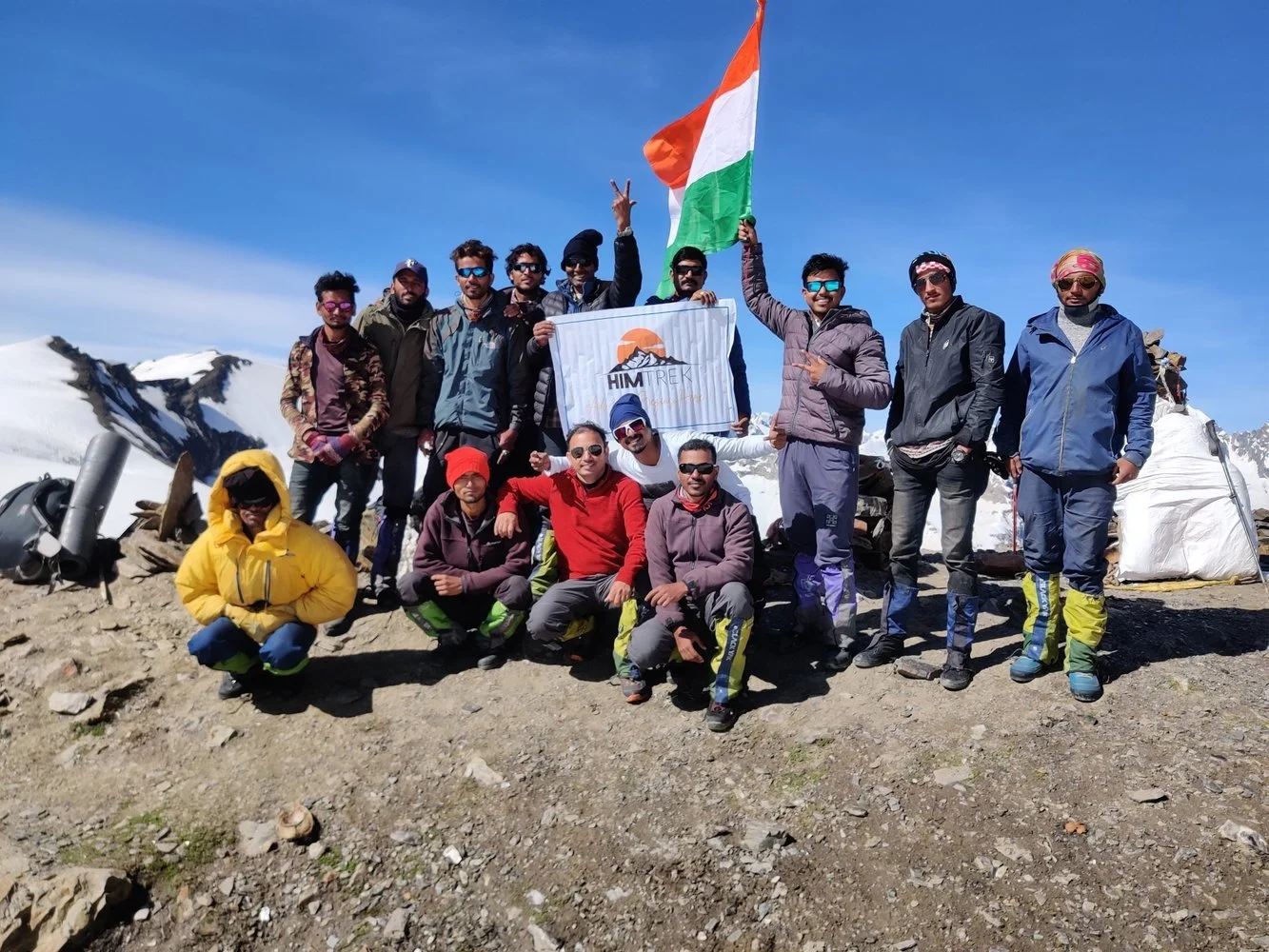 DifficultMonsoon, Autumn
Pin Parvati Pass Trek
The Pin Parvati Pass Trek is a challenging and scenic trek located in the state of Himachal Pradesh in northern India. The trek takes you through beautiful alpine meadows, dense forests, and high altitude passes, offering stunning views of the surrounding Himalayan ranges. The Pin Parvati Pass trek is one of India’s most captivating and difficult hiking routes, serving as a second path to the Spiti Valley in Himachal Pradesh. The trek starts from the small town of Barsheni in the Parvati Valley and takes you to the Pin Valley National Park. The trail passes through lush green forests, streams, and waterfalls before reaching the high altitude pass at 17,400 feet. The pass offers breathtaking views of snow-capped peaks and glaciers. The vibrant host through the trek to Pin Parvati camp is Mantalai, noted for its historic Lord Shiva temple and the picturesque lake.The trek is considered to be one of the most challenging treks in India, with steep ascents and descents, unpredictable weather, and difficult terrain. It requires a high level of physical fitness, experience in high altitude trekking, and proper acclimatization. The trek typically takes around 10 days to complete and involves camping in tents at high altitude locations. The best time to undertake this trek is between June to September, when the weather is relatively stable and the trail is accessible. Overall, the Pin Parvati Pass Trek is a once-in-a-lifetime experience for adventure enthusiasts who are looking for a challenging trek with stunning scenery and breathtaking views.Quick Facts:Region: Parvati valleyStart Point of the Trek: BarshainiEnd Point of the Trek: KazaDuration: 10D/9NPin Parvati Pass Trek Trek Height: 17,400 ftPin Parvati Pass Trek Distance: 110kmPin Parvati Pass Trek Difficulty Level: DifficultPin Parvati Pass Trek Temperature: Day (16°C to 20°C) and Night (0°C to 4°C)Best Time to do Pin Parvati Pass Trek: July to SeptemberHow to Reach Pin Parvati Pass Base Camp?By Road: The main route to Kasol is the NH-3. Either self-driving or cab service are options. There are numerous companies that offer taxi services and rental cars in Kasol. For those travelling great distances, Delhi and Chandigarh serve as the base. In addition, buses from Delhi travel daily to Kasol. By Train: There isn’t a separate train station in Kasol. Joginder Nagar is the nearest railway station which is about 144 miles from Kasol. Chandigarh railway station is 296 km. You can hire a cab or take local buses from these locations to reach Kasol. By Air: The Kullu Manali Airport, also known as Bhuntar Airport and located in the Kullu district, is the closest airport to Kasol. The airport has daily flights to Delhi. You can arrange for a taxi or cab to take you from the airport in Bhuntar, which is only 31 kilometres away and will take you there in about an hour, to Kasol.Pin Parvati Pass Trek: Your Guide by HimtrekThe Pin Parvati Pass Trek is a crown jewel in Himachal Pradesh’s trekking circuit, supplying a tough & worthwhile adventure in the heart of the Parvati Valley. This web page provides all the crucial data to plan your unforgettable adventure with Himtrek.Pin Parvati Pass Trek Cost: Transparent PricingThe price of the Pin Parvati Pass Trek varies depending on several factors:- Group Size: Travelling with a bigger group commonly reduces the value of keeping with character.- Trek Duration: Choosing an extended or shorter itinerary will affect the overall fee.- Package Inclusions: Select a package deal that aligns with your needs. Basic packages may also cover necessities like meals, lodging, and allows, whilst premium alternatives may encompass extra services like tenting gadget rentals or porters.- Level of Comfort: Opt for comfortable guesthouses or a more rustic tenting.Contact Himtrek for an in-depth quote tailor-made to your particular choices. We offer aggressive rates and ensure an obvious pricing shape.Pin Parvati Pass Trek Blog: Fuel Your WanderlustDive deeper into the arena of the Pin Parvati Pass Trek with Himtrek’s blog. Discover:- Trekking Experiences: Read captivating narratives from past trekkers, permitting you to genuinely enjoy the adventure.- Practical Tips: Gain treasured insights on preparing for the trek, which includes packing necessities, fitness training suggestions, and acclimatization recommendations.- Breathtaking Photos: Feast your eyes on beautiful visuals that showcase the majestic landscapes and precise charm of the Parvati Valley.Exploring the Trek in Detail:Pin Parvati Pass Trek Map: Chart Your CourseA designated Pin Parvati Pass Trek map is a precious tool for visualizing your journey. These maps typically illustrate:- The Route: Gain a clear understanding of the whole trek course, including beginning and end factors, campsites, and remarkable landmarks.- Distances: Plan your everyday hikes with expected distances among campsites.- Elevation Profile: Visualize the altitude changes during the trek, helping you prepare for ascents and descents.Contact Himtrek to request a map for your trek. Our crew can also provide insights into particular sections of the path and capability challenges.Pin Parvati Pass Trek Photos: A Glimpse into ParadiseBrowse Himtrek’s charming picture gallery showcasing the magic of the Pin Parvati Pass Trek. Get a sneak peek at the lovely landscapes you may stumble upon, inclusive of:- Panoramic vistas of the Parvati Valley, embellished with snow-capped peaks and plush greenery.- Crystal-clean glacial lakes reflect the majestic mountains.- Vibrant meadows bursting with wildflowers at some point in the summer season months.The awe-inspiring Pin Parvati Pass itself is a testimony to the beauty and challenge of the trek.Trekking with Confidence: Why Choose Himtrek?Pin Parvati Pass Trek Itinerary: A Structured AdventureA well-described itinerary is crucial for a hit Pin Parvati Pass Trek. Himtrek offers a complete itinerary that outlines:- Day-through-Day Schedule: Plan your each-day sports, consisting of trekking distances, anticipated timings, and tenting locations.- Acclimatization Days: Ensure proper acclimatization with rest days strategically incorporated to modify to the excessive altitude.- Permits and Permissions: Leave the paperwork to us. Himtrek looks after acquiring all important permits for the trek.- Optional Activities: Explore a few thrilling add-ons, like touring hot springs or taking part in neighborhood galas (difficulty to availability and season).Refer the detailed itinerary given below to get a higher idea of the trek shape and the unforgettable stories that look ahead to you.Pin Parvati Pass Trek Package: All-Inclusive OptionsExplore Himtrek’s Pin Parvati Pass Trek bundle options, designed to cater to one-of-a-kind wishes and budgets. Our packages commonly encompass:- Meals: Delicious and nutritious meals are organized all through the trek to gas your journey.- Accommodation: Choose from comfortable guesthouses in villages or well-prepared camping preparations, relying upon the bundle alternative.- Permits and Entrance Fees: All important lets-in and front expenses are protected by Himtrek.- Experienced Guide: Trek with a licensed and knowledgeable manual that ensures your protection and navigates the direction expertly.- Support Staff: Our committed help workforce helps with putting in place camps, portering services (if opted for inside the package deal), and making sure an easy trek revels in.- Transportation: Transportation to the place to begin the trek is typically covered in most applications.Choose a bundle that first-class suits your consolation degree and budget. Himtrek offers flexibility to customize your enjoyment through adding non-obligatory offerings like renting tenting equipment or hiring personal porters.Pin Parvati Pass Trek Route: Unveiling the PathThe Pin Parvati Pass Trek route traverses a various landscape, with each day supplying specific challenges and breathtaking scenery. The exact direction may additionally vary depending on weather conditions and the chosen itinerary. Here’s a popular overview: The Starting Point: The trek typically starts within the captivating village of Barshaini inside the Parvati Valley.- Gradual Ascent: The preliminary ranges contain slow ascents via meadows and forests, permitting you to acclimatize to the altitude.- Crossing Rivers: Prepare to navigate gushing rivers and cascading waterfalls, including an element of adventure to the trek.- High Mountain Passes: Conquer challenging mountain passes like KheerGanga Pass and the Pin Parvati Pass itself, providing stunning panoramic views.- Descent into Spiti: Descend into the Spiti Valley, a land of stark splendor and precise culture, marking the completion of the trek.Contact Himtrek for extra details about the precise course you’ll be following, including estimated everyday distances and altitude profits. Ready to embark on this unforgettable journey? We hope this comprehensive guide has equipped you with all the information you need to plot your Pin Parvati Pass Trek with Himtrek. For additional inquiries or to ebook your trek, do not hesitate to contact our expert group. Let’s conquer the Himalayas together!Recharge and Refuel: Your Home Away From the Trail with Himtrek StaysConquering mountain peaks and traversing breathtaking landscapes is an exhilarating enjoyment, but each adventurer wishes for a cushy vicinity to unwind and recharge after a day on the path. That’s where Himtrek Stays is available! Nestled amidst the beautiful Himalayan foothills, our collection of guesthouses and camps gives a suitable base for your pre and post-trek adventures.Imagine sinking into an opulent bed after a hard hike, taking part in scrumptious food prepared with sparkling local components, or socializing with fellow trekkers underneath a star-studded sky. Our properties offer a welcoming environment and a threat to truly immerse yourself inside the splendor and way of life of the Himalayas. 9 Nights 10 Days Available on request Kindly review the Terms and Conditions before proceeding with your booking.
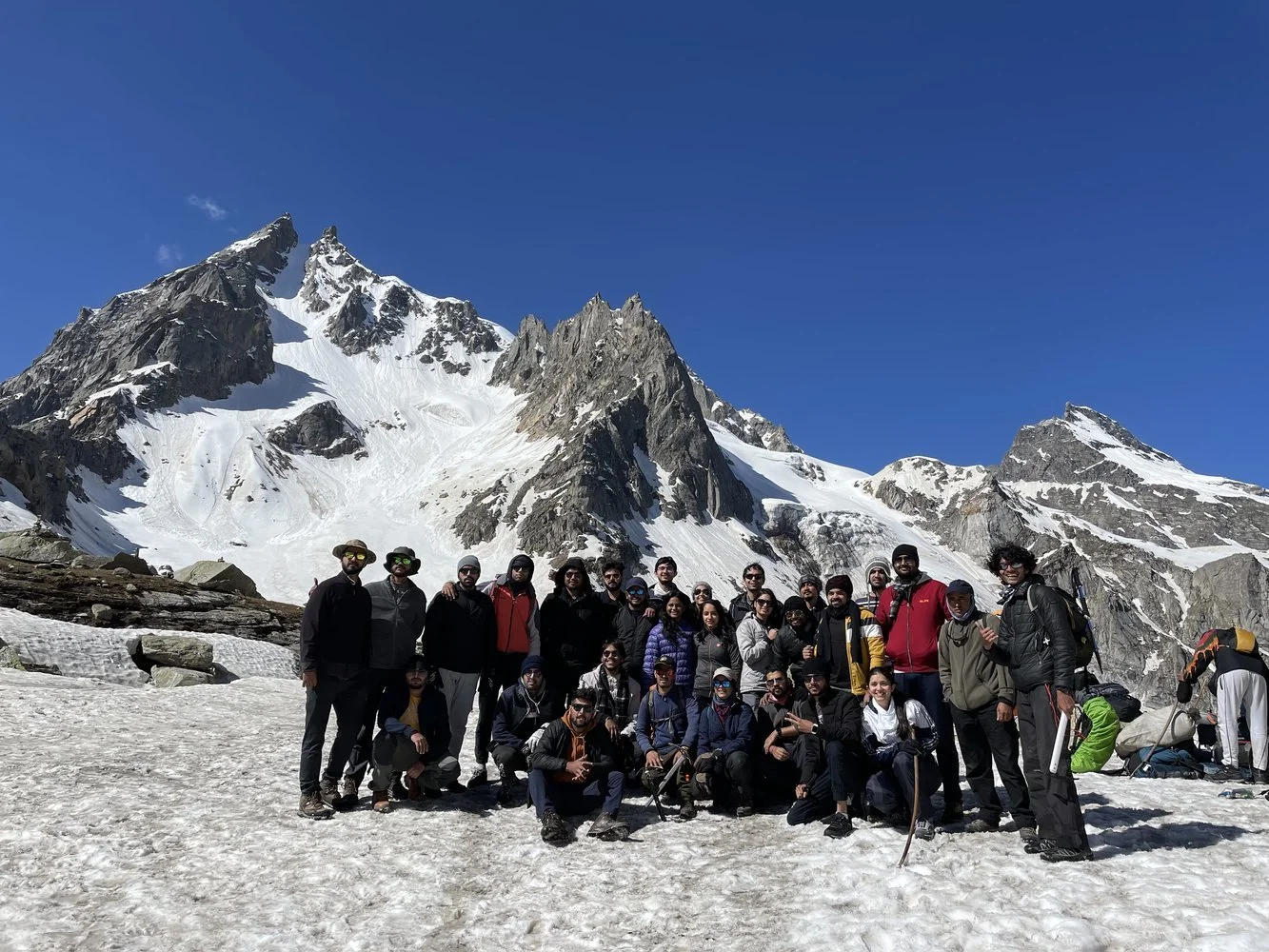 Easy-ModerateSpring, Summer, Autumn, Monsoon
Hampta Pass Trek Without ChandraTaal
The Hampta Pass Trek is a popular trekking route in the Himachal Pradesh region of India. The trek is named after the Hampta Pass, which is the highest point on the trek at an altitude of 14,100 feet (4,298 meters). The trek is known for its stunning landscapes and scenic beauty. You will be astounded by the sharp contrast from the things you’ve just left behind when you cross the Hampta Pass.Spiti Valley, the expanse of the country in front of you, is renowned for its desolate stretches, rough topography, and forget-me-not blue skies. The trek begins in the peaceful village of Jobra and travels through many beautiful places, including Chalet and Chika. Along the way, you’ll see gorgeous glimpses of snow-capped mountains, lush valleys, and picturesque scenery.While the trail passes through some isolated communities, the journey also provides a chance to see the regional culture. Overall, the Hampta Pass Trek is a perfect blend of adventure, scenic beauty, and cultural exploration, making it a must-visit destination for trekking enthusiasts. The exhilarating nature of the trek to Hampta Pass intensifies the already tremendous change. Trekkers embrace the adventure of crossing the Hampta Pass. You will relish the anxious thrill of traversing the multiple slopes to reach the pass.Hampta Pass Package: Prepare to be awestruck by the dramatic transformation that unfolds as you go through the Hampta Pass. Consequently, Spiti Valley sprawls majestically earlier than you, famed for its stark landscapes, rugged terrain, and clear blue skies with neglect-me-nots.The trek commences inside the old school village of Jobra, winding its manner via charming locales like Chika. Along the course, capture breathtaking glimpses of snow-capped mountains, verdant valleys, and photo-ideal surroundings. Moreover, as you traverse occasional remote settlements, the journey offers a unique attitude to the area’s rich way of existence.The Hampta Pass caters to trekkers with various enjoyment levels, making it a super preference for seasoned adventurers and those looking for a taste of Himalayan exploration. Furthermore, this flawlessly balanced itinerary seamlessly integrates moments of excitement with cultural exploration, making sure an unforgettable revel in.Quick Facts:Region: Manali, Himachal Pradesh Hampta Pass Start/End Point: ManaliHampta Pass Duration: 4 Days/3 NightsHampta Pass Height: 14,100 ftHampta Pass Difficulty Level: Easy to ModerateHampta Pass Temperature: Day (12°C to 8°C) Night (-10°C to -15°C)Best Time for Hampta Pass: May to SeptemberHampta Pass HeightThe crown jewel of this trek is surely the awe-inspiring Hampta Pass. Standing tall at an outstanding 14,100 (4,298 meters), the pass offers panoramic vistas to leave you speechless. Witness the majestic mountains rise towards the sky, their snow-capped peaks glistening below the daylight. Moreover, as you triumph over the tough ascents and traverse serene valleys, breathtaking surroundings unfold at each turn.The Hampta Pass is designed to ignite your spirit of exploration and test you with a reasonably hard route that includes steep inclines, descents, and slim paths. Reaching the summit of the Hampta Pass is a tremendous accomplishment, worthwhile for you with a profound feeling of success and a deep appreciation for the encircling grandeur.Hampta Pass DistanceThe total distance of the Hampta Pass is about 26 kilometres (16 miles). Consequently, this mild distance makes it a tremendous desire for trekkers of varying talents, from novices searching for starting Himalayan trekking to professional adventurers searching for a scenic getaway.Furthermore, the trek is designed with nicely described sections, allowing you to tempo yourself efficiently and experience the surrounding beauty.Hampta Pass Best TimeHampta Pass Trekking Season: The best time to go for the Hampta Pass trek is during the summer. The Hampta Pass hiking season usually runs from May to September. During this time, the weather conditions are favorable for trekking, with clear skies and high-quality temperatures. However, some variations can stand up relying on the 12 months.May-June: As spring turns to summer, an exceptionally large variety of wildflowers appear in the valleys, painting the landscape in rich colors, and despite the warm temperatures it offers trip, daytime temperatures range from 12°C to 18°C. However, be prepared for occasional thunderstorms at very high altitudes.Himachal Trek in May, the beginning of the Hampta Pass hiking season. As the spring season comes alive, the valleys redecorate right into a colorful tapestry of wildflowers. Consequently, the temperatures are comfortable for trekking, making it an excellent time to embark on your Himalayan adventure.Hampta Pass in June offers a unique experience in the Hamta Pass trek. As spring peaks, the valley bursts with vibrant wildflowers in full bloom. Imagine wandering through meadows carpeted with colorful plants, while majestic snow-capped mountains stand watch in the distance. Moreover, be prepared for infrequent patches of snow at better altitudes, along with the appeal of the landscape. However, the exceptional daylight hours temperatures make June a great preference for the ones in search of cushy trekking conditions.July & August: The top summer season months offer the maximum favorable climate conditions for the Hampta Pass. Temperatures are generally slight, with clear skies and minimal possibilities of rain. Consequently, this time is good for the ones searching for smooth perspectives of the majestic Himalayan peaks.September: The beginning of autumn brings a slight trade in temperatures, with cooler nights however satisfactory days. Moreover, the landscape transforms right into a canvas of golden colors, developing a breathtaking backdrop to your Hampta Pass.Best Places To Trek in Manali: Beyond the Hampta PassTrekking at Himachal Pradesh: Himachal Pradesh is a haven for travel enthusiasts. Beyond Hampta Pass, the state offers many trekking options that appeal to everyone. From the scenic splendor of the Beas Kund Trek to challenging treks like the Pin Parvati Pass trek, Himachal Pradesh has something for every traveller.Manali Trekking: Manali’s several hiking trails cater to all alternatives. Whether you’re a pro adventurer or a first-time trekker, Manali has something to offer. The breathtaking environment, rich cultural historical past, and variety of trouble levels make Manali an unforgettable vacation spot on your next Himalayan escapade.Places to trek in Manali: Manali is a trekker’s paradise, Beyond the fascinating Hampta Pass, Manali offers several trekking trails, catering to big hassle degrees and picks.Here are a number of the famous trekking trails in Manali to don’t forget:Beas Kund Trek: This moderate trek, lasting 3-four days, leads you to the pristine Beas Kund glacial lake, nestled amidst beautiful alpine meadows and towering mountains. Furthermore, the route offers astonishing views of the Pir Panjal and the possibility to witness numerous vegetation and fauna.Jogini WaterFalls Trek: Ideal for beginners and families, this fast and easy trek takes you to the picturesque Jogini Falls, nestled among lush greenery Immerse yourself in the serenity of the Himalayas while walking in Manali.Hampta Pass With Chandratal Lake Trek: Gear up for a mild to challenging 7-day day journey to the Chandra Tal, additionally referred to as Moon Lake. This immoderate-altitude lake, nestled amidst the stark beauty of the Spiti Valley, offers otherworldly entertainment.Bhrigu Lake Trek: Nicknamed “The Surreal Beauty,” this mild trek unfolds over 4 days. The highlight of this adventure is the captivating Bhrigu Lake, identified for its mystical legends and waters that alternate color at some point in the season.Beas Kund Trek: Begin with a well-deserved three-day trek to the ancient Beas Kund glacial river lake. Also, enjoy breathtaking views of Pir Panjal and witness the rich flora and fauna of this area.How to Reach Manali Basecamp?By Road:The quickest and most economical way to get to Manali. Manali is accessible by road from several locations, including Delhi (540 km), Chandigarh (305 km), Dehradun (227 km), and Ambala (370 km).By Train:The closest railway station to Manali is Jogindernagar. Other train routes to Manali include those through Chandigarh and Ambala.5By Air:The nearest airport is Bhuntar airport, 10 km from Manali. Cabs and local buses are easily available from Bhuntar to Manali.Hampta Pass Map: Visualize your adventure! Many sources offer precise Hampta Pass maps online. Consequently, these maps illustrate the route, highlighting the start and completing factors, campsites, and remarkable landmarks alongside the manner. Furthermore, studying a Hampta Pass map before your excursion will assist you in recognizing the terrain and preparing for the annoying situations that lie in advance.Hampta Pass Difficulty Level: The difficulty of Hampta Pass is rated as light to easy. As a result, this creates a higher level of aspiration for pedestrians of different experiences. Beautifully defined trails and slight inclines are doable for newbies, while the challenge of the more elevated Hampta Pass gives the experienced a sense of accomplishment.Hampta Pass Price: The rate of a Hampta Pass package deal can vary, depending on several factors, including the length of the trek, the inclusions supplied by the organizer, and the volume of facilities furnished. Generally, trekkers can anticipate from ₹5,500 to 7,500 for a nicely organized four-day Hampta Pass package.Hampta Pass from Delhi: While Manali serves because of the vicinity to start the trek, carrying out Manali from Delhi is a breeze. You can pick out from a comfy single-day bus journey or opt for a faster air journey to Bhuntar Airport, located close to Manali.4-Day Trip to Himachal from Delhi: If you are searching for a quick break out from Delhi, the Hampta Pass is a brilliant choice. Consequently, this 4-day adventure immerses you inside the beautiful landscapes of Himachal Pradesh, presenting a flavor of Himalayan hiking and a hazard to disconnect from the normal hustle.Himachal Trekking Packages: Himachal Pradesh is a trekker’s paradise, boasting a variety of trails for all capability stages. Consider exploring online sources or contacting neighbourhood tour operators to discover the ideal Himachal hiking bundle deal that aligns together with your hobbies and enjoyment.Manali Places to Visit Nearby: Manali serves as a base camp for numerous treks, however, it also boasts captivating sights inside the city itself. Visit the Hidimba Devi Temple, a stunning timber form nestled amidst towering cedar timber. Furthermore, the Vashisht warm springs, which appeared for their rejuvenating homes. Also for those looking for an adrenaline rush, Manali offers opportunities for mountain biking, paragliding, and river rafting.Best places to trek in India: India has vast landscapes ranging from the Himalayas in the north to the Western Ghats in the south. If you’re looking to explore past Himachal Pradesh, remember to go to Ladakh for a very high desert trek or to Sikkim to explore trails that meander through green valleys and serene monasteries.Manali Trek in April: While May marks the legitimate start of the Hampta Pass season, April gives a shoulder season opportunity for informed trekkers. However, be organized for colder temperatures and the possibility of encountering snow on the trails. Nevertheless, the less crowds throughout this time may be a welcome benefit.Additional Considerations:Physical Fitness: While the Hampta Pass is rated as clean to slight, an amazing degree of physical fitness is normally recommended. Regular exercising and aerobic schooling within the weeks leading up to the trek will help you prepare for the ascents and descents.Packing Essentials: Pack strong hiking boots, snug clothes for various climate conditions, a heat jacket, water-proof equipment, sunscreen, shades, a hat, and a backpack to carry your necessities.Acclimatization: It’s important to permit your body sufficient time to acclimatize to the excessive altitude before trying the Hampta Pass. Spending a few days in Manali earlier than embarking on the trek allows your frame to modify to the thinner air.Unwind in comfort: Himtrek StaysAfter your exhilarating Hampta Pass adventure, rejuvenate your senses by indulging in the warm hospitality offered by Himtrek Stays. Located in the heart of Manali, these cozy accommodations provide the perfect respite for weary trekkers seeking comfort and relaxation.3 Nights 4 Days Available on requestKindly review the Terms and Conditionsbefore proceeding with your booking.
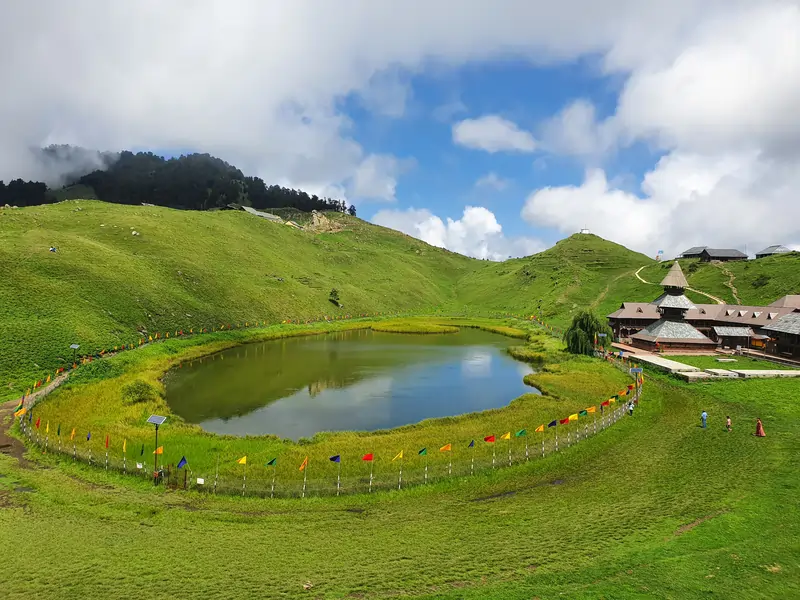 EasyWinter
Prashar Lake Trek
The Prashar Lake Snow Trek is a captivating journey through the stunning landscapes of Himachal Pradesh, India. Nestled at analtitude of 2,730 meters (8,956 feet), Prashar Lake is a sacred and serene alpine lake surrounded by majestic snow-capped peaks.The Prashar Lake trek begins from the charming village of Baggi, and the route takes you through dense pine forests, picturesque meadows, and enchanting snow-covered terrains, offering breathtaking panoramic views of the Himalayas.The trail is moderate in difficulty, making it accessible for both seasoned trekkers and beginners with a reasonable level of fitness. Along the way, trekkers can immerse themselves in the tranquil beauty of the landscape, witness diverse flora and fauna, and enjoy the crisp mountain air. The highlight of prashar lake trek is reaching the lake itself, which is revered for its spiritual significance and surrounded by a traditional wooden temple dedicated to the sage Prashar.The trek is very much rewarding during the winter months when the entire region is blanketed in snow, transforming the scenery into a winter wonderland. The combination of pristine natural beauty, cultural richness, and the sense of achievement upon completing the trek makes the Prashar Lake Snow Trek a memorable adventure for nature lovers and spiritual seekers alike. Prashar Lake TrekKnow more about Prashar Lake form WikipediaMore Treks :- HimtrekQuick Facts:Region: Mandi, Himachal PradeshStart/ End Point of the Trek: MandiDuration: 2D/1NPrashar Lake Snow Trek Height: 8,956 feetPrashar Lake Snow Trek Difficulty Level: ModeratePrashar Lake Snow Trek Temperature: Day: (-5°C to 5°C) and Night: (-10°C to -5°C)Best time to do Prashar Lake Snow Trek: December to FebruaryHow to Reach?The beginning of Bir Billing winter trek is in Bir. To reach there, you can choose from any of the following transport options- By Road- There are several volvo and ordinary buses from Delhi and Chandigarh to Bir, operated by HRTC (Himachal Road Transport Corporation) and private operators. Private taxis are also available. Prashar Lake TrekBy Train-The nearest major railway station from Bir is Pathankot, around 140 kilometers away. You can take the narrow-gauge toy train from Pathankot to Ahju, which is about 3 kilometers from Bir. This journey takes around 7-8 hours but offers scenic views. By Air- The nearest airport to Bir is Kangra Airport (Dharamshala Airport) in Gaggal, approximately 70 kilometers away. From airport, you can hire a taxi or take a bus too Bir.
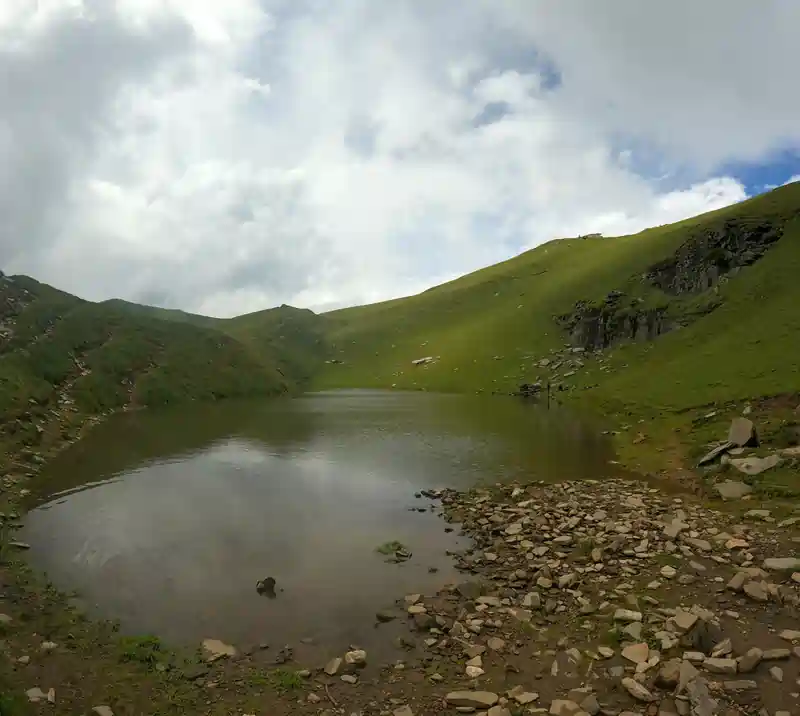 Easy-ModerateAll Season
Rani Sui Lake Trek, Manali
The Rani Sui Lake Trek, featuring a scenic and adventurous route, offers an exceptional trekking journey through the Manali region of Himachal Pradesh, India. This trek begins from Manali, where the adventure starts with a climb through lush meadows and dense forests.Trekking via Lama Dugh, trekkers are treated to breathtaking views of alpine landscapes and snow-capped peaks. The path then leads to the serene Rani Sui Lake, perched at an altitude of around 11,150 feet, surrounded by rugged mountains and pristine snowfields. The crystal-clear waters of the lake reflect the towering peaks and pristine glaciers, creating a mesmerizing, mirror-like effect. The serenity of the lake and the surrounding alpine landscape offer a tranquil retreat, where the beauty of the untouched natural environment is palpable.The trek descends through Duddu Thatch and Khaniyal, revealing diverse landscapes and charming campsites along the way. Duddu Thatch offers picturesque meadows and gentle streams, with a peaceful ambiance enhanced by the gentle rustling of the wind and the chirping of birds. Khaniyal presents a blend of rolling hills and forested areas, providing a contrasting yet equally captivating scenery as trekkers make their way back to Manali. Each segment of the trek presents its own unique visual allure, ensuring that the journey is as enriching for the eyes as it is for the spirit. More Lake Treks:-Parshar Lake TrekKareri Lake TrekSerolsar Lake TrekQuick Facts: Region: Manali, Himachal PradeshStart/ End Point of the Trek: ManaliDuration: 3D/2NRani Sui Lake Trek Height: 11,150 feet Rani Sui Lake Trek Difficulty Level: Moderate to challengingRani Sui Lake Trek Temperature: Day: (5°C to 20°C) and Night: (-5°C to 10°C) Best Time to do Rani Sui Lake Trek: May to OctoberHow to Reach?The Rani Sui Lake Trek starts from Manali. To reach there, you can choose from any of the following transport options- By Road- The quickest and most economical way to get to Manali. Manali is accessible by road from several locations, including Delhi (540 km), Chandigarh (305 km), Dehradun (227 km), and Ambala (370 km). By Train-The closest railway station to Manali is Jogindernagar. Other train routes to Manali include those through Chandigarh and Ambala.By Air- The nearest airport is Bhuntar Airport, 10 km from Manali. Cabs and local buses are easily available from Bhuntar to Manali.
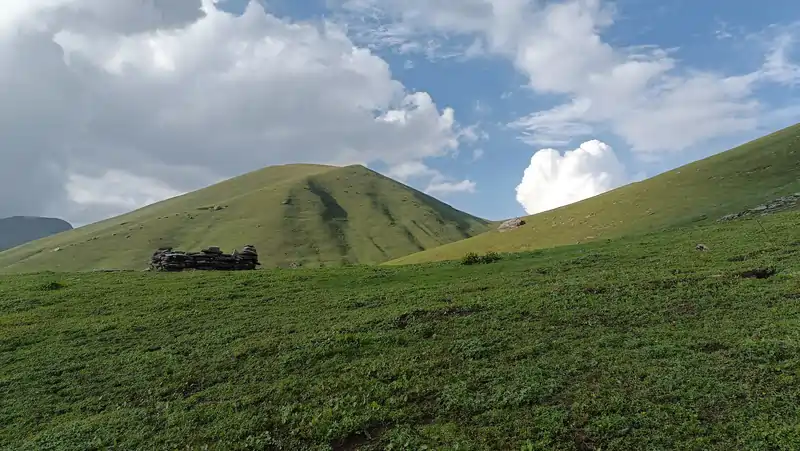 Easy-ModerateSummer, Spring, Monsoon, Autumn
Khanpari Tibba Trek
The Khanpari Tibba trek is a lesser-known but stunning trekking route located near Manali, in the Kullu Valley of Himachal Pradesh. This trek offers adventurers an opportunity to explore the pristine beauty of the Himalayas without the crowds that frequent more popular trails. The trail takes you through dense forests of deodar and pine, meadows dotted with wildflowers and offers panoramic views of the surrounding mountains.As you ascend, the vegetation thins out, revealing vast expanses of alpine meadows. At the summit, trekkers are rewarded with breathtaking 360-degree views of the Pir Panjal and Dhauladhar ranges. The sight of snow-capped peaks, deep valleys, and the Beas River meandering far below makes the effort worthwhile. On clear days, you might even catch a glimpse of the majestic peaks like Hanuman Tibba, Deo Tibba, and Indrasan.Along the way, trekkers might encounter a variety of wildlife, including Himalayan Monal, and musk deer. The Khanpari Tibba trek is perfect for those seeking an offbeat adventure with moderate difficulty. It provides a balance of natural beauty, cultural immersion, and physical challenge, making it a memorable experience for trekkers of all levels.More Treks in Manali:-Manali Winter ExpeditionStay In Heritage House, Himtrek Stays SethanQuick Facts: Region: Manali, Himachal PradeshStart/ End Point of the Trek: ManaliDuration: 3D/2NKhanpari Tibba Trek Height: 14,019 feet Khanpari Tibba Trek Difficulty Level: Moderate to challengingKhanpari Tibba Trek Temperature: Day: (10°C to 20°C) and Night: (-5°C to 10°C) Best Time to do Khanpari Tibba Trek: May to OctoberHow to Reach?The Khanpari Tibba Trek starts from Manali. To reach there, you can choose from any of the following transport options- By Road- The quickest and most economical way to get to Manali. Manali is accessible by road from several locations, including Delhi (540 km), Chandigarh (305 km), Dehradun (227 km), and Ambala (370 km). By Train-The closest railway station to Manali is Jogindernagar. Other train routes to Manali include those through Chandigarh and Ambala.5By Air- The nearest airport is Bhuntar Airport, 10 km from Manali. Cabs and local buses are easily available from Bhuntar to Manali.
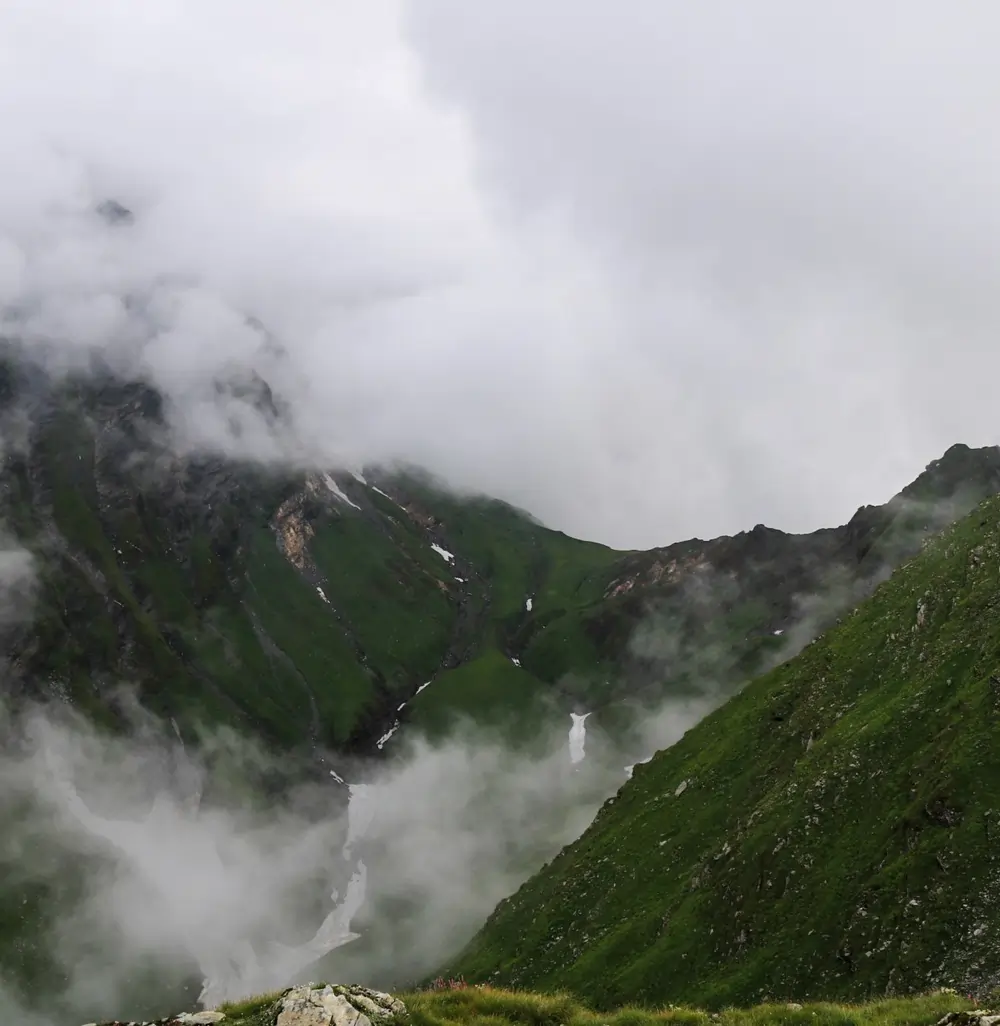 ModerateSummer, Monsoon, Autumn, Spring
Patalsu Peak Trek
The Patalsu Peak trek is a popular hiking route near Manali, Himachal Pradesh, India. It offers a blend of adventure and stunning natural beauty, making it an attractive option for trekkers looking for a relatively short but rewarding experience.The Patalsu Peak trek offers stunning panoramic views of the Pir Panjal and Dhauladhar ranges and features diverse landscapes, including lush meadows, dense forests, and rocky terrains. Starting from Manali, the trail leads trekkers through scenic vistas, alpine pastures, and several small streams. As you climb, each step unveils panoramic views of snow-capped peaks and verdant valleys.The summit of Patalsu Peak rewards trekkers with breathtaking vistas and serene surroundings. Overall, the Patalsu Peak trek provides a rewarding Himalayan experience within a relatively short time frame. The Patalsu Peak trek is a fantastic choice for those looking to experience the beauty of the Himalayas in a relatively short time frame, with rewarding views and a sense of accomplishment at the summit.More Treks in Manali:-Hampta Valley Snow TrekManali Winter ExpeditionFriendship Peak ExpeditionQuick Facts: Region: Manali, Himachal PradeshStart/ End Point of the Trek: ManaliDuration: 3D/2NHeight: 14,435 feet Difficulty Level: Moderate to challengingTemperature: Day: (8°C to 20°C) and Night: (-5°C to 10°C) Best Time : May to OctoberHow to Reach- The Patalsu Peak Trek starts from Manali. To reach there, you can choose from any of the following transport options- By Road- The quickest and most economical way to get to Manali. Manali is accessible by road from several locations, including Delhi (540 km), Chandigarh (305 km), Dehradun (227 km), and Ambala (370 km). By Train-The closest railway station to Manali is Jogindernagar. Other train routes to Manali include those through Chandigarh and Ambala.By Air- The nearest airport is Bhuntar Airport, 10 km from Manali. Cabs and local buses are easily available from Bhuntar to Manali.
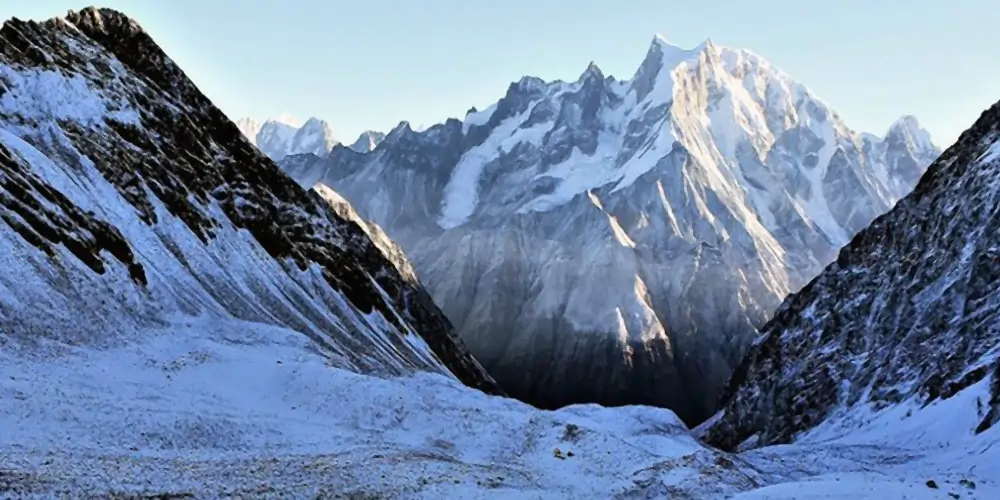 DifficultAll Season
Black Peak Expedition
The Black Peak Expedition is a challenging 15-day high-altitude adventure in Uttarakhand, ideal for mountaineering enthusiasts seeking the thrill of conquering the Greater Himalayas. This expedition takes you through lush pine and rhododendron forests, pristine alpine meadows, and glacial terrains before reaching the summit of 6,387m Black Peak.Starting from Dehradun, the journey leads to Sankri village, a gateway to some of the most remote Himalayan landscapes. Participants will trek through iconic locations like Seema, Ruinsara Lake, and Kyarkoti, experiencing traditional Himalayan culture, breathtaking scenery, and expert-guided acclimatization.The expedition balances technical mountaineering challenges with scenic and cultural experiences. With expert Himtrek guides and structured acclimatization schedules, participants gain both adventure and safety assurance throughout the journey.From alpine camps to summit-day thrill, the expedition promises panoramic views of Swargarohini, Bandarpoonch, and other surrounding Himalayan giants. Evenings at camps provide opportunities for reflection, camaraderie, and starry Himalayan skies.Ideal for experienced trekkers with prior high-altitude experience, this expedition is a perfect blend of endurance, adventure, and Himalayan beauty.Quick Facts About Black Peak ExpeditionRegion Covered: Uttarakhand (Dehradun – Sankri – Seema – Ruinsara Tal – Kyarkoti – Black Peak)Start/End Point: DehradunHighest Altitude: Black Peak – 6,387m (20,950 ft)Difficulty Level: Expert (high-altitude expedition)Total Distance (Drive + Trek): Approx. 400 km + 120 km trekkingTemperature Range: Day: -5°C to 15°C | Night: -15°C to 5°CBest Time to do the Black Peak ExpeditionMay – June (Pre-Monsoon Adventure)Scenery: Clear skies, snow-capped peaks, flowing rivers, alpine meadows starting to bloom.Vibe: Ideal for summit attempts with longer daylight hours, excellent trekking conditions, and relatively stable weather.Temperature: Day: 0°C to 15°C | Night: -10°C to 5°CSeptember – October (Post-Monsoon Expedition)Scenery: Crisp air, golden alpine meadows, and the clearest panoramic Himalayan views.Vibe: Fewer trekkers, serene trails, perfect for photography and summit challenge.Temperature: Day: -2°C to 12°C | Night: -15°C to 2°CImportant Notes:Summit attempts require stable weather; high-altitude snow patches may be present in both seasons.These periods ensure the best visibility of peaks like Swargarohini, Bandarpoonch, and Black Peak.How to Reach SankriBy Air:Nearest airport is Jolly Grant Airport, Dehradun (220 km). Taxis available to Sankri.By Train:Dehradun Railway Station (220 km). Private cabs or buses connect to Sankri.By Road:Well-connected via Mussoorie – Purola – Mori – Sankri. Himtrek provides organized transport from Dehradun.Himtrek Black Peak Expedition Package – ₹74,999Embark on a 15-day Himalayan adventure with Himtrek’s Black Peak expedition package at ₹74,999 per person. This premium package offers an all-encompassing high-altitude mountaineering experience, combining adventure, breathtaking landscapes, and personal achievement.Trek through dense Himalayan forests, alpine meadows, glacial streams, and high-altitude lakes, with expert guidance for a safe and unforgettable summit attempt. Experience the thrill of conquering Black Peak (6,387m), witness stunning 360° Himalayan panoramas, and immerse yourself in authentic Himalayan culture across Sankri, Seema, Rainbasera, and Kyarkoti.This package ensures a seamless journey from start to finish, allowing you to focus on adventure, personal growth, and making memories that last a lifetime.Visit our website and get more information about the treks and choose the best trek for you.Why Choose Himtrek for the Black Peak Expedition?At Himtrek, we don’t just take you to the mountains – we take you beyond your limits. Our Black Peak Expedition is designed for serious trekkers and aspiring mountaineers who seek a real Himalayan challenge. With years of experience organizing high-altitude expeditions across Uttarakhand and Himachal Pradesh, our team ensures safety, comfort, and success at every step.From certified mountaineering guides and state-of-the-art equipment to well-planned acclimatization schedules, every detail is taken care of so you can focus on what truly matters – conquering the mighty Kalanag Peak (6,387m).Our past expeditions have seen a remarkable success rate thanks to meticulous planning, real-time weather monitoring, and personalized support for each participant. Whether you’re climbing your first major summit or adding another feather to your mountaineering cap, Himtrek ensures an experience that’s safe, professional, and unforgettable.Contact us today to plan your Black Peak adventure – we’ll guide you with the best preparation tips, dates, and expedition details tailored just for you.
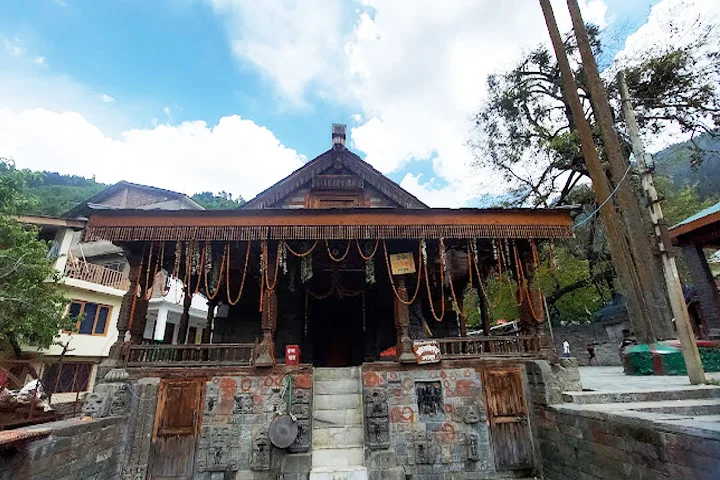 EasySummer, Monsoon, Winter, Autumn, Spring
Manali Trip
Wake up to the magic of the Himalayas on this Manali Trip, where misty mountains, flowing rivers, and vibrant valleys set the perfect backdrop for a 5-day escape.From the bustling streets of Manali to the scenic charm of Solang Valley, Kullu, and Naggar, every moment is a chance to explore, relax, and connect with nature.Breathe in the crisp mountain air, marvel at snow-capped peaks, and wander through quaint hilltop towns.Discover historic temples, stroll through lively markets, and enjoy adventure activities at Solang Valley. Evenings invite you to unwind in cozy hotels, savor local cafés, or simply watch the sunset paint the mountains.Ideal for families, friends, and solo travelers, this Manali Trip offers the perfect blend of sightseeing, adventure, and peaceful Himalayan moments.Quick Facts About Manali TripRegion Covered: Himachal Pradesh (Manali – Solang Valley – Kullu – Naggar)Start/End Point: ManaliDuration: 5 Days / 4 NightsHighest Altitude: Solang Valley – 8,500 ftDifficulty Level: Easy (suitable for families and beginners)Accommodation: HotelsTotal Distance: Approx. 536 km (Delhi to Manali one-way)Temperature Range: Day: 10°C to 25°C | Night: 0°C to 12°CBest Time for Manali TripMarch to June – Spring & Early SummerScenery: Lush green valleys, rivers in full flow, snow-capped peaks in the distance.Vibe: Ideal for sightseeing, adventure activities, and photography.Temperature: Day 15°C to 25°C | Night 5°C to 12°CJuly to September – Monsoon CalmScenery: Misty hills, waterfalls, and vibrant greenery.Vibe: Peaceful and less crowded; enjoy relaxed exploration.Temperature: Day 14°C to 22°C | Night 10°C to 15°COctober to February – Winter WonderlandScenery: Snowy landscapes, frozen streams, and crisp air.Vibe: Perfect for skiing, snow activities, and cozy evenings.Temperature: Day 5°C to 15°C | Night -2°C to 5°CHow to Reach ManaliBy Air:The nearest airport is Kullu-Manali Airport (Bhuntar), about 50 km from Manali. Cabs and buses are available from the airport.By Train:The closest railway station is Chandigarh (290 km). From there, taxis and buses can reach Manali.By Road:Manali is well-connected via HRTC and private buses from Delhi and Chandigarh. Overnight Volvo buses are the most popular and convenient option.Manali Trip Package by Himtrek – ₹13,800Himtrek’s 4-night and 5-day Manali Trip, priced at ₹13,800 per person. From serene temples and scenic markets to adventure activities in Solang Valley, this trip strikes a balance between excitement and relaxation in the Himalayas. Cozy Himtrek stays and local experiences ensure a memorable journey for families, friends, and solo travelers alike.Know more about us.
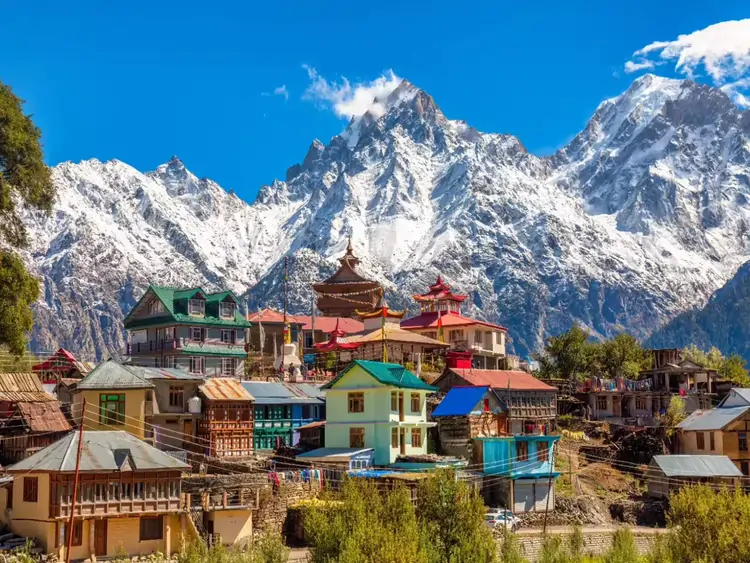 EasyAutumn, Winter, Summer, Spring
Sarahan – Chitkul – Kalpa Trip
If there’s one trip that perfectly blends serenity, spirituality, and the raw beauty of the Himalayas, it’s the Kalpa Trip. The Kalpa Trip takes you deep into the heart of Himachal’s mystical Kinnaur Valley – a region where snow-capped peaks, apple orchards, and soulful villages meet the endless Himalayan sky.This journey is not just a road trip; it’s a blend of culture, serenity, and adventure. Begin your escape from Delhi and travel through the scenic routes of Shimla, Narkanda, and Sarahan, where the air feels fresher, and the landscapes come alive with alpine beauty.As the road winds towards Chitkul, the last inhabited village near the Indo-Tibetan border, every turn unveils postcard-perfect views – the Baspa River flowing alongside pine-clad slopes, wooden homes, and the peaceful rhythm of mountain life.Finally, reach Kalpa, the crown jewel of Kinnaur, where the mighty Kinner Kailash range stands tall in all its glory. Golden sunsets, crisp mountain air, and the calmness of Kalpa make it the perfect finale to this Himalayan escape.Whether you are a nature lover, photographer, or simply craving peace in the mountains, this Kalpa Trip will leave you with memories that linger long after the journey ends.Quick Facts about Sarahan-Chitkul-Kalpa TripRegion Covered: Himachal Pradesh (Sarahan – Chitkul – Kalpa)Start/End Point: DelhiDuration: 6 Days / 5 NightsHighest Altitude: Chitkul – 11,320 ftDifficulty Level: Easy (suitable for all travelers)Accommodation: Hotels / HomestaysTotal Distance: Approx. 1,000 km (Delhi to Delhi)Temperature Range: Day: 10°C to 25°C | Night: 0°C to 10°CBest Time to do Sarahan-Chitkul-Kalpa TripEvery season in Kinnaur Valley has its own magic – from snowflakes kissing the apple orchards to golden sunsets over Kinner Kailash. Depending on what you seek – snow adventures, blooming orchards, or peaceful village life – there’s always a perfect time to embark on the Sarahan-Chitkul-Kalpa Trip.March to June – The Season of Blossoms and Clear SkiesIt’s the best time for nature walks, exploring Bhimkali Temple, hiking in Chitkul Valley, and soaking in the calm mountain breeze.Vibe: Fresh, vibrant, full of lifeTemperature: Day 15°C – 25°C | Night 5°C – 12°CSeptember to November – Autumn’s Golden GlowAs the monsoon clouds clear, the Himalayas reveal their best views.Golden-hued forests, crystal-clear skies, and calm weather make this the perfect window for explorers and peace seekers.Chitkul feels quieter, Kalpa looks dreamier, and every sunrise over Kinner Kailash feels divine.Vibe: Calm, scenic, ideal for photography and reflectionTemperature: Day 12°C – 22°C | Night 4°C – 10°CDecember to February – Snowfall & Cozy Himalayan VibesWinter turns Kinnaur into a snow-kissed wonderland.Sarahan’s temple roofs sparkle under snow, and Kalpa’s peaks shine white under the morning sun.Perfect for those who love serene landscapes, hot tea by the window, and the peaceful rhythm of mountain life.Vibe: Tranquil, magical, and picture-perfectTemperature: Day 5°C – 15°C | Night -2°C – 5°CHow to Reach SarahanBy Air:The nearest airport is Jubbarhatti Airport (Shimla), around 165 km from Sarahan. Taxis and cabs are available from the airport to reach the town.By Train:The closest railway station is Kalka Railway Station (180 km). From Kalka, you can take a cab or bus to Shimla and continue your road journey to Sarahan.By Road:Sarahan is well-connected by road from major cities like Delhi (560 km) and Chandigarh (280 km).Regular HRTC buses, shared cabs, and private taxis operate via Shimla and Rampur, offering a scenic drive through apple orchards and pine forests.Kalpa Trip Package by Himtrek – ₹11,999Discover the best of Himachal’s heartland with Himtrek’s Sarahan-Chitkul-Kalpa Trip at just ₹11,999 per person.Stay in cozy hotels and homestays, enjoy delicious meals, and explore temples, valleys, and rivers – all with professional trip leaders and Himtrek hospitality.Perfect for solo travelers, couples, and groups seeking an authentic Himalayan experience.To get more information about our treks and packages, call us or visit our website.
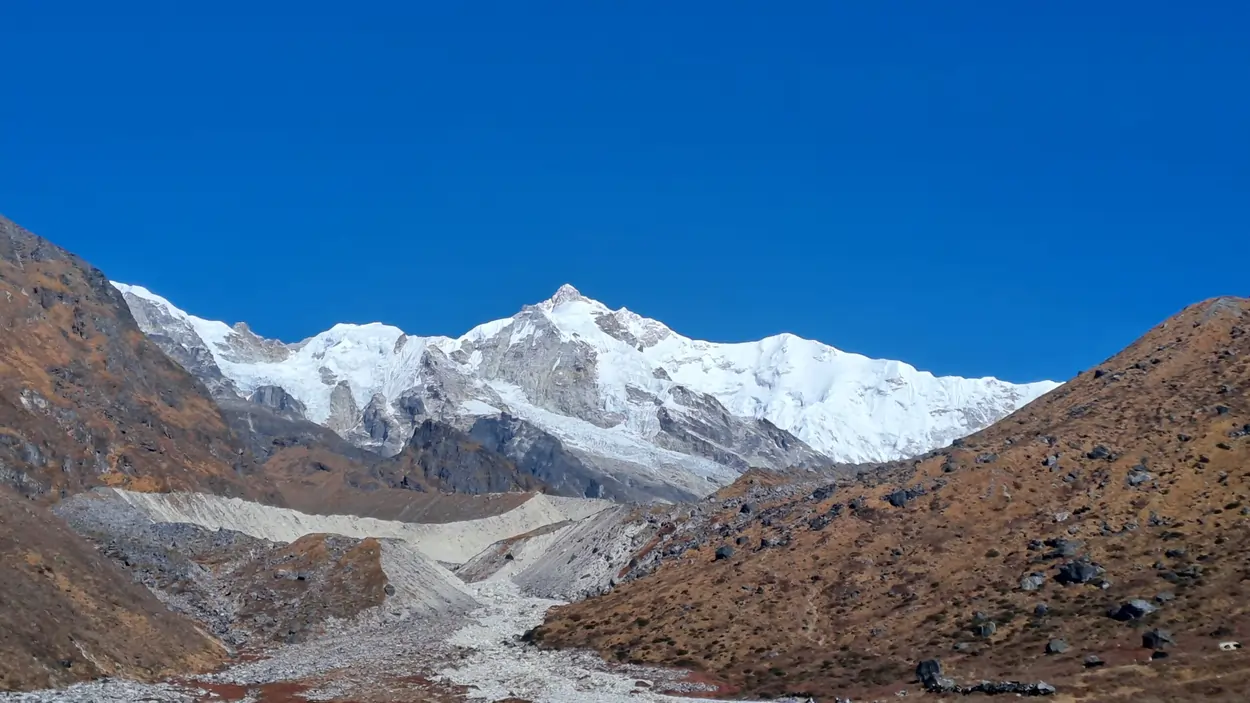 ModerateAutumn, Spring, Monsoon, Summer
Goechala Trek
Hidden deep in the mountains of Sikkim, the Goechala Trek is every trekker’s dream. This breathtaking expedition takes you through rhododendron forests, glacial valleys, and remote alpine meadows to one of the most rewarding viewpoints in the Indian Himalayas – facing the mighty Mt. Kanchenjunga, the world’s third-highest peak.The trail starts from Yuksom, the ancient capital of Sikkim, and gradually leads you through a changing canvas of landscapes, from subtropical forests to vast snowfields. You will walk past serene monasteries, wooden bridges, and frozen streams as the crisp mountain air becomes thinner and fresher withevery step.For those who seek more than a trek, a connection with nature, culture, and self, the Goechala Trek is a spiritual and physical adventure rolled into one. It’s not just about reaching the summit viewpoint; it’s about witnessing a side of the Himalayas that remains untouched, silent, and magnificently wild.Quick Facts About Goechala TrekDuration: 11 Days/10 NightsTotal Distance: Approx. 90 kmMaximum Altitude: 15,100 ftDifficulty Level: Moderate to ChallengingRegion: West SikkimBase Camp: YuksomNearest Airport/Railhead: Bagdogra / NJPBest Seasons: Spring (Mar-Jun) & Autumn (Sep-Nov)Package Cost: ₹18,999 per personYuksom – The Gateway to Goechala TrekNestled in the heart of West Sikkim, Yuksom is a quaint mountain village known as the “Gateway to Goechala.” It was the first capital of Sikkim and holds deep cultural and spiritual significance. Surrounded by forests and monasteries, Yuksom is where history meets adventure.Before starting your Goechala Trek, explore Dubdi Monastery, one of the oldest in Sikkim, or take a peaceful walk around the Kathok Lake. The town’s quiet charm, combined with the backdrop of snow-capped peaks, makes it an ideal place to begin your Himalayan journey.Best Time to Visit Goechala TrekSpring (March to June)- Trails come alive with rhododendron blooms in every shade.- Crystal-clear skies and comfortable weather for long treks.- Temperatures: Day 10 to18°C | Night 0 to 5°CAutumn (September to November)- Ideal for photographers and mountain lovers.- Stunning sunrise views over Kanchenjunga, minimal rainfall, and clear trails.- Temperatures: Day: 8 to15°C | Night: -2 to 4°CMonsoon (July-August)Not recommended due to slippery paths and landslides.How to Reach Goechala Trek Base (Yuksom)By Air:The nearest airport is Bagdogra (120 km). From there, hire a shared jeep or private cab to Yuksom (approx. 6–7 hrs).By Train:NJP Railway Station (115 km) is the nearest railhead. Regular taxis and shared cabs operate between NJP and Yuksom.By Road:Yuksom is well-connected by road from Siliguri, Gangtok, and Pelling. Himtrek provides local transport assistance from Bagdogra/NJP.Travel Tip: Arrive a day early at Yuksom to relax and adjust to the altitude before starting your trek.Trekking Tips for Goechala TrekAcclimatise Properly: Don’t rush. The altitude gains are steep; hydration and rest are key.Fitness Prep: Begin cardio and leg-strength workouts at least 3 weeks before your trek.Clothing: Carry layered warm clothing, rain gear, gloves, and woollen caps.Footwear: Choose waterproof trekking boots with solid ankle support.Pack Smart: Keep energy bars, refillable bottles, a torch, and a small first-aid kit.Respect the Trail: Keep the route clean, carry your waste back.Himtrek’s Goechala Package PriceHimtrek’s Goechala package price is ₹18,999 per person. The package includes accommodation, meals, expert guides, porters, and all required trek permits. Contact us to book your Goechala Trek now and experience the Kanchenjunga magic up close.
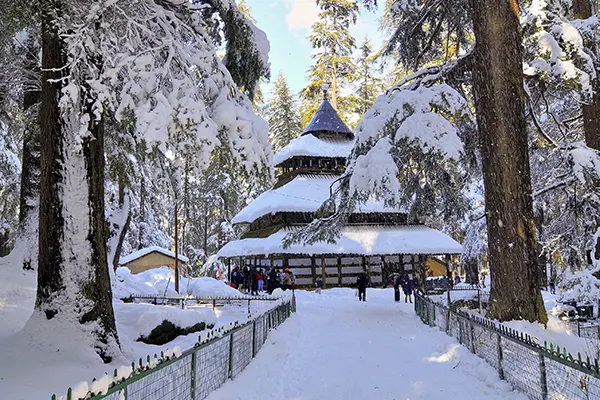 EasyWinter
Manali Trip With Igloo Stays
Most mountain trips give you views.This one gives you an experience you’ll never forget.The Manali Trip with Igloo Stays is not just about exploring Himachal – it’s about living something truly rare. Imagine spending your day surrounded by snow-covered landscapes and your night inside a handcrafted igloo under a sky full of stars.From the lively charm of Manali to the untouched beauty of Sethan Village, this trip blends comfort, adventure, and a completely unique stay experience. You explore cafes, walk through forests, enjoy snow activities – and then end the day inside an igloo, something very few people get to experience in India.It’s not just a trip.It’s a story you’ll tell again and again.Quick Facts About Manali Trip With Igloo StayDuration: 3 Days / 2 NightsStarting Point: ManaliEnding Point: ManaliTrip Type: Leisure + ExperienceDifficulty Level: EasyRegion Covered: Manali – Sethan VillageStay Type: Hotel + Igloo StayBest Time to Visit: January to March (snow season)Temperature Range: -10°C to 10°CBest Time to do Manali Igloo Stay TripDecember to February (Best for Igloo Experience)- Temperature:Day: 0°C to 10°CNight: -10°C to -2°C- Peak snow season in Sethan Village- Perfect conditions for igloo stays and snow activities- Ideal time to experience snowfall and white landscapesBest for: Snow lovers, unique stay seekers, photographersMarch (Transition Phase)- Temperature:Day: 5°C to 15°CNight: 0°C to 5°C- Snow starts melting but can still be experienced in patches- Igloo experience may be limited depending on snowfallBest for: Late snow experience with slightly comfortable weatherApril to November- Igloo stays are generally not available due to lack of snow- Regular Manali trips can still be planned, but without igloo experienceWho is This Manali Trip with Igloo Stays For?- Travelers looking for a unique stay experience- Couples wanting something different and memorable- Friends looking for a fun snow trip- Content creators & photographers- Anyone who wants more than just a regular Manali tripWhat Makes This Manali Trip SpecialMost people visit Manali.Very few experience something like this.Staying in an igloo isn’t just about accommodation – it’s about stepping into a completely different environment. The silence, the cold air, the snow all around, and the feeling of being inside something handcrafted – it creates a memory that feels unreal.It’s this one night in Sethan that transforms a simple trip into something unforgettable.Manali Trip with Igloo Stay Package PriceThe Manali Trip with Igloo Stays package is priced at ₹15,000 per person, offering a unique combination of comfort, exploration, and an unforgettable snow experience.This package is perfect for those who want to go beyond a regular Manali trip and experience something rare like an igloo stay in Sethan Village.With Himtrek, everything is planned so you can simply enjoy the mountains and create memories that truly stand out.Ready to Experience an Igloo Stay?This isn’t just another trip – it’s something you don’t get to do every day.- Limited igloos available per batch- High demand during peak snow seasonBook your Manali Igloo Stay Trip now before slots fill upContact Us to check availability, dates, and complete details
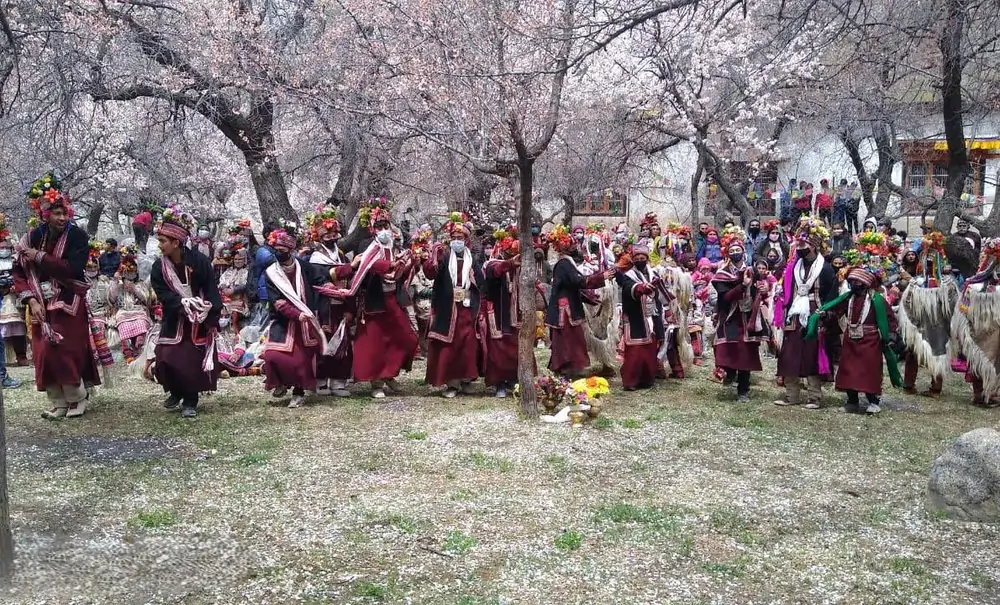 Easy-ModerateSpring
Apricot Blossom Ladakh
Apricot Blossom Ladakh is one of the most beautiful spring experiences in the Himalayas, when the rugged landscapes transform into a vibrant canvas of blooming apricot trees. As winter fades and spring arrives, villages across the valleys are covered with delicate pink and white blossoms, creating a stunning contrast against snow-capped mountains and traditional Ladakhi homes.This seasonal phenomenon is celebrated as the Ladakh Apricot Blossom Festival, attracting travellers who want to experience Ladakh at its most colourful and peaceful. The blooming orchards in villages such as Alchi, Saspol, Takmachik, and Turtuk make this period one of the most scenic times to explore the region.During this Apricot Blossom Ladakh trip, travellers explore iconic destinations including Leh, Nubra Valley, Turtuk Village, and Pangong Lake, while crossing some of the highest motorable passes in the world, such as Khardung La and Chang La. The journey offers a perfect blend of natural beauty, cultural experiences, and breathtaking Himalayan road travel.Whether you are a nature lover, photographer, or adventure traveller, the Ladakh apricot blossom tour offers a unique opportunity to witness Ladakh during its magical spring bloom.Quick Facts About the Ladakh Apricot BlossomTrip Duration: 6 Nights / 7 DaysStarting Point: Leh, LadakhEnding Point: Leh AirportRegion: Ladakh, IndiaMaximum Altitude: 18,380 ft – Khardung La PassMajor Destinations Covered– Leh– Shyam Valley– Nubra Valley– Turtuk Village– Pangong LakeMajor Mountain Passes– Khardung La Pass –18,380 ft– Chang La Pass – 17,800 ftBest Time to Experience Apricot Blossom in LadakhThe best time to experience Apricot Blossom Ladakh is between early April and mid-April.During this period, the lower valleys of Ladakh, especially Shyam Valley and Turtuk, are filled with blooming apricot trees. The weather starts becoming pleasant after winter, and the landscapes slowly transition from snow-covered terrain to vibrant spring scenery.Travelling during this season also allows visitors to explore Ladakh before the heavy tourist rush of summer begins.Why You Should Visit During Apricot Blossom SeasonThe Ladakh apricot blossom festival marks the arrival of spring in the Himalayan region. During this short window in April, apricot trees across the valleys bloom with soft pink and white flowers, transforming the otherwise rugged terrain into a beautiful natural landscape.Unlike the busy summer season, spring offers a quieter and more peaceful environment for travellers. Villages appear vibrant with blooming orchards, and visitors can enjoy scenic walks through traditional settlements while authentically experiencing Ladakh’s culture.For photographers and nature enthusiasts, this period offers some of the most stunning landscapes in Ladakh. Snow-covered peaks, traditional mud houses, and colourful blossoms together create a unique setting that can only be experienced during the Apricot Blossom Ladakh trip.Cultural Experiences of LadakhThe Apricot Blossom Ladakh tour is not only about scenic beauty but also about experiencing the region’s unique culture and traditions.Many villages in Ladakh depend on apricot farming, and the blossom season is celebrated with local gatherings and cultural activities. Visitors can walk through traditional villages, interact with local families, and learn about Ladakhi lifestyles.A highlight of the journey is visiting Turtuk Village, where travellers can experience the unique Balti culture. The village is known for its traditional houses, apricot orchards, and warm hospitality.Exploring these villages provides a deeper understanding of Ladakh’s history, culture, and way of life.Travel Tips For High AltitudeLadakh lies at a high altitude, so proper acclimatisation is important for a safe and enjoyable journey.Here are a few important travel tips:- Spend the first day in Leh resting and acclimatising.- Drink plenty of water throughout the trip.- Avoid strenuous physical activity on the first day.- Eat light meals during the first few days.- Carry personal medications if necessary.- Always follow your trip leader’s instructions while crossing high mountain passes.- Proper acclimatisation will help you fully enjoy your Apricot Blossom Ladakh trip.Himtrek Apricot Blossom Ladakh Package – ₹24,999Experience the beauty of Apricot Blossom Ladakh with Himtrek’s specially curated spring journey just at Rs. 24,999. Witness the vibrant Ladakh apricot blossom festival, explore charming Himalayan villages surrounded by blooming apricot orchards, and travel through iconic destinations like Leh, Nubra Valley, Turtuk, and Pangong Lake.This apricot blossom Ladakh trip offers the perfect mix of nature, culture, and Himalayan adventure during one of the most beautiful seasons in Ladakh.For early bookings and detailed package information, Contact Himtrek team.
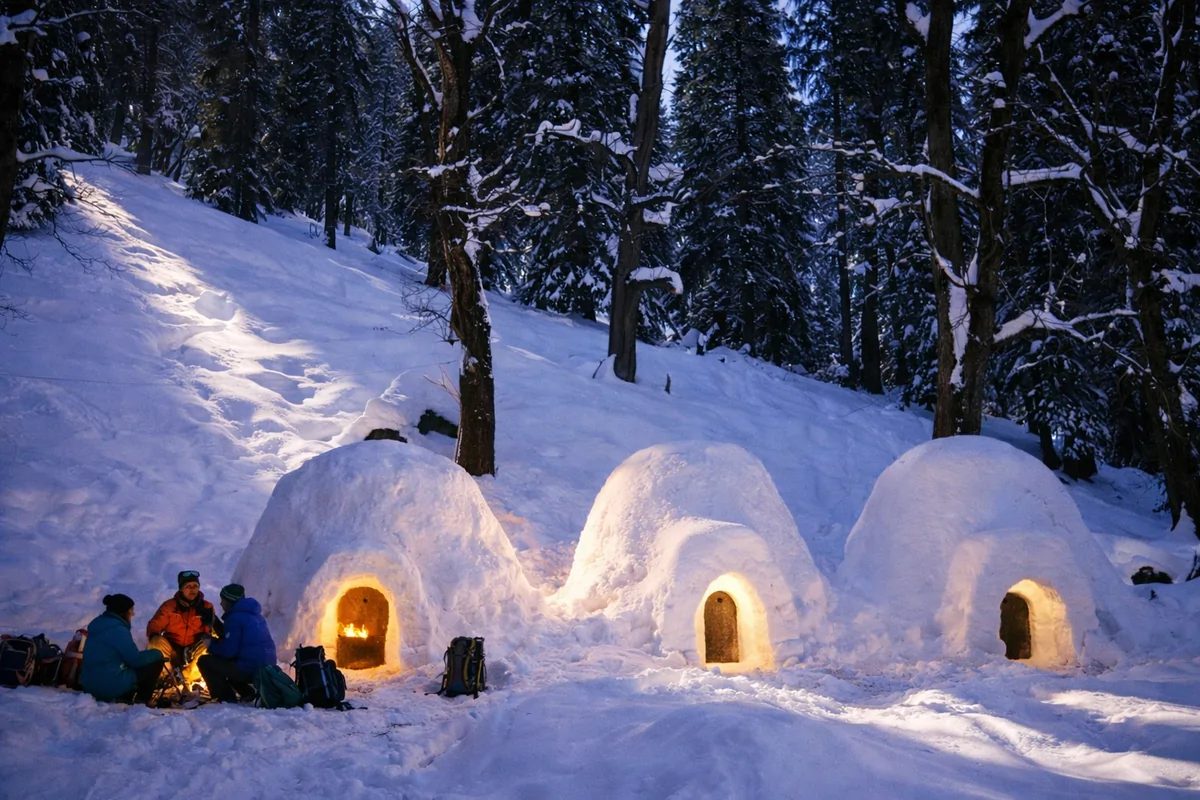 EasyWinter
Hampta Valley Trek with Igloo Stay Experience
Hampta Valley Trek is a popular 3-night, 4-day trekking route in the beautiful Himalayan region of Himachal Pradesh. The Hampta Valley Snow Trek is suitable for both novice and experienced trekkers, offering a moderate level of difficulty and a chance to explore the stunning snow-capped peaks, green valleys, and meandering rivers.The trek begins from the picturesque hill station of Manali and takes you through the lush green forests of pine, oak, and maple trees, as you gain altitude towards the Hampta Valley.The Hampta Valley Trek route includes the beautiful villages of Sethan and Chika and the stunning Hampta snow valley. A unique highlight of this trek is the visit to the famous igloo stays in Sethan, where you’ll experience traditional snow architecture and witness one of the most unique accommodations in the Himalayas. Trekkers can also enjoy panoramic views of the towering Himalayan peaks, including Deo Tibba, Indrasan, and Hanuman Tibba.The Hampta Valley Snow Trek is best enjoyed during the winter months, from December to March, when the valley is blanketed in pristine snow and the igloos in Sethan are operational. The trail is well-marked, and the trekkers are accompanied by experienced guides and porters who ensure their safety and comfort during the trek.A perfect getaway for nature lovers and adventure enthusiasts, Hampta Valley Trek offers a unique experience of exploring Himalayan beauty, experiencing the local culture, and visiting the distinctive igloo accommodations that make Sethan village famous. With its breathtaking views, serene landscapes, igloo experience, and moderate level of difficulty, this trek is a must-try for anyone looking for an unforgettable trekking experience in the Hampta Valley.Quick Facts:Region: Manali, Himachal PradeshStart/End Point of Trek: ManaliHampta Valley Trek Duration: 3N/4DHampta Valley Trek Distance: 30 KmHampta Valley Trek Altitude: 14,000 FtHampta Valley Snow Trek Temperature: Day (8°C to 12°C) & Night (-10°C to -15°C)Hampta Valley Trek Best Time: December to MarchSpecial Experience: Visit to igloo stays in Sethan villageHampta Valley Trek OverviewLocation: The Hampta Valley Trek starts from the village of Prini near Manali and traverses through the scenic Hampta Valley before reaching Chika at approximately 14,000 ft. The route passes through the picturesque Sethan village, famous for its unique igloo stays that offer trekkers an authentic Himalayan winter experience.Duration: The trek generally takes 3N/4D days to complete, covering a distance of around 30-32 km. This duration includes time to explore the igloo accommodations in Sethan, making it a comprehensive adventure combining trekking with cultural experiences.Best Season: The ideal time for the Hampta Valley Snow Trek is from December to March when the valley is covered in snow, creating a winter wonderland perfect for snow trekking enthusiasts. During this period, the igloo stays in Sethan are fully operational, allowing you to experience this unique accommodation style. The snow-covered landscapes of Hampta Valley during winter offer unparalleled photographic opportunities.Highlights: The Hampta Valley Trek offers beautiful views of snow-capped peaks like Indrasan (20,410 ft) and Deo Tibba (20,175 ft), along with the opportunity to witness diverse flora and fauna. The major highlights include:Trekking through the pristine snow-covered Hampta ValleyVisiting the unique igloo stays in Sethan – a rare experience of traditional snow architecturePanoramic views of the Pir Panjal and Dhauladhar rangesExperiencing authentic Himalayan homestaysSnow activities and winter photography opportunitiesCrossing rivers and streams in the Hampta ValleyWitnessing sunrise and sunset over snow-clad peaksBest Places To Trek in Manali: Beyond the Hampta Valley TrekTrekking at Himachal Pradesh: Himachal Pradesh is a haven for travel enthusiasts. Beyond the Hampta Valley Trek, the state offers many trekking options that appeal to everyone. From the scenic splendor of the Beas Kund Trek to challenging treks like the Pin Parvati Pass trek, Himachal Pradesh has something for every traveler.Manali Trekking: Manali’s several hiking trails cater to all preferences. Whether you’re a pro adventurer or a first-time trekker, Manali has something to offer. The breathtaking environment, rich cultural heritage, and variety of difficulty levels make Manali an unforgettable destination for your next Himalayan escapade.Places to trek in Manali: Manali is a trekker’s paradise. Beyond the captivating Hampta Valley Trek, Manali offers several trekking trails, catering to various difficulty levels and preferences. Here are some of the popular trekking trails in Manali to consider:Beas Kund Trek: This moderate trek, lasting 3-4 days, leads you to the pristine Beas Kund glacial lake, nestled amidst beautiful alpine meadows and towering mountains. Furthermore, the route offers astonishing views of the Pir Panjal and the possibility to witness diverse flora and fauna.Pin Parvati Pass Trek: Calling all experienced trekkers! This challenging 10-day trek traverses the scenic Parvati Valley and conquers the high-altitude Pin Parvati Pass. Prepare to be captivated by breathtaking landscapes, diverse ecosystems, and a real test of your physical and mental endurance.Chandratal Lake Trek: Gear up for a mild to challenging 7-day adventure to Chandra Tal, also known as Moon Lake. This high-altitude lake, nestled amidst the stark beauty of the Spiti Valley, offers otherworldly entertainment.Bhrigu Lake Trek: Nicknamed “The Surreal Beauty,” this mild trek unfolds over 4 days. The highlight of this adventure is the captivating Bhrigu Lake, recognized for its mystical legends and waters that change color throughout the season.How to Reach Hampta Valley Trek Basecamp – Manali?By Air: Manali is well-connected to major cities in India via air, road, and rail. The nearest airport is the Kullu-Manali Airport (Bhuntar Airport), which is located about 50 km from Manali. From the airport, you can hire a taxi to reach Manali and begin your Hampta Valley Trek.By Train: The closest railway station is Joginder Nagar, which is about 165 km from Manali. Alternatively, you can take a train to Chandigarh (approximately 310 km) and then travel to Manali by road to start your Hampta Valley Snow Trek.By Bus: You can reach Manali via road by taking a bus or taxi from Delhi, Chandigarh, or other major cities. The road journey can take around 12-14 hours from Delhi, depending on traffic and road conditions. Regular Volvo and semi-sleeper buses operate from Delhi ISBT to Manali, making it convenient for trekkers heading to Hampta Valley.Trek Duration & BookingDuration: 3 Nights 4 DaysAvailability: Available on requestKindly review the Terms and Conditions before proceeding with your booking.Find Other Winter Treks:Looking for more winter trekking adventures beyond Hampta Valley Trek? Check out these amazing winter treks:Kedarkantha Trek – One of the most popular winter treks in UttarakhandBrahmatal Trek – Beautiful frozen lake trek with stunning mountain viewsChandrakhani Pass – Scenic trek near Manali with panoramic Himalayan vistasExperience the magic of Hampta Valley this winter with the added thrill of visiting Sethan’s famous igloo stays! Book your Hampta Valley Trek today and create memories that will last a lifetime.
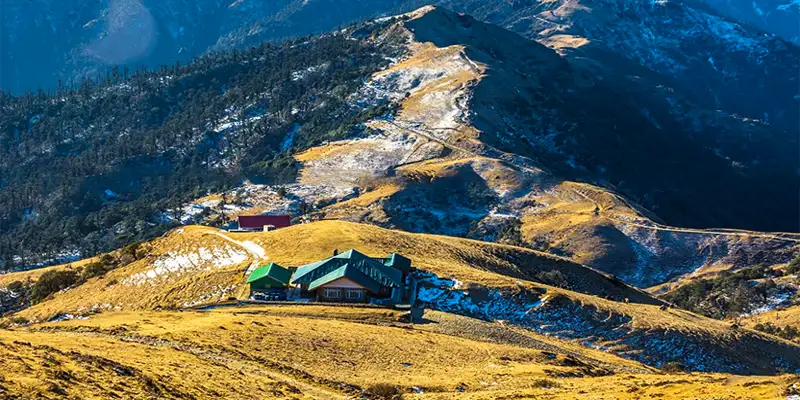 ModerateWinter, Spring, Autumn
Sandakphu Trek
The Sandakphu Trek is one of the most breathtaking treks in the Eastern Himalayas, widely regarded as a bucket-list adventure for mountaineers and nature enthusiasts. Nestled along the Singalila Ridge, Sandakphu stands tall at 11,930 ft, making it the highest peak of West Bengal, and offers an unobstructed panoramic view of four of the world’s highest peaks – Mount Everest (8,848m), Kanchenjunga (8,586m), Lhotse (8,516m), and Makalu (8,463m).The trail weaves through a mosaic of lush forests, rolling alpine meadows, and quaint Himalayan villages, allowing trekkers to immerse themselves in both the natural beauty and cultural charm of the region. The route crosses the India-Nepal border, making you feel like you are stepping into two countries in a single day. From sunrise over snow-capped peaks to sunsets that turn the Himalayan horizon into a palette of gold and crimson, Sandakphu offers experiences that are as soul-stirring as they are visually spectacular.Along the trek, you will encounter vibrant rhododendron forests, bamboo groves, and silver fir trees, and may spot wildlife such as red pandas, Himalayan monals, and musk deer in the Singalila National Park, which is home to unique Himalayan flora and fauna. Whether it’s the thrill of trekking along ridgelines, the serenity of untouched meadows, or the joy of connecting with local villagers, Sandakphu is a perfect combination of adventure, nature, and culture.Quick Facts About Sandakphu TrekTrek Duration: 4 Days / 3 NightsTrek Distance: ~65 km (total)Highest Point: Sandakphu (3,636m)Start/End Point: Manebhanjan, West BengalDifficulty Level: Moderate (suitable for beginners with basic fitness)Best Time to Visit: March-May (Spring), October-November (Autumn)Flora & Fauna: Rhododendron, oak, bamboo, Himalayan birds, red pandas (rare sightings)Accommodation: Camps, mountain lodges, and tea houses along the trailBest Time to Visit Sandakphu TrekSpring (March-May)- Rhododendron forests bloom in vibrant reds, pinks, and whites.- Pleasant temperatures: 10°C – 20°C.- Clear skies offer stunning views of Everest, Kanchenjunga, Lhotse, and Makalu.- Ideal for nature photography and spotting birds and flowing streams.Autumn (October-November)- Post-monsoon season with crystal-clear skies.- Crisp temperatures: 5°C – 15°C.- Alpine meadows glow golden, and snow-dusted peaks shine.- Perfect for sunrise and sunset experiences with uninterrupted panoramic views.Winter (December-February)- Trekking is possible but challenging due to snow and sub-zero temperatures.- Some trail sections may be inaccessible.- Recommended only for experienced trekkers with proper winter gear.How to Reach Manebhanjan for Sandakphu TrekBy Air:Bagdogra Airport (~80 km), followed by a 3-hour drive to Manebhanjan.By Train:NJP Railway Station (~70 km), taxi or shared jeep to Manebhanjan.By Road:Direct buses and taxis from Siliguri/Bagdogra to Manebhanjan, scenic hill drive through tea gardens and small towns.Accommodation & Meals During Sandakphu Trek- Stay in mountain lodges, tea houses, or camps along the trail.- Meals include breakfast, lunch, and dinner prepared with local ingredients.- Hot beverages and packed snacks are provided during trekking hours.Safety & Emergency Support During Sandakphu Trek- Experienced trekking guides with local knowledge.- First-aid kits, oxygen cylinders, and an emergency evacuation plan.- Trekking is done in small, manageable groups for safety.- Regular weather and trail condition monitoring.Himtrek’s Sandakphu Trek Package PriceHimtrek’s Sandakphu Trek package price is ₹11,900 per person. It includes accommodation, meals, professional guides, and trekking support. Contact us to book your Sandakphu Trek adventure now.Walking on the Indo-Nepal BorderOne of the most unique experiences of the Sandakphu Trek is the joy of literally walking between two countries. The Singalila Ridge acts as a natural border, and throughout the trail, the route constantly weaves between India and Nepal.You may find your left foot in India and your right foot in Nepal, a novelty trekkers love. The tea houses you rest in are often managed by Nepalese families, while the checkpoints belong to Indian forest authorities. This effortless blending creates a cultural richness rarely found on other treks.Small stalls along the way serve warm tea, local bread, noodles, and fresh Dal-Bhat. Most of them are technically in Nepal, so a meal at Tumling or Meghma becomes an international experience without ever showing a passport. The simplicity, warmth, and cross-border camaraderie you witness here make the journey feel beautifully wholesome.
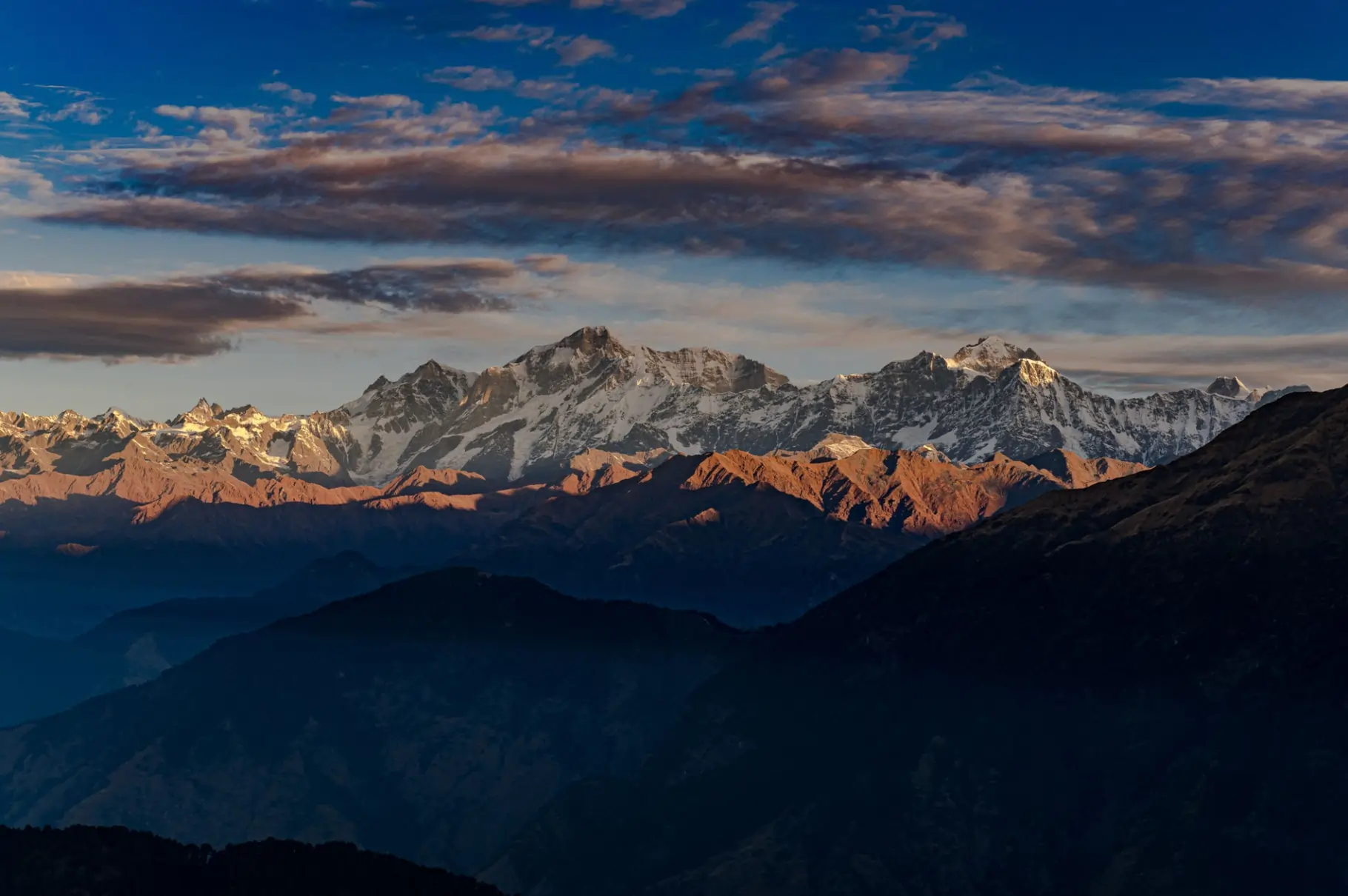 Easy-ModerateSummer, Spring, Autumn, Winter
Chopta Chandrashila Trek
Escape to the serene Himalayan heights with the Chopta Chandrashila Trek, a 5-day journey that blends adventure, nature, and spiritual vibes. Known as the “Mini Switzerland of India,” Chopta boasts lush green meadows, vibrant rhododendron forests, and unparalleled views of the majestic Himalayan peaks.Wake up to crisp mountain air, witness spectacular sunrises over snow-clad mountains, and walk through meadows dotted with wildflowers. The trek to Tungnath Temple, the world’s highest Shiva temple, followed by the Chandrashila Summit, promises panoramic vistas of Nanda Devi, Trishul, Kedar Peak, Bandarpunch, and Chaukhamba.For those seeking a relaxed experience, the optional Deoria Tal Trek or leisure day in Chopta allows you to soak in the pristine beauty of high-altitude lakes and meadows. Evenings are perfect for warm campfires, light music, and stargazing, making it an unforgettable Himalayan escape.This trek is ideal for beginners with basic fitness, solo travelers, families, or groups wanting to experience adventure, nature, and spiritual tranquility in one seamless journey.Quick Facts About Chopta Chandrashila TrekRegion Covered: Uttarakhand (Delhi – Chopta – Tungnath – Chandrashila)Start/End Point: DelhiHighest Altitude: Chandrashila Summit – 13,000 ftDifficulty Level: Moderate (suitable for beginners with basic fitness)Total Distance (Drive + Trek): Approx. 350 km (round trip)Temperature Range: Day: 5°C to 20°C | Night: -5°C to 10°CBest Time to do the Chopta Chandrashila TrekMarch to June – Spring & Early SummerScenery: Lush meadows, blooming rhododendrons, flowing streamsVibe: Ideal for trekking, photography, and nature walksTemperature: Day: 10°C to 20°C | Night: 0°C to 10°CSeptember to November – Autumn SerenityScenery: Golden forests, clear skies, crisp mountain viewsVibe: Peaceful trekking, fewer tourists, excellent for photographyTemperature: Day: 8°C to 18°C | Night: -2°C to 8°CDecember to February – Winter Snow TrekScenery: Snow-covered meadows, frosty valleys, alpine landscapesVibe: Adventurous snow trekking, cozy campfire evenings, and a serene environmentTemperature: Day: 5°C to 12°C | Night: -5°C to 3°CHow to Reach ChoptaBy Air: The nearest airport is Jolly Grant Airport, Dehradun, approximately. 230 km from Chopta. Taxis or buses are available for the onward journey.By Train: Haridwar (205 km) or Rishikesh (230 km) are the closest railway stations. Private cabs or buses connect to Chopta.By Road: Well-connected by road from Haridwar, Rishikesh, or Dehradun. Scenic drives through Devprayag, Rudraprayag, and Ukhimath lead to Chopta.Himtrek Chopta Chandrashila Trek Package – ₹6,999Experience the Himalayan charm with Himtrek’s all-inclusive Chopta Chandrashila Trek package starts at ₹6,999 per person. This includes comfortable stays in camps/guesthouses, guided treks, hot meals as per itinerary, and unforgettable experiences amidst alpine meadows and majestic peaks.Still wondering? Contact us and let us help you suggest the next adventure.
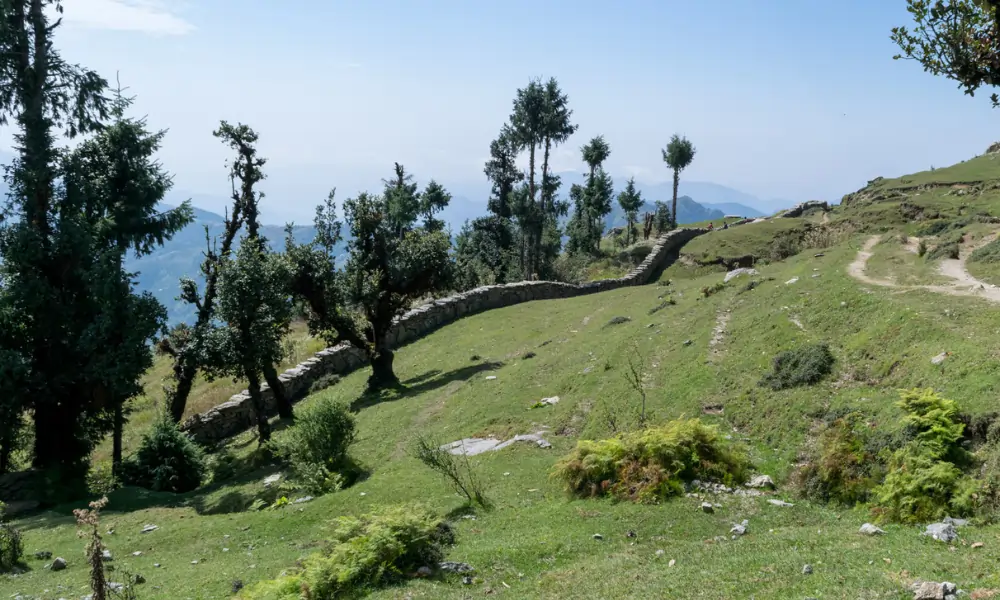 ModerateSummer, Monsoon, Autumn, Winter
Churdhar Trek
Some treks are about reaching a summit. Others are about what you feel along the way. The Churdhar Trek is not just a mountain adventure – it’s a journey that beautifully blends nature, spirituality, and raw Himalayan experience. Located in the Sirmaur district of Himachal Pradesh, this trek takes you to the highest peak of the Outer Himalayas at 3,655 meters. But what truly makes Churdhar special isn’t just the altitude – it’s the meaning behind it.As you walk through dense forests of deodar and rhododendron, cross quiet mountain streams, and gradually ascend above the treeline, there’s a noticeable shift – not just in landscape, but in energy. The trail feels calm, almost meditative.At the summit lies the sacred Shirgul Maharaj Temple, a place deeply revered by locals. For many, this trek is not just about adventure but also about seeking blessings and experiencing a sense of peace that’s hard to find elsewhere.From forest trails to open ridgelines, from bird calls to complete silence, from physical effort to spiritual calm = this trek gives you a complete Himalayan experience in just a few days.If you are looking for something beyond just another trek – something more meaningful, more grounded – Churdhar is the one.Quick Facts About Churdhar TrekDuration: 3 Days / 2 NightsStarting Point: NauhradharMaximum Altitude: 3,655 meters (Churdhar Peak)Trek Distance: Approx. 23 km (round trip)Difficulty Level: Easy to ModerateRegion: Sirmaur District, Himachal PradeshTrail Type: Forest trails + gradual ascent + summit climbIdeal For: Beginners, spiritual travelers, nature loversBest Time to Visit: April to NovemberTemperature Range: 0°C to 20°C (depending on season)Churdhar Trek Package PriceThe Churdhar Trek package is designed for those who want to experience a meaningful Himalayan trek without needing long durations or advanced trekking experience.Himtrek Churdhar Package Price: ₹4,500 per personThis Churdhar Trek package offers a complete experience – from forest trails and campsite stays to summiting one of the most sacred and highest peaks of the Outer Himalayas – making it ideal for beginners as well as those looking for a more peaceful, offbeat trekking journey.Best Time to do Churdhar TrekThe Churdhar Trek can be done across multiple seasons, and each one offers a completely different experience. Choosing the right time depends on what kind of trek you’re looking for – lush greenery, clear views, or snow-covered trails.April to June (Ideal for Beginners & First-Time Trekkers)This is one of the best times to do the Churdhar Trek, especially if you’re new to trekking.- The weather is pleasant with comfortable daytime temperatures- Forest trails are fresh, green, and full of life after winter- Rhododendron blooms add color to the trail in early season- The route is mostly clear of snow, making trekking easier and safer- Perfect for those who want a balanced experience without extreme conditionsBest for: Beginners, nature lovers, first-time Himalayan trekkersJuly to September (Lush but Unpredictable)During monsoon, the region transforms into a vibrant green landscape—but comes with its challenges.- Trails become extremely green and visually stunning- Misty forests create a unique, almost mystical trekking experience- However, rainfall can make trails slippery and slightly risky- Limited mountain views due to clouds and fog- Leeches may be present in forest sectionsBest for: Experienced trekkers who enjoy monsoon landscapes and don’t mind challengesOctober to November (Best for Clear Views & Peaceful Experience)This is considered one of the most rewarding times for the Churdhar Trek.- Skies are crystal clear, offering stunning long-distance views from the summit- The air feels crisp and fresh, enhancing the overall trekking experience- Trails are dry and stable after monsoon- Fewer crowds make the journey more peaceful and immersive- Nights start getting colder, especially at higher campsBest for: Photographers, experienced trekkers, and those seeking a quieter, scenic experienceDecember to March (Snow Trek – Only for Experienced Trekkers)This is when the Churdhar region turns into a snow-covered landscape.- Trails are fully covered in snow, creating a completely different trekking experience- The trek becomes more physically demanding and requires proper gear- Navigation becomes difficult due to snow-covered paths- Temperatures drop significantly, often below freezing- Only suitable with experienced guides and proper preparationBest for: Experienced trekkers looking for a snow adventureWhat Makes the Churdhar Trek SpecialThe Churdhar Trek is not just about reaching a peak – it’s about experiencing a rare balance of nature, silence, and spirituality.Unlike many commercial treks, this trail feels untouched and deeply personal. As you walk through dense deodar forests, cross quiet streams, and gradually leave the tree line behind, the surroundings begin to feel calmer – almost meditative.But what truly gives this trek its deeper meaning is the presence of the sacred Shirgul Maharaj Temple at the summit.Locals believe that Shirgul Maharaj is an incarnation of Lord Shiva, a protector of the region who resides on Churdhar Peak. According to folklore, he meditated here and safeguarded the surrounding valleys from evil forces. Even today, villagers from nearby regions hold immense faith in him, often trekking long distances to seek blessings.Because of this, the summit doesn’t feel like just another endpoint – it feels like a place of energy and connection. After hours of effort, when you finally stand there, the experience becomes more than physical. There’s a sense of calm, of stillness, that naturally settles in.Another unique aspect of the Churdhar Trek is the view it offers. From the top, the landscape opens up in a way that’s rare – you can see across Kinnaur, parts of Spiti, and even the distant plains on a clear day.It’s this combination – forest trails, spiritual significance, offbeat route, and expansive Himalayan views – that makes Churdhar more than just a trek.It becomes something you don’t just complete – you actually feel.
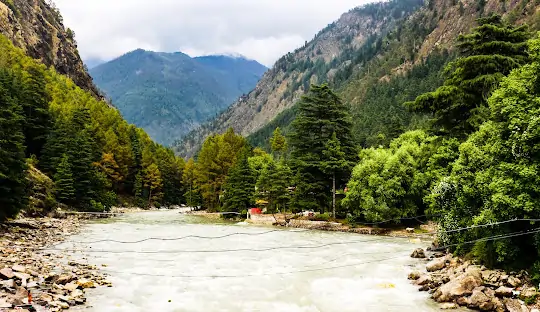 EasySpring, Summer, Winter, Autumn
Manali Sissu Kasol Trip
Experience the perfect blend of mountains, meadows, and mystic rivers on the Manali Sissu Kasol Trip, a 5-day Himalayan adventure designed for explorers who crave both thrill and tranquility.Begin your journey in the vibrant town of Manali, surrounded by snow-kissed peaks and cedar forests. Trek to the refreshing Jogini Falls, explore Hadimba Temple, and wander through charming lanes and cafes on Mall Road.Cross the majestic Atal Tunnel to enter the surreal landscapes of Sissu in Lahaul Valley – where icy rivers flow beside vast meadows and towering peaks dominate the horizon. Feel the rush of Solang Valley’s adventure activities and end your journey in the peaceful vibe of Kasol, home to the divine Manikaran Sahib Gurudwara and riverside cafes of Chalal Village.Whether it’s cozy bonfires, scenic drives, or cafe-hopping by the Parvati River, this trip captures Himachal’s soul in one unforgettable experience.Quick Facts About Manali Sissu Kasol TripRegion Covered: Kullu ManaliStart/End Point: DelhiHighest Altitude: Sissu – 10,200 ftDifficulty Level: Easy (Ideal for beginners & families)Accommodation: Hotels & Riverside CampsTotal Distance: Approx. 1,100 km (Delhi to Delhi)Temperature Range: Day: 10°C to 25°C | Night: 0°C to 10°CBest Time to do Manali Sissu Kasol TripMarch to June – Spring & Early SummerScenery: Blooming flowers, flowing rivers, and pleasant weather.Vibe: Perfect for adventure, sightseeing & outdoor exploration.Temperature: Day 15°C–25°C | Night 5°C–12°CSeptember to November – Autumn ColorsScenery: Golden valleys and clear skies.Vibe: Ideal for peaceful getaways and hiking.Temperature: Day 12°C–22°C | Night 4°C–10°CDecember to February – Winter WonderlandScenery: Snowy peaks, frozen waterfalls & cozy vibes.Vibe: Perfect for snow adventures & bonfires.Temperature: Day 5°C–15°C | Night -2°C–5°CHow to Reach ManaliBy Air:The nearest airport – Bhuntar airport (Kullu), 50 km from Manali. Cabs & buses available.By Train:Closest railway station – Joginder Nagar (160 km). Taxis can be booked to Manali.By Road:Regular Volvo buses and private vehicles from Delhi & Chandigarh connect directly to Manali.Manali Sissu Kasol Trip Package by Himtrek – ₹13,999Embark on an unforgettable journey through Himachal’s most scenic spots with the Manali Sissu Kasol Trip by Himtrek.Experience Jogini Falls, Solang Valley, and Lahaul’s beauty through Sissu, followed by the peaceful aura of Kasol and Manikaran. Perfect for adventurers, couples, and nature lovers – all at just ₹13,999 per person.Contact us for more package details.
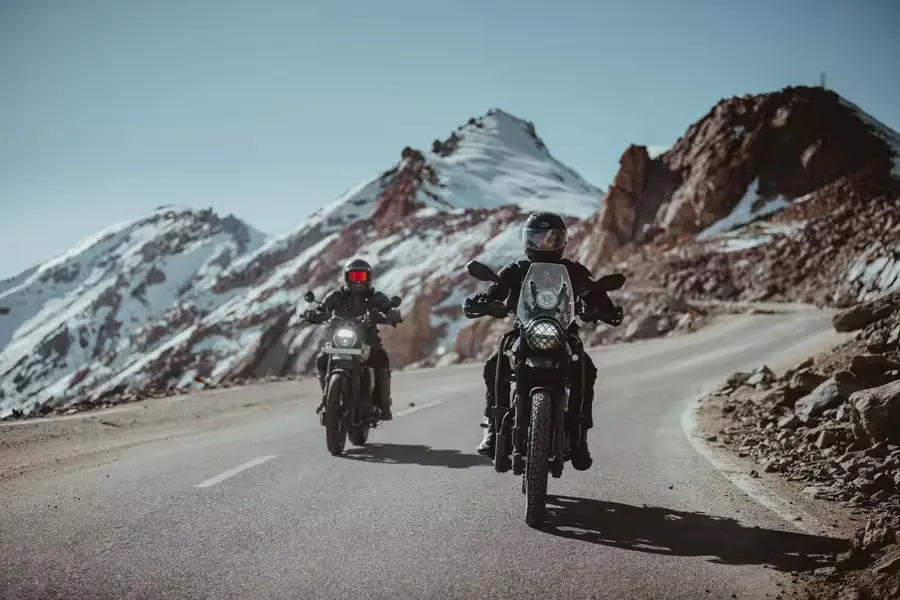 ModerateSummer, Monsoon, Autumn
Spiti Bike Trip
Some journeys are comfortable. Others change the way you see travel forever.The Spiti Bike Trip is not just a ride – it’s an expedition into one of the most raw, remote, and powerful landscapes in India. Over 9 days and 825+ kilometers, you ride through shifting terrains, extreme altitudes, and roads that challenge you at every turn.From the green hills of Himachal to the barren, high-altitude desert of Spiti, this journey constantly evolves. One moment you’re riding through pine forests, and the next, you’re navigating cliff-edge highways carved into mountains.But what truly defines this experience is not just the roads – it’s the feeling of being out there.Riding alongside the Sutlej and Spiti rivers, crossing high-altitude villages like Komic and Hikkim, visiting monasteries that are over a thousand years old – this isn’t just travel, it’s immersion.And then there are the moments you don’t expect:- The silence of Spiti valleys- The vastness of barren mountains- The thrill of riding on unpredictable terrainThis is not a trip for comfort seekers.This is for those who want to feel the mountains – raw, real, and unforgettable.Why This Spiti Bike Trip is Special?- Complete 825+ km circuit ride through Spiti Valley- Ride through one of India’s most challenging and scenic highways (NH5)- Experience the dramatic shift from green Himalayas to cold desert terrain- Visit world-famous monasteries like Key & Tabo- Explore highest motorable villages – Komic & Hikkim- Ride along rivers, cliffs, and remote mountain roads- Perfect blend of adventure, culture, and explorationQuick Facts (Know Before You Go)- Duration: 9 Days / 8 Nights- Starting & Ending Point: Chandigarh- Total Distance: Approx. 825+ km- Maximum Altitude: 4,587 meters (Komic)- Difficulty Level: Moderate to Challenging- Region Covered: Himachal Pradesh (Shimla → Kinnaur → Spiti → Return)- Bike Provided: Royal Enfield Himalayan 411/450cc- Terrain Type: Highways + mountain roads + cliff routes + rough patches- Ideal For: Riders with basic to intermediate experience- Best Time to Visit: May to October- Temperature Range: -5°C to 25°C- Fuel Availability: Limited in Spiti (last major pumps at Reckong Peo/Kaza)Best Time to Visit Spiti Bike Trip?The Spiti Bike Trip is highly dependent on weather, road accessibility, and temperature. Each season offers a different riding experience, so choosing the right time depends on your comfort with cold, road conditions, and altitude.May to June (Best for First-Time Riders)- Temperature:Day: 10°C to 20°CNight: 0°C to 5°C- Roads start opening after winter, making the full circuit accessible- Comfortable riding conditions with manageable cold- Snow is still visible at higher points, especially near passes and villages- Clear transition from green Kinnaur to barren Spiti landscapesBest for: Beginners, first-time high-altitude ridersJuly to September (Best Overall Experience)- Temperature:Day: 15°C to 25°CNight: 5°C to 10°C- Most stable and rider-friendly period for the Spiti Bike Trip- Roads are fully open and easier to navigate- Spiti remains dry (rain shadow region), while Kinnaur may receive light rainfall- Valleys appear more vibrant in the early part of the routeNote: Occasional landslides may occur in Kinnaur during monsoonBest for: Smooth execution, full route completionOctober (Best for Clear Views & Offbeat Experience)Temperature:Day: 10°C to 15°CNight: -5°C to 5°C- Crystal-clear skies with stunning long-distance mountain views- Roads remain accessible but conditions start getting colder- Significantly fewer tourists, offering a quieter experience- Sharp, dramatic landscapes – ideal for photographyBest for: Experienced riders, photographers, offbeat travelersNovember to April (Not Recommended)Temperature:Day: -5°C to 10°CNight: -15°C to -5°C- Heavy snowfall leads to major road closures- Extreme cold makes riding unsafe and impractical- Most routes remain inaccessible, especially for a full circuitNote: Not suitable for the Spiti Bike TripSpiti Bike Trip Package Price by Himtrek – ₹23,999The Spiti Bike Trip package is priced at ₹23,999 per person, designed to give you a complete high-altitude riding experience across one of India’s most iconic Himalayan routes.This Spiti Bike Trip is not just about the ride – it’s about seamless execution, well-planned routes, experienced leaders, and the confidence to explore remote terrains without worrying about logistics.With Himtrek, every detail is taken care of so you can focus on what truly matters – the ride, the roads, and the experience.Are you ready to Ride to Spiti?If this journey feels like something you’ve been waiting for, don’t overthink it.- Limited slots for each batch- Fixed departure dates during the season- High demand for the Spiti Bike TripSecure your seat now and be part of this unforgettable ride. Contact Us to check availability, dates, and confirm your booking.
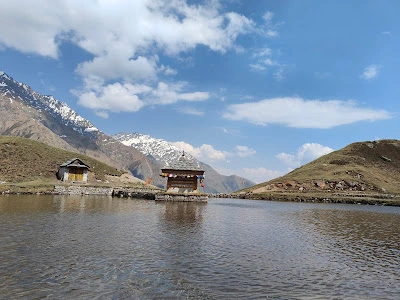 Easy-ModerateMonsoon, Summer
Yulla Kanda Trek
The Yulla Kanda trek is one of the most hidden and peaceful trails in Himachal Pradesh. Located in the remote Kinnaur region, this 3-day trek takes you through tall pine forests, quiet villages, and wide open meadows. The journey ends at the beautiful Yulla Kanda Lake.At this high-altitude lake stands the World’s highest Krishna temple. It’s a key highlight for trekkers and an important spiritual spot. Locals believe Lord Krishna once meditated here, and many still visit for its calm and sacred feel.Along the trail, you will be surrounded by pure nature and hardly any crowds. It’s a quiet and refreshing experience, far from the usual tourist places.This trek is a mix of adventure, local culture, and mountain views. It’s perfect for anyone looking to explore something different and more peaceful.Each day brings you closer to the real side of Himachal – clean air, quiet moments, and a story you will always remember. If you want nature, calm, and a one-of-a-kind trek, Yulla Kanda is waiting.Let’s read further to know more about this beautiful journey.Quick Facts About Yulla Kanda TrekLocation: Rora Valley, Kinnaur District, Himachal PradeshAltitude: 3,895 meters (12,778 feet)Trek Length: 11-12 kilometersStarting Point: Yulla Khas Village (3 km above Urni in Nichar Tehsil)Best Time to Trek: Mid-May to Mid-OctoberTrail Type: Forests, meadows, and alpine lake viewsMain Highlight: World’s Highest Krishna Temple near Yulla LakeBest Time for Yulla Kanda TrekYulla Kanda is a seasonal trek best experienced between mid-May and mid-October. Each one offers something different:May to June: This is when the trail starts to open up. Expect chilly mornings and great visibility of the surrounding peaks.Scenery: Snow melting, fresh green plants, and some snow near the lake.Vibe: Crisp air, light crowds, and quiet trails.Temperature: Day – 10°C to 18°C | Night – 2°C to 8°CJuly to August: This is the perfect time to witness the region’s natural beauty at its peak.Scenery: Green meadows, wildflowers, and thick forests.Vibe: Busier trails, sometimes cloudy, and colorful nature.Temperature: Day – 12°C to 20°C | Night – 5°C to 10°CSeptember to Mid-October: This is ideal for those who prefer solitude and sharp mountain views.Scenery: Clear sky, golden grass, and peaceful lake views.Vibe: Quiet, spiritual, and photogenic.Temperature: Day – 8°C to 16°C | Night – 0°C to 6°CHow to Reach ShimlaShimla is well connected by road, train, and air. Here’s how you can get there:By Road:- Shimla is around 350 km from Delhi and takes about 8-10 hours by bus or car. - Regular Volvo and HRTC buses are available from Delhi, Chandigarh, and nearby towns.By Train:- The nearest major railway station is Kalka, about 90 km away. - From Kalka, you can take the famous Kalka-Shimla toy train or a taxi/bus to reach Shimla.By Air:- The nearest airport is Jubarhatti Airport, about 22 km from Shimla, with limited flights.- Alternatively, you can fly to Chandigarh Airport and travel to Shimla by road (about 4 hours).- It’s best to arrive in Shimla a day before the trek starts to acclimatize and avoid any last-minute delays.Yulla Kanda Trek PackageYour 3-day trip includes meals, camping gear, accommodation, local guides, permits, and transport from Shimla and back.Our Yulla Kanda Trek Costs Rs. 9,499 from Delhi to Delhi.Kindly review the Terms and Conditions before proceeding with your booking.Explore more unforgettable treks:Buran Ghati TrekKareri Lake TrekYulla Lake and Krishna TempleThe World’s highest Krishna temple, Yulla Kanda, sits in the middle of the lake and welcomes people of all faiths. It reflects the rich cultural and spiritual traditions of the Kinnaur region.According to locals, the Pandavas built this temple during their exile. It holds a deep religious meaning for the people of Kinnaur and nearby villages, especially during the Janmashtami festival.Scenic Beauty & Local Significance of Yulla KandaFrom Yulla Kanda, you get wide views of the Kinnaur ranges and nearby valleys. To the northwest, you can see Listigarang Valley, which connects to Kafnu and Bhabha Pass. To the northeast lies the Kashang Valley, with routes heading to remote villages like Pangi.This isn’t just a trek – it’s a journey through stories, legends, and beautiful mountain views.Janmashtami Celebration at Yulla KandaEvery year, on Janmashtami, the region celebrates Lord Krishna’s birth with local rituals. People throw a traditional Kinnauri cap into the lake. If it floats across without sinking, it’s believed the person will have a peaceful year ahead.This spiritual tradition draws people from nearby areas who come to pray, reflect, and take part in the sacred ceremony.Packing Tips & Preparation for Yulla Kanda TrekBefore going for the Yulla Kanda Trek, you need to know important trekking tips and preparations.Physical Preparation- Start light cardio and leg workouts 2–3 weeks before the trek.- Practice walking with a backpack for better stamina.Packing Essentials- Warm layers, gloves, beanie, waterproof jacket.- Comfortable trekking shoes with good grip.- Headlamp, reusable water bottle, and power bank.Health & Safety- Carry basic medicines (cold, headache, altitude sickness).- Keep ORS or energy bars for hydration and energy.- Inform someone in advance about your travel plan.
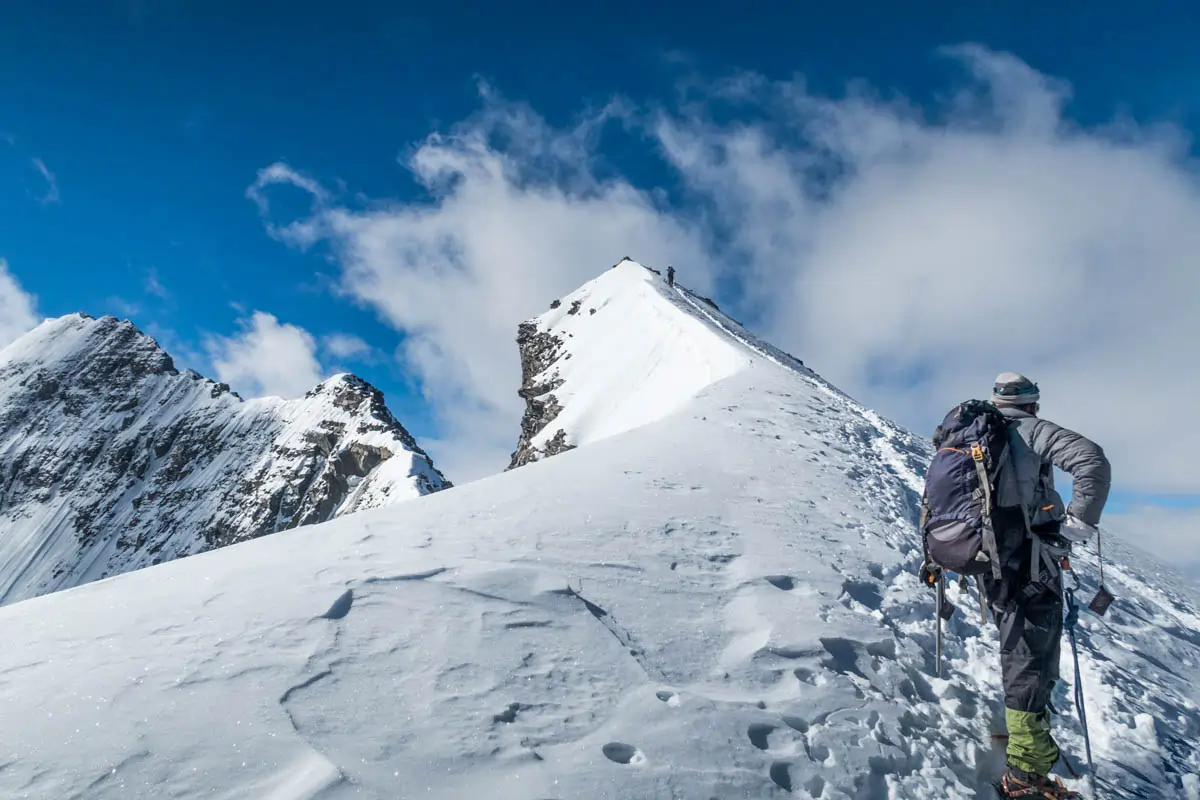 DifficultSummer, Monsoon, Autumn
Kang Yatse 1 Peak Expedition
The Kang Yatse 1 Peak Expedition is one of the most challenging and rewarding high-altitude climbing experiences in Ladakh. Rising to approximately 6,400 meters (21,000 ft), this expedition marks the transition from trekking to true Himalayan mountaineering.The journey begins in Leh and takes you through the breathtaking Markha Valley – known for its remote villages, flowing rivers, and vast high-altitude meadows. As the expedition progresses, the terrain gradually transforms into rugged moraine, glacier sections, and snow-covered slopes.Unlike regular treks, Kang Yatse I demands both physical endurance and mental resilience. The summit push involves technical climbing with the use of crampons, ropes, and harnesses, making it ideal for experienced trekkers ready to take the next step.This is not just about reaching the summit, it’s about pushing limits, adapting to extreme conditions, and experiencing the Himalayas in their rawest form.Quick Facts About Kang Yatse 1 Peak ExpeditionRegion Covered: Markha Valley, LadakhDuration: 13 Days / 12 NightsStart/End Point: LehBase Village: SkiuTotal Distance: Approx. 90-100 kmMaximum Elevation: 6,400 meters (21,000 ft)Base Camp Altitude: 5,100 metersDifficulty Level: Difficult to TechnicalStay Type: Hotel in Leh & high-altitude campsTemperature Range:Day: 5°C to 15°CNight: -10°C to -2°CBest Time to Do Kang Yatse 1 Peak ExpeditionThe best time to attempt Kang Yatse 1 Peak expedition is between June and September.June to July- Snow-covered terrain- More technical climbing conditionsJuly to August- Stable weather- Suitable for most trekkers attempting the peakSeptember- Clear views and less crowd- Colder temperaturesWeather conditions in Ladakh can change quickly, so proper clothing and preparation are essential.How to Reach ?By Air:Direct flights to Leh from major citiesBy Train:Jammu Tawi → Road journey to LehBy Road:Via Manali – Leh or Srinagar – Leh HighwayKang Yatse 1 Peak Expedition Package by Himtrek – ₹92,999Himtrek offers the Kang Yatse 1 Peak Expedition at ₹92,999 per person with complete expedition support.The package includes accommodation in Leh, meals during the trek, experienced trek leaders, mountaineering guides, technical equipment support, permits, camping arrangements, and logistics.The itinerary is structured with gradual altitude gain, proper acclimatization days, and a training session at Base Camp. This helps participants adjust to altitude and prepare for the summit climb.About Kang Yatse PeakKang Yatse has two main summits – Kang Yatse I and Kang Yatse II.Kang Yatse I is the higher and more technical peak, requiring climbing skills and the use of mountaineering equipment.It is often considered a stepping stone for high-altitude expeditions, allowing trekkers to gain experience in glacier travel, rope usage, and summit climbing in a relatively structured environment.Terrain & Expedition Experience of Kang Yatse 1- Trail begins with Markha river valley and village routes in Markha Valley- Gradual transition to high-altitude meadows like Nimaling- Terrain becomes rocky and uneven near Base Camp- Upper sections include moraine, glacier, and snow slopes- Summit climb involves technical sections with fixed ropes
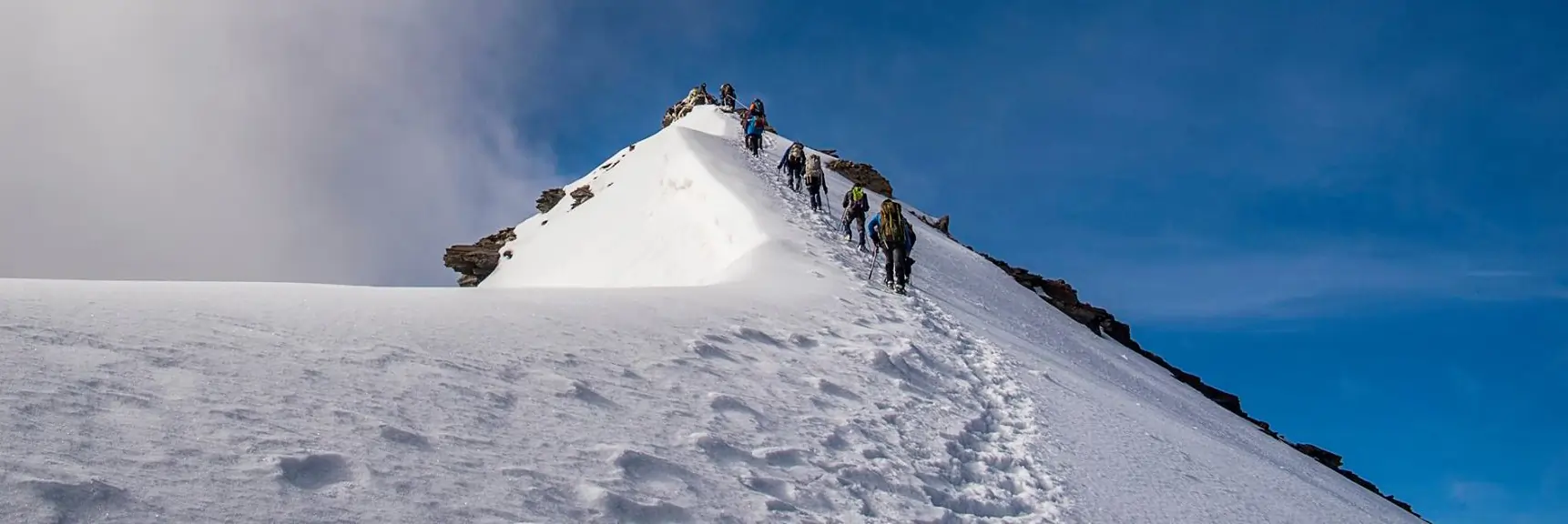 DifficultSummer, Monsoon
Kang Yatse 2 Peak Expedition
The Kang Yatse 2 Peak Expedition is one of the most popular high-altitude climbing experiences in Ladakh, reaching approximately 6,250 meters (20,500 ft). It is considered a perfect introduction to Himalayan mountaineering for trekkers looking to attempt their first 6000-meter peak.The expedition follows the scenic Markha Valley route, passing through remote villages, river crossings, and high-altitude meadows. As you progress, the terrain gradually shifts from well-defined trails to moraine, glacier sections, and snow-covered slopes near the summit.Compared to Kang Yatse I, Kang Yatse II is less technical, but still requires good fitness, endurance, and basic understanding of high-altitude conditions.With proper acclimatization and training at Base Camp, trekkers can safely attempt the summit.Quick Facts About Kang Yatse 2 Peak ExpeditionRegion Covered: Markha Valley, LadakhDuration: 11 Days (+1 Buffer Day)Start/End Point: LehBase Village: SkiuTotal Distance: Approx. 85–90 kmMaximum Elevation: 6,250 meters (20,500 ft)Base Camp Altitude: 5,100 metersDifficulty Level: Moderate to DifficultStay Type: Hotel in Leh & alpine campsTemperature Range:Day: 8°C to 18°CNight: -8°C to 0°CBest Time to Do Kang Yatse 2 Peak ExpeditionThe best time to attempt the Kang Yatse 2 Peak Expedition is from June to September.June to July- Snow patches on upper sections- Slightly more challenging summit conditionsJuly to August- Stable weather and accessible routes- Ideal for most trekkersSeptember- Clear skies and better visibility- Colder but less crowdedHow to Reach?By Air:Direct flights to Leh from major citiesBy Train:Jammu Tawi → Road journey to LehBy Road:Via Manali-Leh or Srinagar-Leh HighwayKang Yatse 2 Peak Expedition Package by Himtrek – ₹55,000Himtrek offers the Kang Yatse 2 Peak Expedition at ₹55,000 per person, designed for trekkers looking to attempt a 6000-meter Himalayan peak with proper support, safety, and structured planning.The expedition is carefully planned with gradual altitude gain, dedicated acclimatization days, and a training session at Base Camp to prepare participants for the summit push. The itinerary also includes a buffer day to account for weather conditions and ensure flexibility during the climb.With experienced trek leaders, organized logistics, and a well-managed support team, participants can focus on the climb while all operational aspects are handled efficiently.Book your Kang Yatse 2 Peak Expedition with Himtrek and take your first step into high-altitude mountaineering.About Kang Yatse IIKang Yatse II is the non-technical or semi-technical summit of the Kang Yatse massif, making it more accessible compared to Kang Yatse I.It is widely considered:- A first 6000m peak for trekkers- A stepping stone into mountaineering- Ideal for those with prior trekking experienceThe climb involves snow slopes and glacier sections but does not require advanced technical climbing skills.Terrain & Expedition Experience of Kang Yatse II- Markha Valley trail with rivers, villages, and open landscapes- Gradual ascent through high-altitude meadows like Nimaling- Rocky and moraine terrain near Base Camp- Snow and glacier sections near summit- Summit climb involves early start and steady ascent
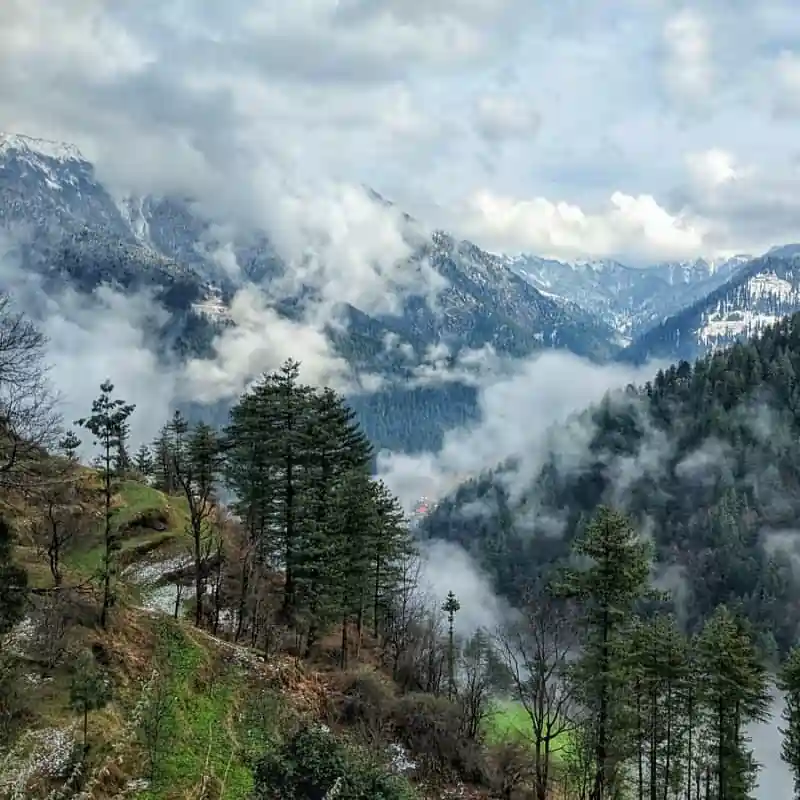 EasySpring, Summer, Winter, Autumn
Shangarh Trip
Step into the peaceful charm of the Shangarh Trip, a 3-day journey through some of Himachal Pradesh’s most serene and untouched valleys. Begin in Jibhi, a hidden gem tucked away amidst dense forests and rivers, where the Jibhi Waterfall awaits to greet you with its tranquil beauty. Stroll along riverside paths, breathe in crisp mountain air, and soak in the harmony of nature far from the city’s hustle.The trip then takes you to Shangarh Valley, renowned for its spiritual meadows, quiet village trails, and panoramic mountain views. Explore the Shangarh Temple, wander the scenic landscapes, and enjoy the slow pace of life in this offbeat Himalayan paradise. Evenings are ideal for cozy bonfires, group activities, or simply watching the sunset paint the valley in golden hues.Adventure and relaxation blend seamlessly on this trip. Optional hikes, riverside walks, and a thrilling river rafting experience at Bajaura/Kullu add excitement, while the rustic homestays and Himtrek accommodations ensure comfort throughout your journey. Perfect for nature lovers, solo travelers, families, or anyone seeking a tranquil Himalayan escape, the Shangarh Trip promises unforgettable memories in the lap of the mountains.Quick Facts About Shangarh TripRegion Covered: Himachal Pradesh (Jibhi-Shangarh-Raila)Start/End Point: JibhiDuration: 3 Days / 2 NightsHighest Altitude: Shangarh Meadows – 7,500 ft approx.Difficulty Level: Easy (suitable for all travelers)Accommodation: Himtrek Stays / Rustic HomestaysTotal Distance: Approx. 80 km (round trip)Temperature Range: Day: 15°C to 25°C | Night: 5°C to 12°CBest Time to do the Shangarh TripMarch to June – Spring & Early SummerScenery: Lush green valleys, flowing rivers, blooming flora.Vibe: Perfect for hikes, waterfall visits, and outdoor exploration.Temperature: Day 15°C to 25°C | Night 5°C to 12°CSeptember to November – Autumn SerenityScenery: Golden-hued forests, clear skies, tranquil meadows.Vibe: Quiet trails, fewer crowds, and peaceful village explorations.Temperature: Day 12°C to 22°C | Night 4°C to 10°CDecember to February – Winter CharmScenery: Snow-dusted landscapes, frozen streams, and cozy mountain vibes.Vibe: Ideal for travelers seeking calm and crisp mountain air.Temperature: Day 5°C to 15°C | Night -2°C to 5°CHow to Reach Jibhi/ShangarhBy Air:The nearest airport is Bhuntar Airport (Kullu), around 120 km from Jibhi. Taxis are available to reach Jibhi.By Train:The closest railway station is Joginder Nagar (approx. 95 km). From there, local taxis can take you to Jibhi.By Road:Well-connected via road from Manali (120 km) and Shimla (175 km). Private cabs, buses, and shared taxis are available.Shangarh Trip Package by Himtrek – ₹7,500Experience the charm of offbeat Himachal with the Shangarh Trip by Himtrek at just ₹7,500 per person. Stay in cozy Himtrek accommodations, explore hidden waterfalls, wander spiritual meadows, and enjoy riverside adventures. Perfect for friends, solo travelers, and nature enthusiasts looking for a tranquil getaway. Contact us, for more information about the treks in Himachal.
 EasySummer, Spring, Winter, Autumn
Mcleodganj to Bir Billing Trip
Step into the serene charm of Himachal with the Mcleodganj to Bir Billing Trip, a 3-day journey through the scenic landscapes of Dharamshala, Palampur, and Bir.Begin your adventure in McLeodganj, a picturesque town set against the backdrop of the Dhauladhar range. Stroll through the bustling flea markets, explore quaint cafes, and soak in the spiritual ambiance of the Dalai Lama Monastery. Discover hidden gems like Bhagsu Waterfall, where the cascading waters and forested surroundings offer a tranquil escape.The McLeodganj to bir billing trip then takes you to Bir, renowned as India’s paragliding capital. Glide through the skies from Billing to Bir (optional paragliding), and enjoy breathtaking views of rolling valleys, lush tea gardens, and snow-capped peaks. Evenings are perfect for cozy bonfires, café hopping, and soaking in the calm Himalayan vibes.Whether you seek adventure, nature, or a peaceful retreat, this trip offers a perfect blend of exploration, thrill, and relaxation in the lap of the mountains.Quick Facts About McLeodganj to Bir Billing TripRegion Covered: Himachal Pradesh (Mcleodganj – Dharamshala – Palampur – Bir)Start/End Point: McLeodganjHighest Altitude: Billing Take-Off – 8,800 ft approx.Difficulty Level: Easy (suitable for beginners, solo travelers, and families)Total Distance: Approx. 110 km (McLeodganj to Bir round trip)Temperature Range: Day: 10°C to 22°C | Night: 4°C to 12°CBest Time to do the McLeodganj to Bir Billing TripMarch to June: Spring & Pre-MonsoonScenery: Green valleys, blooming flowers, lush tea gardensVibe: Perfect for sightseeing, café hopping, and paragliding adventuresTemperature: Day: 12°C to 25°C | Night: 5°C to 12°CSeptember to November: Autumn SerenityScenery: Golden foliage, clear skies, crisp mountain airVibe: Ideal for peaceful exploration and adventure sportsTemperature: Day: 10°C to 22°C | Night: 4°C to 10°CDecember to February: Winter CharmScenery: Snow-dusted peaks, frosty mornings, magical Himalayan landscapesVibe: Perfect for snow lovers, cozy hotel stays, and mountain photographyTemperature: Day: 5°C to 15°C | Night: 0°C to 8°CHow to Reach McLeodganjBy Air:Nearest airport: Gaggal Airport (Dharamshala), ~13 km from McLeod Ganj.Taxis and shared cabs are available to reach the town.By Train:Closest railway station: Pathankot (~90 km).Local taxis or buses connect to McLeod Ganj.By Road:Well-connected from Delhi (500 km), Chandigarh (250 km), and Manali (270 km).Options: private cabs, Volvo buses, or shared taxis.Scenic mountain drives make the journey a part of the experience.McLeodganj to Bir Billing Trip Package by Himtrek – ₹6,999All-inclusive Himtrek package covering 3 days / 2 nights.Comfortable stays in McLeodganj and Bir, with breakfast and dinner as per the itinerary.Explore McLeod Ganj, Dharamshala, Palampur, and Bir.Thrilling paragliding from Billing to Bir (optional, extra charges apply).Price: McLeodganj to Bir Billing trip costs ₹6,999 per person (excluding paragliding and applicable GST).Still confused. Don’t worry! Contact us to get detailed information.
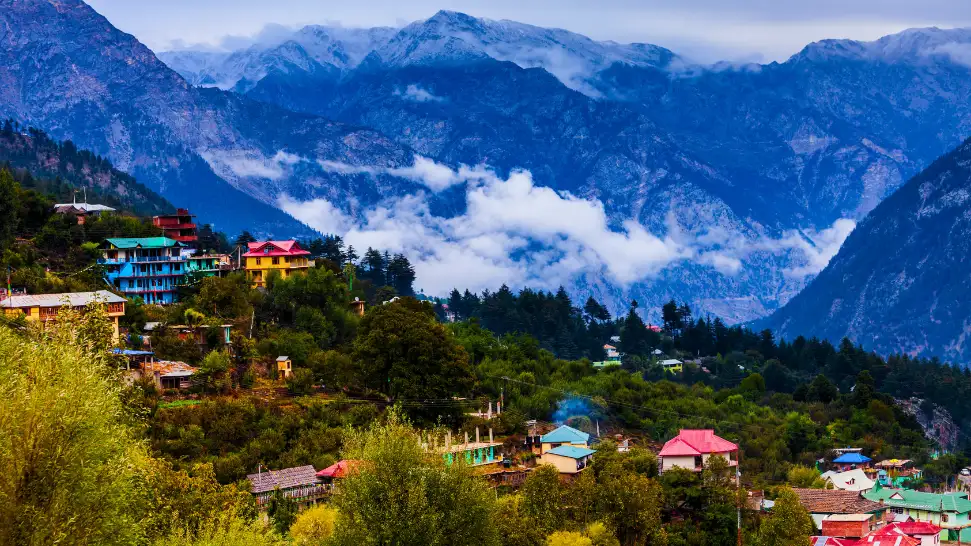 EasySummer, Monsoon
Zanskar Valley Trip
The Zanskar Valley trip takes you deep into one of the most secluded and stunning regions of Ladakh, where nature’s raw beauty meets ancient traditions. Did you know Zanskar means “white copper,” and the valley is often called the “Land of High Passes” because of its dramatic mountain routes. This off-the-beaten-path destination is home to remote villages, centuries-old monasteries, and breathtaking landscapes that seem frozen in time. On this trip, you will experience the famous Chadar Trek in winter or explore vibrant rivers and peaceful meadows during summer. Starting from Delhi, the Zanskar valley trip from Delhi offers a carefully crafted itinerary that balances adventure with cultural immersion. Whether it’s the thrilling mountain passes or the warm hospitality of the locals, this journey promises memories that stay with you forever.Quick Facts About the Zanskar Valley TripLocation: Remote region in Ladakh, Northern IndiaAltitude: Ranges from 3,500 to 5,500 meters (11,500 to 18,000 feet) above sea levelBest Time to Visit: May to September (summer), January to February (for Chadar Trek in winter)Duration: Typically 7 to 10 days, depending on the packageActivities: Trekking, cultural tours, river exploration, photography, spiritual visitsAccessibility: Road trips via Manali or Leh, air connectivity to Leh, followed by local transport to ZanskarAccommodation: Guesthouses, homestays, and basic campsites in the valleyDifficulty Level: Moderate to challenging, suitable for adventure seekers with basic fitnessBest Time for Zanskar Valley TripSummer (May to September):Pleasant weather with temperatures between 10°C to 25°CRoads and passes are open, perfect for trekking and sightseeingIdeal for exploring valleys, monasteries, and natureWinter (January to February):Time for the famous Chadar Trek on the frozen Zanskar RiverExtremely cold temperatures can drop below -20°COffers a unique and adventurous experience for thrill-seekersAvoid:Harsh winter months are outside trekking season due to heavy snowfall and difficult travel conditionsHow to Reach Manali?Manali is one of the main access points to start your Zanskar valley trip, offering good connectivity and facilities before you head towards the remote valley. Here’s how you can reach Manali:By Air: The nearest airport to Manali is Kullu-Manali Airport (Bhuntar Airport), about 50 km away. It has regular flights from Delhi and other major cities. From the airport, you can hire taxis or take buses to reach Manali town.By Road: Manali is well connected by road with major cities like Delhi, Chandigarh, and Shimla. The drive from Delhi to Manali takes approximately 12-14 hours via NH3 and NH205, offering scenic views of the surrounding mountains.By Train: The nearest railway station is Joginder Nagar, about 150 km from Manali, but it has limited connectivity. For better train access, reach Chandigarh or Pathankot and then continue the journey by road to Manali.Local Transport: In Manali, taxis and buses are available to connect you further towards Zanskar Valley or Leh, depending on your itinerary.Zanskar Valley Trip PackageHimtrek’s Zanskar valley trip package starts at an affordable price of ₹17,999. The trip typically lasts 7 to 10 days, covering the key highlights of the valley with comfortable accommodation and guided tours. This package is ideal for adventure seekers wanting to explore Zanskar’s untouched beauty without hassle.
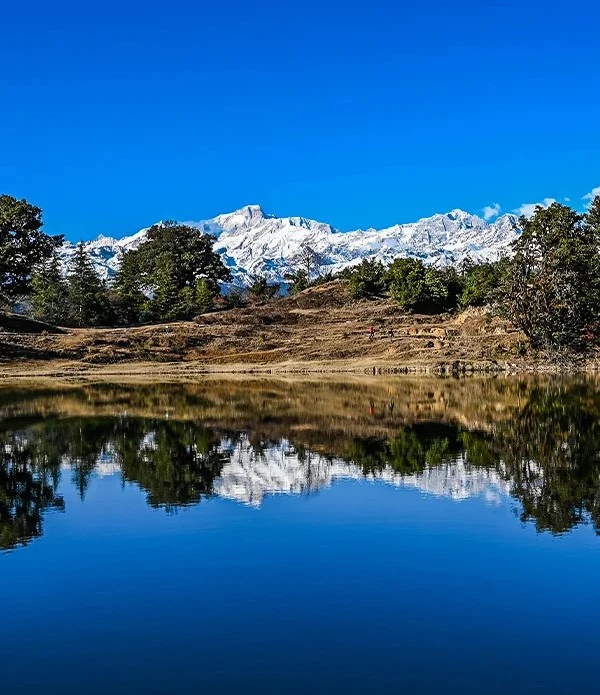 Easy-ModerateSummer, Spring, Autumn, Winter
Deoria Tal Trek
Nestled in the heart of Uttarakhand’s Garhwal region, the Deoria Tal Trek is a short yet breathtaking Himalayan adventure that blends serenity, mythology, and majestic mountain views. At an altitude of 7,900 ft, Deoria Tal is a crystal-clear lake that perfectly mirrors the snow-capped Chaukhamba peak, creating a picture-perfect reflection that feels almost divine.Starting from the quaint Sari Village, this trek offers a blend of easy trails, dense forests of rhododendron and oak, and magnificent Himalayan panoramas. It’s ideal for beginners, photographers, and weekend travellers looking to experience the charm of the mountains without the challenges of high-altitude expeditions.The journey then extends to Chopta and Chandrashila, where trekkers can visit Tungnath Temple, the highest Shiva temple in the world, and witness 360° views of Nanda Devi, Trishul, and Kedarnath peaks.Whether you seek a peaceful lakefront campsite, a sacred Himalayan experience, or just a short escape into nature, Deoria Tal Trek is a perfect blend of spirituality, adventure, and tranquillity.Quick Facts About Deoria Tal TrekTrek Duration: 3 Days / 2 NightsTrek Distance: Approx. 10-12 kmMaximum Altitude: 13,000 ft (Chandrashila Summit)Start Point: Sari Village, Uttarakhand (base camp)End Point: Rishikesh/Haridwar (after return drive on Day 3)Difficulty Level: Easy to ModerateBase Camp: Sari VillageNearest Town: UkhimathBest For: Beginners, families, and photographersPackage Cost: ₹9,649 per personBest Time to do Deoria Tal TrekThe Deoria Tal Trek is accessible almost year-round:March to May (Spring-Summer)Blooming rhododendrons, clear skies, pleasant weather, ideal for photography.September to December (Autumn-Winter)Crisp mountain views, golden forests, and a hint of snow near Chopta and Chandrashila.January-FebruaryFor snow lovers, expect snow-covered trails and magical winter landscapes.Note: Avoid Deoria Tal Trek in the monsoon (July-August) due to slippery trails andunpredictable weather.How to Reach Rishikesh/Base Camp Sari VillageBy Air:The nearest airport is Jolly Grant Airport, Dehradun (220 km). From there, hire a cab or take a shared taxi to Sari Village.By Train:The closest railway stations are Haridwar (230 km) and Rishikesh (210 km). Regular trains connect from Delhi and other major cities.By Road:Sari Village is well connected by road from Rishikesh/Haridwar. Buses or shared cabs are available up to Ukhimath, followed by a short drive to Sari.Deoria Tal Trek Package Price – ₹9,649Deoria Tal trek package price is ₹9,649 per person. It includes guided trekking, accommodation, meals, camping permits, and all necessary safety equipment.Looking for a short yet magical Himalayan getaway? Book your Deoria Tal Trek now and wake up to reflections of the mighty Chaukhamba Peak.Contact us now. We will help you plan the perfect weekend escape from Rishikesh or Delhi.Deoria Tal & Chandrashila: The Twin Gems of GarhwalWhat makes the Deoria Tal Trek truly special is its spiritual and scenic charm. Deoria Tal, believed to be the lake where the Yaksha questioned the Pandavas in the Mahabharata. It reflects both divine mythology and natural beauty.A short drive or trek away lies Chopta, known as the “Mini Switzerland of Uttarakhand.” The Tungnath-Chandrashila trail adds adventure and spiritual essence to the journey – Tungnath being one of the Panch Kedar temples dedicated to Lord Shiva. The 360° views from Chandrashila include Nanda Devi, Chaukhamba, Kedarnath, and Trishul, leaving trekkers awestruck every single time.This blend of myth, beauty, and adventure makes Deoria Tal-Chopta one of the most rewarding short treks in India.
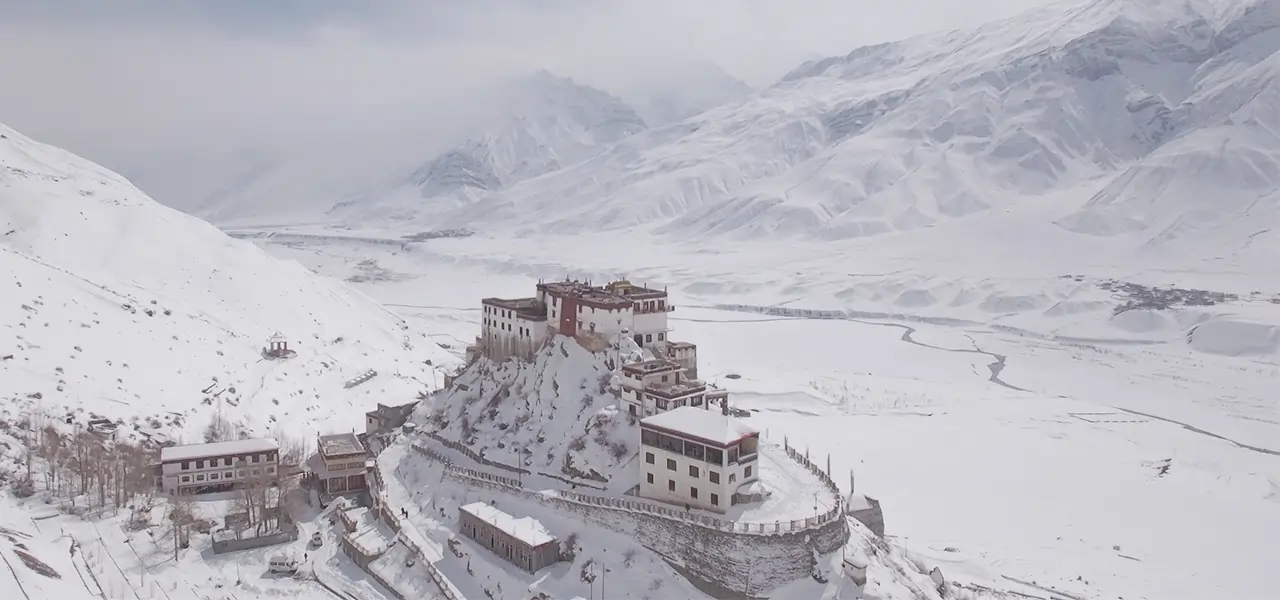 Easy-ModerateWinter
Spiti Winter Expedition
The Spiti Winter Expedition is a high-altitude winter road and cultural journey into one of India’s remotest cold deserts. In winter, the valley turns into a white, near-silent landscape. Rivers freeze, cliffs are dusted with snow, villages slow down into cozy pockets of life, and Buddhist monasteries stand like timekeepers. This expedition follows the Shimla – Kinnaur – Spiti route (the only reliable winter approach), using high-clearance 4×4 vehicles to cross icy roads and remote passes. Why choose the Spiti Winter Expedition? Because it is one of the few Indian winter routes that combines:- long, scenic 4×4 drives across dramatic mountain roads;- visits to ancient monasteries (Tabo, Dhankar, Key) draped in snow;- remote high villages (Hikkim, Komic, Langza) reachable in winter; and- an immersive local experience – homestays, local food, bukhari-warmed evenings, and starry, pollution-free night skies.This trip is designed for travellers who want the Himalayas in their rawest winter form – not a soft, tourist-friendly version. Expect physical cold, unpredictable weather, and logistical dependence on road clearance. In return, expect stark beauty, quiet solitude, rare photographic moments and an authentic cultural experience.Why The Spiti Winter Expedition is Special- A white desert at scaleVast plateaus and riverbeds freeze into plains of bright snow and ice, a scene very different from the green summer valley.- Monasteries in winter lightTabo, Dhankar and Key Monastery become postcard-perfect with snow on ancient mud walls and prayer flags frozen mid-flutter.- High villages accessibleHikkim (post office), Komic (motorable village), and Langza (famous Buddha statue) feel otherworldly in winter silence.- Seasonal cultureMountain families slow down for winter – guests get a rare chance to sit by a bukhari. So, if you are visiting Spiti, taste preserved local food, and hear life stories that summer travellers rarely hear.- Wild winter skiesLow humidity and no light pollution give exceptional stargazing and crisp mountain silhouettes at sunrise/sunset.Quick Facts About Spiti Winter ExpeditionRegion Covered: Spiti Valley, Himachal PradeshHighest Altitude: ~4,600 m (Komic Village)Weather Range: – Day: –5°C to –12°C – Night: –15°C to –25°CTravel Mode: Overnight bus + 4×4 winter vehiclesDifficulty Level: Moderate (extreme cold + long drives)Start/End Point: DelhiPackage Price: ₹34,999 per personSafety Gear: Oxygen cylinder, first-aid, experienced winter driversSpiti – The Land That Pauses in WinterSpiti is known as the Land of Lamas, but in winter, it becomes something deeper, the land that pauses. Villagers stock food in September, monks prepare for months of meditation, and families gather around bukhari heaters while the outside world disappears beneath snow. When you walk through Langza or Komic in winter, you are not just traveling, but stepping into an ancient rhythm where life slows down to match the mountains. At night, the stars shine so bright that the Milky Way floats above the frozen valley like a silver river. In these moments, you realise: Spiti is not a place you visit. It’s a place you feel. This expedition captures THAT feeling.Best Time to do Spiti Winter ExpeditionThe winter season in Spiti starts from December and lasts till March.December – January The coldest and the most magical. Heavy snow, frozen rivers, clear skies and extreme temperatures. Perfect for photography lovers and hardcore winter travellers.February – March Slightly easier weather. Roads become more accessible, but the valley remains beautifully snow-covered. Ideal for travellers who want winter beauty without peak harshness.Temperature RangeDay: –5°C to –10°CNight: –15°C to –25°CWinter is the only time when you get to experience true Spiti. Silent, isolated, serene and unbelievably beautiful.Safety & Emergency Support During Spiti Winter Expedition- Vehicle Safety4×4 vehicles with snow tyres/chains, experienced winter drivers, and spare fuel. Drivers are trained for winter conditions.- Guides & Local SupportExpert local guides with winter experience and knowledge of altitude behaviour. Himtrek provides a lead guide plus a local support/driver.- Medical Kit & OxygenGroup first aid kits, portable oxygen cylinders, and a pulse oximeter are available. Guides trained in basic altitude sickness recognition and first response.- Evacuation PlanIn case of serious medical issues, the nearest road-access point will be used to transfer to Reckong Peo or Shimla hospitals. In extreme cases, a helicopter evacuation is arranged at extra cost and subject to weather/availability.- Weather MonitoringDaily weather checks and route reassessment. Flexibility in the safety schedule.- Cold-specific precautionsAdvice on frostbite prevention, layering, staying hydrated, and how to heat hands/feet. Strict no-alcohol policy during high-altitude transit days.Things to Carry For Spiti Winter ExpeditionClothing & footwear- Heavy down jacket (–20°C rating recommended)- Insulated pants / windproof trousers- Thermal inners (top + bottom) – 2 sets minimum- Fleece/wool mid-layers- Waterproof, insulated gloves + liner gloves- Woollen hats, balaclava, neck gaiter- Snow boots with good grip + gaiters- Multiple woollen socks, thin liner socksAccessories & gear- Sunglasses (UV protection) + spare lens cloth- Sunscreen (high SPF) and lip balm (SPF)- Insulated water bottle/thermos- Headlamp + spare batteries- Power bank (cold drains batteries fast)- Personal medicines and basic first-aid items- Small dry bags for keeping clothes/gear dry- Trekking poles (helpful on icy sections)- Camera with spare batteries (store warm to preserve battery life)Documents & money- Government ID (Aadhar / passport) – needed for check-ins and some permits-Emergency contact list & copies of medical prescriptions- Cash (small denominations) – many places don’t accept cardsHimtrek’s Spiti Winter Expedition Package PriceHimtrek’s Spiti winter expedition package price is ₹34,999 per person (All prices subject to availability & seasonal surcharges). Includes: 4×4 transport, accommodation (as per itinerary), meals specified, local guide, permit assistance, and basic emergency support. Excludes: Personal insurance, evacuation charges, alcoholic beverages, personal shopping, tips, and optional activities. Get in touch with us and plan your next unforgettable adventure with Himtrek.What Makes This Spiti Winter Expedition Challenging- High altitude travel- Snow-blocked roads- Black ice driving conditions- Limited mobile connectivity- Extreme cold temperatures- Basic heating arrangementsThis is precisely what makes it one of India’s greatest adventure experiences.
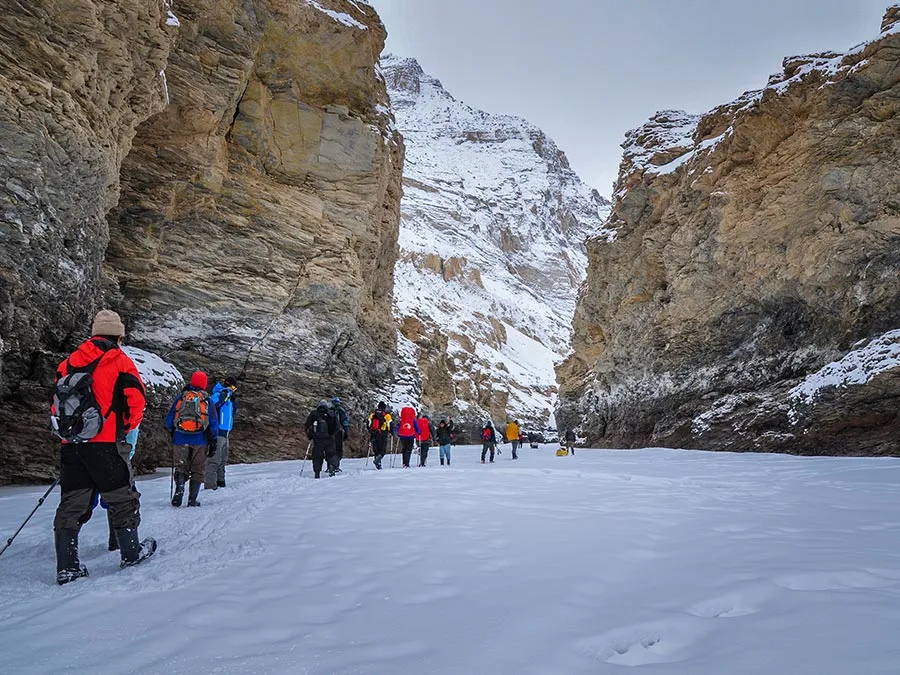 ModerateWinter
Chadar Trek
The Chadar Trek is one of the most iconic winter treks in the world, offering an unparalleled journey through the frozen landscapes of the Zanskar Valley. For over two weeks in mid-winter, the Zanskar River freezes into a thick sheet of ice, creating a natural trail that winds through towering cliffs, deep gorges, and snow-covered peaks. This trek is not only a test of endurance but also a journey into a remote, untouched wilderness where every step reveals the stark beauty and raw power of the Himalayas.Unlike any other trek, the Chadar challenges both body and mind, demanding endurance, resilience, and a spirit for adventure. The trail passes through isolated Zanskari villages, frozen waterfalls, and turquoise ice pools, offering glimpses into the resilient life of the local communities who thrive in these extreme conditions. Each day brings new landscapes. The bright blue ice contrasts with rust-colored cliffs, narrow ice corridors framed by rugged mountains, and wide river expanses under the winter sun. With its dramatic scenery, challenging conditions, and sense of isolation, the Chadar Trek is more than just a trek; it is a once-in-a-lifetime adventure that leaves a lasting impression on every traveller who experiences it.Quick Facts About Chadar TrekLocation: Zanskar Valley, Ladakh, IndiaAltitude: 3,300 m – 3,700 m along the river; Leh base at 3,500 mDistance Covered: Approx. 105 km round tripTrek Difficulty: Moderate to Challenging, requires good physical fitness, stamina, and winter trekking experienceStarting Point: Tilado (near Chilling village)Ending Point: LehWhy the Chadar Trek is a Must-Do AdventureTrekking on a Frozen RiverWalk over a living river transformed into ice, where the terrain constantly changes.Immense Natural BeautyTowering cliffs, frozen waterfalls, and turquoise pools create dreamlike landscapes.Remote WildernessTrek through one of the most isolated regions of India, far from civilisation.Cultural EncountersExperience life in Zanskari villages, witness prayer flags, and see locals thriving in extreme conditions.Photography ParadiseEvery bend, waterfall, and ice formation offers a picture-perfect moment.Best Time to do Chadar TrekJanuary-February: When the Zanskar River is fully frozen and trekking is safe.Temperatures: Daytime -5°C to -15°C, Nighttime -15°C to -25°C.Conditions: Stable ice sheets, minimal snowfall, and clear skies make trekking optimal.How to Reach Leh for Chadar Trek?By Air:Kushok Bakula Rimpochee Airport, Leh. Direct flights from Delhi, Srinagar, and other cities.By Road:Leh-Manali Highway (June-October) and Leh-Srinagar Highway (May-October).By Train:The Nearest railway station is Jammu Tawi (~750 km). Road/air transfer to Leh required.Accommodation & Meals During Chadar TrekLeh: Comfortable, heated hotels with hot meals for acclimatisation.Trek Camps: High-quality winter tents, sleeping bags rated for -20°C, foam mats, and natural wind protection.Meals: Hot breakfast, lunch, and dinner with energy-rich foods to sustain during extreme cold.Safety & Emergency SupportGuides & Porters: Experienced in high-altitude winter trekking.Medical Support: First-aid kits, oxygen cylinders, and acclimatisation checks.Communication: Satellite phones for emergencies.Evacuation Plan: Predefined protocols for any medical or weather-related emergencies.Stories from the Chadar TrailThe Chadar Trek is as much about people as it is about landscapes. Trekkers encounter locals crossing the frozen river to reach their villages, herding yaks or carrying firewood. Nights at camp are quiet, filled with stories shared around small fires. Observing the river at sunrise or sunset, you realise the ice beneath your feet connects centuries of survival, tradition, and human resilience. It is a journey that tests the body but also rewards the spirit.There is so much to say about the Chadar trek. So, here are the stories from, Chadar trail.The Ice Under Your FeetWalking on the frozen river is surreal. The ice shifts, cracks, and glistens under sunlight, constantly testing your balance. Every footprint is temporary, leaving an indelible mark in memory rather than on the river.Frozen Waterfalls & Turquoise PoolsThe Chadar reveals new ice sculptures every day. Frozen waterfalls cascade along canyon walls while turquoise ice pools shimmer in winter sunlight, creating a mesmerising and ever-changing landscape.Life in Zanskar VillagesSmall settlements dotting the river display resilience. Trekkers witness locals braving sub-zero temperatures, cooking over open fires, and warmly offering tea, sharing a rare cultural experience amidst the wilderness.Sunrise and Sunset MagicMorning and evening light transform the icy landscape into a canvas of pinks and oranges. Sunlit ice, frozen waterfalls, and snow-capped cliffs create unforgettable moments and perfect photography opportunities.Himtrek’s Chadar Trek Package PriceHimtrek’s Chadar trek package costs ₹24,500 per person. It includes Leh accommodation, trek camping, meals, guides, permits, and safety support.Get in touch with us and book your Chadar Trek adventure now, and walk on a frozen river in the Himalayas.
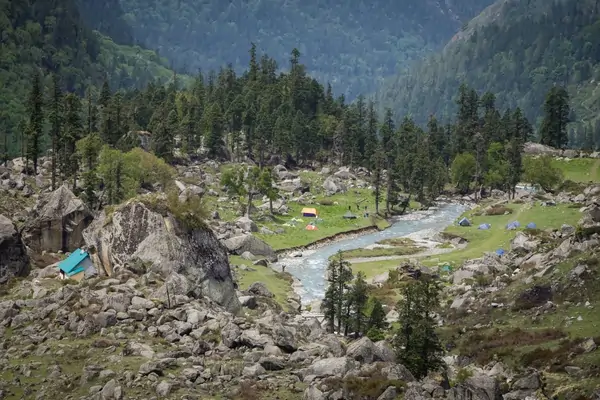 Easy-ModerateSpring, Summer, Autumn
Har Ki Dun Trek
Nestled deep within the Govind Pashu Vihar National Park, the Har Ki Dun Trek is one of the most beautiful and culturally rich trails in Uttarakhand. Known as the “Valley of Gods”, this trek blends Himalayan beauty with fascinating mythology – believed to be the route taken by the Pandavas on their way to heaven.The 7-day journey takes you through ancient villages like Osla and Seema, where time seems to have stood still. Each day reveals a new facet of the Himalayas – dense pine and oak forests, meadows carpeted with wildflowers, and snow-clad peaks shining in the sun.Trekkers are treated to panoramic views of Swargarohini, Hata Peak, Black Peak, and Bali Pass. The trek’s steady gradient, scenic river crossings, and authentic village interactions make it ideal for both beginners and seasoned trekkers.Evenings at riverside camps, crackling bonfires, and starry skies turn this trek into a serene Himalayan escape. With its perfect blend of nature, culture, and legend, Har Ki Dun promises memories that stay long after the mountains fade from view.Quick Facts About Har Ki Dun TrekRegion Covered: Uttarkashi District, UttarakhandStart/End Point: DehradunTrek Distance: Approx. 47 kmMaximum Altitude: 11,675 ft (Har Ki Dun Valley)Difficulty Level: Easy to Moderate (perfect for first-timers)Temperature Range:Summer: Day 10°C–20°C | Night 0°C–8°CWinter: Day 5°C–15°C | Night -5°C–5°CBest Time to Do the Har Ki Dun TrekMarch to June – Spring & Early SummerScenery: Melting snow, blooming rhododendrons, and clear skiesVibe: Comfortable temperatures, ideal for beginners and nature walksTemperature: Day: 10°C–20°C | Night: 0°C–8°CSeptember to December – Autumn & Early WinterScenery: Golden forests, snow-kissed peaks, and crisp airVibe: Perfect visibility, peaceful atmosphere, fewer crowdsTemperature: Day: 5°C–15°C | Night: -5°C–5°CHow to Reach Sankari (Base Camp)?By Air:Nearest airport – Jolly Grant Airport, Dehradun (25 km). From there, you can take a taxi or shared cab to Sankari via Mussoorie and Purola.By Train:Dehradun Railway Station is well-connected to major Indian cities including Delhi and Lucknow. Himtrek pickup starts from this point.By Road:Regular buses and taxis operate between Delhi and Dehradun (250 km). Himtrek arranges direct group transfers from Dehradun to Sankari.Himtrek Har Ki Dun Trek Package – ₹10,500Experience the charm of the Valley of Gods with Himtrek’s Har ki Dun all-inclusive package priced at ₹10,500 per person (excluding 5% GST).This includes comfortable stays, hot meals, forest permits, transportation from Dehradun, and expert guides – ensuring a seamless and scenic Himalayan journey.Visit our Website, to get more information about the treks.Places to be Covered During the Har Ki Dun TrekSankri VillageThe starting point of the trek, Sankri is a quaint Himalayan village surrounded by apple orchards and pine forests. It serves as the gateway to several treks in the Govind Pashu Vihar National Park.TalukaA small mountain hamlet located along the Supin River, Taluka offers mesmerizing views of the valley and is known for its rustic wooden houses and simple mountain life.Osla VillageHome to the ancient Someshwar Temple dedicated to Lord Shiva, Osla introduces you to the region’s rich culture and unique wooden architecture. Interact with locals to experience traditional Himalayan hospitality.SeemaA beautiful campsite near Osla, Seema sits beside the river and is surrounded by deodar and pine trees, making it a perfect place to unwind amidst nature.Har Ki Dun ValleyThe main highlight of the trek – a stunning cradle-shaped valley offering panoramic views of Swargarohini Peak, Bandarpoonch, and Black Peak. The name ‘Har Ki Dun’ translates to the “Valley of Gods,” believed to be the path taken by the Pandavas to heaven.Puani GaraatA serene camping spot along the Supin River, known for its peaceful setting and lush green meadows – a perfect place to rest after long trekking hours.
![[Premium] Triund Trek](https://res.cloudinary.com/dhmxejzos/image/upload/v1785490453/uunbx34nxc85wmg5i7vy.webp) EasySpring, Summer, Autumn, Winter
EasySpring, Summer, Autumn, Winter[Premium] Triund Trek
Where the Himalayas meet luxury, welcome to the Premium Triund Trek.This isn’t just a trek; it’s an exclusive Himalayan escape crafted for those who want to experience adventure without compromising on comfort. Imagine waking up in a cozy, weatherproof tent, sipping hot tea as the sun rises over the Dhauladhar peaks, enjoying gourmet meals, and trekking through pristine pine forests, all while surrounded by breathtaking panoramic views and absolute tranquillity.From the vibrant streets of McLeodganj to the serene Triund summit, every step of this journey is designed to offer personalised attention, unmatched comfort, and unforgettable memories. With Premium camping, professional guides, and curated experiences, the Premium Triund Trek redefines what it means to trek in the Himalayas.For beginners, adventure enthusiasts, and luxury seekers alike, this trek ensures safety, style, and a Himalayan experience that feels truly extraordinary.Best Time to do the Premium Triund TrekSpring (March-June)Weather & Scenery: The Himalayas wake up from winter, with lush green meadows, blooming rhododendrons, and clear blue skies. Trails are fully accessible, and the forests are vibrant.Temperature: Daytime: 12°C – 20°C | Night: 5°C – 10°CTrekking Experience: Ideal for beginners and nature lovers. Pleasant temperatures make trekking comfortable, and the scenic beauty is at its peak.Autumn (September-November)Weather & Scenery: Post-monsoon freshness brings crisp air, panoramic views of snow-capped peaks, and golden sunsets. Visibility is excellent for photography.Temperature: Daytime: 10°C – 18°C | Night: 2°C – 8°CTrekking Experience: Perfect for trekkers who enjoy clear skies, cool winds, and breathtaking mountain vistas. Trails are dry and safe for comfortable trekking.Winter (December-February)Weather & Scenery: Snow blankets the trails and meadows, creating a magical, serene Himalayan experience. Starry nights and clear sunrises make it unforgettable.Temperature: Daytime: 5°C – 12°C | Night: -5°C – 0°CTrekking Experience: Recommended for adventure seekers who want a snowy trek. With premium tents, sleeping bags, and warm bedding included, you stay cozy even in cold conditions.How to Reach McLeodganj for the Premium Triund TrekMcLeodganj, the starting point of the Premium Triund Trek, is well-connected by air, rail, and road, making it accessible for travelers from across India. Here’s how you can reach this Himalayan town comfortably:By Air: Kangra Airport (Gaggal Airport)Distance from McLeodganj: ~18 km (~45 minutes by taxi).Kangra Airport has daily flights from Delhi, Chandigarh, and other major cities.From the airport, you can hire a private taxi or shared cab to reach McLeodganj.Tip: Booking a taxi in advance is recommended, especially during peak trekking seasons, to avoid waiting times.By Train: Pathankot Railway StationDistance from McLeodganj: ~90 km (~3 hours by road).Pathankot is the nearest major railway station, well-connected to Delhi, Chandigarh, and Amritsar.From Pathankot, you can take a pre-booked taxi, cab, or bus to McLeod Ganj.Tip: Volvo buses and shared taxis are available from Pathankot, but private taxis are faster and more convenient for trekkers carrying luggage.By Road: Direct Road ConnectivityMcLeod Ganj is accessible by road from Delhi, Chandigarh, and Shimla.Distance & Duration:Delhi to Mcleodganj: ~520 km (~12–14 hours by road)Chandigarh to Mcleodganj: ~230 km (~6–7 hours by road)You can travel by Volvo bus, private coach, or self-drive car.The roads offer scenic views of the Shivalik ranges and Kangra Valley, making your journey an experience in itself.Local Travel TipsIt’s recommended to reach McLeodganj a day before your trek, so you can rest and acclimatise.Pre-book cabs or taxis for airport/railway transfers to avoid last-minute hassle.Public transport is available, but limited luggage handling and timing issues may make private transport more convenient for trekkers.Premium Triund Trek Package PriceHimtrek’s premium triund package price is ₹3,999 per person.Embark on a luxury Himalayan adventure where every detail is crafted for comfort, style, and unforgettable memories.This premium trek is designed for travellers who want to experience the mountains without compromising on comfort. From exclusive small groups, luxury camping, and gourmet meals to dedicated guides, every moment is curated to make your trek truly memorable. Contact us and Book Your Premium Triund Trek now. Limited slots available to ensure exclusivity and an intimate trekking experience.Trekking Tips & Preparation for Premium Triund TrekClothing: Layered clothing for varying temperatures; fleece jackets, gloves, and thermal wear for early mornings.Footwear: Sturdy trekking shoes with good grip; trekking socks to avoid blisters.Essentials: Sunglasses, sunscreen, hats, water bottles, and personal medications.Fitness: Basic fitness for a moderate 9 km trek; walk, jog, or stair climbing before trek.Photography: Cameras and phones; optional drone for aerial shots (₹2000 extra).Etiquette: Respect nature, avoid littering, and follow guide instructions.Hydration: Drink water regularly; hot water is available on the trek.
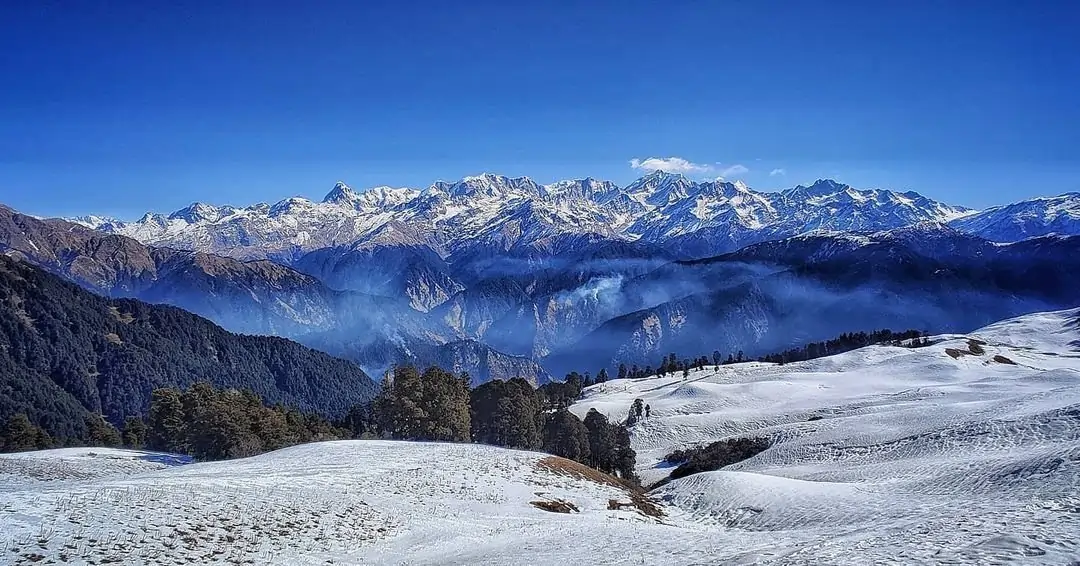 Easy-ModerateSpring, Summer, Autumn, Winter
Dayara Bugyal Trek
Escape to one of the most breathtaking high-altitude meadows in India with the Dayara Bugyal Trek, a 4-day journey through Uttarakhand’s pristine landscapes. Known for its expansive grasslands and stunning mountain vistas, this trek is perfect for both beginners and seasoned trekkers looking for a short yet rewarding Himalayan experience.Starting from the charming village of Raithal, the trail winds through dense oak and rhododendron forests, gradually opening up to wide alpine meadows that stretch endlessly under the sky. Each step brings you closer to majestic views of Bandarpoonch, Srikanth, Gangotri range, and Black Peak.Quick Facts About Dayara Bugyal TrekRegion Covered: Uttarkashi District, UttarakhandStart/End Point: DehradunMaximum Altitude: 12,000 ft (Dayara Top)Difficulty Level: Easy to Moderate (suitable for beginners)Total Distance (Drive + Trek): Approx. 400 km (round trip)Trek Duration: 4 Days / 3 NightsTemperature Range:Summer: Day 10°C to 20°C | Night 0°C to 8°CWinter: Day 0°C to 10°C | Night -5°C to 2°CBest Time to Do the Dayara Bugyal TrekMarch to June – Spring & SummerScenery: Green meadows, blooming rhododendrons, clear Himalayan viewsVibe: Perfect for beginners and photography loversTemperature: 10°C to 20°C (Day), 0°C to 8°C (Night)October to December – Autumn & Early WinterScenery: Crisp skies, golden meadows, and excellent mountain visibilityVibe: Peaceful trekking atmosphere with minimal crowdTemperature: 5°C to 15°C (Day), -3°C to 5°C (Night)January to February – Winter Snow TrekScenery: Snow-covered meadows and frozen trailsVibe: Adventure lovers’ paradise with snow trekking opportunitiesTemperature: 0°C to 10°C (Day), -5°C to 2°C (Night)Places Covered During the Dayara Bugyal TrekDehradun – The journey begins from this lively hill city, serving as the gateway to Uttarkashi and other Garhwal treks.Raithal Village – A quaint Garhwali hamlet that serves as the trek base, known for its terraced fields, stone-roofed houses, and warm hospitality.Chilapada Bugyal – The first major campsite surrounded by dense forests and open pastures with clear Himalayan backdrops.Kyarkoti – A small scenic settlement on the route, ideal for short halts and panoramic photo stops.Dayara Bugyal – The crown jewel of the trek – sprawling high-altitude meadows offering 360° views of Bandarpoonch, Srikanth, and Gangotri peaks.How to Reach Dayara Bugyal Trek Base (Raithal)By Air:The nearest airport is Jolly Grant Airport, Dehradun, about 220 km from Raithal. Taxis or shared cabs are available from the airport to Uttarkashi and further to Raithal.By Train:Dehradun Railway Station is well-connected to major Indian cities like Delhi, Mumbai, and Kolkata. From Dehradun, you can take a direct cab or bus to Raithal.By Road:Raithal is approximately 190 km from Dehradun and can be reached via Uttarkashi. Regular buses and private cabs operate on this route.Himtrek Dayara Bugyal Trek Package – ₹8,500Enjoy the magic of the Himalayas with Himtrek’s all-inclusive Dayara Bugyal Trek package at just ₹8,500 per person.This includes comfortable accommodation in guesthouses and camps, delicious meals as per itinerary, professional trek guides, and all necessary permits – ensuring a seamless and memorable adventure. Contact us to know more about this trek.
![[Premium] Kedarkantha Trek](https://res.cloudinary.com/dhmxejzos/image/upload/v1785489589/boemvxmep9gbkcmgnwnm.webp) Easy-ModerateWinter
Easy-ModerateWinter[Premium] Kedarkantha Trek
There are treks that challenge your body, and then there are journeys that touch your soul. The Premium Kedarkantha Trek is one such unforgettable winter adventure, taking you deep into the snow-covered Garhwal Himalayas of Uttarakhand on a trail loved by both beginners and seasoned trekkers.Starting from Mussoorie and driving up to Sankri, this trek winds through silent pine, oak, and rhododendron forests, where every tree stands draped in fresh snow. You will pass the frozen lake of Juda Ka Talab and climb towards the Kedarkantha Base Camp, set in wide alpine meadows glowing under winter sunsets. Along the way, abandoned shepherd huts and views of the pristine Rupin and Supin valleys remind you of mountain life frozen in time.The final summit climb begins before dawn, leading you to Kedarkantha Peak at 3,810 m (12,500 ft) just as the first golden rays illuminate the entire Himalayan range. From the top, the 360° panorama stretches from Swargarohini and Black Peak to Har Ki Dun, making all the effort feel like a dream realised.Local legends say Kedarkantha, meaning “Shiva’s throat,” is where Lord Shiva meditated, adding a touch of mythology to the pristine snowscapes you walk through. The best time for Kedarkantha trek is December to March, when the entire route turns into a glittering winter wonderland, ideal for families and first-time trekkers seeking Himalayan magic.What makes this trek truly special is how Himtrek elevates the journey with premium hospitality. If you are looking for a Himalayan winter trek that blends easy terrain with majestic views and premium comfort, the Premium Kedarkantha Trek promises an experience that stays etched in your heart long after you have returned home.
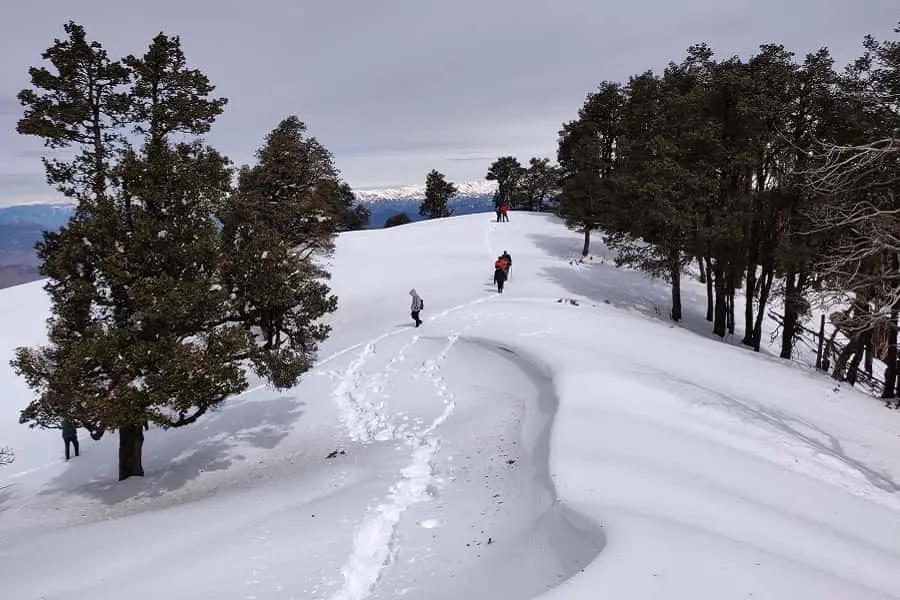 EasySpring, Summer, Autumn, Winter
Nag Tibba Trek
The Nag Tibba Trek, affectionately known as the ‘Serpent’s Peak’, is one of the best short treks in Uttarakhand that offers a true Himalayan experience in just a weekend. Standing tall at 9,915 ft, this trek rewards you with sweeping 360° views of some of the most magnificent Himalayan peaks including Swargarohini, Bandarpoonch, Kala Nag, Srikanth, and Gangotri ranges.Located near Mussoorie, this two-day adventure begins with a scenic drive from Dehradun through charming hill villages and lush valleys, leading to the base village of Pantwari. From there, the trail winds through dense oak, pine, and rhododendron forests, opening up to clear meadows and panoramic viewpoints. As you ascend, you’re greeted with crisp mountain air, vibrant flora, and a calm that feels worlds away from city life.What makes Nag Tibba/Serpent Peak truly special is how much beauty it packs into such a short duration. Whether it’s your first trek or a quick escape from routine, this experience blends adventure, serenity, and natural grandeur perfectly. The campsite at Nag Tibba base offers a surreal setting under a starlit sky, with warm food, laughter, and stories around the bonfire.At the summit, a small temple dedicated to Nag Devta (the Serpent God) stands peacefully against the backdrop of snow-clad peaks – a moment that defines the essence of the Himalayas.Quick Facts About Nag Tibba TrekRegion Covered: Uttarakhand (Dehradun – Pantwari – Nag Tibba)Start/End Point: DehradunHighest Altitude: 9,915 ftTrek Distance: Approx. 16 km (round trip)Difficulty Level: Easy to Moderate (Beginner-friendly)Temperature Range: Day: 5°C to 25°C | Night: -3°C to 10°CBest Time to do the Nag Tibba TrekMarch-June: Spring & Early SummerScenery: Blooming rhododendrons, green meadows, clear skiesVibe: Comfortable trekking, photography, and nature walksTemperature: Day: 10°C to 25°C | Night: 5°C to 10°CJuly-September: Monsoon MagicScenery: Misty forests, fresh mountain air, lush valleysVibe: Peaceful trekking, offbeat trails, soothing monsoon vibesTemperature: Day: 15°C to 20°C | Night: 10°C to 15°COctober-November: Autumn SerenityScenery: Golden forests, crisp air, clear mountain viewsVibe: Excellent for photography and calm weekend escapesTemperature: Day: 8°C to 18°C | Night: 2°C to 8°CDecember-February: Winter Snow TrekScenery: Snow-covered trails, frosty forests, white Himalayan backdropsVibe: Adventurous winter trek, cozy campfire evenings, serene environmentTemperature: Day: 5°C to 12°C | Night: -3°C to 3°CHow to Reach Pantwari Village (Base Camp)By Air:Nearest airport: Jolly Grant Airport, Dehradun (approx. 100 km). Hire a taxi or join Himtrek transport to reach Pantwari village.By Train:Nearest railway station: Dehradun. From there, take Himtrek-organized transport or hire a cab to Pantwari.By Road:Well-connected by road from Delhi and Dehradun. Scenic drive via Mussoorie and Nainbagh leads to Pantwari, the trek starting point.Himtrek Nag Tibba Trek Package – ₹2,599Experience a weekend Himalayan adventure with Himtrek at just ₹2,599 per person.Whether you are a beginner or a solo traveler seeking a refreshing getaway, this Nag tibba trek under 3000 INR by Himtrek promises breathtaking views, alpine meadows, and a memorable summit experience.Still wondering? Contact us, and we’ll help you plan your perfect Nag Tibba weekend trek.The Spiritual Essence of Nag TibbaThe Nag Tibba Trek isn’t just a mountain adventure – it’s a journey into the heart of Himalayan mythology. The name Nag Tibba translates to “The Serpent’s Peak,” and it is believed to be the abode of Nag Devta, the serpent god revered by locals for protecting their cattle and villages. Even today, shepherds from nearby villages climb up to offer prayers at the small Nag Devta temple on the summit, seeking blessings for prosperity and protection.According to local folklore, the mountain got its name after a serpent god once rested here to protect the region from an evil force threatening the livestock and crops. The legend adds a spiritual aura to this already magical trail – making the Nag Tibba Trek not just about scenic beauty, but also about experiencing the deep cultural faith of the Garhwal Himalayas.As you trek through rhodo-laden forests, peaceful meadows, and ancient trails that villagers have used for generations, you’re not just exploring a mountain – you’re walking through centuries of myth, devotion, and mountain heritage.
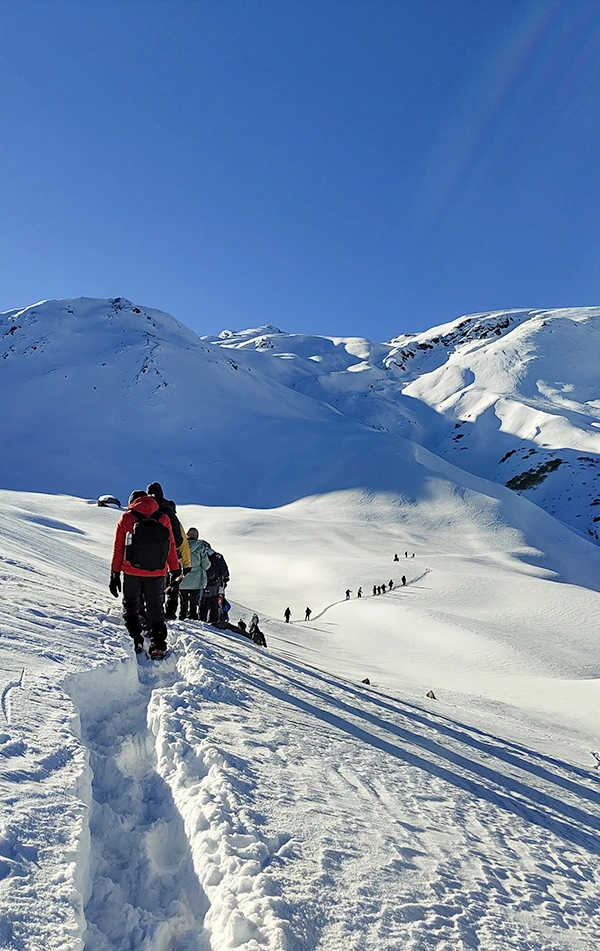 ModerateAutumn, Spring
Pangarchulla Peak Trek
The Pangarchulla Peak Trek is one of the most thrilling summit treks in Uttarakhand, designed for trekkers who want more than just scenic trails – it’s for those who want a real Himalayan challenge.Starting from the serene valleys of Uttarakhand, this trek gradually builds your journey from forest trails and alpine meadows to high-altitude ridgelines. What makes this trek truly special is its progressive difficulty, you don’t just reach the summit, you earn it.The climb to Pangarchulla Peak (15,100 ft) is demanding, especially with steep ascents and snow-covered sections, but the reward is unmatched. From the summit, you witness a grand Himalayan panorama featuring peaks like Nanda Devi, Chaukhamba, Kamet, and Dronagiri.With a perfect blend of adventure, landscapes, and accomplishment, this trek stands out as one of the best summit experiences in the Indian Himalayas.Quick Facts About Pangarchulla Peak Trek Trek Duration: 7 Days / 6 NightsMaximum Altitude: 4,600 m / 15,100 ftTrek Distance: ~38-40 kmDifficulty Level: Moderate to DifficultStarting Point: RishikeshBest Time: March-April & September-NovemberRegion: Uttarakhand (Garhwal Himalayas)Base Camp: PipalkotiSummit Type: Snow + Rocky RidgeWhy Choose Pangarchulla Peak Trek?- Summit a 15,000+ ft Himalayan peak- Experience Kuari Pass – the “Doorway to Heaven”- Walk through oak, rhododendron & alpine forests- Witness iconic peaks like Nanda Devi & Chaukhamba- Ideal for trekkers looking to step up from beginner trailsBest Time to do Pangarchulla Peak Trek Spring (March to April)- Snow-covered trails, especially near summit- Ideal for those looking for a snow trekking experience- Clear views with crisp mountain airAutumn (September to November)- Dry trails and stable weather- Best for clear Himalayan views- Less snow but more defined summit climbThe Story Behind the MountainsThe mountains you see on the Pangarchulla Peak Trek are not just geological formations – they are deeply rooted in mythology, especially around the sacred peak of Dunagiri (Dronagiri), which dominates the skyline throughout the trek.According to ancient Indian epic Ramayana, this region is believed to be the very place where one of the most powerful stories of devotion unfolded.When Lakshmana was severely wounded in battle, the only cure was a rare herb called Sanjeevani Booti, found somewhere in the Himalayas. Lord Hanuman was sent to retrieve it. But upon reaching the mountain, believed to be Dunagiri, he couldn’t identify the exact herb.So instead of risking delay, Hanuman did something extraordinary.He lifted the entire mountain.Carrying it across the skies, he brought it to the battlefield to save Lakshmana’s life.Pangarchulla Peak Trek Package CostPangarchulla Peak Trek Package by Himtrek – ₹11,799With Himtrek, you don’t just book a trek – you secure a well-organized, safe, and professionally guided Himalayan experience.From experienced trek leaders to quality camping arrangements, everything is designed to help you focus on the journey and the summit.Limited slots available for each batch.Book your Pangarchulla Peak Trek now and take on one of Uttarakhand’s most rewarding summit challenges.Things to Carry for Pangarchulla Peak Trek - Warm layers (down jacket, thermals)- Trekking shoes with good grip- Backpack (40-60L)- Water bottles / hydration pack- Sunglasses & sunscreen- Gloves, woolen cap, socks- Personal medication
![[Premium] Hampta Pass Trek](https://res.cloudinary.com/dhmxejzos/image/upload/v1785437455/yws09fa1h1j4atyfeydb.webp) Easy-ModerateAll Season
Easy-ModerateAll Season[Premium] Hampta Pass Trek
Some treks take you to beautiful places. This one takes you to two different worlds in a single journey. The Premium Hampta Pass Trek starts from the green valleys of Kullu and crosses into the dry, rocky deserts of Lahaul and Spiti.Over 5-6 days, you walk through pine forests, grassy meadows, rocky paths, and small streams to reach Hampta Pass at 4,270 m (14,039 ft). From the top, you can see both sides – the lush Kullu Valley behind you and the barren mountains of Lahaul ahead.The trek then continues down to Shea Goru and Chatru, ending with a visit to the beautiful Chandratal Lake (4,300 m). This crescent-shaped blue lake, surrounded by tall peaks, is a sight you’ll never forget.Covering around 25-30 km, the trek is perfect for people with average fitness levels. The best time for the Hampta Pass Trek is between mid-June and September, when flowers bloom and the skies are clear.With HimTrek’s Premium Hampta Pass Trek, you get clean and spacious tents, warm sleeping bags, warm fresh meals, and trained trek leaders who ensure your safety. From Manali to Chandratal and back, everything is arranged so you can focus only on enjoying the mountains.Let’s read further to know everything about Premium Treks by Himtrek.
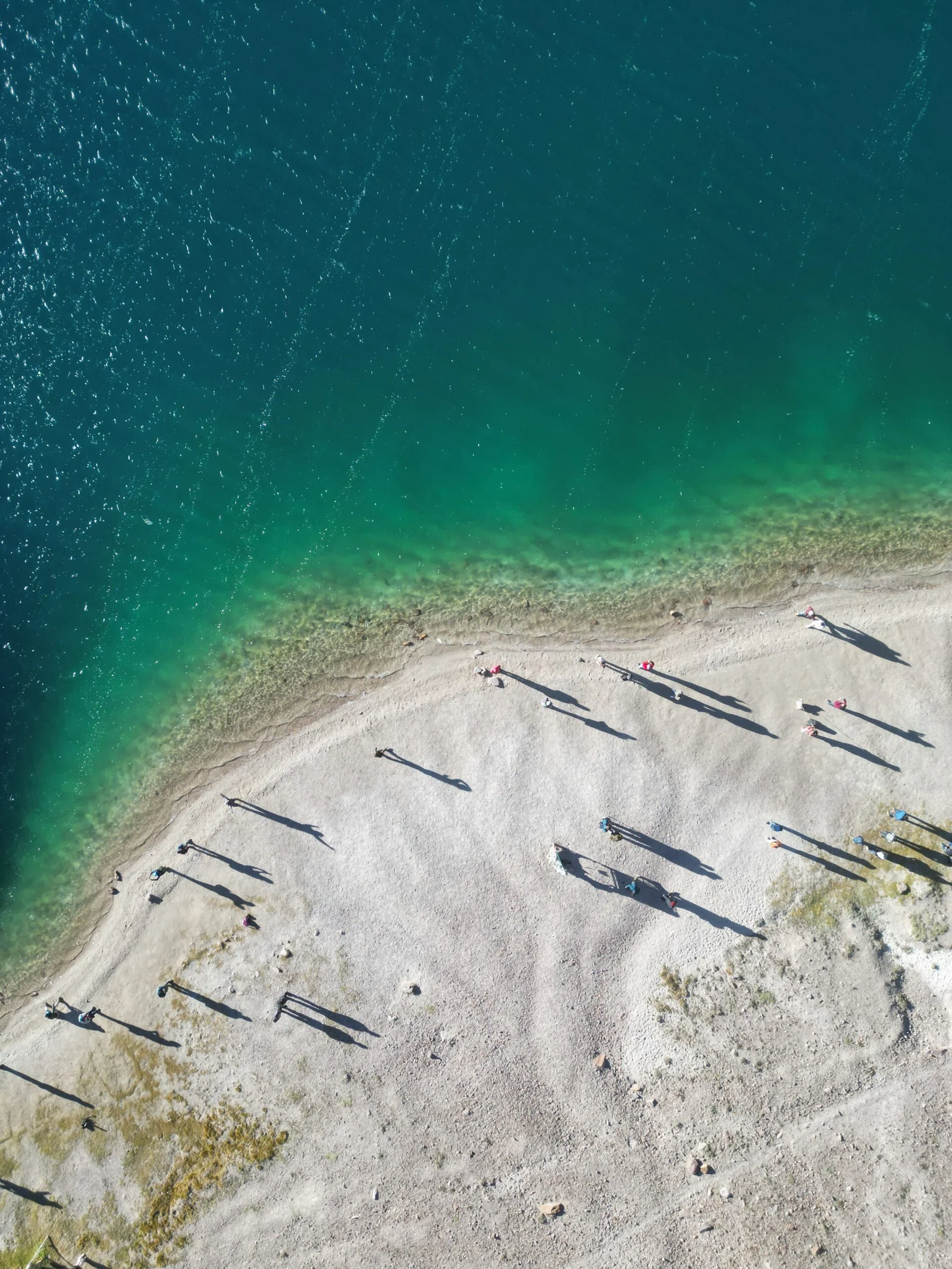 EasySummer, Monsoon, Autumn
Chandrataal Lake Road Trip
Chandrataal Lake Road Trip is a thrilling adventure that takes you through the picturesque landscapes of the Indian state of Himachal Pradesh. This safari offers an exciting opportunity to explore the rugged terrain, high mountain passes, and serene valleys, while traversing in a sturdy jeep. The safari usually begins from the popular hill station of Manali, located in the Kullu district of Himachal Pradesh. From Manali, embark on a thrilling journey towards the mesmerizing Chandratal Lake, situated at an altitude of about 4,300 meters (14,100 feet) in the Spiti Valley.The route takes you through Atal Tunnel, after crossing which, you enter in the whole another world of serene beauty. The landscape changes dramatically when you cross the Atal Tunnel. After crossing the tunnel, you will be taking the road to the right side. As you make your way towards Chandratal, you’ll cross the famous Rohtang Pass, situated at an elevation of 3,978 metres (13,051 feet). This high mountain pass offers breathtaking panoramic views and serves as a gateway to the Lahaul and Spiti valleys. As you continue, you’ll pass through picturesque villages like Khoksar, where you can catch glimpses of the local way of life. The road leads you to Chhatru, taking you along the scenic Chandra River. The river flows parallel to the road, adding to the beauty of the journey.The landscapes around Chhatru are rugged and awe-inspiring, with rocky cliffs and vast open spaces. The next leg of the journey takes you from Chhatru to Batal, a small village located at an altitude of around 4,270 metres (14,010 feet). The road passes through challenging terrain, including stretches of rocky paths and river crossings.Batal is known for its picturesque location and serves as a popular pit stop for travellers. The final stretch of the route leads you from Batal to the enchanting Chandratal Lake. This section is considered the most adventurous part of the journey, with steep ascents and hairpin bends. As you approach Chandratal, the landscapes become even more dramatic, with snow-capped peaks and vast meadows. The road ends near the lake, and from there, a short hike takes you to the mesmerising shores of Chandratal. Throughout the Manali Chandratal Jeep Safari journey, you’ll witness the raw beauty of the Himalayan region, with its towering mountains, cascading waterfalls, and pristine valleys.The route offers ample opportunities for photography, as every turn presents breathtaking vistas.How to Reach Chandrataal Lake Road Trip?By Road: The quickest and most economical way to get to Manali. Manali is accessible by road from several locations, including Delhi (540 km), Chandigarh (305 km), Dehradun (227 km), and Ambala (370 km).By Train: The closest railway station to Manali is Jogindernagar. Other train routes to Manali include those through Chandigarh and Ambala.By Air: The nearest airport is Bhuntar airport, 10 km from Manali. Cabs and local buses are easily available from Bhuntar to Manali.2 Nights 3 Days Available on requestKindly review the Terms and Conditions before proceeding with your booking.
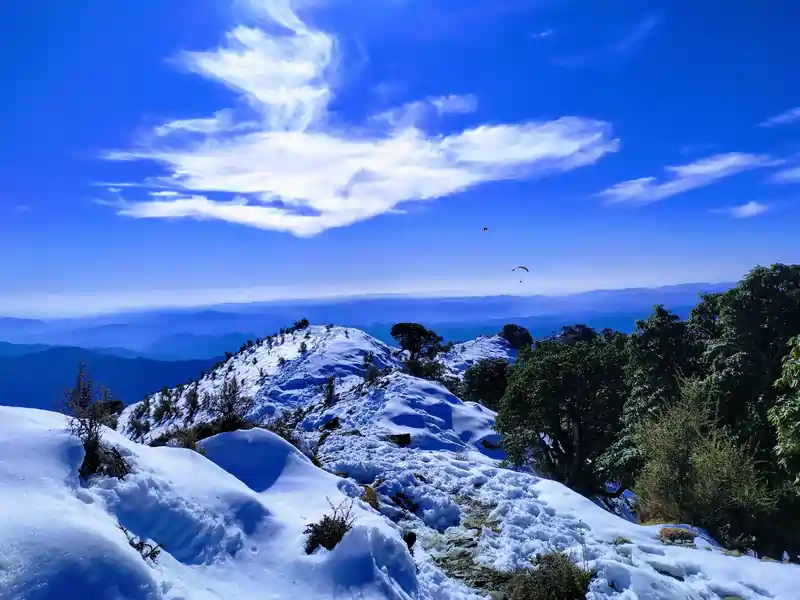 Easy-ModerateWinter
Bir Billing Winter Trek
The Bir Billing winter trek is a captivating 3-night, 4-day adventure starting in Bir, a tranquil hill station in Himachal Pradesh’s Joginder Nagar Valley, celebrated for its lush landscapes and Buddhist monasteries. Trekkers explore Bir’s natural beauty and visit the Bhattu Monastery, gaining insight into Tibetan Buddhist culture while enjoying the serene surroundings.A 14-kilometer trek from Bir to Billing offers breathtaking views as it traverses dense forests and meadows. Billing, located at 5000 feet, is renowned for its stunning vistas and is a prime spot for paragliding. From Billing, the trek continues to the Chinna Pass, a challenging yet rewarding segment due to the winter conditions and higher altitude, providing panoramic views of snow-capped peaks and a pristine snowy landscape.Trekkers set up camp at Chinna Pass, where they can marvel at the clear, star-filled sky. The return trek from Chinna Pass to Bir offers a different perspective of the beautiful terrain, with a less strenuous descent allowing for a more relaxed experience and further interaction with local villages.The trek concludes on Day 4 with a leisurely departure from Bir, where trekkers can revisit favorite spots or explore new ones before leaving. The Bir Billing Winter Trek combines physical challenge, cultural immersion, and natural beauty, making it a memorable adventure for those seeking both excitement and serenity in the Himalayan winter landscape. Bir Billing Winter TrekQuick Facts:Region: Kangra, Himachal PradeshStart/ End Point of the Trek: BirDuration: 4D/3NBir Billing Trek Height: 9,700 feetBir Billing Trek Difficulty Level: Moderate to challengingBir Billing Trek Temperature: Day: (5°C to 15°C) and Night: (-5°C to 5°C)Best Time to do Bir Billing Trek: December to FebruaryStay in Bir Billing:-Monkey Mud House & CampsMore trek in Bir:-Paragliding In Bir Billing With CampingHow to Reach-The beginning of Bir Billing winter trek is in Bir. To reach there, you can choose from any of the following transport options-By Road-There are several volvo and ordinary buses from Delhi and Chandigarh to Bir, operated by HRTC (Himachal Road Transport Corporation) and private operators. Private taxis are also available.By Train-The nearest major railway station from Bir is Pathankot, around 140 kilometers away. You can take the narrow-gauge toy train from Pathankot to Ahju, which is about 3 kilometers from Bir. This journey takes around 7-8 hours but offers scenic views.By Air-The nearest airport to Bir is Kangra Airport (Dharamshala Airport) in Gaggal, approximately 70 kilometers away. From airport, you can hire a taxi or take a bus too Bir.
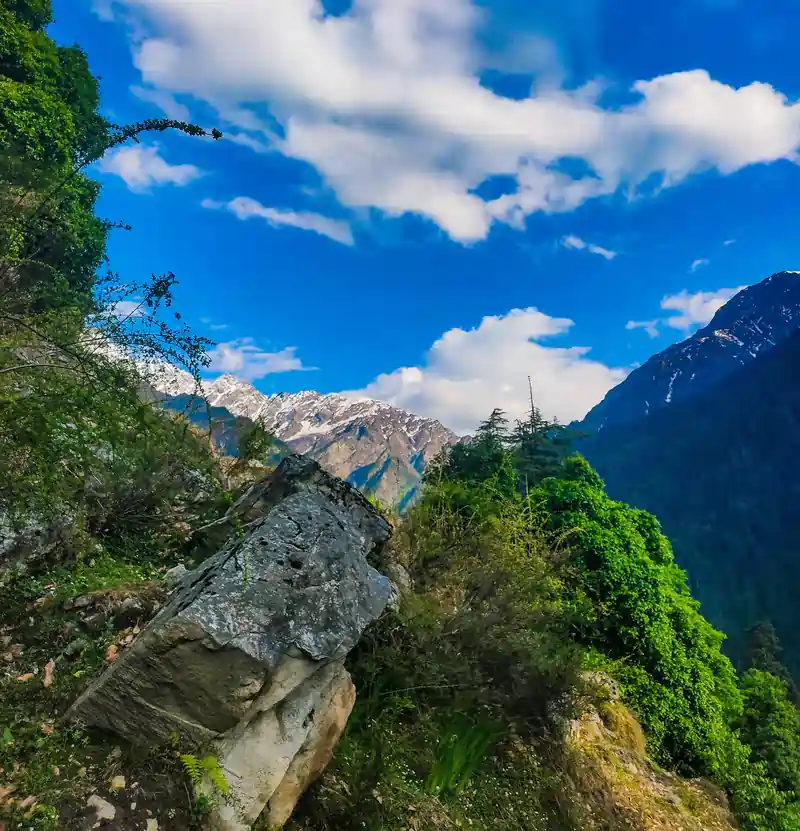 EasySpring, Summer, Monsoon, Autumn, Winter
Grahan Trek Kasol
Grahan Trek KasolThe Grahan Trek from Kasol offers an enchanting adventure through the verdant landscapes and picturesque terrains of Himachal Pradesh’s Parvati Valley.This 10-kilometer trek, of moderate difficulty, begins in the vibrant village of Kasol and leads trekkers to the serene and idyllic hamlet of Grahan. The journey meanders through dense forests adorned with pine and rhododendron trees, offering breathtaking views of the surrounding Himalayan mountains and the glistening Parvati River. As you traverse the trail, you’ll encounter charming wooden bridges, crystal-clear streams, and a diverse array of flora and fauna, enhancing the natural beauty and tranquility of the trek.The Grahan Trek is a visual feast and a cultural immersion. The village’s wooden houses, quaint lanes, and traditional lifestyle offer a glimpse into the region’s rich cultural heritage, making the trek a holistic experience that combines natural beauty with cultural richness.The peaceful ambiance of Grahan, away from the hustle and bustle of city life, allows for a perfect retreat into nature. This trek is ideal for those seeking to disconnect from the chaos of urban life and immerse themselves in the serene beauty of the Himalayas, making it a memorable and rejuvenating experience.More Treks in Kasol:-Kasol Kheerganga TrekKasol Winter TrekFor more Treks visit HimtrekVisit Himtrek Stays for Best Stays in KasolQuick Facts: Region: Parvati Valley, Himachal PradeshStart/ End Point of the Trek: KasolDuration of Grahan Trek Kasol: 2D/1NGrahan Trek Kasol Height: 7,700 feet Grahan Trek Kasol Difficulty Level: easy to moderate Best Time to do Grahan Trek Kasol: April to December How to Reach:The Grahan Trek begins in Kasol. To reach there, you can choose from any of the following transport options- By Road- There are several private and state-run buses (Himachal Road Transport Corporation – HRTC) that operate from Delhi, Chandigarh, and other major cities to Manali, with stops at Bhuntar. From Bhuntar, you can take a local bus or taxi to Kasol. By Train-The nearest major railway station is Chandigarh Railway Station, located about 296 kilometers (184 miles) away. From Chandigarh, a taxi or bus (Volvo or local HRTC) can be taken to Bhuntar or directly to Kasol. The alternative is, that Joginder Nagar Railway Station is closer (144 kilometers or 89 miles) but has limited connectivity. By Air- The closest airport to Kasol is Kullu-Manali Airport (Bhuntar Airport), located about 31 kilometers (19 miles) away. From the airport, you can either take a local HRTC bus or a cab.
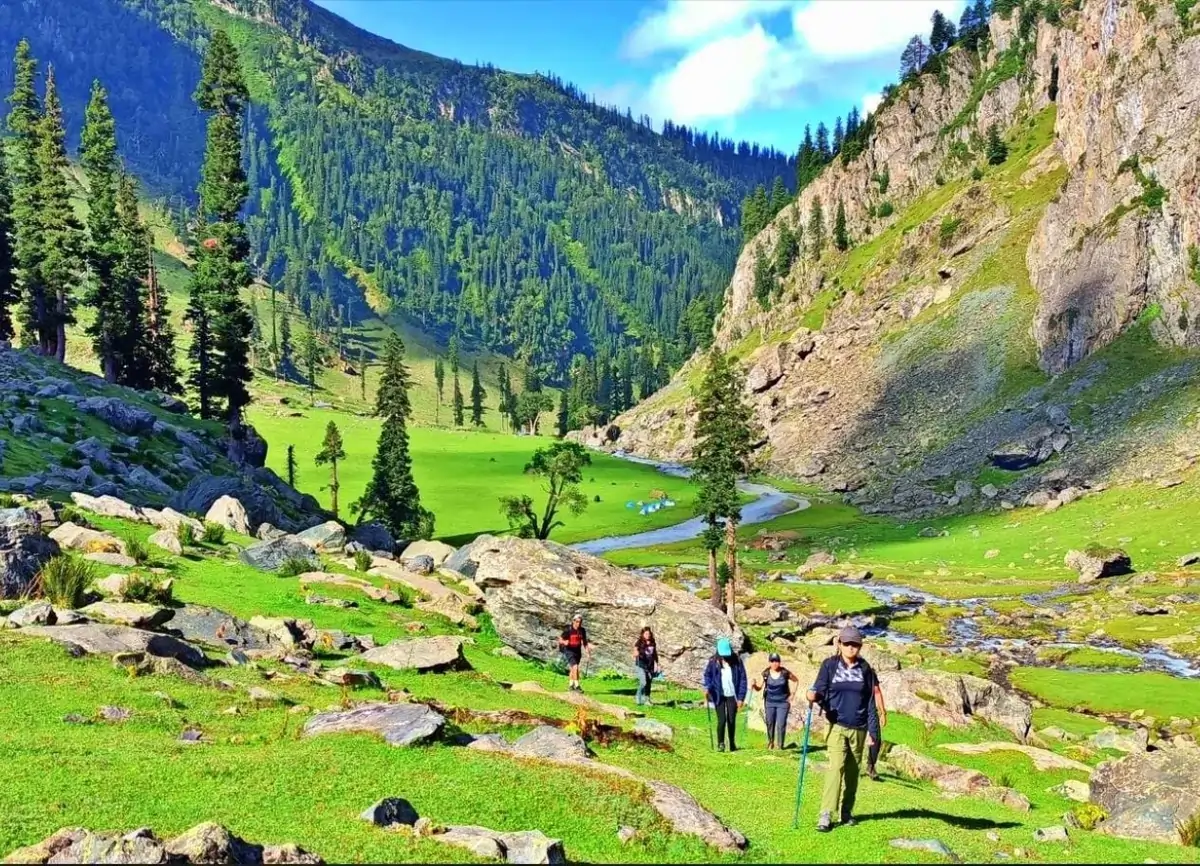 ModerateSummer, Monsoon, Autumn
Nafran Valley Trek
The Nafran Valley Trek is an offbeat high-altitude trek in the Kashmir Himalayas, known for its untouched landscapes, remote valleys, and scenic alpine meadows. Located near Aru Valley in Jammu & Kashmir, this trek offers a peaceful alternative to more crowded trekking routes in the region.The trail takes you through dense pine forests, river valleys, and wide open meadows, eventually leading to the beautiful Nafran and Harnag valleys. The trek also includes a visit to the serene Harnag Lake, surrounded by mountains and quiet natural surroundings.This trek is ideal for trekkers looking for a raw Himalayan experience. With moderate to difficult sections, gradual altitude gain, and long trekking days, it is suitable for fit beginners with some trekking experience and seasoned trekkers.Quick Facts About Nafran Valley TrekRegion Covered: Kashmir Himalayas, Jammu & KashmirDuration: 7 Days / 6 NightsStart/End Point: SrinagarBase Village: Aru ValleyTotal Trek Distance: Approx. 50-55 kmHighest Altitude: approx. 13,500-13,800 ft (Arram Pathri region)Difficulty Level: Moderate to DifficultAccommodation: Guesthouse in Aru, tents during trekTemperature Range:Day: 12°C to 20°CNight: 0°C to 5°CBest Time to Do the Nafran Valley TrekThe Nafran Valley Trek is best done when the trails are clear, and the weather is stable.May to June- Fresh greenery and flowing streams- Snow patches may remain at higher altitudes- Pleasant daytime temperaturesJuly to August- Lush meadows and blooming alpine flowers- Occasional rain showers- Vibrant valley landscapesSeptember to October- Clear skies and sharp mountain views- Cooler temperatures, especially at night- Stable and less crowded trekking conditionsNote: Avoid trekking during heavy rainfall due to slippery trails and potential landslides.How to Reach Aru Valley (Base for Nafran Valley Trek)By Air:Nearest Airport: Srinagar International AirportDrive from Srinagar to Aru Valley (approx. 100 km)By Train:Nearest Railway Station: Jammu TawiContinue by road to Srinagar and then to AruBy Road:Route: Srinagar → Anantnag → Pahalgam → AruDistance: approx. 100 kmTravel time: 3-4 hoursNafran Valley Trek Package by Himtrek – ₹14,999Himtrek’s Nafran Valley Trek package at ₹14,999 per person is designed for trekkers seeking an offbeat Himalayan experience in Kashmir. The package includes accommodation, all meals during the trek, experienced guides, camping equipment, permits, and essential safety support.The itinerary is planned with gradual altitude gain and proper acclimatisation. With experienced staff and organised logistics, the trek ensures a safe and comfortable journey through remote Himalayan terrain.For bookings and more information, please contact us.
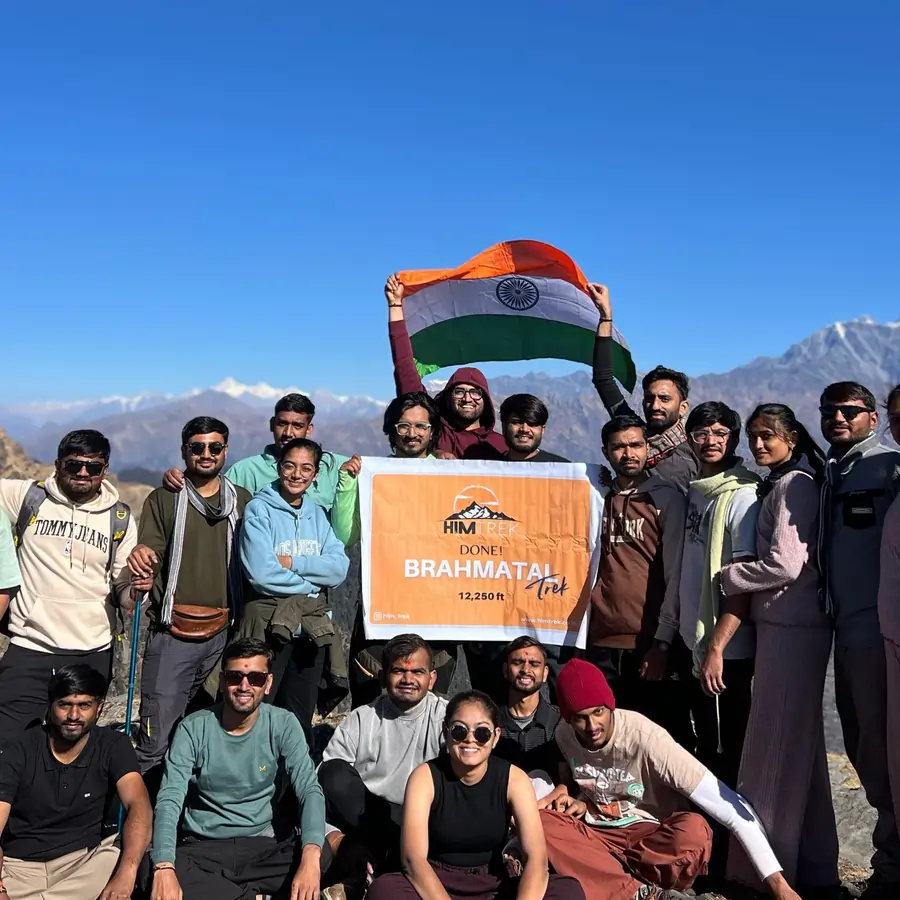 Easy-ModerateWinter, Spring
Brahmatal Trek
Brahmatal Trek in winter is a once-in-a-lifetime adventure for trekkers and nature enthusiasts. Moreover, it offers an unforgettable journey through an icy paradise and the chance to witness the majesty of the Himalayas.Brahmatal Trek is a mesmerizing adventure that takes you through the pristine snow-covered landscapes of the Indian Himalayas. Located in the Chamoli district, this trek is a winter wonderland, offering a unique and challenging experience for trekkers. With 3,840 meters above sea level, the Brahmatal Lake is the reason behind the trek’s name.Trekkers and nature enthusiasts flock to this famous trek for its captivating views, snow covered landscapes, and the opportunity to witness the mighty Himalayan peaks. The trek spans 28 kilometers, typically requiring 5 days and 6 nights to complete, and adventurers best experience it between December and March.In winter, the Brahmatal Trek transforms into a mystical beauty, and thick layers of snow completely cover the entire region. Trekkers can anticipate seeing huge stretches of white wilderness, frozen mountain lakes, and dense forests of oak and rhododendron trees. Brahmatal Lake, a frozen lake with a glistening clarity that gives off breathtaking reflections of the surrounding peaks, is one of the trek’s highlights. The trek offers panoramic views of some of the most famous Himalayan peaks, including Trishul, Nanda Ghunti, and Chaukhamba, among others. Furthermore, trekkers also get to experience the local culture and traditional architecture of houses and temples as they pass through small villages and interact with the friendly inhabitants.Quick Facts:Region: UttrakhandStart/ End Point of the Trek: Lohajung, ChamoliDuration: 6D/5NTrek Height: 12,250 feet Trek Difficulty Level: Easy to Moderate Brahmatal Trek Temperature: Day: (7°C to 15°C) and Night: (0°C to -6°C)Best Time to do Brahmatal Trek: December to MarchHow to Reach?By Road- Furthermore, Rishikesh/Dehradun has well-established road connections to various major cities such as Delhi, Chandigarh, Jaipur, and other cities across India.By Train-Rishikesh/Dehradun has its own railway station with a well-connected railway network, having connectivity with Delhi, Chandigarh, and other major cities.By Air- The nearest airport is Jolly Grant Airport (Dehradun Airport), serving both Rishikesh and Dehradun. Additionally, it’s worth noting that you can also get direct flights to Jolly Grant Airport from major cities such as Delhi, Mumbai, Bangalore, Kolkata, and Chennai.Package Options for Kedarkantha TrekBrahmatal Trek (Lohajung To Lohajung Basecamp) – Rs. 5499/-Brahmatal Trek (Lohajung To Lohajung with Transport ) – Rs. 6500/-Brahmatal Trek (Rishikesh/Dehradun with Transport ) – Rs. 7999/-5 Nights 6 Days Available on requestKindly review the Terms and Conditions before proceeding with your booking.Other treks:Kedarkanta TrekHampta Snow Valley Trek
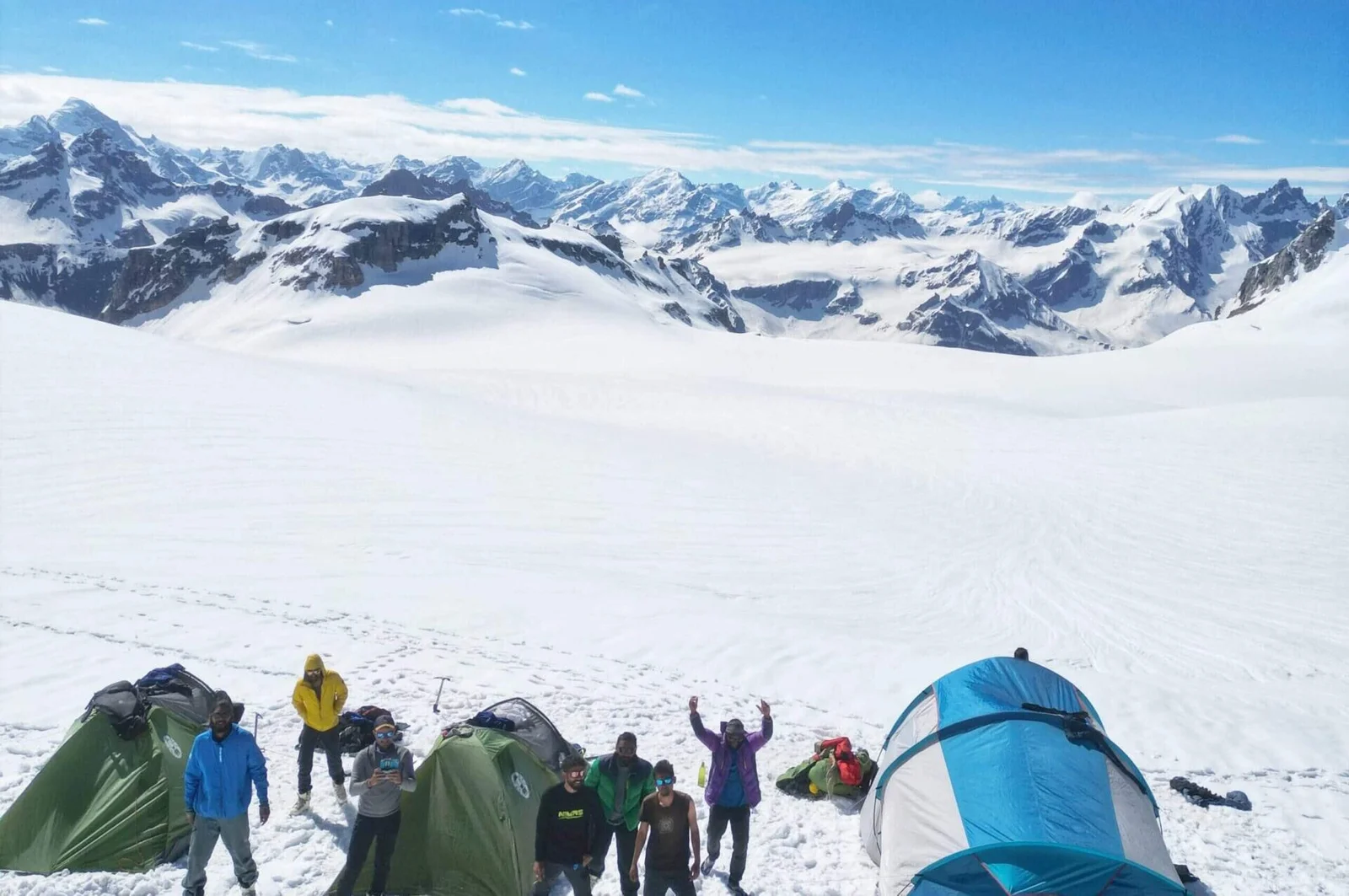 ModerateSummer, Monsoon, Autumn
Deo Tibba Base Camp Trek
Deo Tibba Base Camp Trek is a beautiful and challenging trekking destination located in the Kullu district of Himachal Pradesh. The trek takes 6 days to complete and provides stunning views of the Himalayan mountains.The trek begins in the beautiful town of Manali and takes you through lush green forests, meadows, and glacial streams. On the first day, drive from Manali to the picturesque Khanol village, renowned for its stunning views of snow-capped mountains. On the second day, trek from Chikka to Seri, discovering a beautiful meadow surrounded by mountains. The Chikka to Seri section of the trek is around 5 kilometers long and takes about 3 to 4 hours to complete. On the third day, you will reach the Deo Tibba base camp, which is located at an altitude of 14,000 feet.The fourth day is reserved for exploring the area around the base camp, and you will get to see some stunning views of the Deo Tibba peak. On the fifth day, you will trek back through Seri and take a halt at Dudu Pathar for lunch. On the last day, you will trek back to Manali, where the trek will end.The trek is challenging, and it is recommended for experienced trekkers. The base camp provides basic facilities like tents, sleeping bags, and food. Local guides and porters are available to make the trek more comfortable. The best time to visit Deo Tibba base camp is from May to September when the weather is pleasant, and the trekking trails are accessible. Overall, Deo Tibba base camp is a must-visit destination for anyone who loves adventure and the great outdoors.Quick Facts:Region: Manali, Himachal PradeshStart/End Point of Trek: ManaliDuration: 5N/6DDistance: 60 KmHeight: 14,435 ftTemperature: Day (10°C to 20°C) & Night (0°C to 10°C)Best Time to Trek: June to SeptemberHow to Reach Base Point – Manali?By Air: Manali can be reached by air via Bhuntar airport, which is about 50 km away.By Train: The nearest railway station is Chandigarh railway station, about 310 km away, with regular trains from major cities.By Road: Manali is well connected by road with regular bus services from Delhi, Chandigarh, and other nearby cities. One can also hire a taxi or drive to Manali.5 Nights 6 Days Available on request
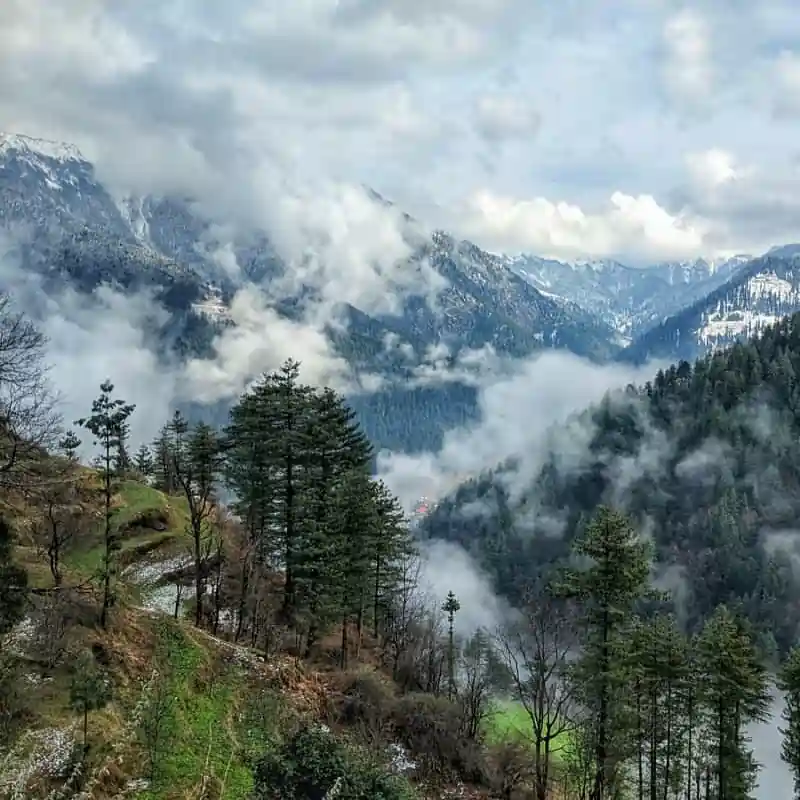 EasyMonsoon, Autumn
Jibhi Jalori Pass Trek
Jalori Pass is a spectacular mountain jump nestled in the unevenness of the mighty Himalayas in Himachal Pradesh, India. Located at an altitude of twenty 3100 meters above sea level, this scenic road connects Shimla and Kullu valley.For centuries, the Jalori Pass has served as an important guide for traders, tourists, and pilgrims. This loop offers panoramic views of snow-capped mountains, rolling hills, and dense forests, making it a true paradise for nature lovers and adventure seekers in search of the tranquil beauty of Jalori Pass from their hearts to all who attend.Historical Background of Jalori PassThe Jalori bypass trek route is of remarkable historical and unique significance. To benefit access to the Kullu valley, this bypass was constructed by way of the British. The tales of the Jalori pass have been rooted deep up in the highlands showing us the history related to Jalori bypass. A very essential region to go to, the Budhi Naag temple resides beside Serlosar Lake with the Goddess Budhi Nagin, or Mother of Snakes. Numerous hamlets are located on this location as properly and each has its very own amazing tradition.It is being said that the Pandavas visited right here at some point in their exile and the two birds of Budh Nagin shield the lake, keeping it easy and safe. There is one such tale embedded deep in conventional history here. It is stated that a Brahmin from a nearby village at the same time as taking a stroll at Serlosar Lake drowned himself there. It is thought that the residence of Budhi Nagin is Serlosar Lake.The goddess saved the Brahmin’s lifestyles allowing him to stay at her golden region on a promise that he ought to tell about her or this vicinity to anybody else. On his go back, he broke the promise which in the end brought about his curious circle of relative’s loss of life. It is likewise said that no person from the geological study has been hit in exactly measuring the intensity of the lake. Another perception is that during the exile period, the Pandavas visited this lake and planted rice there. Occasionally, the rice flora can be seen in the lake.Some hints and precautions for visiting Jalori Pass are:1. Check the climate situations earlier than planning your journey as Jalori Pass remains closed at some point of heavy snowfall in wintry weather (December to March).2. Check the street conditions before beginning your journey as Jalori Pass has a few steep and narrow curves that require careful use.3. Carry enough warm garments, water, snacks, and medicines as there are not any stores or centers at the manner to Jalori Pass.4. Obtain the essential permits from the forest department or the nearby government if you plan to camp or trek within the close by regions.Places to visit nearby Jalori PassWhile Jalori Pass itself sets forth a carpet of snowy surprises for human beings, there are places around it that could leave you simply similarly mesmerized. Trekking up to these spots might be a difficult but really worthwhile sight.1. Walk around Tirthan ValleyNamed after the river flowing through it. Tirthan Valley is located in the Southeast of Kullu inside the Great Himalayan National Park. Stretching between the Banjar to athed the valley is wealthy in its alpine grooves and deciduous forest ranges. The water that nourishes those green belts comes from the glacial Tirthan Lake flowing from the Hanskund Peak. A stroll around the valley and I can bet my life on the fact that you’d in no way want to depart the region. It becomes more captivating to look at the light bypass through the canopies and create a natural spotlight effect.3. Visit/ Trek to Chehni KothiAfter a few more minutes of trekking from the temple, an incredibly fortified Chehni Kothi will acquire you. Home to numerous towering temples of Kullu, a walk around this Kothi is greater or less like a stroll through Kullu’s wealthy historical tradition. Initially constructed to serve the motive as shielding forts. As time passed their reason switched from being a garage facility to that of a commonplace traveler appeal.Standing tall in all its glory, the towers are at a fascinating height of forty-five meters. Himalaya is considered the best-constructed system inside the western counterpart.4. Visit the Great Himalayan National ParkThe UNESCO World Heritage Site is an exemplar in terms of in-situ conservation and protection of the Western Himalayan biodiversity. The Park covers around 754 sq.Km of natural habitat. When it had received the name of a National park (1999).If you idea Jalori Pass becomes a hard drive-through, you’d be examined extra on the steeper roads of the Park since it stays an untouched spot intended for the maintenance of a lot of species. The roads are choppy and quite difficult.Keeping the vehicle engaged on the first equipment helped us to hold shifting. One can’t live in an identical spot for a protracted at the same time per the authorities. Some patrollers pass human beings far from ability crowding and visitors.While trekking here to identify the impressive wildlife. One has to take positive precautions. Carry a bag with necessities, and keep in mind that ingesting and littering the park isn’t always permissible. Jalori Pass is one of those journeys to certainly continue to be etched on your thoughts.Quick Facts Region: Himachal PradeshTrek Altitude: 10,282 ftTrek Difficulty level: ModerateTrek Duration: 2 days (Jibhi to Jalori pass)Distance: 12kmStart point: JibhiEndpoint: JibhiBest Time: Mid-June to Mid October(winters get extreme {to a freezing point} so it is preferable not to travel here in winter)Jalori Pass Temperature: Average day temperature varies from 12 to 20 degrees Celsius and average night temperature varies from minus 2 to 6 degrees Celsius.Nearest Railway station: Jogindernagar Railway StationNearest Airport: Bhuntar Airport (Kullu/Manali)Relax and Recharge After Your Trek: Explore Himachal with Himtrek StaysAfter conquering the Bhrigu Lake Trek, you might be looking to unwind and explore the beauty of Himachal Pradesh at a leisurely pace. Himtrek, beyond offering the exciting Bhrigu Lake Trek adventure, caters to your post-trek relaxation needs with our collection of stays called Himtrek Stays.Himtrek Stays Montane Chalet, Sethan, ManaliHimtrek Stays Sethan, Heritage House, Manali Visit here: https://himtrekstays.com/
![[Premium] Beas Kund Trek](https://res.cloudinary.com/dhmxejzos/image/upload/v1785434597/yhymoi2zlri9bq0s9ggs.webp) EasySummer, Monsoon, Autumn
EasySummer, Monsoon, Autumn[Premium] Beas Kund Trek
There is a place in the Himalayas where the river is born from silence and glaciers breathe life into its waters. The Premium Beas Kund Trek takes you to this sacred origin, where the Beas River begins its journey amidst ancient glaciers and towering peaks. It is believed that Beas Rishi, after whom the river is named, meditated here, adding a quiet spiritual grace to the land.This isn’t just a trek; it is a chance to walk beside legends, to feel the land’s timeless wisdom, and to witness nature in its purest form.As you follow the trail, the world transforms around you. Dense deodar forests open into sunlit meadows, the air grows cooler with each step, and distant peaks like Hanuman Tibba and Friendship Peak appear closer with every breath you take. Wildflowers sway in hidden valleys, the river hums softly by your side, and the sky above feels endless and kind.What makes this journey unforgettable is the sense of peace it brings. Away from city lights and hurried lives, you find a rhythm in your footsteps and a calmness in your thoughts. Each evening becomes a time to pause under starlit skies, each morning a chance to wake up to crisp mountain air and the promise of new views waiting just ahead.The Beas Kund trek distance is perfect for those with a curious spirit and a love for mountain paths that tell stories with every turn. The best time to visit Beas Kund trek route is from mid-April to October, when meadows bloom in brilliant colours, the trails are clear, and the lake mirrors the wide Himalayan sky in silent beauty.If you have ever longed for a journey that gives more than it takes, that leaves you humbled and filled with wonder, the Premium Beas Kund Trek awaits. It is a chapter of peace, strength, and timeless memories – a story only the mountains can write with you.
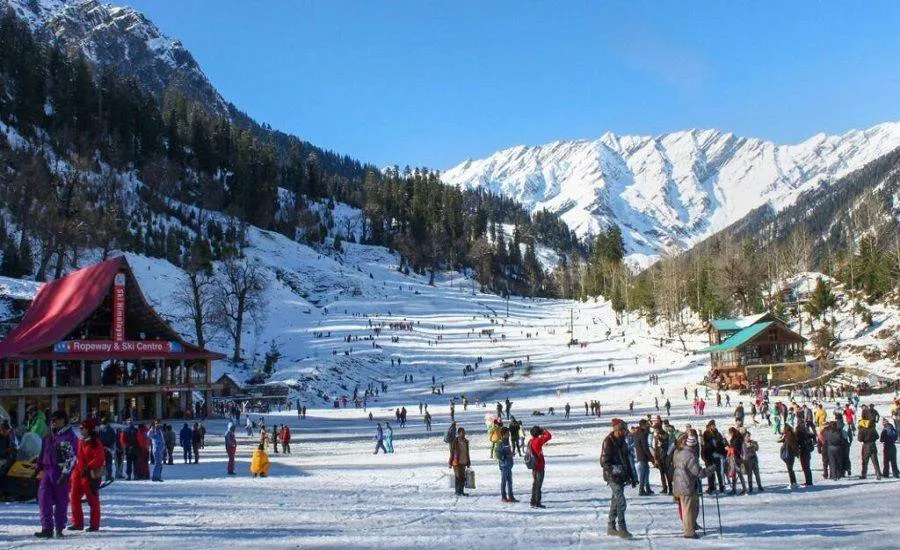 EasySpring, Summer, Autumn, Winter
Manali Kasol Trip
Not every trip needs to be extreme. Some trips are simply about slowing down, exploring, and enjoying the mountains at your own pace.The Manali Kasol Trip is exactly that kind of experience – a perfect mix of scenic beauty, cafe culture, light exploration, and peaceful moments in the Himalayas.From the lively streets of Manali to the laid-back vibe of Kasol, this journey lets you experience two completely different sides of Himachal in one trip. One day you are exploring temples and bustling markets, and the next, you’re sitting by the Parvati River with a cup of coffee, doing absolutely nothing – and enjoying it.Whether it’s cafe-hopping in Old Manali, walking through pine forests, visiting the spiritual town of Manikaran, or simply soaking in mountain views, this trip is designed to feel light, refreshing, and memorable.The Manali Kasol Trip is ideal for anyone looking for a short Himalayan escape without the pressure of long treks or challenging routes.Quick Facts About Manali Kasol TripDuration: 5 Days / 4 NightsStarting Point: DelhiEnding Point: DelhiTrip Type: Leisure + ExplorationDifficulty Level: EasyBest For: Beginners, friends, couples, weekend travelersRegion Covered: Manali – Solang Valley – Kasol – ManikaranStay Type: Hotel accommodationTransport: Volvo / Tempo Traveller (depending on group size)Best Time to Visit: Throughout the yearBest Time to do Manali Kasol TripMarch to June (Pleasant & Popular)Temperature: 10°C to 25°CIdeal weather for sightseeing and café hoppingClear skies and comfortable conditionsJuly to September (Monsoon Vibe)Temperature: 12°C to 20°CLush greenery and fewer crowdsOccasional rainfall may affect travel plansOctober to November (Peaceful & Scenic)Temperature: 5°C to 15°CClear mountain views and calm atmospherePerfect for a quiet getawayDecember to February (Snow Experience)Temperature: -5°C to 10°CChance to experience snowfall in ManaliCold weather but highly scenicWho is This Trip For?- First-time travelers to the mountains- Friends looking for a fun and relaxed trip- Couples seeking a peaceful getaway- Anyone who wants a mix of exploration + relaxationTravel Experience of Manali Kasol TripThis trip is less about rushing and more about enjoying.- Slow mornings with mountain views- Long cafe conversations- Walks by the river instead of strict schedules- Exploring places without feeling hurriedThe Manali Kasol Trip is designed to give you space – to explore, relax, and just be.Things to Carry For Manali Kasol Trip- Warm clothes (layering recommended)- Comfortable shoes- Sunglasses & sunscreen- Personal medication- ID proof- Power bankManali Kasol Trip Package PriceThe Himtrek’s Manali Kasol Trip package is priced at ₹6,499 per person, making it an affordable yet complete Himalayan getaway.This package is ideal for travelers who want to explore Manali and Kasol without worrying about planning, logistics, or arrangements.With Himtrek, you get a well-organized experience that balances comfort, exploration, and memorable moments in the mountains.Ready for Your Next Mountain Escape?If you are looking for a trip that’s easy, refreshing, and full of good vibes – this is it.- Limited seats per batch- High demand during weekends and peak seasonsBook your Manali Kasol Trip now and secure your spot“Contact Us” to check dates, availability, and complete details
![[Premium] Bhrigu Lake Trek](https://res.cloudinary.com/dhmxejzos/image/upload/v1785433882/l5hlsgtpbzkkislwr2nv.webp) Easy-ModerateSummer, Monsoon, Autumn
Easy-ModerateSummer, Monsoon, Autumn[Premium] Bhrigu Lake Trek
A Journey to Himachal’s Sacred High-Altitude LakeThere is something truly special about standing high in the Himalayas, breathing in the cold crisp air, and watching a turquoise lake shimmer under the sun. The Premium Bhrigu Lake Trek by Himtrek offers exactly that – a perfect mix of adventure, comfort, and breathtaking views.Located close to Manali, the Bhrigu Lake trek takes you through lush forests and wide open meadows before reaching the sacred Bhrigu Lake at an altitude of around 14,100 ft. Locals believe that Sage Bhrigu meditated here, giving the lake a peaceful spiritual touch.Unlike many treks in Uttarakhand that remain closed during the rainy season, this premium trek stays open even during the monsoon, when the landscape is at its greenest and most beautiful.This premium Bhrigu lake trek is ideal for anyone looking for an easy to moderate trek without giving up on comfort. You get to stay in premium hotels in Manali and sleep in spacious luxury tents, enjoying delicious meals and starry Himalayan nights.The Bhrigu Lake trek distance is approximately 22 km round trip, making it great for beginners as well as experienced trekkers. The best time for the Bhrigu Lake trek is May to October, when the weather is clear and the meadows are blooming with colourful flowers.HimTrek’s Premium Bhrigu Lake Trek Package Includes:- SUV transport from Manali to Gulaba and back- Spacious tents, sleeping bags, mattresses, and all essential gear- Delicious Veg, Non-Veg, Jain, and Eggetarian meals- Certified trek leaders, local guides, and safety supportIf you are looking for a Himalayan trek that feels comfortable, premium, and unforgettable, this premium Bhrigu Lake trek package is just for you.
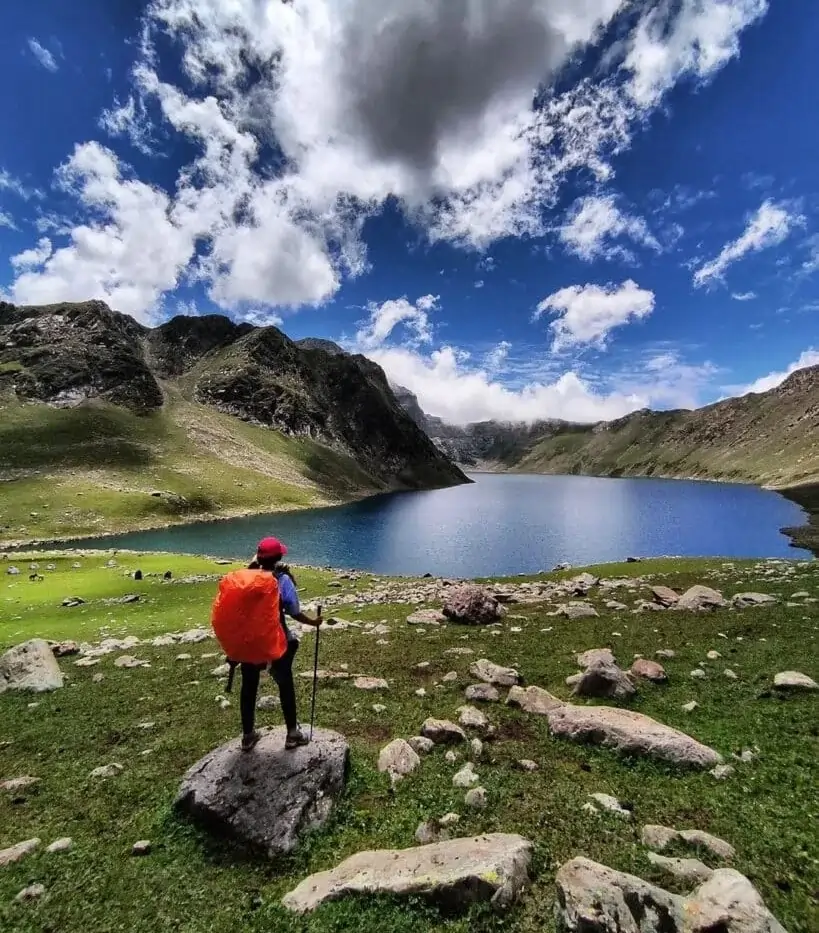 ModerateSummer, Monsoon
Tarsar Marsar Trek
The Tarsar Marsar Trek is one of the most scenic alpine lake treks in the Kashmir Himalayas. Known for its twin lakes-Tarsar and Marsar-this trek offers a perfect mix of lush meadows, forest trails, and high-altitude camping experiences.Starting from Aru Valley near Pahalgam, the trail takes you through pine forests, river valleys, and wide grasslands. The highlight of the trek is camping near Tarsar Lake and exploring the hidden Marsar Lake, often covered in mist and surrounded by dramatic mountain landscapes.This trek is ideal for trekkers looking for a visually rewarding Himalayan experience without technical difficulty. It is suitable for fit beginners as well as experienced trekkers, offering moderate difficulty with gradual altitude gain.Quick Facts About Tarsar Marsar TrekRegion Covered: Lidder Valley, Kashmir HimalayasDuration: 7 Days / 6 NightsStart/End Point: SrinagarBase Village: Aru (near Pahalgam)Total Trail Length: Approx. 47-50 kmMaximum Elevation: Approx. 13,500 ft (near Marsar region)Difficulty Level: ModerateStay Type: Camps throughout the trek, base stay in AruTemperature Range:Day: 13°C to 20°CNight: 2°C to 8°CBest Time to Do the Tarsar Marsar TrekThe best time to do this trek is when the alpine meadows are green, and the lakes are fully accessible.June to July- Fresh greenery and flowing streams- Ideal trekking conditions- Meadows in full bloomAugust to September- Clear lake views and open skies- Slightly cooler temperatures- Stable weather with fewer trekkersNote: Sudden weather changes are common in Kashmir. Carry rain gear and proper warm clothing at all times.How to Reach Aru Valley (Base for Tarsar Marsar Trek)By Air:Nearest Airport: Srinagar International AirportDrive to Aru Valley (approx. 100 km)By Train:Nearest Railway Station: Jammu TawiContinue by road to Srinagar and then to AruBy Road:Route: Srinagar → Anantnag → Pahalgam → AruDistance: Approx. 100 kmTravel Time: 3-4 hoursTarsar Marsar Trek Package by Himtrek – ₹14,999Himtrek’s Tarsar Marsar Trek package at ₹14,999 per person is designed for trekkers seeking a well-organised and scenic Kashmir trekking experience. The package includes accommodation, all meals during the trek, experienced guides, camping equipment, permits, and essential safety support.The itinerary is structured with gradual altitude gain and proper acclimatisation to ensure safety and comfort. With trained staff and organised logistics, trekkers can focus fully on the experience.For bookings and more information, please contact Himtrek team.Experience the Beauty of Tarsar & Marsar LakesThe Tarsar Marsar Trek is known for its stunning twin lakes, each offering a different experience.- Tarsar Lake is wide, open, and surrounded by green meadows and mountains- The water reflects shades of deep blue and turquoise depending on the light- Camps are set near the lake, making it one of the most scenic camping spots- Marsar Lake feels more hidden and mysterious- It is often covered with clouds, adding to its beauty- Trekkers usually view it from a distance, which makes the moment even more specialTogether, these lakes make this trek one of the most visually rewarding experiences in Kashmir.Landscapes, Meadows & Local LifeThe trail of the Tarsar Marsar Trek offers constantly changing landscapes.- Walk through lush green meadows filled with wildflowers during the trekking season- Cross small streams and open valleys with wide mountain views- Spot shepherds grazing their livestock, especially from Gujjar and Bakarwal communities- See temporary camps and experience a glimpse of traditional mountain life- Enjoy peaceful surroundings, far from crowded trekking routesThis mix of natural beauty and local culture makes the journey more meaningful and immersive.What Makes Tarsar Marsar Trek UniqueThis trek stands out among other Kashmir treks for several reasons.- Less crowded compared to popular treks, offering a more peaceful experience- Perfect balance of easy to moderate difficulty, suitable for many trekkers- Focus on lake views, camping, and scenic landscapes- Campsites are located in some of the most beautiful locations in the valley- Nights offer clear skies, calm surroundings, and a true connection with nature- For those looking for a quiet yet stunning Himalayan trek, Tarsar Marsar is a perfect choice.
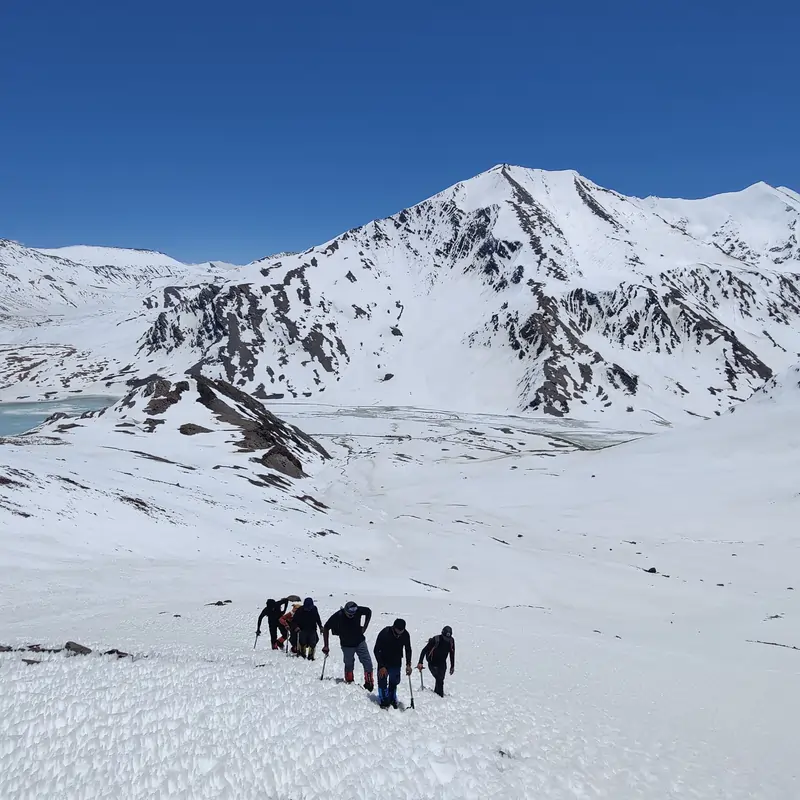 DifficultMonsoon
Yunam Peak Expedition
The Yunam Peak expedition is an adventurous journey that takes climbers to one of the lesser-known yet strikingly beautiful summits in the Himalayas.Located in the remote region of northern India, Yunam Peak rises to an altitude of approximately 6,065 meters (19,898 feet), offering a challenging ascent for seasoned mountaineers. The expedition typically begins in the vibrant town of Bharatpur, where climbers acclimate to the high altitude and prepare for the rigorous trek ahead. The ascent of Yunam Peak requires a blend of technical climbing skills and physical endurance.Climbers navigate through a series of ice and rock sections, encountering challenging crevasses and steep inclines. The expedition is typically organized in the summer months, when weather conditions are more favorable, though climbers must still be prepared for sudden snowstorms and freezing temperatures.The final push to the Yunam Peak summit demands a combination of mental toughness and physical strength, but the reward is a breathtaking panoramic view of the surrounding mountain ranges, including the mighty peaks of the Karakoram and Zanskar ranges.Reaching the summit of Yunam Peak is a momentous achievement that offers a profound sense of accomplishment and a unique perspective of one of the world’s most awe-inspiring landscapes. Overall, the Yunam Peak Expedition is a test of skill and endurance, providing an unforgettable experience for those seeking adventure off the beaten path in one of the world’s most spectacular regions.More Treks in Himachal Pradesh:-Chandrakhani Winter ExpeditionWinter Spiti Road TripPin Parvati Pass TrekMore at HimtrekBest Stays in Himachal Pradesh:-Monkey Mud House & Camps, BirHimtrek Stays and Camps JibhiHimtrek Riverside Camps, KasolQuick Facts: Region: Lahaul, Himachal PradeshStart/ End Point of the Trek: ManaliDuration: 8D/7NYunam Peak Expedition Height: 6,111 meters Yunam Peak Expedition Difficulty Level: ChallengingYunam Peak Expedition Temperature: Day: (5°C to 15°C) and Night: (-10°C to 0°C) Best Time to do Yunam Peak Expedition: July to SeptemberHow to Reach:The Yunam Peak Trek starts from Manali. To reach there, you can choose from any of the following transport options- By Road- The quickest and most economical way to get to Manali. Manali is accessible by road from several locations, including Delhi (540 km), Chandigarh (305 km), Dehradun (227 km), and Ambala (370 km). By Train-The closest railway station to Manali is Jogindernagar. Other train routes to Manali include those through Chandigarh and Ambala.By Air- The nearest airport is Bhuntar Airport, 10 km from Manali. Cabs and local buses are easily available from Bhuntar to Manali.
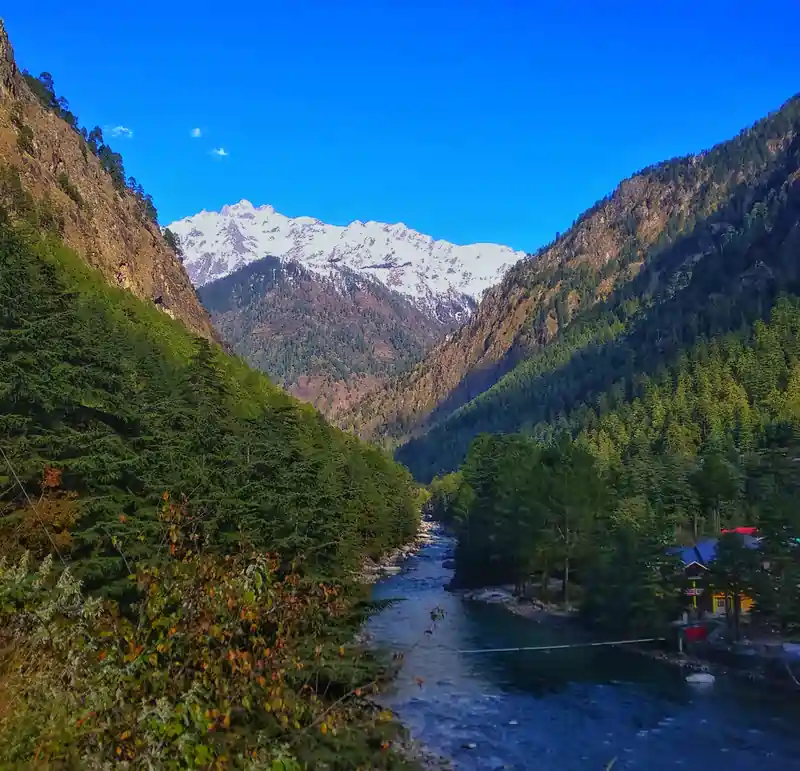 EasyWinter
Kasol Winter Trek
Embark on the Kasol Winter Trek, a captivating journey that unveils the pristine beauty of Himachal Pradesh’s snow-covered landscapes. This trek begins in the charming village of Kasol, a haven for nature enthusiasts and adventurers alike. Starting in the charming village of Kasol, the trek takes you to the picturesque village of Chalaal, renowned for its vibrant culture and tranquil ambiance.Known for its vibrant culture and laid-back atmosphere, Chalaal offers a perfect blend of tranquility and local charm. The adventure continues and takes you to Grahan Village, a hidden gem nestled deep in the Parvati Valley. Here, you’ll find traditional Himachali homes, hospitable locals, and a serene environment that feels untouched by time. The village, surrounded by dense forests and majestic peaks, provides a refreshing escape from the hustle and bustle of city life.The highlight of the Kasol winter trek is reaching Min Thatch, an enchanting alpine meadow blanketed in snow. This high-altitude pasture offers stunning panoramic views of the surrounding mountains, creating a picture-perfect winter wonderland. Whether you’re an avid trekker or a nature lover, the Kasol Winter Trek promises an unforgettable experience filled with breathtaking vistas, cultural richness, and the serene beauty of the Himalayas.More Treks in Kasol:-Kasol Kheerganga TrekPin Parvathi TrekQuick Facts: Region: Parvati Valley, Himachal PradeshStart/ End Point of the Trek: KasolDuration: 4D/3NWinter Trek Dalhousie Height: 11,483 feet Winter Trek Dalhousie Difficulty Level: Moderate to challengingWinter Trek Dalhousie Temperature: Day: (2°C to 10°C) and Night: (-10°C to 0°C) Best Time to do Winter Trek Dalhousie: December to FebruaryHow to Reach:The Kasol Winter Trek begins in Kasol. To reach there, you can choose from any of the following transport options- By Road- There are several private and state-run buses (Himachal Road Transport Corporation – HRTC) that operate from Delhi, Chandigarh, and other major cities to Manali, with stops at Bhuntar. From Bhuntar, you can take a local bus or taxi to Kasol. Some Volvos also drop directly to Kasol.By Train-The nearest major railway station is Chandigarh Railway Station, located about 296 kilometers (184 miles) away. From Chandigarh, a taxi or bus (Volvo or local HRTC) can be taken to Bhuntar or directly to Kasol. The alternative is, that Joginder Nagar Railway Station is closer (144 kilometers or 89 miles) but has limited connectivity. By Air- The closest airport to Kasol is Kullu-Manali Airport (Bhuntar Airport), located about 31 kilometers (19 miles) away. From the airport, you can either take a local HRTC
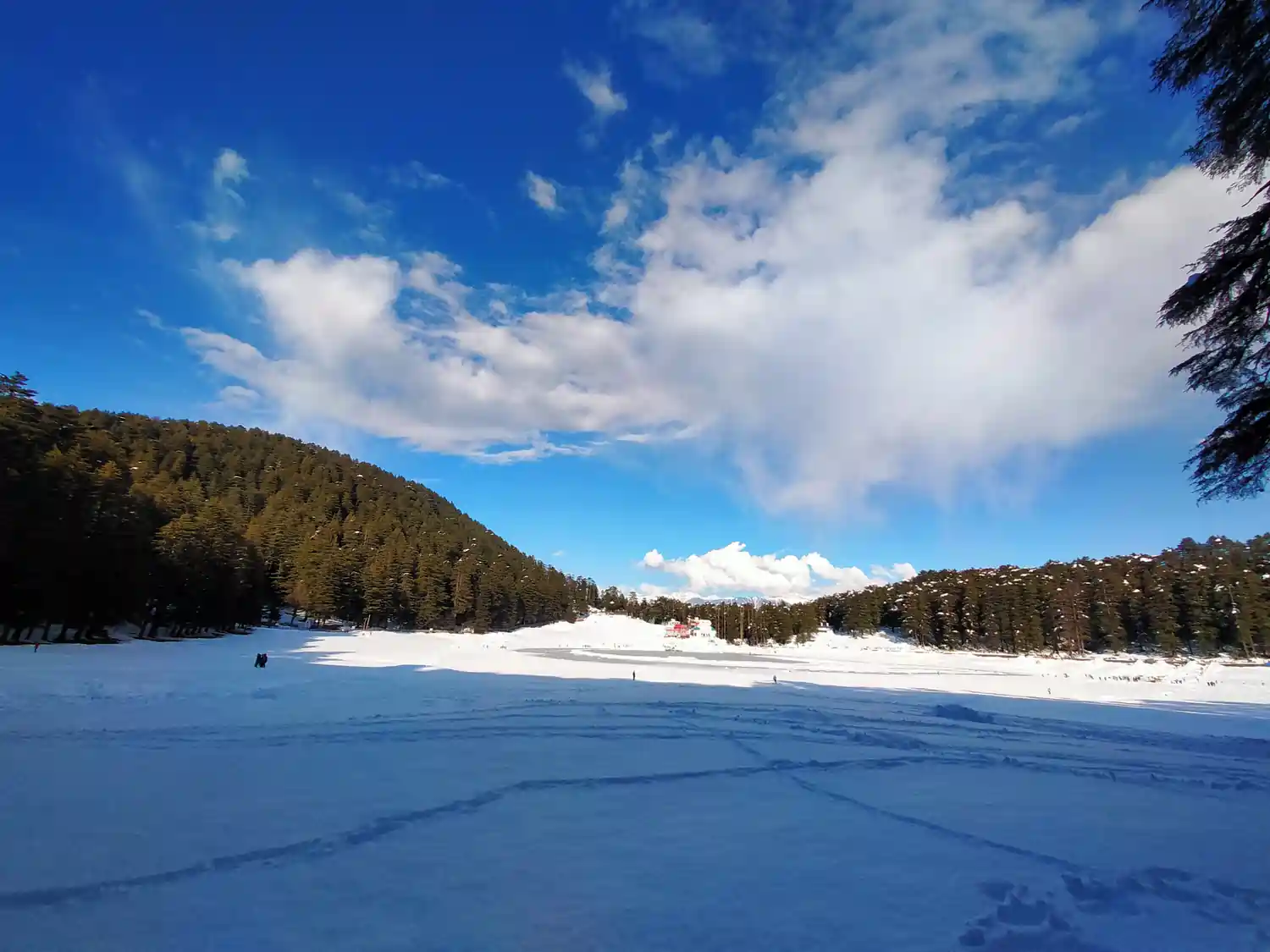 ModerateWinter
Winter Trek In Dalhousie
Dalhousie, a charming hill station nestled in the Dhauladhar mountain range of Himachal Pradesh, offers a delightful winter trekking experience. Known for its colonial architecture and picturesque landscapes, Dalhousie provides a serene ambiance perfect for exploration.Key attractions include St. John’s Church, the oldest in Dalhousie, and St. Francis Church, both offering beautiful architecture and tranquil surroundings. The winter trek to Ganji Pahadi, starting from the Panchpula area, is the starting of your trek where you will be exposed to the winter beauty of Dalhousie. The trail winds through dense pine forests and open meadows, culminating at Ganji Pahadi, or “Bald Hill,” known for its lack of vegetation at the summit, which offers unobstructed panoramic views.During winter, the snow-covered trail and hilltop create a magical and serene trekking experience. Another captivating part of the winter trek in Dalhousie is to Dainkund. The trail provides stunning views of the Pir Panjal and Dhauladhar ranges. The summit, often snow-covered in winter, offers a mesmerizing landscape and a peaceful retreat. Altogether, the winter trek in Dalhousie provides a perfect blend of natural beauty, adventure, and tranquility.Quick Facts: Region: Dalhousie, Himachal PradeshStart/ End Point of the Trek: DalhousieDuration: 4D/3NWinter Trek Dalhousie Height: 9,038 feet Winter Trek Dalhousie Difficulty Level: Moderate to challengingWinter Trek Dalhousie Temperature: Day: (5°C to 15°C) and Night: (-5°C to 5°C) Best Time to do Winter Trek Dalhousie: December to FebruaryHow to Reach?The Winter Trek in Dalhousie starts from Dalhousie, which can be reached by the following transportation options- By Road- Several private and state-run buses (Himachal Road Transport Corporation – HRTC) operate from Delhi to Dalhousie, offering various options from local buses to Volvos.By Train-The nearest major railway station to Dalhousie is Pathankot Railway Station, located about 80 kilometers (50 miles) from Dalhousie. From Pathankot, you can take a local bus or a taxi. By Air- The nearest airport to Dalhousie is Gaggal Airport (Kangra). From the airport, hire a taxi or take a local bus.Please Find Similar TreksManali Winter trek
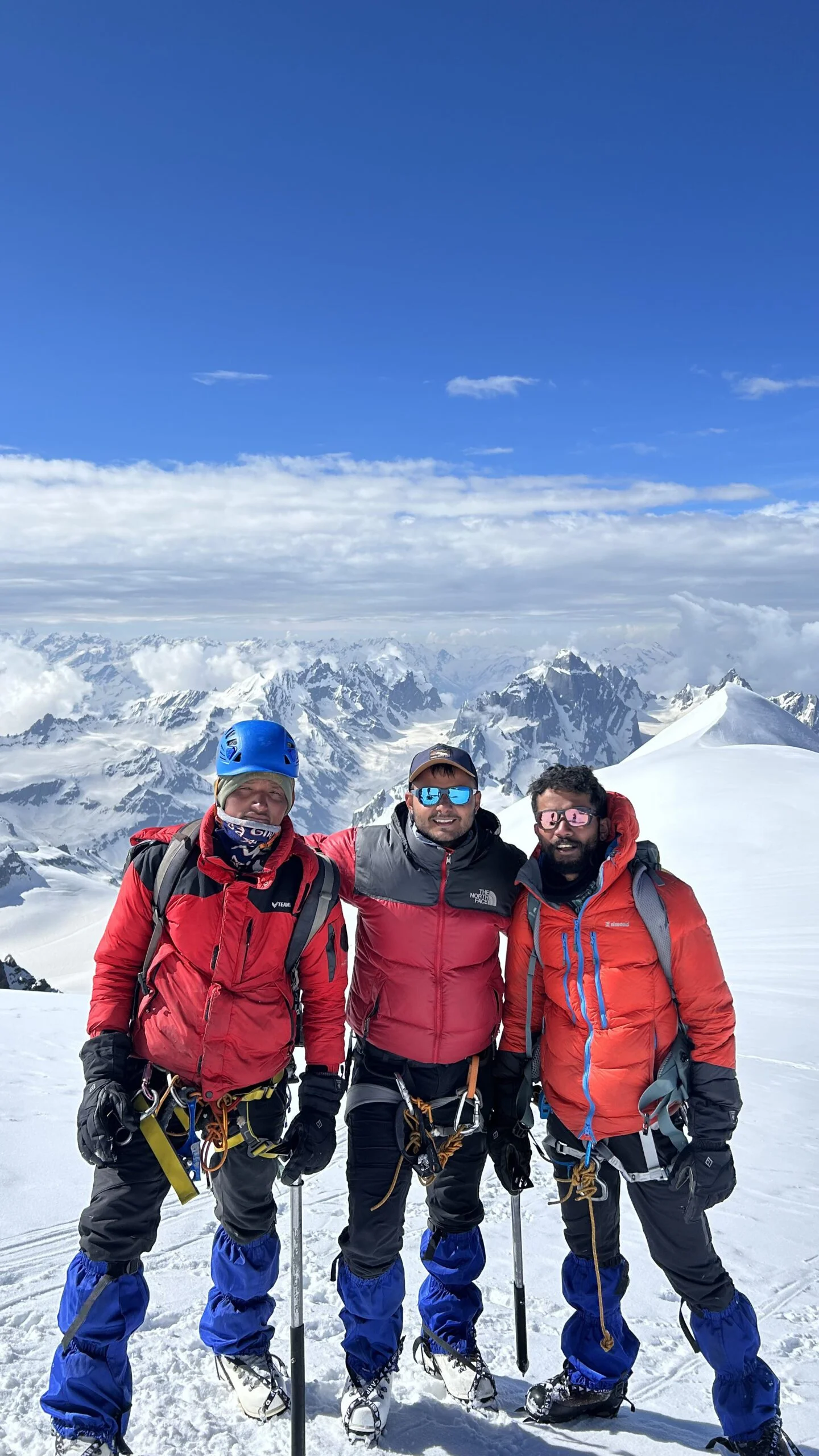 DifficultSummer, Monsoon
Mt. Deo Tibba Expedition
Mt. Deo Tibba Expedition peak, is located in Himachal Pradesh’s Kullu valleys Pir Panjal Range is the second-highest peak and stands an astonishing 6,001 metres above sea level.The Deo Tibba is thought to be the meeting place for all gods (devtas), who are said to congregate and sit atop this hill to address topics of the utmost significance.It is located southeast of Manali above the village of Jagatsukh. Putting the legends aside, we like it because of its eccentricity. The sole adjective that describes its erratic personality is “temperamental.” Its intense moods, more than the fact that they are constantly changing, are what make it eccentric.With two vertical ice gullies and an ice cap on the route to the top, the trek begins in Manali, a popular destination for backpackers, and it qualifies as a rigorous mountaineering excursion.The track leads to the base camp of this spectacular peak through the most beautiful terrain, including expansive meadows with the most stunning display of colourful wild flowers, a panoramic view of the entire mountain range, and dramatic cloud formations that can be seen all along the way. We reach a scene of boulders, moraine, and slowly appearing snow that quickly covers the entire mountain’s surface as the vegetation begins to dwindle.The steep descent to Duhangan Col is one of the climb’s more interesting (and difficult) sections. The col has a well-established reputation. It is as terrifying as it sounds if you’ve heard the stories about the col.The peak of Mount Deo Tibba, which separates it from neighbouring mountains and is shaped like a dome, is another fascinating feature of the mountain. Unlike other summits, which are sharp, singular points, this summit is flat and more plateau-like.The trek has some tough aspects that call for special expertise because they necessitate negotiating vertical ice gullies. Fixed ropes and specific climbing gear are needed to navigate these 60–70 degree grades. Mt. Deo Tibba expedition is intended for seasoned hikers with prior experience using mountaineering techniques including the usage of ice axes, crampons, descender, jumar, and roping up procedures. This is because of the mountain’s difficult terrain and expedition-style climb. This adventure is ideal for any ambitious mountaineer hoping to climb higher in the near future and wanting to reach a height of 6000 metres or more.Quick Facts:Region: Manali, Himachal PradeshMt. Deo Tibba Expedition Start/End Point of the Trek: ManaliMt. Deo Tibba Expedition Duration: 13D/12NHeight: 19700 ftMt. Deo Tibba Expedition Distance: 60 kmMt. Deo Tibba Expedition Difficulty Level: Difficult TrekMt. Deo Tibba Expedition Temperature: Day (10°C to 15°C) and Night (-2°C to 5°C)Best time Mt. Deo Tibba Expedition: Mid June to OctoberHow to Reach Basecamp – Manali?By Road:The quickest and most economical way to get to Manali. Manali is accessible by road from several locations, including Delhi (540 km), Chandigarh (305 km), Dehradun (227 km), and Ambala (370 km).By Train:The closest railway station to Manali is Jogindernagar. Other train routes to Manali include those through Chandigarh and Ambala.By Air:The nearest airport is Bhuntar airport, 10 km from Manali. Cabs and local buses are easily available from Bhuntar to Manali.12 Nights 13 Days Available on requestAfter completing the trek, why not extend your adventure and spend some time in Kasol with Himatrek stays?Himtrek Stays in KasolHimtrek has cozy and comfortable places to stay in Kasol. After your trek, you can rest and relax at these places. Himtrek has small guest houses and nice homestays. There are different options for all kinds of travellers.In Kasol, you can experience the interesting culture. You can explore the mall road . At the Himtrek stays, you can have peace in nature or enjoy cultural activities. Himtrek stays in Kasol give you comfort and adventure.Himtrek offers a wide range of accommodation options in Kasol to suit the needs and tastes of every traveller. Whether you’re looking for a cozy guesthouse in the middle of a pine forest or a comfortable hostel with a lively atmosphere, Himtrek is the place for you.So pack your bags, lace up your boots, and embark on an unforgettable journey into the heart of the Himalayas, and stay inHimtrek Stays in KasolFor more adventure and information click here : https://himtrekstays.com/Kindly review the Terms and Conditions before proceeding with your booking.
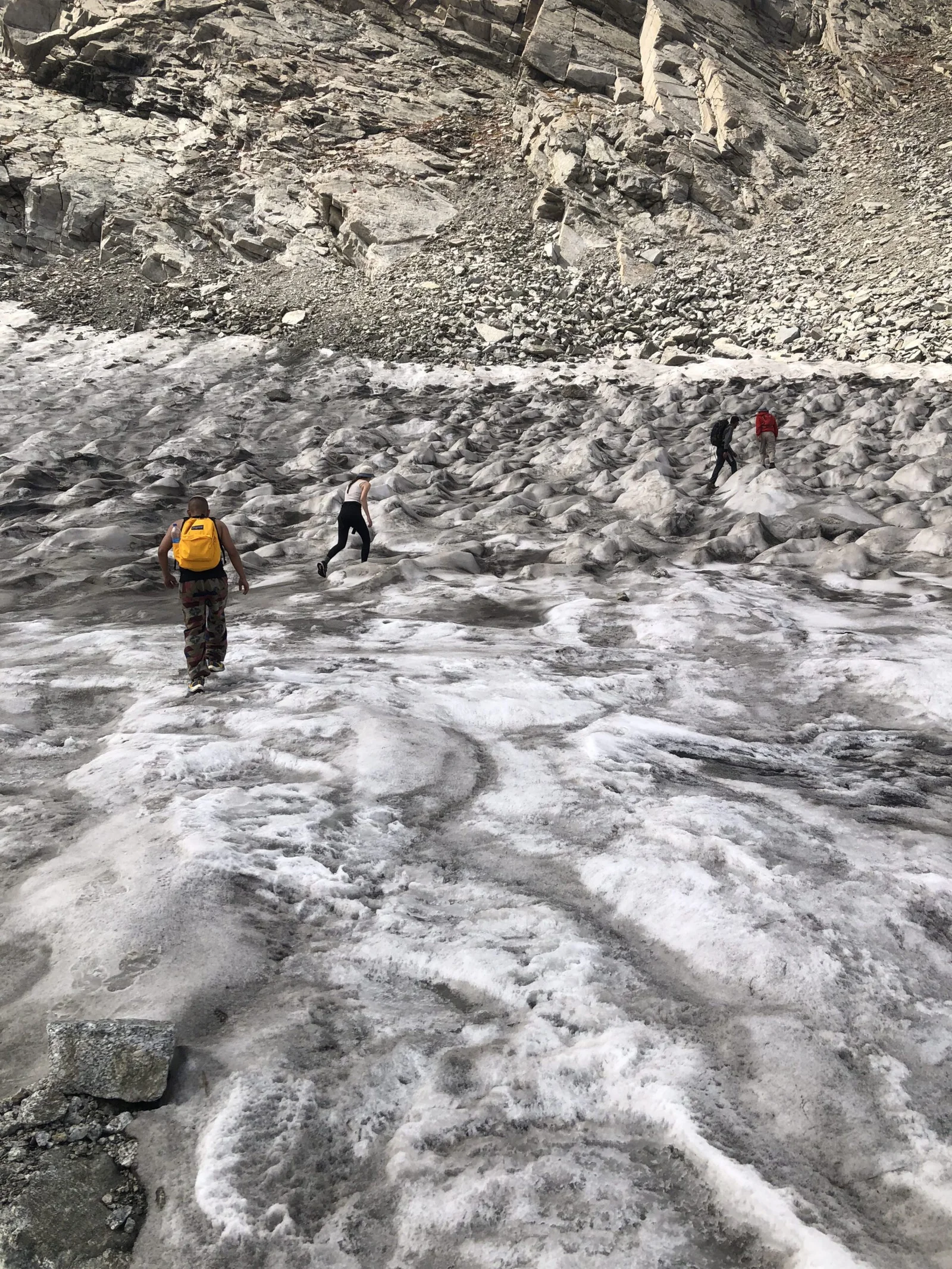 DifficultSummer, Autumn
Moon Peak Expedition
Moon Peak Expedition is a popular adventure trekking route in the Indian Himalayas, starting from McLeod Ganj and typically taking around 4 nights and 5 days to complete. The trek takes you through some of the most scenic and remote regions of the Dhauladhar range of the Himalayas in Himachal Pradesh.The trek route passes through dense forests, steep ridges, alpine meadows, and glacial moraines, with breathtaking views of the surrounding mountain ranges, including the Moon Peak itself. The trekking trail is moderately challenging, with some steep ascents and descents, but it is suitable for beginners with a basic level of fitness and trekking experience.During the trek, you will have the opportunity to interact with the local people and learn about their culture and way of life. You will also get to camp in some of the most picturesque locations and witness some of the most stunning sunrises and sunsets in the Himalayas.The Moon Peak trek is an excellent option for those seeking a short but fulfilling trekking experience in the Himalayas. However, it is important to prepare well and pack appropriately for the trek, taking into consideration the weather conditions and the altitude. It is also advisable to hire a guide to ensure a safe and enjoyable trekking experience.Planning Your Moon Peak Expedition:McleodGanj Choosing the Right Season for Your Expedition Meticulously making plans your excursion begins with choosing an appropriate season. While the trek is out there at some point of the year, the fine time to visit is at some point of the pre-monsoon (March to May) and submit-monsoon (September to November) seasons while the weather is clear, providing remarkable perspectives of the encircling landscape.Understanding the Difficulty Level:Before embarking in this journey, it is vital to assess the problem level of the trek. Moon Peak Expedition, McleodGanj is classed as a mild to difficult trek, requiring a good stage of health and earlier trekking revel in, especially for navigating the steep ascents and descents.Acquiring Permits and Permissions:Ensure a hassle-unfastened hiking experience through acquiring the necessary lets in and permissions. Visitors need to gather allows from the local government or thru registered trekking businesses before starting up the expedition. These permits no longer most effective modify the variety of trekkers however additionally make a contribution to the conservation efforts inside the vicinity.Quick Facts:Region: Mcleodganj, Himachal PradeshStart/End Point of Moon Peak Expedition: McleodganjMoon Peak Expedition Duration: 5D/4NMoon Peak Expedition Trek Height: 15,125 ftMoon Peak Expedition Distance: 40 KmMoon Peak Expedition Height: 4,593 mMoon Peak Expedition Temperature: Day (15°C to 25°C) & Night (5°C to 7°C)Best Time to Trek Moon Peak Expedition: May to June & September to OctoberHow to Reach Base Camp – Dharamkot?By Air: The nearest airport is Gaggal Airport in Kangra, about 18 km from McLeod Ganj.By Train: The nearest major railway station is Pathankot, which is well-connected to major cities in India.By road: McLeod Ganj is also easily accessible by road, with regular bus services from cities like Delhi, Chandigarh, and Manali.4 Nights 5 Days Available on requestAfter completing the trek, why not extend your adventure and spend some time in McLeod Ganj with Himtrek stays?Himtrek Stays in McLeod GanjHimtrek has cozy and comfortable places to stay in McLeod Ganj. After your trek, you can rest and relax at these places. Himtrek has small guest houses and nice homestays. There are different options for all kinds of travellers.In McLeod Ganj, you can experience the interesting culture. You can explore the busy markets and eat delicious Tibetan food. At the Himtrek stays, you can have peace in nature or enjoy cultural activities. Himtrek stays in McLeod Ganj give you comfort and adventure.So pack your bags, lace up your boots, and embark on an unforgettable journey into the heart of the Himalayas, and stay in McLeod Ganj with Himtrek.For more adventure and information click here : https://himtrek.co.in/Kindly review the Terms and Conditions before proceeding with your booking.
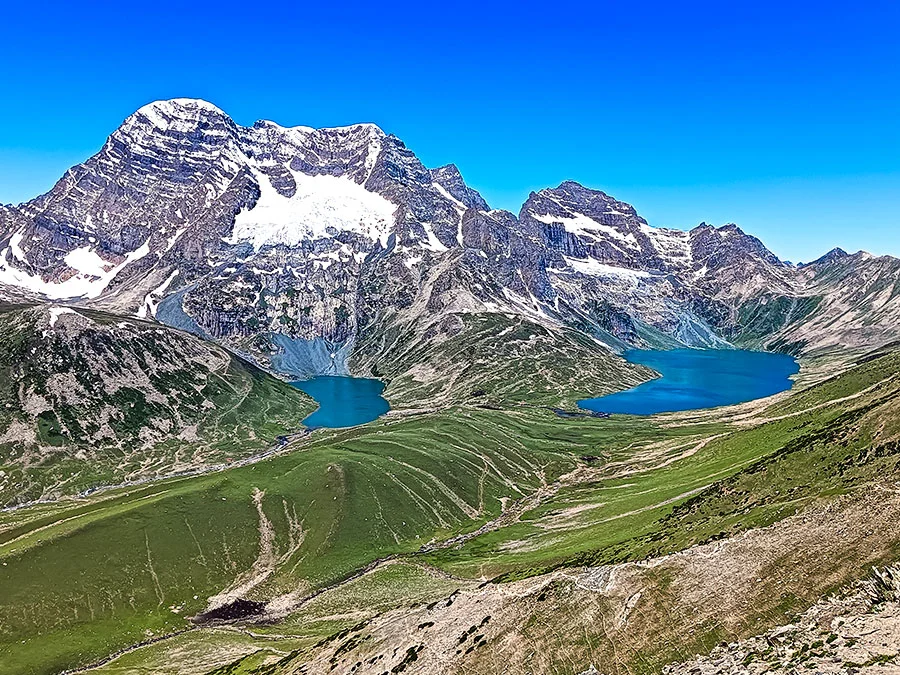 ModerateMonsoon, Autumn
Kashmir Great Lakes Trek (KGL)
The Kashmir Great Lakes Trek is one of the most beautiful treks in India. Located in the Kashmir Himalayas, this journey takes you through alpine meadows, snow-covered mountain passes, and a chain of stunning high-altitude lakes. Over seven days, trekkers cross scenic valleys and discover some of the most breathtaking landscapes in the Himalayas.The trail begins near Sonamarg, often called the Meadow of Gold. As you move deeper into the mountains, the scenery keeps changing. You will walk through maple forests, green meadows, rocky ridges, and high-altitude passes. The highlight of the trek is visiting the famous alpine lakes, including Vishansar Lake, Gadsar Lake, Satsar Lakes, Gangabal Lake, and Nundkol Lake. Each lake has its own colour and character, reflecting the surrounding snow peaks.This trek is not just about landscapes. Along the way, you will also see traditional shepherd settlements, grazing sheep, and peaceful Himalayan valleys that feel untouched by modern life. During summer, the meadows are covered with wildflowers, and the lakes appear in beautiful shades of blue and turquoise.With every day of trekking, the views become more rewarding. Wide mountain panoramas, glacier-fed streams, and peaceful lakes make this trek truly unforgettable. For nature lovers and trekking enthusiasts, the Kashmir Great Lakes Trek offers the perfect combination of adventure, beauty, and Himalayan serenity.Quick Facts About the Kashmir Great Lakes TrekRegion: Kashmir Himalayas, Jammu & KashmirStart Point: ShitKadiEnd Point: Naranag VillageDuration: 7 DaysTrek Distance: Approx. 70-75 kmMaximum Altitude: Gadsar Pass – approx. 13,800 ftDifficulty Level: ModerateBest Time: July to SeptemberAccommodation: Tented camping during the trekTemperature Range:Day: 10°C to 18°CNight: 0°C to 8°CBest Time to do the Kashmir Great Lakes TrekThe Kashmir Great Lakes Trek is best done during the summer and early autumn months when the trails are open and the alpine lakes are accessible.July to August – Peak Trekking SeasonMeadows are full of colourful wildflowers.Lakes appear bright blue due to melting glaciers.The weather is pleasant for trekking during the day.This is the most popular time to visit the region.September – Clear Views & Fewer CrowdsThe monsoon clouds begin to clear.Trails become quieter with fewer trekkers.Mountain views are often clearer during this time.Note: Weather in the Himalayas can change quickly, so trekkers should carry proper warm clothing and rain protection.How to Reach SrinagarBy Air:The nearest airport is Srinagar International Airport, which is well-connected to major cities such as Delhi, Mumbai, and Chandigarh. From the airport, you can reach the meeting point in Srinagar city easily by taxi.By Train:The closest major railway station is Jammu Tawi, around 260 km from Srinagar. From Jammu, travellers can take a bus or taxi to reach Srinagar.By Road:Srinagar is well connected by road with Jammu and other major cities of North India. Buses and taxis operate regularly on the Jammu-Srinagar highway.Kashmir Great Lakes Trek Package by Himtrek – ₹16,999Experience the breathtaking beauty of the Kashmir Himalayas with Himtrek’s Kashmir Great Lakes Trek package priced at ₹16,999 per person.This 7-day trekking adventure takes you across alpine meadows, high mountain passes, and some of the most stunning glacial lakes in the Himalayas. The journey includes comfortable camping arrangements, experienced trek leaders, and all essential trek logistics to ensure a safe and memorable experience.Trekkers will explore famous locations such as Nichnai Pass, Vishansar Lake, Gadsar Lake, Satsar Lakes, and Gangabal Lake while enjoying panoramic views of snow-capped peaks and vast valleys.For more information or booking details, feel free to contact the Himtrek team.Legends and Stories of the Kashmir Great Lakes.The region around the Kashmir Great Lakes is deeply connected with local traditions and folklore. Many locals believe that these lakes are sacred and have spiritual significance.Gangabal Lake is often associated with Lord Shiva and is considered one of the holy lakes in Kashmir. Pilgrims sometimes visit this lake during special religious occasions.The name Vishansar is also linked to ancient myths, and local shepherds believe the lake holds spiritual energy. According to stories passed down for generations, the mountains and lakes are protected by natural spirits of the valley.While these stories are part of local culture, they add a sense of mystery and charm to the entire trekking experience.Preparation Tips for the Kashmir Great Lakes TrekMaintain basic fitness before attempting the trek.Carry proper trekking shoes with a good grip.Pack warm layers, gloves, and rain protection.Stay hydrated throughout the trek.Walk at a steady pace and avoid
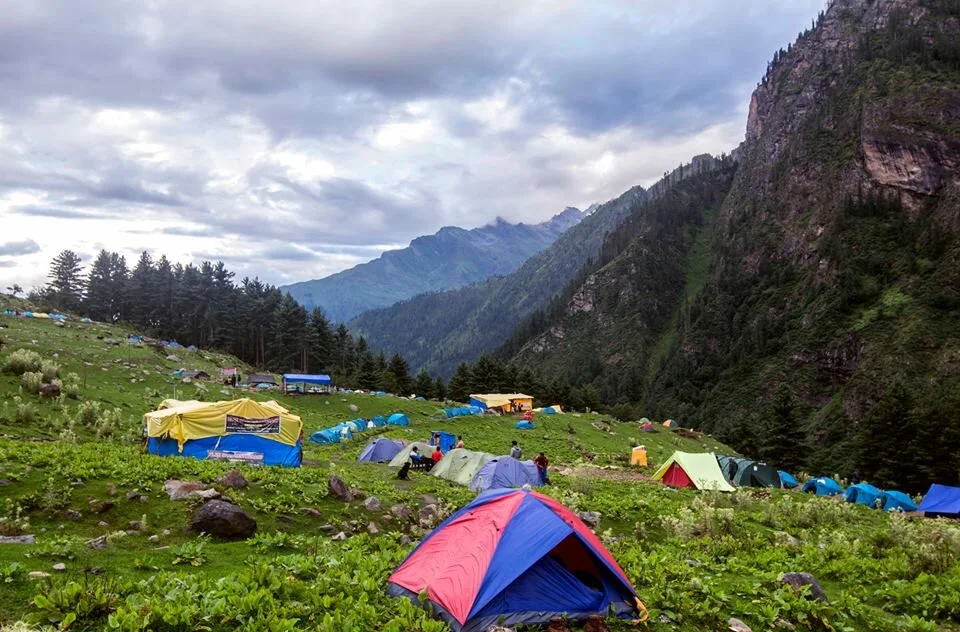 EasySummer, Autumn, Winter, Spring
Kasol Tosh Kheerganga Trip
Kasol Tosh Kheerganga trip is a popular travel itinerary in the Parvati Valley region of Himachal Pradesh, India. Nature lovers, adventurers, and backpackers cherish this route for its serene landscapes, mountain vistas, and cultural richness.Kasol is the starting point of this journey and serves as the gateway to the Parvati Valley. People celebrate this riverside village for its beauty and vibrant backpacker culture. Tourists often call it ‘Mini Israel’ because of the significant Israeli presence.Kasol offers a range of accommodation options, including guesthouses, campsites, and budget hotels. Visitors can explore the local markets, savour Israeli cuisine, enjoy riverside walks, and engage in adventure activities like trekking and rock climbing.Further up the Parvati Valley lies the enchanting destination of Kheerganga. This place has earned a reputation for its hot water springs and stunning natural beauty. The trek to Kheerganga is a popular adventure activity, taking you through picturesque forests, cascading waterfalls, and meandering trails. It typically takes around 4-6 hours to reach Kheerganga on foot, and camping options are available at the top. The highlight of the trek is the rejuvenating experience of bathing in the natural hot springs, known for their therapeutic properties. Kheerganga offers a tranquil environment, making it an ideal spot for relaxation and meditation.This trip takes you to Tosh as well. Located about 20 kilometres from Kasol, Tosh is a quaint village situated at an elevation of 2,400 metres. It is known for its mesmerising views of the Himalayas and the lush greenery that surrounds it. Tosh is an ideal destination for trekkers and nature lovers, offering a variety of trekking trails that lead to stunning viewpoints like the Tosh Glacier. The village also provides a glimpse into the local Himachali culture and way of life. Travellers can stay in guesthouses or homestays, interact with the friendly locals, and enjoy the tranquil ambience of this Himalayan hamlet.Overall, the Kasol Tosh Kheerganga trip is a must-visit for those seeking a blend of natural beauty, adventure, and cultural immersion. It provides an opportunity to explore the breathtaking landscapes of the Parvati Valley, engage with the local communities, and indulge in trekking and outdoor activities. Whether you are a solo traveller, a group of friends, or a nature lover, this Kasol Tosh Kheerganga trip promises an unforgettable experience amidst the scenic splendour of the Himalayas.More Treks in Kasol:-Grahan Trek KasolKasol Winter TrekFor more Treks visit HimtrekVisit Himtrek Stays for Best Stays in KasolKasol Tosh Kheerganga Trip 3 Nights 4 Days Available on requestKindly review the Terms and Conditions before proceeding with your booking.
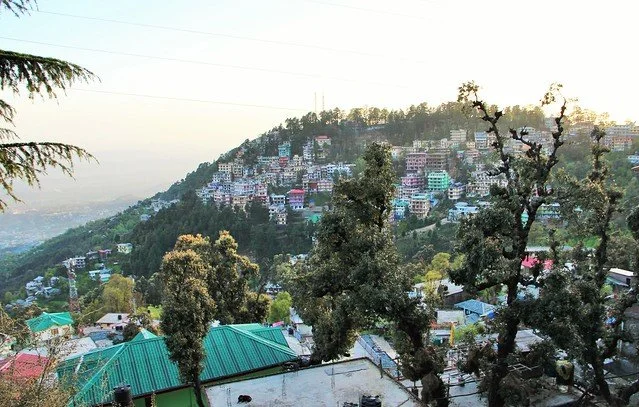 EasySummer, Autumn, Spring, Winter
Mcleodganj Triund Bir
Mcleodganj Triund Bir Billing are two popular tourist destinations located in the state of Himachal Pradesh, India. People consider Mcleodganj as a picturesque hill station located in the Kangra district of Himachal Pradesh. It is known for its serene beauty, and Tibetan culture.Mcleodganj is often referred to as “Little Lhasa” due to its significant Tibetan population and strong Tibetan cultural influence. It serves as the residence of the 14th Dalai Lama, the spiritual leader of Tibetans, and is a hub for Tibetan Buddhism in India. Mcleodganj serves as a base for several trekking routes in the Dhauladhar range.The popular Mcleodganj Triund Bir,Triund Trek is a moderate-level trek that rewards trekkers with stunning views of the mountains and the Kangra Valley.Mcleodganj Triund Bir Billing is a renowned destination for adventure sports, particularly paragliding. It resides in the Joginder Nagar Valley of Himachal Pradesh and has a reputation as one of the world’s best paragliding sites.The region’s favorable wind conditions, vast meadows, and scenic landscapes make it an ideal spot for paragliding enthusiasts. The take-off site, Billing, sits at an altitude of around 2,400 meters, with Bir serving as the landing site. Visitors can experience tandem paragliding flights with experienced pilots and enjoy the adrenaline rush as they soar through the sky while enjoying panoramic views of the valley and the majestic Dhauladhar range. Bir has a significant Tibetan population, and the town is home to a vibrant Tibetan Colony. Visitors can explore the colony to immerse themselves in Tibetan culture, visit monasteries, interact with the locals, and savor Tibetan cuisine.Mcleodganj offers a blend of spirituality, stunning landscapes, Tibetan culture, and adventure opportunities. Whether you seek a spiritual retreat, a cultural experience, or a rendezvous with nature, Mcleodganj has something to offer for every traveler. Whereas, Bir Billing is a paradise for adventure enthusiasts, nature lovers, and those seeking a spiritual and cultural experience. With its stunning landscapes, thrilling activities, and warm Tibetan hospitality, it promises an unforgettable getaway.3 Nights 4 Days Available on request Mcleodganj Triund birKindly review the Terms and Conditions before proceeding with your booking.
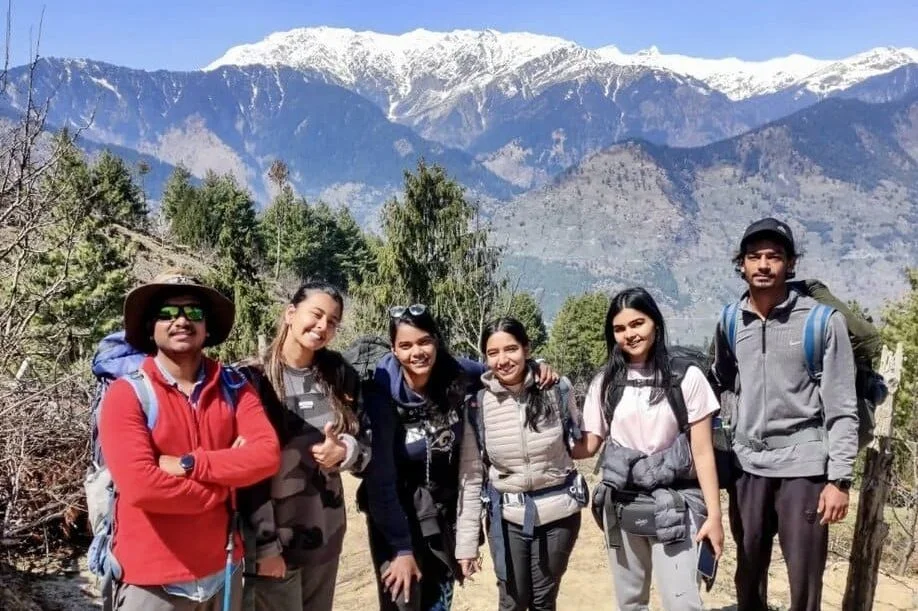 Easy-ModerateSummer, Monsoon, Autumn
Chandrakhani Pass Trek
Chandrakhani Pass Trek offers a view of some of the biggest Himalayan dwellings that follow your adventures. Witness the splendor of the Pir Panjal ranges falling in the north, the Parvati rising high in the east, and the Bara Bangal range in the west. With vibrant meadows spreading out against the backdrop of majestic peaks, it embraces you.In addition to providing stunning views of the Pir Panjal and Parvati mountain ranges, the pass also allows you to glimpse the Deo Tibba and Indrasan peaks. You pass through broad meadows, streams, and waterfalls as you descend from the past.The “Valley of Gods” is another name for the region around Chandrakhani Trek. According to a tale, the deity Jamlu was carrying a basket full of gods when he approached the place, and as soon as he did, a violent gust of wind blew all the gods out of the basket. Each one descended to the earth and assumed the shape of peaks, leading to their renaming as Indrasan, Pir Panjal, Deo Tibba, and Parbati. The pass offers a stunning view of these summits. With such legends and breathtaking peaks as a backdrop, a wonderful trek is sure to keep you thrilled.A Journey Through HistorySteeped in records, Chandrakhani Pass has been an essential change and pilgrimage course for centuries. Ancient villages dotted alongside the way provide a glimpse into the rich cultural tapestry of the place. Visitors can immerse themselves within the neighborhood traditions, witness age-antique customs, and study the charming folklore that has been exceeded down via generations.In order to reach the Chandrakhani Pass, one must traverse a variety of trees, including blue pine, deodar, walnut, golden oak, and wild cherry. A broad perspective of the Kullu region and its cloud-touching peaks is provided by the hike. The journey starts in Naggar. From here, the trail gradually ascends to the Chandrakhani Pass, which is located at an altitude of 3,713 meters.Quick Facts:Region: Kullu, Himachal PradeshStart/ End Point of the Trek: NaggarDuration: 5D/4NTrek Height: 12,185 ftDifficulty Level: Easy to ModerateTrek Temperature: 5°C to 15°C during the day and at night 3°C to 10°CBest Time to do Chanderkhani Pass Trek: May to OctoberWhat is the Best time to Visit Chandrakhani Pass Trek?The optimal season to trek to Chandrakhani Pass is generally said to be from May to October. This is the time of year when the climate and weather at this location are ideal, making for excellent hiking.What’s the Difficulty Level of the Chandrakhani Pass Trek?The Chanderkhani Pass Trek is classified as being between simple and fairly strenuous. In addition to this, the degree of difficulty also varies on the person undertaking the trek. If you are a novice, you might run into some challenges; if you are an experienced hiker, the walk will undoubtedly be simple for you.Can we Rent Equipment for the Trek?Himtrek does provide easy accessibility to almost all types of equipment required for the trek on a rental basis with reasonable prices and extremely good quality. The equipment can be arranged on prior notice.How is the weather during the Chandrakhani Pass Trek?The temperature ranges from 5°C to 15°C during the day and 3°C to 10°C at night. The weather depends entirely on the months you have selected to trek in. Excellent visibility and the possibility of snowfall are both present from October to November. It becomes much colder if you decide to do the trek in December, though.What is the Height of Chandrakhani Pass Trek?Chanderkhani Pass rises to a height of around, or 12,185 feet, above sea level. Given its tremendous height, getting to the pass from its base camp can take 4 days.How to Reach Basecamp?The meeting point for this trek is Naggar which is 25 km from Manali and is easily accessible by cabs or private vehicles. To reach Manali, one can choose from the following-By Road: The quickest and most economical way to get to Manali. Manali is accessible by road from several locations, including Delhi (540 km), Chandigarh (305 km), Dehradun (227 km), and Ambala (370 km).By Train: The closest railway station to Manali is Jogindernagar. Other train routes to Manali include those through Chandigarh and Ambala.5By Air: The nearest airport is Bhuntar Airport, 10 km from Manali. Cabs and local buses are easily available from Bhuntar to Manali.4 Nights 5 Days Available on requestRelax and Recharge After Your Trek: Explore Himachal with Himtrek StaysAfter conquering the Chandrakhani Pass Trek, you might be looking to unwind and explore the beauty of Himachal Pradesh at a leisurely pace. Himtrek, beyond offering the exciting Bhrigu Lake Trek adventure, caters to your post-trek relaxation needs with our collection of stays called Himtrek Stays.Himtrek Stays and Cafe ToshHimtrek Stays Sethan, Heritage House, ManaliVisit here: https://himtrekstays.com/Kindly review the Terms and Conditions before proceeding with your booking.
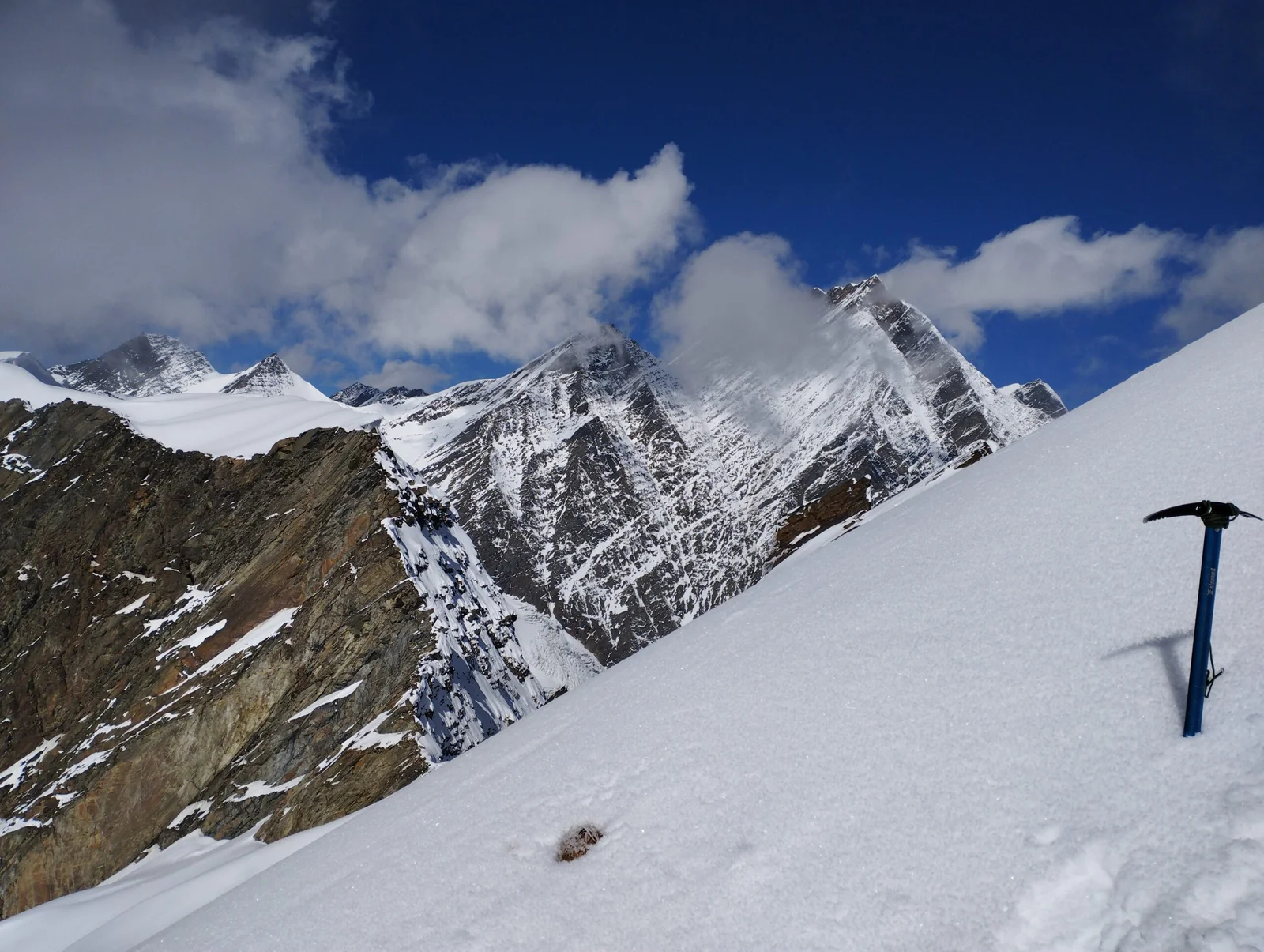 DifficultSummer, Autumn, Monsoon
Friendship Peak Expedition
Friendship Peak Expedition is a renowned trekking peak in the Pir Panjal range of the Indian Himalayas in Himachal Pradesh. The trek offers a rewarding high-altitude experience, making it ideal for seasoned adventurers.The trek is a 6N/7D journey that takes you through beautiful alpine meadows, dense forests, and rugged terrain, providing spectacular views of the surrounding peaks. Starting from the popular tourist destination of Manali, the trek offers stunning vistas of the Dhauladhar and Pir Panjal ranges, guaranteed to leave trekkers spellbound.The climb to the summit of Friendship Peak Trek involves navigating steep rocky slopes, narrow ridges, and a glacier. Hence, prior experience in high-altitude trekking is necessary. However, the summit offers a rewarding 360-degree panoramic view of the surrounding mountain ranges and valleys.The best time to embark on the Friendship Peak Expedition is from June to September when the weather is pleasant and the skies are clear. It offers a unique opportunity to experience the beauty of the Himalayas and create lasting bonds with fellow trekkers.The Friendship Peak Expedition is an excellent adventure for those seeking a new challenge or wanting to test their limits. With stunning views, challenging terrain, and the opportunity to meet like-minded people, this trek is an unforgettable adventure that should not be missed.Quick Facts:Friendship Peak Region: Manali, Himachal PradeshStart/End Point of Friendship Peak Trek: ManaliFriendship Peak Trek Duration: 6N/7DFriendship Peak Trek Distance: 24 KmFriendship Peak Trek Height: 17,346 FtFriendship Peak Trek Temperature: Day (0°C to 10°C) & Night (-10°C to -5°C)Friendship Peak Trek Best Time : May to OctoberIs there a Friendship Peak Wiki web page?Yes, there is be a dedicated Wikipedia web page that provides unique data approximately Friendship Peak, its place, geography, nice routes, camps, appropriate seasons, and distinct vital day trip information.Are there any Friendship Peak Trek blogs I can read?Yes, many experienced trekkers and mountaineers have documented their adventures on the Friendship Peak trek through wonderful blogs, photographs, films, and ride reports which offer amazing insights into the terrain, demanding situations, and normal experience. Reading these can help potential trekkers put together higher.How to Reach Friendship Peak Trek Basecamp – Manali?By Air: Manali is well-connected to major towns in India via air, street, and rail. The nearest airport is the Kullu-Manali Airport, which is located about 50 km from Manali. By Train: The closest railway station is Joginder Nagar, which is about one hundred sixty-five km from Manali. By Bus: One can reach Manali through the street with the aid of taking a bus or taxi from Delhi, Chandigarh, or different foremost cities in North India. The road adventure can take around 12-14 hours, depending on the visitors and street situations. Related Treks:Mt. Deo Tibba ExpeditionMoon Peak Expedition6 Nights 7 Days Available on request
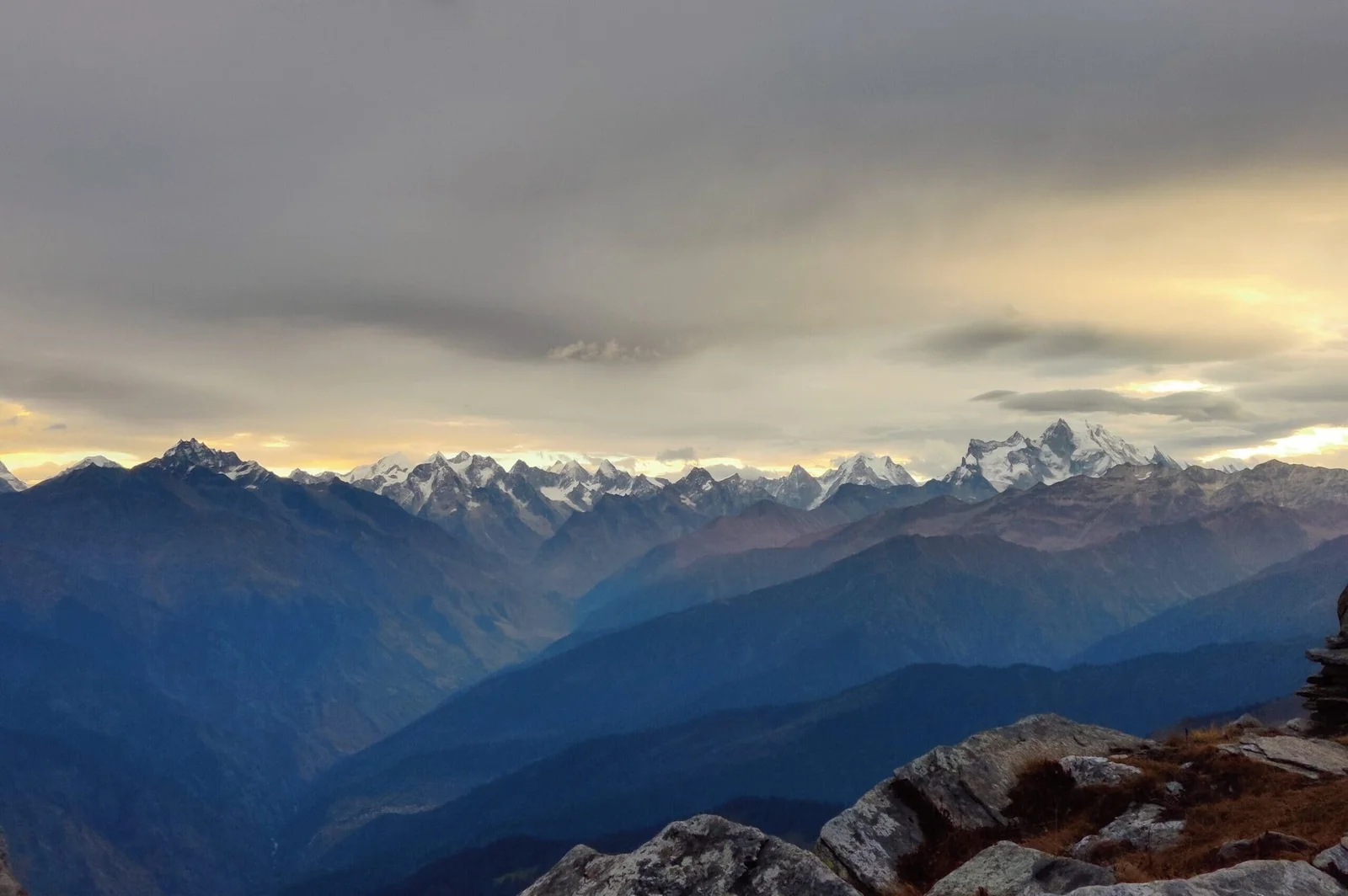 Easy-ModerateWinter, Spring
Kedarkantha Trek
Some treks challenge you. And then, some treks change you. Kedarkantha trek is one of those rare journeys that leave a mark on your soul long after the snow has melted. Rising gracefully to 12,500 ft in the heart of Uttarkashi’s Govind Pashu Vihar National Park, Kedarkantha is a name whispered by trekkers all over India, especially when winter arrives. Every December, when most trails hide under sheets of snow and the Himalayas fall silent, Kedarkantha comes alive with the crunch of boots, the sparkle of snow, and stories of adventure. It’s one of the few treks in India where you can walk through pine forests draped in white, camp beside a frozen lake, and stand atop a summit surrounded by a 360° view of snow-capped peaks, all within just a few days.What makes the Kedarkantha trek even more magical is how approachable it is. Whether you are trekking for the first time or returning for your tenth summit, Kedarkantha welcomes you like an old friend. It’s not just the destination, it’s the journey through Garhwal’s wilderness, the warmth of mountain villages, the glittering stars that outnumber your thoughts, and the unforgettable sunrise from the summit that feels like the Earth itself has paused to watch. Each step here tells a story of frozen trails, laughter around campfires, and moments when silence speaks louder than words. So pack your layers, lace up your boots, and set your eyes on the “Queen of Winter Treks in India”, because once you do Kedarkantha, winter will never feel the same again.The Magic of Kedarkantha TrekThere is something truly magical about Kedarkantha. As per legend, Lord Shiva once meditated here before moving to Kedarnath, a story that adds a divine calm to the mountain air. The frozen Juda Ka Talab, believed to have formed from a drop of Shiva’s hair, sits like a mirror under the stars, a sacred lake embraced by pines. At dawn, the Kedarkantha Peak glows gold as the first rays of sunlight touch the Swargarohini, Black Peak, and Bandarpunch ranges. Every moment, from your first step on the trail to that breathtaking summit sunrise, feels like you have stepped into the heart of a Himalayan dream. No wonder Kedarkantha trek is called the best winter trek in Uttarakhand; it’s a blend of myth, adventure, and magic.Quick Facts About Kedarkantha TrekLocation: Sankri, Uttarkashi district, UttarakhandDuration: 5 Days / 4 NightsKedarkantha Trek Distance: Approx. 20 kmMaximum Altitude: 12,500 ftDifficulty Level: Easy to Moderate (perfect for beginners)Base Camp: SankriTemperature Range:Day: 8°C to 15°CNight: -5°C to -10°C (during winter)Why Kedarkantha is the Best Winter Trek in India- Easily accessible from Delhi and Dehradun.- A perfect snow trek for beginners and adventure seekers alike.- Experience snow camping at Juda Ka Talab and Kedarkantha Base.- Witness Himalayan giants like Swargarohini, Bandarpoonch, and Black Peak.- Crystal-clear night skies and the best sunrise view in Uttarakhand from the summit.- Heavy snow blanket from December to March makes it ideal for winter photography.Best Time to Do Kedarkantha TrekThe best time for the Kedarkantha trek is from December to April, when the region transforms into a snowy wonderland or blooming meadows, depending on the month. December-January Weather: Heavy snowfall, freezing temperatures, crisp mountain airTemperature: Day 3°C to 8°C | Night -5°C to -10°CHighlights: Magical snow-covered trails, frozen lakes like Juda Ka Talab, ideal for snow lovers and photographersDifficulty: Moderate due to snow; suitable for beginners with proper layeringFebruary-MarchWeather: Lighter snow, sunny skies, clearer trekking pathsTemperature: Day: 5°C to 12°C | Night: -3°C to 2°CHighlights: Scenic winter landscapes, pleasant trekking conditions, stunning sunrise at the summitDifficulty: Beginner-friendly, perfect for first-time trekkersAprilWeather: Snow melts into green meadows, pleasant daytime temperaturesTemperature: Day 10°C to 15°C | Night 2°C to 5°CHighlights: Blooming flowers, vibrant Himalayan meadows, easy trekkingDifficulty: Easiest time for beginners and casual trekkersWhether you are exploring winter treks in India, looking for winter treks in Uttarakhand, or seeking the best winter treks for beginners, Kedarkantha remains one of the most scenic and rewarding Himalayan treks. So, pack wisely, carry warm layers, thermals, waterproof jackets, gloves, and insulated shoes.Why Kedarkantha Trek is a Photographer’s ParadiseThe Kedarkantha trail offers postcard-perfect frames at every turn:- Frozen Juda Ka Talab reflecting pine forests.- Sunrise at Kedarkantha Peak paints the Himalayas in pink and gold.- Star-studded skies over snowy campsites.- Villagers’ wooden homes are wrapped in white.- It’s easily one of the most photogenic winter treks in India.Kedarkantha Trek Himtrek Package – ₹5,548The Himtrek’s Kedarkantha trek package is priced at ₹5,548 per person, which includes:- Accommodation during trek (homestay + tents)- All vegetarian meals (breakfast, lunch, dinner)- Professional trek leaders and certified guides- Forest entry permits and camping equipment- First aid, oxygen cylinder, and safety support(Transportation from Dehradun to Sankri & back available at additional cost) Contact us to know more about other treks in India.Tips for Kedarkantha Trekkers- Carry 3-4 warm layers, including thermals, fleece, and jackets.- Wear insulated and waterproof trekking shoes for snow trails.- Keep a reusable water bottle and some energy snacks.- Use sunscreen, sunglasses, and lip balm for protection.- Bring a power bank and extra batteries for devices.- Travel light and keep essentials handy.Why Choose Kedarkantha Trek with HimtrekYou should choose the Kedarkantha trek with Himtrek because of various reasons, like:Certified guides and local experts for safe trekking.Clean campsites and first aid support for a worry-free trek.Comfortable accommodation with hot meals during the trek.24/7 assistance throughout the journey.Eco-friendly practices to protect the mountains.Trusted by thousands of trekkers across India.
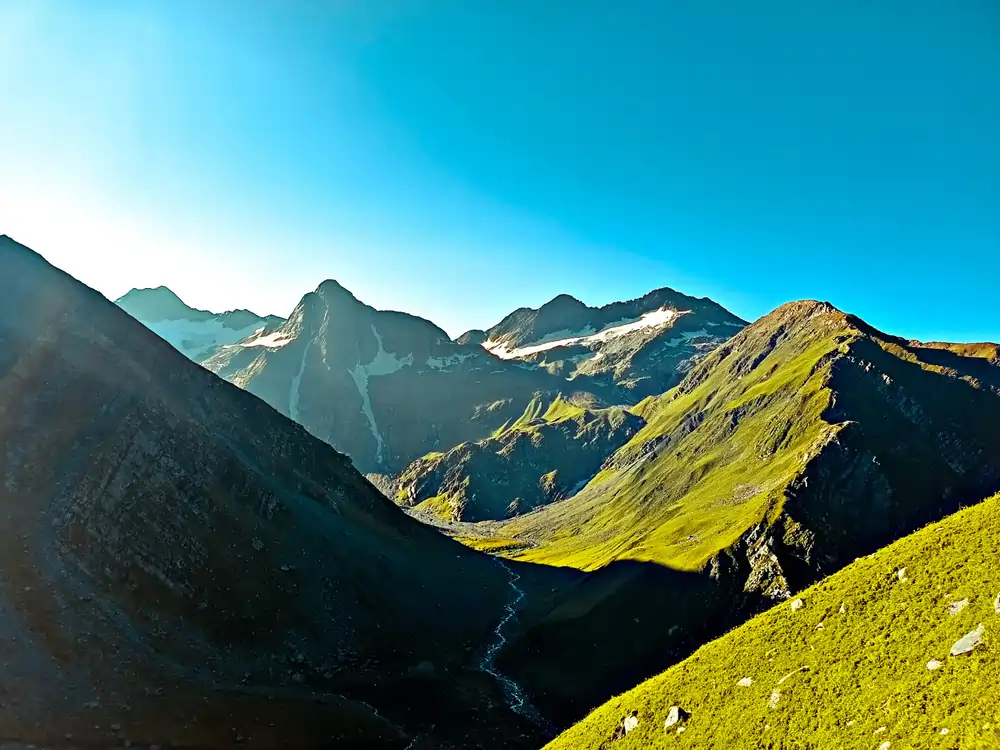 ModerateSummer, Monsoon, Autumn
Thamsar Pass Trek
Thamsar Pass trek in India, via Bir, Plachhak, and Panhartu, is a thrilling and adventurous route that takes you through the majestic Dhauladhar Range in the Kangra district of Himachal Pradesh. This particular variation of the trek adds an extra element of exploration and scenic beauty to the journey. The trek usually takes around 4N/5D days to complete, allowing trekkers to immerse themselves in the stunning landscapes and experience the local culture along the way.Starting from Bir, a popular paragliding destination, the trek follows a scenic trail that gradually ascends through dense forests, charming villages, and terraced fields. The trek’s first leg takes you to Plachhak, a serene village at around 2,700 meters. Plachhak is a picturesque base camp for trekkers, providing a tranquil setting for overnight camping.From Plachhak, the trail continues towards Panhartu, situated at approximately 3,300 meters. The route showcases the natural beauty of the region, with panoramic views of snow-capped peaks, meandering streams, and lush meadows. As you ascend, you may come across the traditional lifestyle of local shepherds and experience their warm hospitality.The next phase of the trek involves reaching Panhartu and crossing the challenging Thamsar Pass, located at an altitude of 4,950 meters. The pass offers breathtaking views of the surrounding mountains and valleys, rewarding trekkers with a sense of accomplishment. The trek requires careful navigation through rocky terrain, and trekkers should be well-prepared and acclimatized to the high altitude.After crossing Thamsar Pass, you return to the beautiful Panhartu Valley, known for its picturesque landscapes and pristine alpine lakes. The trail takes you through lush meadows, dense forests, and vibrant wildflowers, creating a surreal setting. Camping near the serene lakes is a memorable experience, allowing you to connect with nature and unwind amidst the tranquil surroundings.The Thamsar Pass trek via Bir, Plachhak, and Panhartu is considered moderately challenging. It is essential to have proper gear, including sturdy trekking shoes, warm clothing, and camping equipment.This trek offers a unique blend of adventure, natural beauty, and cultural encounters. It allows trekkers to explore the lesser-known trails of the Dhauladhar Range, witness the traditional lifestyle of local communities, and be mesmerized by the awe-inspiring vistas along the way. The Thamsar Pass trek via Bir, Plachhak, and Panhartu promises an unforgettable journey that will leave you with lasting memories of the enchanting Himalayan region.Quick Facts:Region: Kangra ValleyStart Point of the Trek: BirEnd Point of the Trek: RajgundhaDuration: 5D/4NThamsar Pass Trek Height: 15,748 feetThamsar Pass Trek Difficulty Level: ChallengingBest Time to do Thamsar Pass Trek: June to October.How to Reach?Thamsar Pass trek starts from Bir, which is 70 km from Dharamshala. To reach Bir, you can choose from any of the following transport options –By Road –Bir is well-connected by road and can be reached by buses or taxis from various nearby cities and towns. The distance between Delhi and Bir is approximately 525 kilometers (326 miles). You can take a bus or hire a taxi from Delhi to Bir. The journey takes around 11-12 hours. Bir is located about 70 kilometers (43 miles) from Dharamshala. Regular bus services are available from Dharamshala to Bir, and the journey takes approximately 3-4 hours.By Train –The nearest railway station to Bir is Pathankot Railway Station, which is approximately 145 kilometers (90 miles) away. From Pathankot, you can take a taxi or bus to Bir. The journey from Pathankot to Bir takes around 4-5 hours by road.By Air –The closest airport to Bir is Gaggal Airport, also known as Kangra Airport, located near Dharamshala. It is approximately 70 kilometers (43 miles) away from Bir. Several domestic airlines operate regular flights from major Indian cities like Delhi and Mumbai to Gaggal Airport. From the airport, you can hire a taxi or take a bus to reach Bir, which takes around 2-3 hours.4 Nights 5 Days Available on requestKindly review the Terms and Conditions before proceeding with your booking.
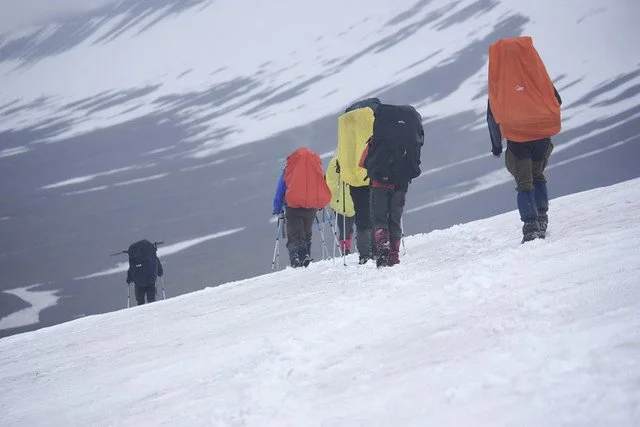 ModerateMonsoon, Summer, Autumn
Minkiani Pass Trek
The Minkiani Pass in India is thrilling and picturesque adventure that takes you through stunning landscapes, remote mountain villages, and high-altitude passes.Nestled in the enchanting state of Himachal Pradesh, this trek offers a unique opportunity to immerse yourself in the natural beauty of the Indian Himalayas and experience the true essence of adventure.The Minkiani Pass Trek reaches a maximum altitude of approximately 4,400 meters (14,436 feet) and is considered to have a moderate to difficult difficulty level. It is an ideal choice for experienced trekkers who are seeking an off-the-beaten-path experience and are ready to embrace the challenges that come with it.Starting from the charming town of McLeod Ganj, which serves as a gateway to the Himalayas, the trek takes you on a journey of exploration and self-discovery. From McLeod Ganj, you’ll make your way to Kareri Village, a quaint and picturesque settlement nestled at an altitude of around 1,800 metres (5,905 feet). This serves as the base for your adventure and offers a glimpse into the local way of life.As you venture deeper into the trek, you’ll be captivated by the breathtaking beauty of the region. The trail leads you through dense forests, vibrant meadows, and gushing streams, allowing you to witness the rich biodiversity and stunning natural wonders of the area. Passing through quaint Himalayan villages, you’ll have the opportunity to interact with the warm and hospitable locals, gaining insights into their unique culture and way of life.One of the highlights of the Minkiani Pass Trek is the majestic Kareri Lake, situated at an altitude of approximately 2,950 metres (9,678 feet). This glacial lake, with its crystal-clear waters reflecting the surrounding snow-capped peaks, offers a tranquil and awe-inspiring setting for camping overnight. The serene atmosphere and the panoramic views of the mountains create an unforgettable experience.Continuing further, the trek takes you to the Minkiani Pass Base Camp, nestled at an elevation of around 3,500 metres (11,483 feet). This phase of the trek presents challenging terrains, including alpine meadows, rocky trails, and moraines, testing your endurance and determination. The base camp rewards you with stunning vistas of the Dhauladhar Range and the Kangra Valley, leaving you in awe of the majestic Himalayan landscape.The highlight of the trek awaits as you ascend to Minkiani Pass, standing tall at approximately 4,400 metres (14,436 feet). The panoramic views from the pass are simply breathtaking, with vast stretches of snow-covered peaks and deep valleys stretching as far as the eye can see. It is a moment of triumph and a well-deserved reward for the efforts put into the trek. Quick Facts:Region: Kangra Valley, Himachal PradeshStart/ End Point of the Trek: McleodganjDuration: 4D/3NMinkiani Pass Trek Height: 13,950 ftMinkiani Pass Trek Distance: 48 kmMinkiani Pass Trek Difficulty Level: Moderate to ChallengingBest Time to do Minkiani Pass Trek: March to October.How to Reach Basecamp?To reach McLeodGanj, the starting point for the Minkiani Pass trek, you can choose to travel by air, road, or train. Here are the different transportation options available:By Air: The nearest airport to McLeod Ganj is Gaggal Airport, also known as Kangra Airport or Dharamshala Airport. It is located approximately 15 kilometres (9.3 miles) away from McLeod Ganj. Several domestic airlines operate regular flights to Gaggal Airport from major cities like Delhi and Chandigarh. From the airport, you can hire a taxi or take a pre-booked cab to reach McLeodGanj, which is about a 45-minute drive.By Road: McLeod Ganj is well-connected by road, and you can reach there by bus, taxi, or self-driven vehicle. The most common route is from Delhi, which is approximately 480 kilometres (298 miles) away and takes around 10 to 12 hours by road. You can take a direct overnight bus from Delhi to McLeod Ganj, or you can hire a taxi or drive your own vehicle. The roads are generally in good condition, and the journey offers scenic views of the mountains and valleys.By Train: The nearest major railway station to McLeod Ganj is Pathankot Railway Station, located approximately 90 kilometres (56 miles) away. Pathankot is well-connected to various cities in India, including Delhi, Mumbai, Kolkata, and Amritsar. From Pathankot, you can hire a taxi or take a shared taxi or bus to reach McLeodGanj. The journey takes approximately 3 to 4 hours, depending on the traffic and road conditions.3 Nights 4 Days Available on requestKindly review the Terms and Conditions before proceeding with your booking.
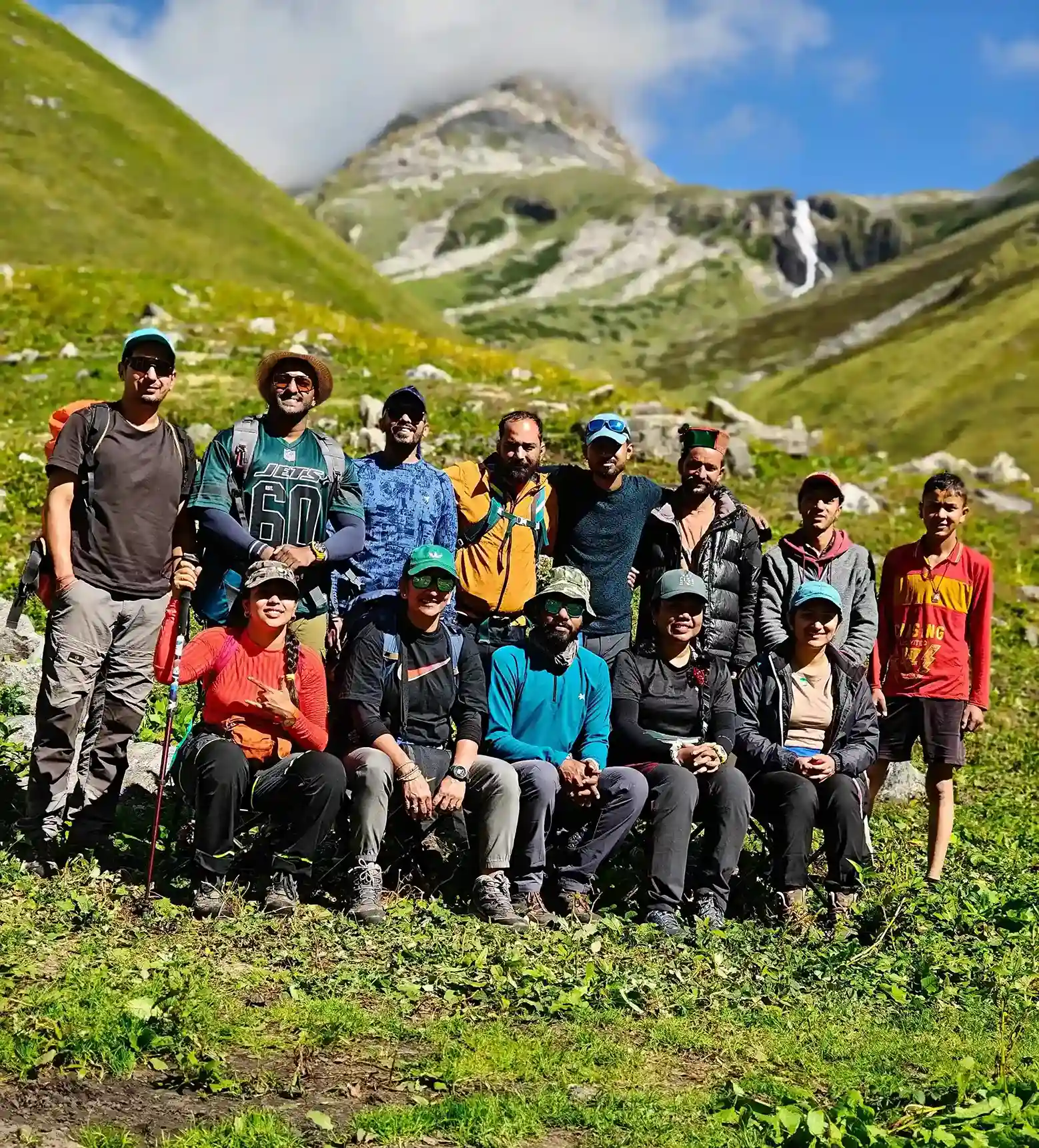 ModerateAutumn, Summer, Monsoon
Buran Ghati Trek
Buran Ghati Trek is a popular hiking trail in India located in the state of Himachal Pradesh.It is a challenging trek that takes you through some of the most beautiful and remote regions of the Himalayas, providing stunning views of snow-capped mountains, lush valleys, and sparkling streams.The trek has gained popularity among adventure enthusiasts due to its high-altitude terrain, which involves a steep climb, narrow ridges, and a glacier crossing.The Buran Ghati trek starts from Janglik village, which is accessible from Shimla, the capital of Himachal Pradesh. The trail passes through dense forests of oak and pine, and the flora and fauna of the region are truly remarkable.As the trek proceeds, you will come across the beautiful Kinnaur Kailash range, which is sacred to Hindus and Buddhists.The highlight of the Buran Ghati trek is the Buran Pass, which is located at an altitude of 15,000 ft above sea level. It is a challenging climb to the pass, but the stunning views from the top are worth the effort.The trek also involves crossing a glacier, which is a thrilling experience for adventure enthusiasts. The trek’s main attraction is a glacier lake considered holy by the locals, which remains frozen for most of the year.The best time to undertake the trek is from May to early July & mid-September October when the weather is pleasant and the trails are accessible. The trek lasts for 6 nights and 7 days, covering approximately 37 km. It offers a moderate to challenging difficulty level, and we recommend it only for experienced trekkers.Overall, the Buran Ghati trek is an unforgettable adventure that takes you through some of the most breathtaking landscapes of the Himalayas. It is a must-do for those seeking a thrilling and challenging trekking experience in India.Quick Facts:Region: Shimla, Himachal PradeshStart Point of the Buran Ghati Trek: JanglikEnd Point of the Buran Ghati Trek: Brua VillageDuration: 7D/6NTrek Height: 15,000 ftDistance: 37 kmDifficulty Level: Moderate to DifficultTemperature: 17° C to -5° CBest Time to do Buran Ghati Trek: Mid-May to early July & mid-September to mid-OctoberHow to Reach starting point of Buran Ghati Trek?The meeting point is Shimla which is very well connected to major cities. These are the following routes that can be taken to reach Shimla:By Air:The closest domestic airport serving this scenic hill station is Shimla Airport, also known as Jubbarhatti Airport, which is located around 20 kilometres from the city. Regular flights are available to Shimla from places like Chandigarh and New Delhi.By Road:With surrounding towns like Chandigarh (115 km), Dehradun (230 km), and New Delhi (350 km), Shimla has strong national highway access. Travellers and weekenders love to drive to this charming hill town, and it would be a great idea to go from Delhi to Shimla.Shimla is connected to its surrounding towns and cities by a multitude of bus routes, including those run by the Himachal Road Transport Corporation (HRTC) and by private bus companies.By Train:The closest railway station linking Shimla to nearby Indian cities is Kalka, which is located about 96 kilometres away. Trains to Kalka Railway Station depart frequently from New Delhi and Chandigarh.More Treks in Himachal Pradesh:-Kedarkantha Trek, UttarakhandPin Parvati Pass Trek6 Nights 7 Days Available on requestKindly review the Terms and Conditions before proceeding with your booking.
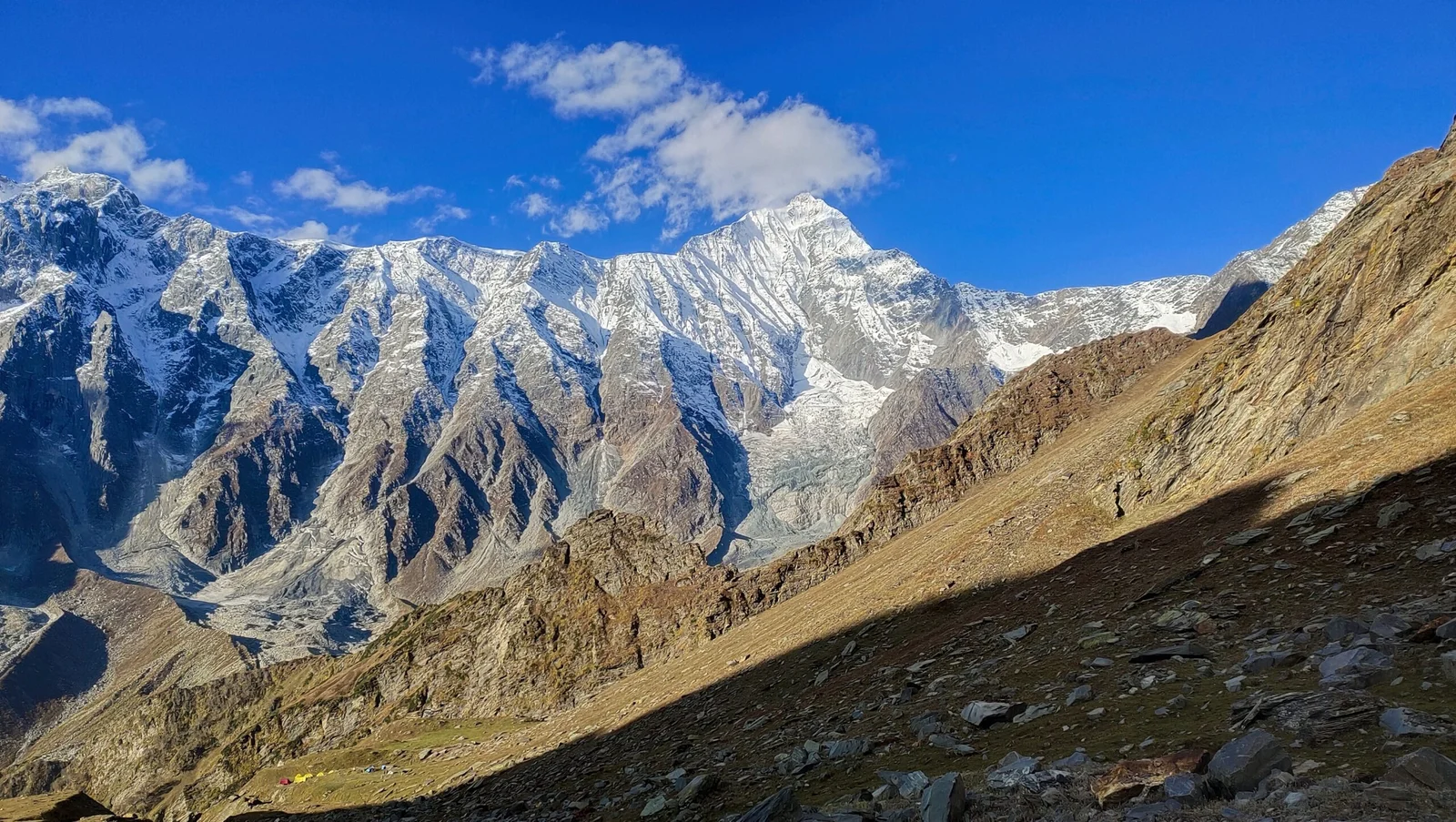 DifficultSummer, Monsoon, Autumn
Pin Bhaba Pass Trek
Pin Bhaba Pass Trek is a popular trekking route in the northern Indian state of Himachal Pradesh. The Pin Bhaba Pass Trek connects the desolate, chilly, and dry Pin Valley in Spiti with the lush, dynamic Bhaba Valley in Kinnaur. It is a high altitude trek that takes you through picturesque valleys, dense forests, gushing rivers, and high mountain passes. The trek is moderately difficult, and trekkers typically complete it in around 6 days . The Pin Bhaba trek begins in the quaint little Himalayan village of Kafnu (2,400 metres) in the Kinnaur Valley, climbs to a height of 4,915 metres, and then descends the other side to a small village in Spiti called Mudh (3,810 metres). The route passes through some of the most remote and off-beat areas of the region, offering breathtaking views of the surrounding Himalayan ranges. The trek involves crossing the Pin Bhaba Pass, which stands at an altitude of 16,105 feet, and requires a high level of fitness and endurance. The pass sits at the junction of two valleys – Pin and Bhabha – and provides stunning panoramic views of the surrounding peaks.The trail takes you through several remote villages, including Mulling, Karah, and Phustirang, where you can interact with the locals and experience their unique culture and traditions. You will also get to see the varied flora and fauna of the region, including rare Himalayan flowers and animals like the Himalayan black bear and musk deer. Additionally, when you move from one side of the mountain to the other, it shows you to two separate Himalayan cultures, including their ways of life, housing designs, and way of life. On this adventure, you will see the absolute revelation that communities and cultures are a product of their surroundings. The best time to undertake the Pin Bhaba Pass trek is from May to October when the weather is mild and favourable for trekking. However, it is advisable to check the weather conditions beforehand as the region is prone to sudden changes in weather. Overall, the Pin Bhaba Pass trek is an incredible journey that offers a perfect blend of adventure, natural beauty, and cultural experience, making it a must-do trek for any avid trekker.Quick Facts:Region: Kinnaur Start Point of the Trek: Shimla End Point of the Trek: Kaza Duration: 6D/5N Trek Height: 16,125 ft Pin Bhaba Pass Trek Distance: 60 km Pin Bhaba Pass Trek Difficulty: Difficult Pin Bhaba Pass Trek Temperature: Day (5°C to 10°C) and Night (-1°C to -5°C)Can we Rent Equipment for the Trek?Himtrek does provide easy accessibility to almost all types of equipment required for the trek on a rental basis with reasonable prices and extremely good quality. The equipment can be arranged on prior notice.How is the weather During the Trek?The temperature of the Pin Bhaba Pass trek ranges from 5 to 10 °C during the day and, not surprisingly, drops to -1 to -5 °C at night. Rain will occasionally fall, although the timing is unpredictable.What’s the Difficulty Level of the Trek?The Pin Bhaba Pass trek is rated as a challenging trek since it involves a significant elevation change from 7878 feet to roughly 16100 feet over the course of four days. Additionally, it is difficult to go through desolate areas, continuous forest routes, water bodies and bridges, valleys and villages, gradually difficult ascends, etc. What is the Trek Distance and Height? The 60 km trek itself traverses through extensive stands of lush woods alongside the Bhabha river. The trek can be completed in 6 days in total. The highest point of the trek lies at 16,125ft altitude from the sea level.How to Reach Basecamp?Shimla is the meeting point for the trek. You can reach Shimla by the following means- By Air: The closest airport is Jubbarhatti, which is around 23 kilometres from the town. From Jubbarhatti, there are frequent flights to Chandigarh and Delhi. To get to Shimla, you can easily take a taxi from the airport. By Road: Shimla is connected to the major cities in North India by a number of bus services, including those provided by the Himachal Road Transport Corporation and by private operators. Manali is 260 kilometres away, Chandigarh is 117 kilometres away, and Delhi is 343 kilometres away. You can board an overnight luxury air-conditioned bus from ISBT Kashmiri Gate if you’re travelling from Delhi. By Train: Shimla’s small train station, which connects to Kalka through a narrow gauge rail line, is barely one kilometre from the town’s heart. The 96-kilometre journey between Kalka and Shimla can be covered by the world-famous Shimla toy train in roughly 7 hours. The closest rail hub is Kalka, which has regular train service to Chandigarh and Delhi. Take the Kalka Shatabdi, which travels via Chandigarh from New Delhi Railway Station to Kalka Railway Station.Planning Your TrekPin Bhaba Pass Trek Package:Himtrek gives quite a few Pin Bhaba Pass Trek packages designed to cater to unique wishes and budgets. These all-inclusive applications commonly cowl: Accommodation: Choose from cushy guesthouses in villages or well-equipped tenting preparations all through the trek. Meals: Delicious and nutritious meals organized fresh every day to gasoline your journey. Permits and Entrance Fees: We cope with obtaining all essential permits for the trek. Experienced Guide: Trek with an authorized and informed manual that guarantees your safety and navigates the path expertly. Support Staff: Our dedicated guide group of workers helps with putting in camps, portering offerings (if opted for in the package deal), and making sure a clean trek revels in. Transportation: Transportation to the place to begin the trek is commonly included in maximum applications. Explore our Pin Bhaba Pass Trek programs on our website and choose the only one that high-quality fits your requirements. We also offer the flexibility to customize your revel in with add-on services like renting tenting gadgets or hiring non-public porters.Pin Bhaba Pass Trek Blog:Immerse yourself inside the world of the Pin Bhaba Pass Trek with our informative blog. Find: Thrilling stories: Read charming testimonies from past trekkers who proportion their stories, giving you a digital flavor of the journey. Practical recommendation: Get precious pointers on getting ready for the trek, from packing essentials to health training guidelines and acclimatization strategies. Stunning visuals: Feast your eyes on breathtaking pics that show off the various landscapes and splendor of the Pin Bhaba Pass vicinity.Pin Bhaba Pass Trek ItineraryA properly defined itinerary is vital for making plans for your trek. Our Pin Bhaba Pass Trek itinerary usually outlines: Day-with the aid of-day Schedule: Get a clear understanding of the day-to-day hikes, distances covered, tenting locations, and deliberate spots. Acclimatization Days: The itinerary contains acclimatization days to allow your body to get adjusted to the high altitude effectively. Best Time to do Pin Bhaba Pass Trek: June to OctoberPin Bhaba Pass Trek Best TimeThe Pin Bhaba Pass can be hiked anytime from May to October, but the optimum time for the Pin Bhaba Pass trek is right after the monsoon season, which lasts from June to August. Even though May does not have monsoon showers, the route can still be covered with snow, which makes the path treacherous and difficult to climb.Pin Bhaba Pass Trek in June / Pin Bhaba Pass Trek AugustJune to September is usually the best time to go on the Pin Bhaba Pass Trek. During those months, you may count on: Clear Skies: Minimal possibilities of rain and clear skies provide better visibility of the encircling surroundings. Comfortable Temperatures: Enjoy nice weather conditions for trekking. Manageable Snow: The amount of snow on the trail is commonly bearable during this time.Pin Bhaba Pass Trek Height / Pin Bhaba Pass Trek AltitudeThe Pin Bhaba Pass Trek is rated as a moderate to hard trek because of numerous factors: High Altitude: The trek reaches a most height of about four,900 meters (16,000 ft), so a terrific stage of physical fitness and right acclimatization are essential. Steep Ascents and Descents: The path consists of sections with challenging climbs and descents that require staying power and exact balance. Varied Terrain: Be organized for numerous terrains, along with rocky paths, unfastened gravel, and choppy surfaces.Pin Bhaba Pass Trek SoloWhile the Pin Bhaba Pass Trek may be executed solo, it is noticeably advocated to trek with a manual or a set for safety motives, specifically for first-time trekkers within the Himalayas. A skilled manual can navigate the course, offer help in case of emergencies, and ensure a greater enjoyable and stable level.Pin Bhaba Pass Trek MapA detailed Pin Bhaba Pass Trek map is a precious device for visualizing your route. These maps generally illustrate: The Entire Path: Gain a clear knowledge of the beginning and give up factors, campsites, and noteworthy landmarks along the trek. Distances: Plan your each-day hikes with estimated distances between campsites. Elevation Profile: Visualize the altitude changes for the duration of the trek to put together for climbs and descents. Ready to embark on this unforgettable journey? Contact Himtrek’s professional crew nowadays to book your Pin Bhaba Pass Trek and triumph over the majestic Himalayas! 5 Nights 6 Days Available on request Kindly review the Terms and Conditions before proceeding with your booking.
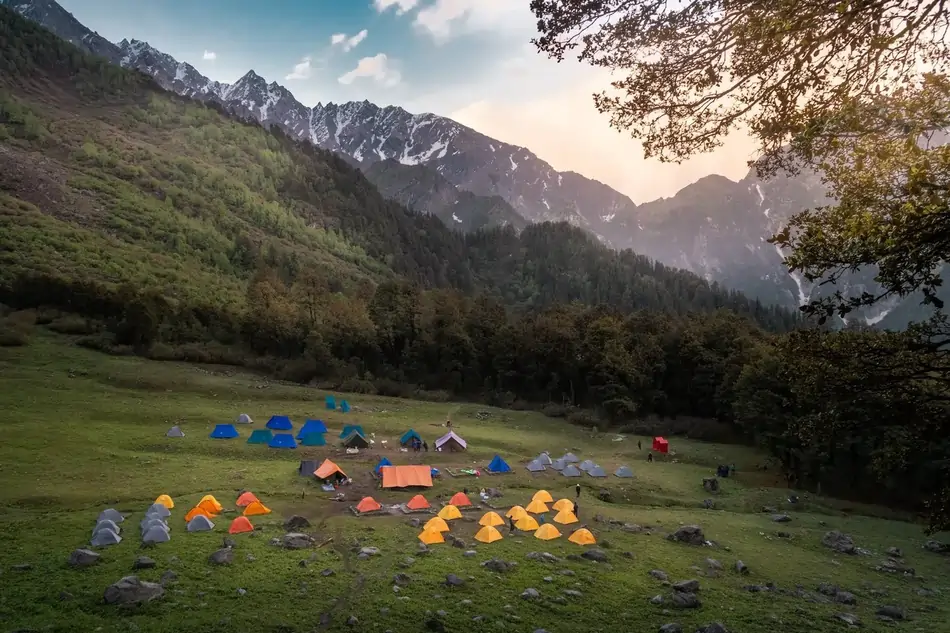 ModerateSummer, Spring, Autumn
Sar Pass Trek
The Sar Pass Trek is a highly popular trekking route in the Parvati Valley of Himachal Pradesh, India, attracting adventure enthusiasts and nature lovers from all over the world. The trek is moderately difficult, making it accessible to those with a reasonable level of fitness and experience.The trek takes you through dense forests of pine, oak, and deodar trees, pristine meadows dotted with colorful wildflowers, and charming villages where you can interact with the locals and learn about their way of life.The Sar Pass Trek offers breathtaking views of the snow-capped Himalayan range, leaving you spellbound as you trek through some of the most beautiful landscapes in the region, with majestic peaks rising all around you. The trek starts in Kasol and passes through Grahan, a quaint village with apple orchards and wooden houses, a beautiful campsite surrounded by dense forests and towering mountains.Next, you’ll reach Nagaru, known for its stunning views of snow-capped mountains, and then trek to Biskeri Thatch, a picturesque meadow with rare and exotic flora and fauna. Finally, you’ll cross the Sar Pass at 4,220 metres above sea level to end in Barsheni. Sar Pass Trek takes 4 nights and 5 days to cover approximately 48 km. The best time for comfortable trekking and breathtaking Himalayan views is from April–June. From September–November, the Sar Pass Circuit isn’t open, but you can still experience the adventure with a Kasol Winter trek. Avoid the monsoon season – July to August due to risk of landslides and flash floods.Immerse yourself inside the wealthy cultural tapestry of the Himalayas. Interact with locals, savor scrumptious cuisine, and admire their manner of existence. Embrace camping in the wasteland, stargazing, and reconnecting with nature. In essence, the Sar Pass Trek is an unforgettable adventure.Quick FactsRegion: Kasol, Himachal PradeshSar Pass Trek Start/End Point: KasolSar Pass Trek Duration: 5 Days /4 NightsSar Pass Trek Distance: 48 KmSar Pass Trek Altitude: 13,850 Ft. (Sar Pass Trek Height)Sar Pass Trek Temperature: Day (15°C to 20°C) & Night (5°C to 7°C)Sar Pass Trek Best Time : April to June (perfect) & September to NovemberUnveiling the Enchanting Journey: The Sar Pass Trek RouteSar Pass Trek unfolds its magic through a charming route and numerous landscapes.Day 1: Kasol to Grahan Village (5-6 hours trek)Day 2: Grahan Village to Min Thach (4-5 hours trek)Day 3: Min Thach to Nagaru (3-4 hours trek)Day 4: Nagaru to Biskeri Thatch via Sar Pass (8-9 hours trek)Day 5: Biskeri Thatch to Barsheni and Return to Kasol (3-4 hours trek)Beyond the Himalayas: Exploring the Best Trekking Places in IndiaIndia gives various panorama and a plethora of trekking destinations for each adventure.Hampta Pass Trek: A mild trek traversing the Pir Panjal variety, from lush valleys to high-altitude meadows. The spotlight is conquering Hampta Pass, with perspectives of Chandra Valley and the Dhauladhar variety.Pin Parvati Pass Trek: A tough epic adventure through dramatic landscapes, glaciers, meadows, and excessive-altitude passes. It culminates in accomplishing the scenic Spiti Valley.Bhrigu Lake Trek: A slight trek searching for scenic beauty and quietness. Explore wildflower meadows, alpine lakes, the turquoise Bhrigu Lake, and a sacred Hindu mythology spot.Triund Trek: A clean to mild trek with breathtaking views of the Dhauladhar range. Camp underneath starry skies and explore wildflower meadows. A famous desire for novices and households.Beas Kund Trek: A moderate trek through villages, lush valleys, and ultimately to the supply of the Beas River, the glacial Beas Kund lake amidst stunning mountain scenery.These extremely good treks exhibit that Himachal Pradesh is a trekker’s paradise, with numerous landscapes starting from snow-capped peaks to verdant valleys.Sar Pass Trek Height: Reaching for Breathtaking ViewsSarPass Trek boasts a peak of about 4200 meters (13,799 ft). It gives trekkers stunning panoramic views of the Himalayan landscape, along with the Parvati Valley, Tosh Valley, and peaks of the Greater Himalayas.Reaching the summit affords a feeling of accomplishment and awe as you are walking within the vastness of the mountains. However, it is crucial to acclimatize nicely for higher altitudes.How to Reach Sar Pass Base Camp (Kasol)By Air: The nearest airport is Bhuntar (31 km), with taxis/buses to Kasol.By Train: Joginder Nagar Railway Station (144km), with taxis/buses to Kasol.By Bus: From Delhi and Chandigarh, there are bus connections to Kasol. From the nearby Bhuntar, you may take local shipping to Kasol.Packing List for a snug and secure Sar Pass Trek:Clothing: Sturdy hiking shoes, thermals, jackets, trousers, t-shirts, hats, shades, and gloves.Backpack: 40-50 liter capability is appropriate.Trekking essentials: Poles, headlamps, water bottles, purification tablets, whistle, sunscreen, insect repellent.Optional: Camera, strength bank, gambling playing cards, notebooks.Treks in Himachal Beyond the Sar Pass TrekTriund Trek: A mild trek presenting perspectives of the Dhauladhar variety. A scenic choice after the Sar Pass Trek.Hampta Pass Trek: A moderate venture traversing various landscapes from forests to moonscapes, culminating at a high-altitude pass.Beas Kund Trek: A religious journey to the supply of the Beas River, surrounded by peaks and serene meadows.Bhrigu Lake Trek: A distinctly smooth trek to the scenic Bhrigu Lake, nestled amidst wildflower meadows, imparting a picturesque breakout.Himachal Camping Adventure Awaits After the TrekExtend your leave and discover the camping beauty around Kasol after concluding the Sar Pass Trek. Numerous campsites amidst nature provide the proper opportunity to unwind after the challenging trek. Wake up to the sound of gushing rivers, and chirping birds, and find yourself surrounded through the majestic Himalayas.Kasol Adventure Camps like Himtrek Riverside Camps Kasol provide cushy tents and cottage accommodations. Savor clean nearby delicacies and spend evenings around the bonfire, sharing stories under the starry sky.Ready for a lifetime adventure? Camp within the Himalayas with Himtrek and enjoy Himachal’s splendor. Contact them for your dream trekking in the Himalayas or Himachal camping revel in!
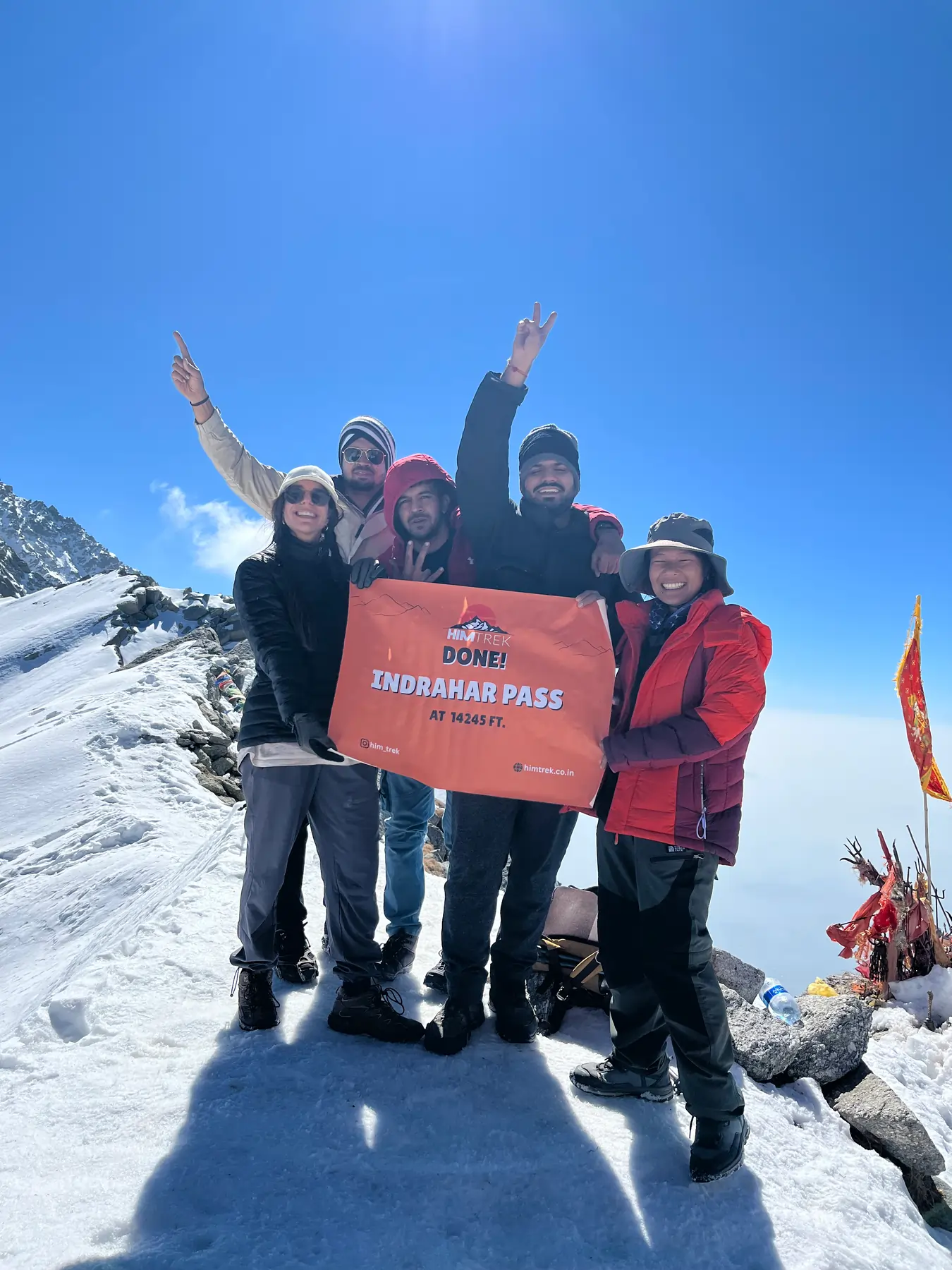 ModerateSummer, Monsoon, Autumn
Indrahar Pass Trek
Indrahar Pass Trek is a popular trekking destination situated in the Dhauladhar range of the Himalayas – Himachal Pradesh.The trek starts from McLeodganj and takes you through beautiful forests, streams, and meadows before reaching the Indrahar Pass, which offers stunning views of the Himalayan peaks.The trek is moderate to difficult and covers a distance of around 35 kilometres over a period of 4 days. The best time to undertake the trek is from May to October when the weather is pleasant and the skies are clear.The trail passes through several small villages, giving trekkers a chance to interact with the locals and experience their culture.The trek begins with a steep climb through dense forests of oak and rhododendron. The trail then opens up to a beautiful meadow of Triund, which serves as a base camp for the trek.From Triund, the trail leads to Lahesh Cave and then to Indrahar Pass. The pass is situated at an altitude of 4,342 metres and offers panoramic views of the Dhauladhar and Pir Panjal ranges.Indrahar Pass Trek on its own is a challenging yet rewarding trek that offers stunning views of the Himalayan peaks and a chance to experience the local culture of Himachal Pradesh. Quick facts:Region: Mcleodganj, Himachal PradeshStart/End Point of Indrahar Pass Trek: DharamkotDuration of Indrahar Pass Trek: 3N/4DIndrahar Pass Trek Distance: 35 KmIndrahar Pass Trek Height: 14,245 FtTrek Temperature: Day (10°C to 20°C) and Night (5°C to 10°C)Best Time to Trek Indrahar Pass Trek: March to OctoberBest Time to Visit Indrahar Pass?The best time to visit Indrahar Pass is from May to October, when the weather is pleasant and the snow has melted, allowing for safe trekking. However, the ideal time to visit would be in June and September, when the skies are clear, and the views of the surrounding mountains are breathtaking.How Difficult is Indrahar Pass Trek?The Indrahar Pass trek is considered to be a challenging trek, suitable for experienced trekkers with a good level of fitness. The trek is 4 days long, covering a distance of approximately 35 Km with steep ascents and descents.The trail includes rocky terrain, narrow paths, and some sections of snow. Altitude sickness can also be a concern, as the pass is situated at an elevation of 4,342 metres. Adequate acclimatisation and proper gear are essential for a safe and enjoyable trek.How is the Weather During the Indrahar Pass Trek?The weather during the Indrahar Pass trek varies depending on the season. In the summer months from May to June, the weather is generally pleasant, with clear skies and moderate temperatures during the day.However, temperatures can drop sharply at night, so warm clothing is necessary.Monsoon season starts in July and lasts until September, bringing heavy rainfall and fog, making the trek challenging and risky.October onwards, the weather becomes dry and clear, with cold temperatures and occasional snowfall.How to Reach Triund Basecamp – Dharamkot?By Air: The nearest airport is Gaggal Airport in Dharamshala, which is around 18 kilometres (11 miles) away.By Train: The nearest railway station is Pathankot Railway Station, which is around 90 kilometres (56 miles) away. From Dharamshala or McLeodGanj, you can take a taxi or local bus to reach Dharamkot.By Bus: You can also take a direct bus from Delhi or Chandigarh to Dharamshala or McLeodGanj, and then hire a taxi or take a local bus to reach Dharamkot.
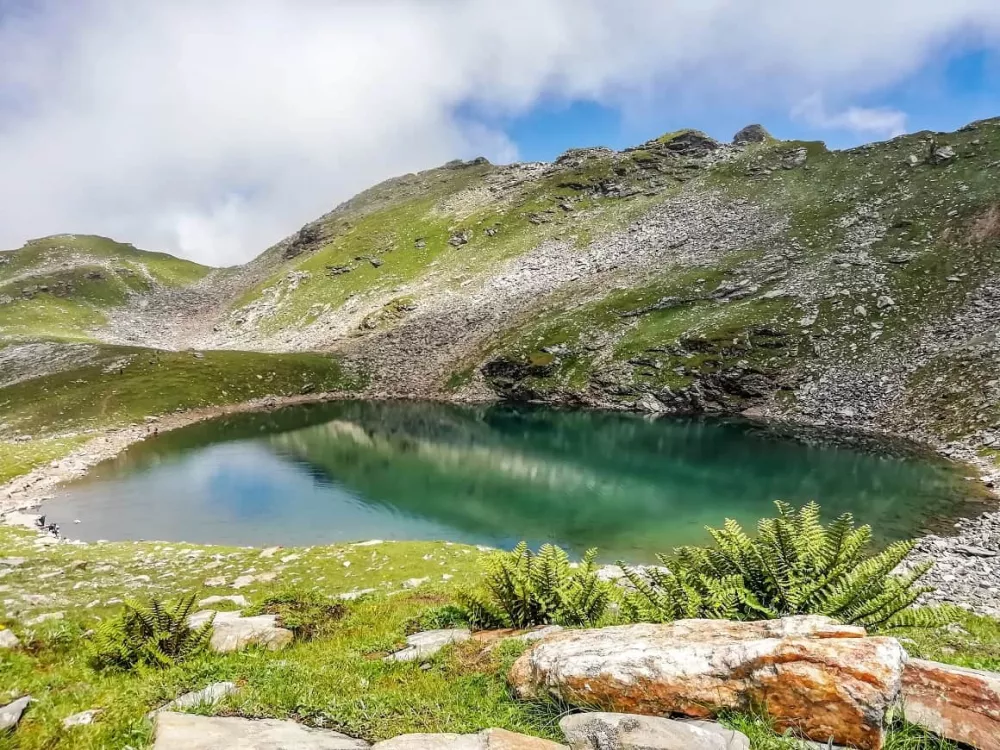 ModerateSummer, Monsoon
Bhrigu Lake Trek
Bhrigu Lake is a high-altitude lake, located at a height of 14,100 feet. The oval-shaped glacial lake, situated near Rohtang Pass, makes it the ideal location for thrilling adventures. A high-altitude alpine lake, lush meadows, and everything your heart has desired await you on the Bhrigu Lake Trek in Manali, one of the most alluring short hikes in the Himalayas.Bhrigu lake got its name from the name of the Sage Bhrigu. The villagers claim that Sage Bhrigu used to meditate next to the lake, which is how the lake earned its name. With each passing season, the captivating lake’s colors change, adding to its spectacular grandeur. It turns emerald green in the late summer and turns blue in the summer, which is a beautiful sight to witness. The trek takes you through Kulang. Further, you will proceed to Moridugh a village covered in snow blankets. You’ll pass through pristine forests and verdant, luscious landscapes.Bhrigu Lake is a high altitude place in Kullu district Himachal Pradesh, India. A beautiful hiking course through grasslands Beautiful valley leading up to an oval shaped lake that seems to be changing Colors according to the season. which is considered one of the best places to trek in India. Witness the tranquil environment There are fascinating moments around the lake.Trek starts from Kulang, a heavenly village with lush greenery and breath-taking views While enjoying stunning views of pine forests and the majestic Himalayas, Mountain view. Moridugh is an excellent pre-base camp for trekking Bhrigu Lake. Breath-taking views during night camping at Moridugh, Bringing to life the moment when the sky is lit up with millions of lights Shining stars.A great place for travel freaks and photography enthusiasts. People should take the chance to be spectators, because this is one of them. The most beautiful hiking trails in Manali.. Bhrigu Lake trek is one of the places to trek in Manali and is a popular trekking in Manali destination. It is also one of the trekking places near Manali and a must-visit place to visit in Himachal Pradesh for trekkers and nature lovers alike.If you are thinking of a 3-day trek from Delhi to Himachal Pradesh, Brigu Lake should be in your itinerary. This is the best place for trekking and there are many Himachal trekking places near by manali routes that will enhance your experience. It is also one of the best places for trekking in India with its unmatched peace and beauty. It is recommended to go to Manali in April as the weather is pleasant and the blooming of flowers adds charm to your trip.This three-day trek to Bhrigu Lake will offer you unmatched, breathtaking views of the Seven Sister Peaks, Deo Tibba, Indrasan, Hanuman Tibba, and the expansive Pir Panjal ranges, filling you with unending natural beauty. Also, it holds immense pleasure for those who wish to capture the night sky. This trek will give you a serene vista illuminated by millions of stars.Quick Facts:Bhrigu Lake Trek Region: Kullu District, Himachal PradeshStart/ End Point of the Bhrigu Lake Trek: ManaliDuration of Bhrigu Lake Trek: 3D/2NBhrigu Lake Trek Distance: 26 kmBhrigu Lake Trek Height: 14,100 ftBhrigu Lake Trek Difficulty Level: Easy to ModerateBhrigu Lake Trek Temperature: Day (20°C to 25°C) and Night: (5°C to 7°C)Best Time to do Bhrigu Lake Trek: April to SeptemberSome trekking destinations nearby Bhrigu lake trek:Lama Dugh Trek: Lama Dugh Trek is a mesmerizing adventure that takes place in the beautiful Indian state of Himachal Pradesh. Situated in the picturesque region of Manali, this trek offers a captivating blend of scenic landscapes, rich biodiversity, and cultural immersion. It is an ideal choice for both nature enthusiasts and avid trekkers looking for a relatively moderate yet rewarding experience.Hampta Pass Trek with Chandratal: Gear up for a mild to challenging 7-day day journey to the Chandra Tal, additionally referred to as Moon Lake. This immoderate-altitude lake, nestled amidst the stark beauty of the Spiti Valley, offers otherworldly entertainment.Hampta Valley Snow Trek, Manali: Hampta Valley Snow Trek is a popular 3-night, 4-day trekking route in the beautiful Himalayan region of Himachal Pradesh.Hampta Valley Snow Trek is suitable for both novice and experienced trekkers, offering a moderate level of difficulty and a chance to explore the stunning snow-capped peaks, green valleys, and meandering rivers.The trek begins from the picturesque hill station of Manali and takes you through the lush green forests of pine, oak, and maple trees, as you gain altitude towards the Hampta Pass.Beas Kund Trek: Begin with a well-deserved three-day trek to the ancient Beas Kund glacial river lake. Also, enjoy breath-taking views of Pir Panjal and witness the rich flora and fauna of this area.How to Reach?By Road: The quickest and most economical way to get to Manali. Manali is accessible by road from several locations, including Delhi (540 km), Chandigarh (305 km), Dehradun (227 km), and Ambala (370 km).By Train: The closest railway station to Manali is Jogindernagar. Other train routes to Manali include those through Chandigarh and Ambala.By Air: The nearest airport is Bhuntar airport, 10 km from Manali. Cabs and local buses are easily available from Bhuntar to Manali.2 Nights 3 Days Available on requestRelax and Recharge After Your Trek: Explore Himachal with Himtrek StaysAfter conquering the Bhrigu Lake Trek, you might be looking to unwind and explore the beauty of Himachal Pradesh at a leisurely pace. Himtrek, beyond offering the exciting Bhrigu Lake Trek adventure, caters to your post-trek relaxation needs with our collection of stays called Himtrek Stays.Himtrek Stays Montane Chalet, Sethan, ManaliHimtrek Stays Sethan, Heritage House, ManaliVisit here: https://himtrekstays.com/Kindly review the Terms and Conditions before proceeding with your booking.
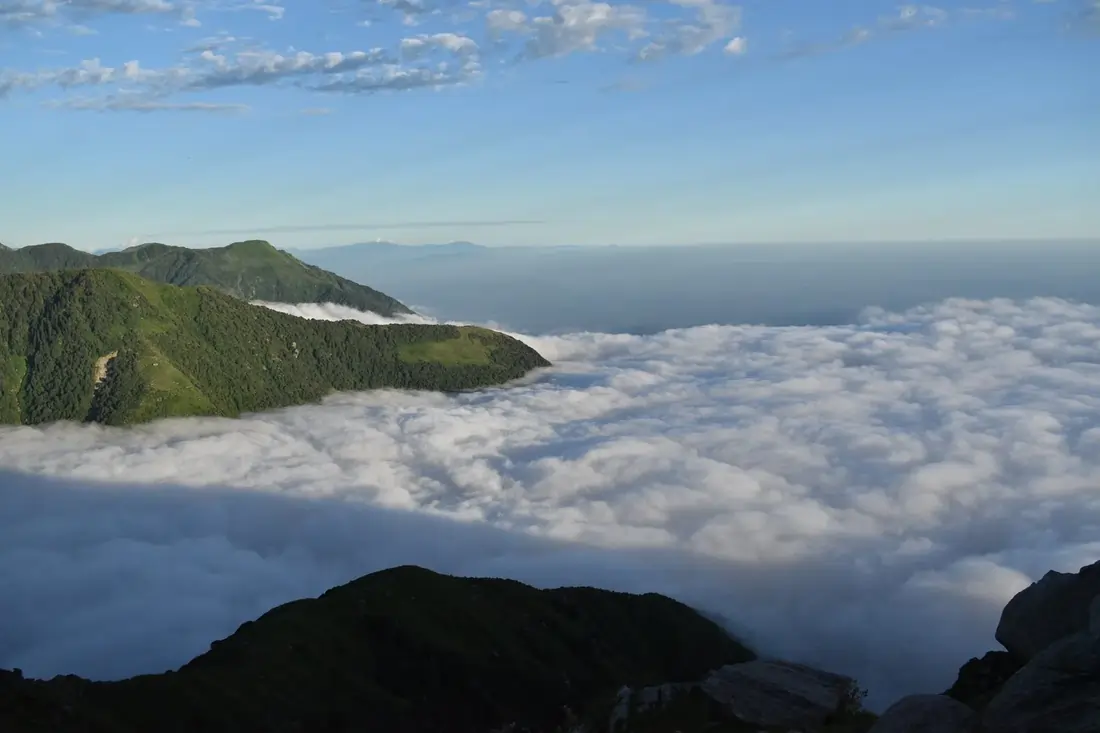 EasySummer, Autumn, Spring
McLeodGanj Triund Trek
McLeodGanj Triund Trek is a popular 2-night, 3-day trekking expedition that takes you through the scenic landscapes of the Dhauladhar Range in the Himalayas. The trek starts from Mcleodganj, a charming hill station in Himachal Pradesh known for its vibrant Tibetan culture and stunning natural beauty. The trek to Triund takes you through dense forests, gushing streams, and picturesque meadows, offering breathtaking views of the snow-clad Himalayan peaks along the way. At Triund, you’ll camp overnight under a blanket of stars, with a panoramic view of the Kangra Valley below.McLeodGanj Triund Trek is a moderate level trek, suitable for beginners and experienced trekkers alike. HimTrek, a trusted trekking company, provides experienced guides, camping equipment, and meals to ensure a comfortable and safe trekking experience.McLeodGanj Triund Trek is a must-do for nature lovers and adventure seekers, offering a chance to escape the hustle and bustle of city life and immerse oneself in the stunning natural beauty of the Himalayas.Quick Facts:Region: Mcleodganj, Himachal PradeshStart/End Point of Trek: DharamkotDuration: 2N/3DTrek Distance: 18 KmTrek Height: 9430 Ft.Trek Temperature: Day (15°C to 25°C) & Night (5°C to 10°C)Best Time for McLeodGanj Triund Trek: March to June & AugustMcLeodGanj Triund Trek 2N/3D is best done from March to June and August to December, with pleasant weather and clear skies. The summer months offer greenery and blooming flowers, while autumn offers cooler temperatures and snow-capped mountain views. Monsoon season (July to August) and winter (December to February) can be challenging.McLeodGanj Triund Trek Best TimeThe best time to visit the Triund trek is from March to June and August to December. During these months, the weather is pleasant, and the skies are clear, making it an ideal time for trekking and enjoying the breathtaking views of the Dhauladhar range. It’s recommended to avoid the monsoon season from July to August as the trail can become slippery and dangerous due to heavy rainfall.McLeodGanj Triund Trek DistanceThe total length of the Triund trek is approximately 9 kilometers (5.6 miles). The trek starts from McLeod Ganj village and goes to the top of Triund Hill and back. The trek takes approximately 4-5 hours to the top and 3-4 hours to the starting point, depending on your pace.After the trek, why not extend your adventure by spending some time at the charming HimTrek stays?HimTrek stays provide cozy and well-appointed rooms, each designed to offer a warm and inviting atmosphere.How to Reach Triund Basecamp – Dharamkot?By Air: The nearest airport is Gaggal Airport in Dharamshala, which is around 18 kilometers (11 miles) away.By Train: The nearest railway station is Pathankot Railway Station, which is around 90 kilometers (56 miles) away. From Dharamshala or McLeodGanj, you can take a taxi or local bus to reach Dharamkot.By Bus: You can also take a direct bus from Delhi or Chandigarh to Dharamshala or McLeodGanj, and then hire a taxi or take a local bus to reach Dharamkot.1 Night 2 Days Available on requestMcLeod Ganj, Himachal PradeshKindly review the Terms and Conditions before proceeding with your booking.
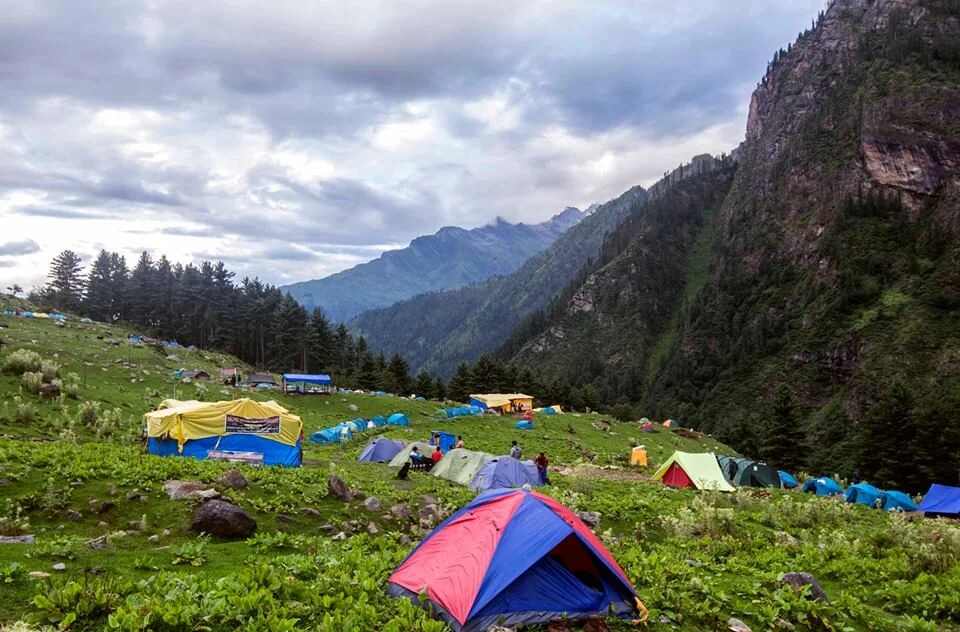 EasySummer, Autumn
Kasol Kheerganga Trek
Kasol Kheerganga Trek is the most appealing trekking location in Himachal Pradesh’s Parvati Valley, one of the easier treks in the Himalayas. It takes you through some spectacular views. It is perfect for any inexperienced trekker or backpacker because it doesn’t require a lot of time or previous trekking experience.You will be treated to breathtaking views of nature as you stroll through Himachal Pradesh’s picturesque terrain. The Kheerganga trek is a great option if you want to experience some of the most intriguing scenery that nature has to offer. The trail passes through wonderful meadows, pine-forested trails, a few waterfalls as well as some wooden bridges and some slippery patches as you reach the summit at almost 9700 ft above mean sea level.If you have a thing for visiting places with religious value, this trek has to be on your list as the trek holds beautiful Parvati Kund, a holy hot spring that is just what you need to feel when it’s too cold outside. At Parvati Kund, at Kheerganga highest point, there is a Shiva temple. Hinduism believes that after losing to Lord Ganesha, Kartikeya, Lord Ganesha’s brother, was known to meditate and pray in Kheerganga. While visiting her son, Parvati had the need to make rice pudding. Legends claim that because of the hot water spring nearby, Parvati actually cooked in the natural hot water itself. This holy, mystical tourist destination was given the name Kheerganga in honour of this significant legendary event. Kheerganga, which is situated in Parvati Valley (Kullu Valley), is one of your best options if you’re travelling solo or as a couple. The journey starts from Kasol where you will spend your first day exploring Kasol and Chalal village. On the second day, the trek begins in the small village of Barshiani, which is located four kilometres before Tosh. Barshaini to Kheerganga is 12 kilometres away, and the trip takes 5 to 6 hours.Quick Facts:Region: Kullu Valley, Himachal PradeshStart/ End Point of the Trek: KasolDuration: 3D/2NDistance: 12 kmHeight: 9700 FtDifficulty Level: EasyTemperature: Day (8°C to 15°C) and Night (0°C to 3°C)Best Time to do Kheerganga Trek: April to May and again from September to NovemberHow to Reach Kasol Basecamp? By Road: The main route to Kasol is the NH-3. Either self-driving or cab service are options. There are numerous companies that offer taxi services and rental cars in Kasol. For those travelling great distances, Delhi and Chandigarh serve as the base. In addition, buses from Delhi travel daily to Kasol. By Train: There isn’t a separate train station in Kasol. Joginder Nagar is the nearest railway station which is about 144 miles from Kasol. Chandigarh railway station is 296 km. You can hire a cab or take local buses from these locations to reach Kasol. By Air: The Kullu Manali Airport, also known as Bhuntar Airport and located in the Kullu district, is the closest airport to Kasol. The airport has daily flights to Delhi. You can arrange for a taxi or cab to take you from the airport in Bhuntar, which is only 31 kilometres away and will take you there in about an hour, to Kasol. 2 Nights 3 Days Available on request After completing the trek, why not extend your adventure and spend some time in Kasol with Himatrek stays? Himtrek Stays in KasolHimtrek has cozy and comfortable places to stay in Kasol. After your trek, you can rest and relax at these places. Himtrek has small guest houses and nice homestays. There are different options for all kinds of travellers.In Kasol, you can experience the interesting culture. You can explore the mall road . At the Himtrek stays, you can have peace in nature or enjoy cultural activities. Himtrek stays in Kasol give you comfort and adventure.Himtrek offers a wide range of accommodation options in Kasol to suit the needs and tastes of every traveller. Whether you’re looking for a cozy guesthouse in the middle of a pine forest or a comfortable hostel with a lively atmosphere, Himtrek is the place for you. So pack your bags, lace up your boots, and embark on an unforgettable journey into the heart of the Himalayas, and stay in Himtrek Stays in Kasol For more adventure and information click here :https://himtrekstays.com/ Kindly review the Terms and Conditions before proceeding with your booking.
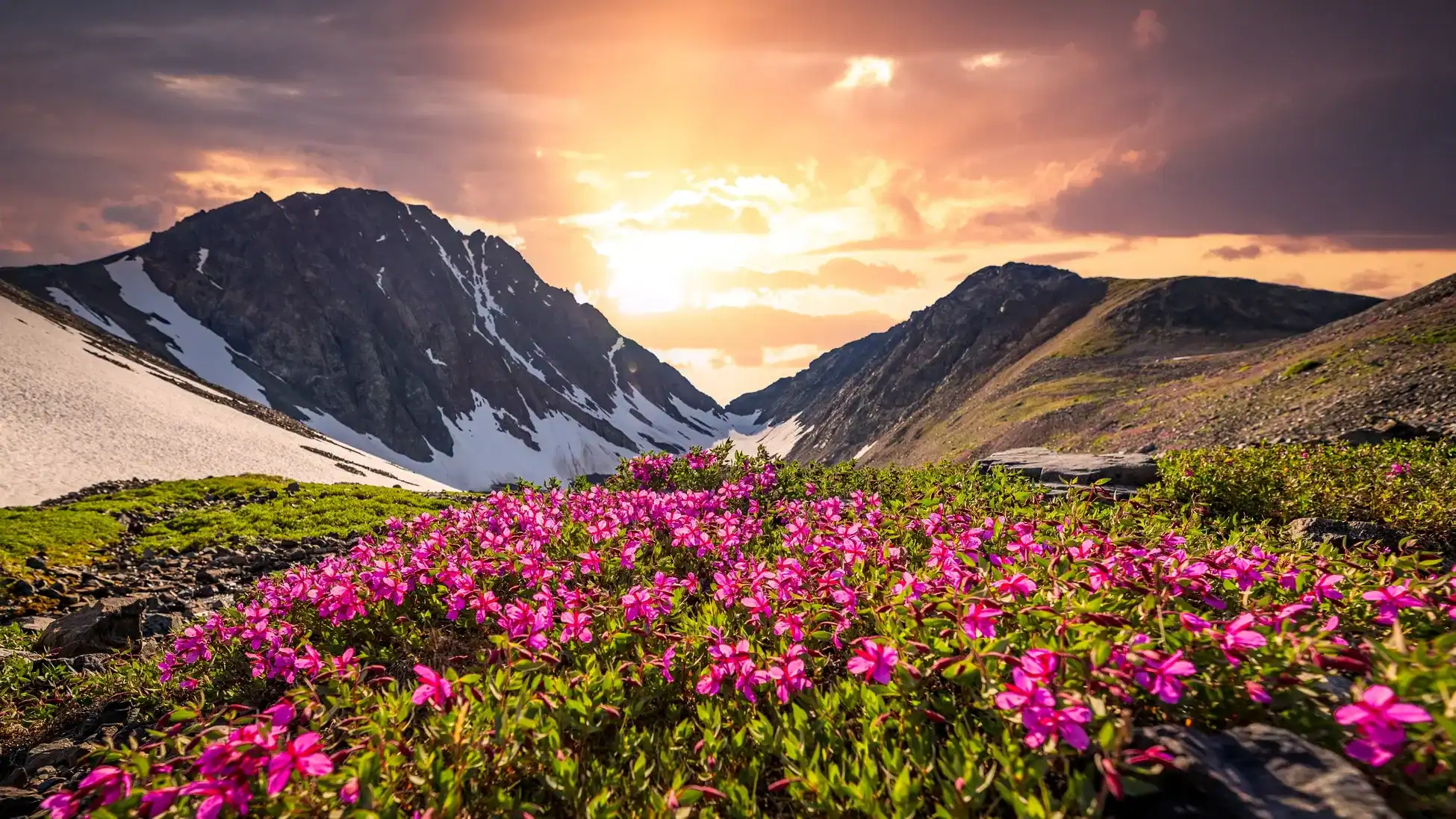 Easy-ModerateMonsoon
Valley of Flowers Trek
Valley of Flowers Trek is where dreams and reality merge into one breathtaking canvas of color and serenity. Tucked in Uttarakhand’s Chamoli district, this UNESCO World Heritage Site sits gracefully at 12,000 ft – an alpine meadow that bursts into bloom every monsoon. Imagine walking through a valley draped in over 300 species of exotic wildflowers – blue poppies, cobra lilies, Himalayan bellflowers, and the revered brahma kamal – all swaying under the Himalayan mist.But this trek is not just about floral beauty. It’s about experiencing divinity in nature – crossing sacred confluences like Devprayag and Rudraprayag, staying in the quaint settlement of Ghangaria, and hiking up to Hemkund Sahib (15,200 ft), one of the world’s highest Gurudwaras.Every turn on this 6-day adventure reveals a new face of the Himalayas – roaring rivers, silent pine forests, and peaks that seem to touch the sky. Whether you are a first-time trekker or a mountain lover seeking soul-soothing landscapes, the Valley of Flowers Trek feels like stepping straight into heaven’s garden.Quick Facts About Valley of Flowers Trek:Region Covered: Chamoli District, UttarakhandStart/End Point: RishikeshHighest Altitude: Hemkund Sahib – 15,200 ft (4,630 m)Trek Difficulty: Easy to Moderate (suitable for beginners with basic fitness)Trek Distance: Approx. 38-42 km (round trip, including Hemkund excursion)Total Drive Distance: Approx. 520 km (round trip from Haridwar/Rishikesh via Joshimath)Temperature Range: Day: 8°C to 20°C | Night: 2°C to 10°C (varies by season and altitude)Valley of Flowers Trek Package – ₹10,500Step into nature’s most vibrant masterpiece with Himtrek’s Valley of Flowers Trek Package, thoughtfully curated for both comfort and adventure lovers. At just ₹10,500, you get a complete trekking experience – covering all essentials from guidance to stay.This package ensures you experience the true essence of the Himalayas – from blooming meadows and cascading rivers to the serenity of Hemkund Sahib – all without worrying about logistics.Planning your next Himalayan escape? Contact us for personalized trek recommendations, we will help you pick the perfect one for your vibe.Best Time to do Valley of Flowers TrekThe best time for Valley of Flowers trek is from July to September, when the snow has melted and the valley transforms into a living rainbow.July: The monsoon paints the valley in lush greens and fresh blossoms begin to appear. Misty mornings and soft drizzles make it surreal.August: The valley reaches its floral peak – carpets of color stretch endlessly across alpine meadows. A paradise for nature photographers.September: The flowers begin to fade, but skies turn crystal-clear, offering majestic mountain views and peaceful trekking weather.Temperature:Day: 12°C – 20°CNight: 4°C – 8°CExpect gentle showers, cool winds, and that fresh alpine scent that only the Himalayas can offer.The Legend Behind the ValleyLong before explorers stumbled upon it, locals believed the Valley of Flowers was the celestial abode of gods and fairies. They called it “Nandan Kanan” – the divine garden of Lord Indra.In 1931, three British mountaineers – Frank Smythe, Eric Shipton, and R.L. Holdsworth – discovered this valley while returning from a Kamet expedition. Smythe described it as “a land where the entire valley seemed to be alive with color.” Since then, it has fascinated trekkers, botanists, and dreamers from around the world.Even today, when you walk through its misty trails and floral carpets, it feels like stepping into a mythical world – untouched, unhurried, and infinitely pure.Trek Preparation & Essentials for Valley of Flowers TrekTo make the most of your Valley of Flowers Trek, pack wisely:Clothing: 2-3 warm layers, a windproof jacket, waterproof poncho, and trekking pants.Footwear: Quality trekking shoes with good grip and ankle support.Accessories: Sunglasses, cap, gloves, and sunscreen.Essentials: Personal medication, water bottle, energy bars, and waterproof backpack.Fitness Tip: Prepare with short hikes and basic cardio at least two weeks before the trek.
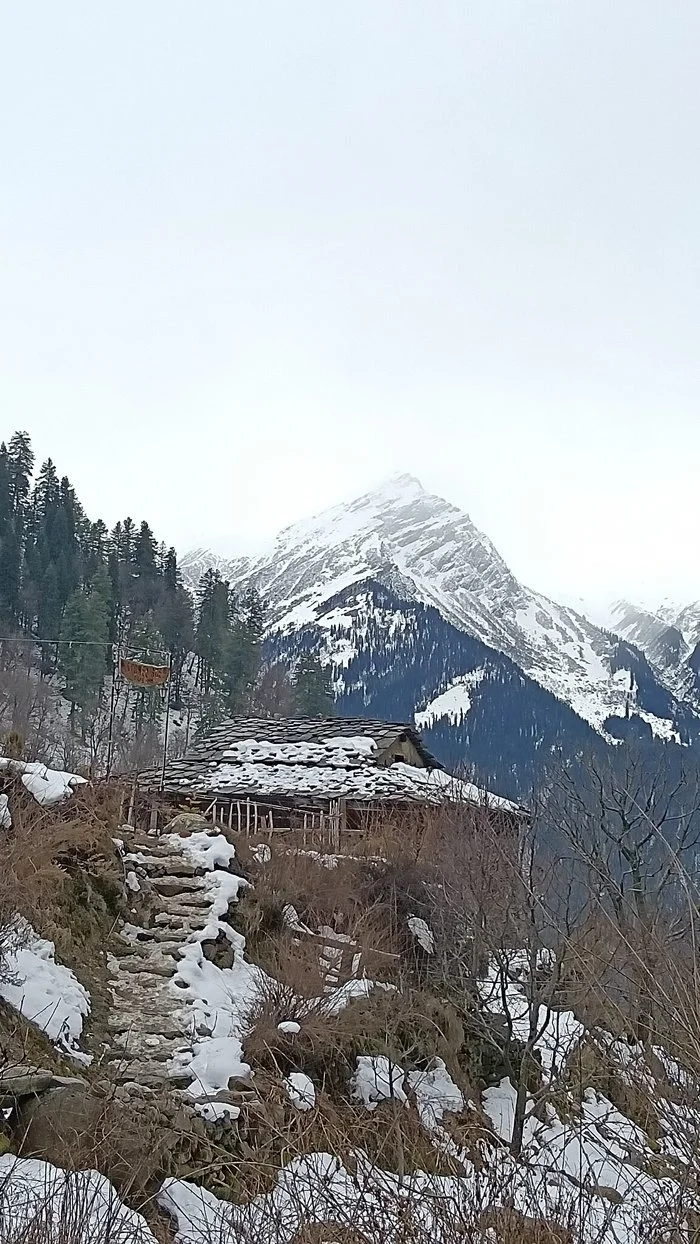 EasySpring, Summer, Monsoon, Autumn, Winter
Tosh Kutla Trek
Tosh Kutla trek is a popular trekking destination in the Parvati Valley of Himachal Pradesh. This trek is ideal for adventure enthusiasts and nature lovers who want to explore the natural beauty of the region. The trek takes 1 night and 2 days to complete, making it perfect for a weekend getaway.The trek starts from our Tosh campsite where trekkers need to report at 11 A.M. This then follows a scenic trail through the lush green forests, along the gushing Parvati river, and past picturesque villages. The highlight of the trek is the breathtaking Tosh village, which is located at an altitude of 7,874 feet above sea level. The village offers stunning views of the snow-capped peaks and the Parvati valley.The first day of the trek involves a gradual ascent to Tosh village, where you will spend the night in cozy camps. The second day is relatively easy, with a descent back to Barshaini. Along the way, you will come across several natural hot springs, where you can take a dip and relax your muscles.Quick Facts:Region: Kasol, Himachal PradeshStart/End Point of Trek: Tosh CampsiteTosh Kutla Duration: 1N/2DTosh Kutla Trek Distance: 12 KmTosh Kutla Trek Height: 7,874 ftTosh Kutla Trek Temperature: Day (15°C to 25°C) & Night (5°C to 10°C)Tosh Kutla Best Time to Trek: All yearHow to Reach Tosh-Kutla Base Camp?To reach our Tosh campsite, one needs to first reach Bhuntar, which is the nearest town that is well-connected by road and air. From Bhuntar, one can hire a taxi or take a bus to reach Barshaini, which is the starting point of the Tosh-Kutla trek. From Barshaini, Tosh campsite is a steep ascent of about 2-3 kilometres.Alternatively, one can hire a local jeep or taxi from Barshaini to reach Tosh village.1 Night 2 Days available on requestAfter the trek, why not extend your adventure by spending some time at the charming HimTrek stays?HimTrek stays provide cozy and well-appointed rooms, each designed to offer a warm and inviting atmosphere.Himtrek Stays in toshHimtrek has cozy and comfortable places to stay in Tosh. After your trek, you can rest and relax at these places. Himtrek has small guest houses and nice homestays. There are different options for all kinds of travellers.In Tosh, you can experience the interesting culture. You can explore the busy markets and eat delicious Tibetan food. At the Himtrek stays, you can have peace in nature or enjoy cultural activities. Himatrek stays in McLeod Ganj give you comfort and adventure.So pack your bags, lace up your boots, and embark on an unforgettable journey into the heart of the Himalayas, and stay in Tosh with Himtrek.Kindly review the Terms and Conditions before proceeding with your booking.
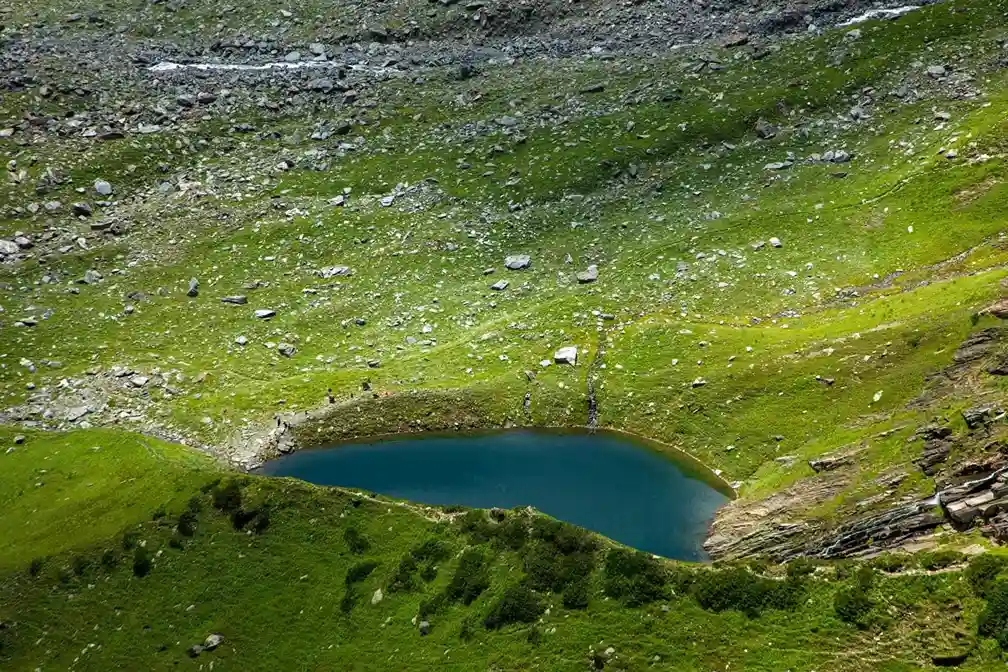 EasySummer, Monsoon, Autumn
Beas Kund Trek
Beas Kund Trek is Origen of Beas River, a small glacial lake surrounded by towering snow-capped peaks. Locals believe that Rishi Vyas, the author of the Mahabharata, meditated and wrote the epic at this lake. Beas Kund Trek is one of the most popular trekking destinations in India, located in the state of Himachal Pradesh. This trek provides trekkers with stunning views of the Pir Panjal and Dhauladhar ranges and takes them to the source of the Beas River, considered sacred by the locals. The trek begins from Solang Valley, which is a popular tourist destination near Manali. From Solang, the trek takes you through dense forests of pine and oak, and then opens up to meadows and streams. The trail is moderately challenging and can be completed in 2 days (1N/2D) with proper preparation and guidance.The highlight of the trek is reaching Beas Kund, a small glacial lake surrounded by towering snow-capped peaks. Locals believe that Rishi Vyas, the author of the Mahabharata, meditated and wrote the epic at this lake.The best time to go on this trek is from mid April to October when the weather is pleasant and the trekking routes are accessible. The trek is suitable for both beginners and experienced trekkers, but it is advisable to be physically fit to complete the trek comfortably.Overall, the Beas Kund trek is a must-visit for nature lovers, adventure seekers, and those who seek to escape the chaos of city life and immerse themselves in the serenity of the Himalayas.Best Places To Trek in Manali: Beyond the Beas Kund Trek Trekking at Himachal Pradesh: Himachal Pradesh is a haven for travel enthusiasts. Beyond Hampta Pass, the state offers many trekking options that appeal to everyone. From the scenic splendor of the Beas Kund Trek to challenging treks like the Pin Parvati Pass trek, Himachal Pradesh has something for every travellerManali Trekking: Manali’s several hiking trails cater to all alternatives. Whether you’re a pro adventurer or a first-time trekker, Manali has something to offer. The breathtaking environment, rich cultural historical past, and variety of trouble levels make Manali an unforgettable vacation spot on your next Himalayan escapade.Places to trek in Manali: Manali is a trekker’s paradise, Beyond the fascinating Hampta Pass, Manali offers several trekking trails, catering to big hassle degrees and picks. Here are a number of the famous trekking trails in Manali to don’t forget:Beas Kund Trek: This moderate trek, lasting 3-four days, leads you to the pristine Beas Kund glacial lake, nestled amidst beautiful alpine meadows and towering mountains. Furthermore, the route offers astonishing views of the Pir Panjal and the possibility to witness numerous vegetation and fauna.Pin Parvati Pass Trek: Calling all experienced trekkers! This tough 10-day trek traverses the scenic Parvati Valley and conquers the excessive-altitude Pin Parvati Pass. Prepare to be captivated by breathtaking landscapes, various ecosystems, and a real take a look at your physical and intellectual staying power.Chandratal Lake Trek: Gear up for a mild to challenging 7-day day journey to the Chandra Tal, additionally referred to as Moon Lake. This immoderate-altitude lake, nestled amidst the stark beauty of the Spiti Valley, offers otherworldly entertainment.Bhrigu Lake Trek: Nicknamed “The Surreal Beauty,” this mild trek unfolds over 4 days. The highlight of this adventure is the captivating Bhrigu Lake, identified for its mystical legends and waters that alternate color at some point in the season.Quick Facts:Region: Solang Valley, Himachal PradeshStart/ End Point of the Trek: DhundiBeas Kund Trek Duration: 2N/1DBeas Kund Trek Height: 12,772 ftBeas Kund Trek Distance: 16kmBeas Kund Trek Difficulty Level: EasyTemperature Day: 8°C to 15°C and Night: 5°C to 8°CBest Time to do Beas Kund Trek: 15 April to OctoberHow to Reach Solang?The trek starts from Solang Valley which is 12km away from Manali and is very well connected. You can easily hire a cab from Manali to Solang Valley. You can take the following routes to reach Manali:By Road:The quickest and most economical way to get to Manali. Manali is accessible by road from several locations, including Delhi (540 km), Chandigarh (305 km), Dehradun (227 km), and Ambala (370 km).By Train:The closest railway station to Manali is Jogindernagar. Other train routes to Manali include those through Chandigarh and Ambala.5By Air:The nearest airport is Bhuntar airport, 10 km from Manali. Cabs and local buses are easily available from Bhuntar to Manali.After completing the trek, why not extend your adventure and spend some time in Kasol with Himtrek stays?Himtrek Stays in ManaliHimtrek Stays Montane Chalet, Sethan, ManaliHimtrek Stays Sethan, Heritage House, ManaliHimtrek has cozy and comfortable places to stay in Manali. After your trek, you can rest and relax at these places. Himtrek has small guest houses and nice homestays. There are different options for all kinds of travellers.In Manali, you can experience the interesting culture. You can explore the mall road . At the Himtrek stays, you can have peace in nature or enjoy cultural activities. Himtrek stays in Manali give you comfort and adventure.Himtrek offers a wide range of accommodation options in Manali to suit the needs and tastes of every traveller. Whether you’re looking for a cozy guesthouse in the middle of a pine forest or a comfortable hostel with a lively atmosphere, Himtrek is the place for you.So pack your bags, lace up your boots, and embark on an unforgettable journey into the heart of the Himalayas, and stay in Himtrek Stays in Manali For more adventure and information click here: https://himtrekstays.com/2 Nights 3 Days Available on request Kindly review the Terms and Conditions before proceeding with your booking.
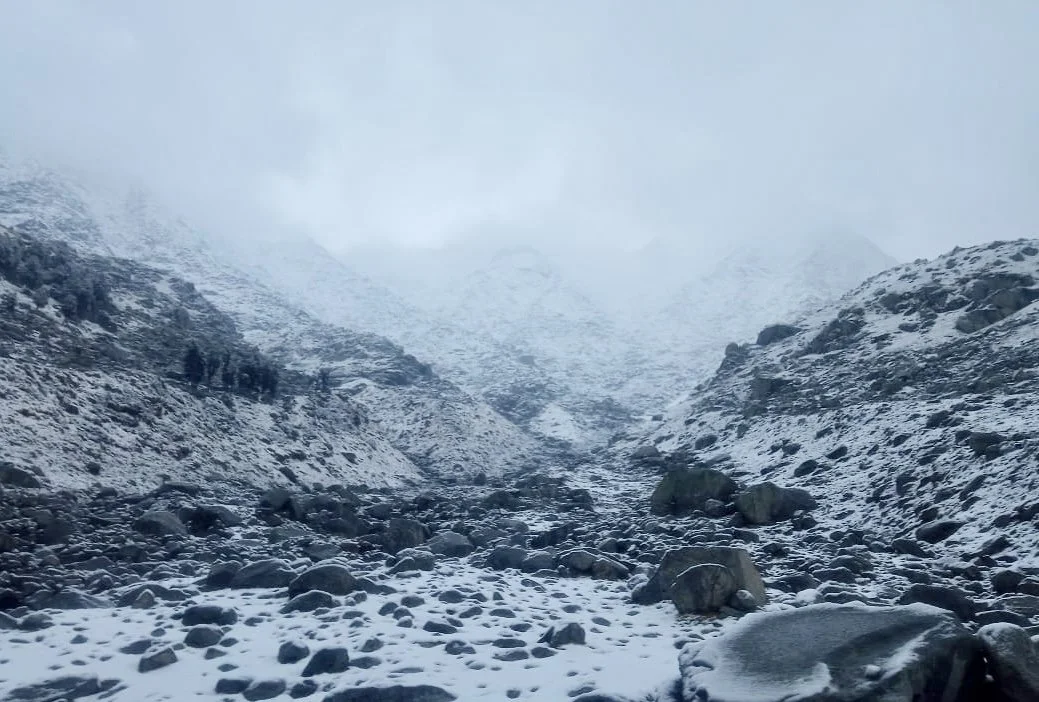 Easy-ModerateSummer, Autumn
Laka Glacier Trek with Triund Top
Laka Glacier Trek is a popular trekking route in the Indian state of Himachal Pradesh. It is an easy to moderate level trek that takes you through some of the most scenic landscapes in the region, including gushing streams, and snow-capped mountains.Trek starts from the picturesque town of Dharamkot, Mcleodganj and takes you through the Gallu Temple, which is a popular tourist attraction in the area. From there, you trek through the lush green forests of the Dhauladhar range, which is home to a wide variety of flora and fauna. Laka Glacier is surrounded by snow-capped peaks, and the views from the top are simply breathtaking. As you climb higher, The trail becomes steeper as you approach the Laka Glacier, which is a beautiful snow-covered glacier located at an altitude of 3,200 metres.The best time to undertake the Laka Glacier trek is from March to December, when the weather is pleasant and the skies are clear. The trek is considered to be easy to moderately difficult, and it requires a certain level of fitness and stamina. However, with proper preparation and guidance, anyone can undertake this trek and enjoy the beauty of the Himalayas.Overall, Laka Glacier trek is a must-do for adventure enthusiasts and nature lovers who want to experience the raw beauty of the Indian Himalayas.Getting Started: Planning Your Laka Glacier Trek AdventureBefore starting the Laka Glacier Trek, with Triund Top, it’s critical to plan your adventure meticulously. Understanding the exceptional time to visit, acquiring important permits, and familiarizing yourself with regulations are vital steps in ensuring a easy hiking enjoy. Best Time to Visit Laka Glacier Trek, with Triund Top The perfect time to adopt the Laka Glacier Trek, with Triund Top, is at some point of the months of March to June and September to November. These months provide first-class weather situations, clear skies, and top-quality visibility, improving the hiking enjoy.Best Time to Visit Laka Glacier Trek, with Triund TopThe perfect time to adopt the Laka Glacier Trek, with Triund Top, is at some point of the months of March to June and September to November. These months provide first-class weather situations, clear skies, and top-quality visibility, improving the hiking enjoy. Permits and Regulations To trek to Laka Glacier and Triund Top, trekkers are required to gain lets in from the neighbourhood government. It’s vital to stick to environmental regulations and pointers to limit the effect on the fragile ecosystem of the area.The Trek Begins: Exploring McLeod Ganj and BeyondStarting Point: McLeod GanjThe adventure commences from the vibrant city of McLeod Ganj, regularly called “Little Lhasa” due to its extensive Tibetan populace and cultural influences. Trekkers can explore the bustling streets, go to Tibetan monasteries, and soak within the vibrant ecosystem earlier than taking off on their trekking journey.Trail to Triund TopThe trail to Triund Top is a captivating ascent via rhododendron forests, very welltrees, and meadows adorned with colorful wildflowers. The slow incline offers panoramic perspectives of the Kangra Valley under, motivating trekkers with every step closer to their destination.Camping at Triund TopCamp at Triund Top Triund Top is a scenic tent site, offering panoramic views of the surrounding snow-capped mountains and inexperienced hills where Travelers can pitch their tents in the midst of the adjoining nature, and enjoy the Himalayas the peace of the desert under a starlit sky.Exploring the Laka Glacier: A Journey into the Heart of the HimalayasJourney to Laka Glacier From Triund Top, the trail to Laka Glacier unveils a number of the maximum mind-blowing landscapes the vicinity has to offer. Trekkers traverse rocky terrain, glacier streams, and moraines, with every step bringing them towards the pristine beauty of Laka Glacier.Camping at Laka GlacierCamping at Laka Glacier is a surreal experience, surrounded via towering peaks and the serenity of the glacier. Trekkers can witness the play of light and shadow at the icy terrain, developing a mystical environment that is unmatched anywhere else.Challenges and Precautions: Navigating the Terrain SafelyAltitude Sickness As trekkers ascend to better altitudes, they will come across symptoms of altitude sickness, inclusive of nausea, complications, and fatigue. It’s vital to acclimatize well, stay hydrated, and listen on your frame’s cues to keep away from altitude-related troubles.Quick Facts:Region: Dharamshala, Himachal PradeshStart/ End Point of the Trek: Dharamkot, McleodganjDuration: 3D/2NLaka Glacier Trek Height: 3,200 metresLaka Glacier Trek Difficulty Level: Easy to ModerateLaka Glacier Trek Temperature: 16°C to 25°C during the day and at night 7°C to 10°C (summers), 14°C to 18°C during the day and at night 1°C to 5°C (winters)Best Time to do Laka Glacier Trek: May to DecemberHow to Reach?Beginning of the Laka glacier trek is in Dharamkot, McLeodganj the closest access point, whether you use a taxi, the public transportation system or your own vehicle. Although there isn’t much bus service from McLeodganj to the nearby cities, you may easily take a bus to Dharamshala ISBT. You can take a bus or a taxi from here to McLeodganj. For reaching Dharamshala, you choose from any of the following transport options –By Road:All of Himachal Pradesh’s major cities may be reached by road from Dharamshala. Take a state-owned bus or travel along the national route to Dharamshala to get to this city. Buses run directly to this city from Chandigarh (275 km), Jalandhar (154 km), and Amritsar (187 km). From Dharamshala, there are Volvo, luxury, and sleeper buses that travel to Delhi, Amritsar, Jalandhar, and Chandigarh.By Train:The closest significant railway station is 85 kilometres distance in Pathankot. Many trains that travel to Jammu and Kashmir make stops in Pathankot. To get to Dharamshala from Pathankot, you can take a taxi or a bus. Even though Kangra Mandir railway station is only 22 kilometres from Dharamshala, it does not have good access to big cities.By Air:The primary domestic airport servicing Dharamshala is Gaggal Airport, which is located around 15 kilometres from the city core. From cities like Delhi and Chandigarh, airlines like Jagson Airlines, Air India Regional, and SpiceJet offer regular flight services.2 Nights 3 DaysAvailable on requestAfter completing the trek, why not extend your adventure and spend some time in McLeod Ganj with Himtrek stays?Himtrek Stays in McLeod GanjHimtrek has cozy and comfortable places to stay in McLeod Ganj. After your trek, you can rest and relax at these places. Himtrek has small guest houses and nice homestays. There are different options for all kinds of travellers.In McLeod Ganj, you can experience the interesting culture. You can explore the busy markets and eat delicious Tibetan food. At the Himtrek stays, you can have peace in nature or enjoy cultural activities. Himtrek stays in McLeod Ganj give you comfort and adventure.So pack your bags, lace up your boots, and embark on an unforgettable journey into the heart of the Himalayas, and stay in McLeod Ganj with Himtrek.For more adventure and information click here :https://himtrekstays.com/Kindly review the Terms and Conditions before proceeding with your booking.
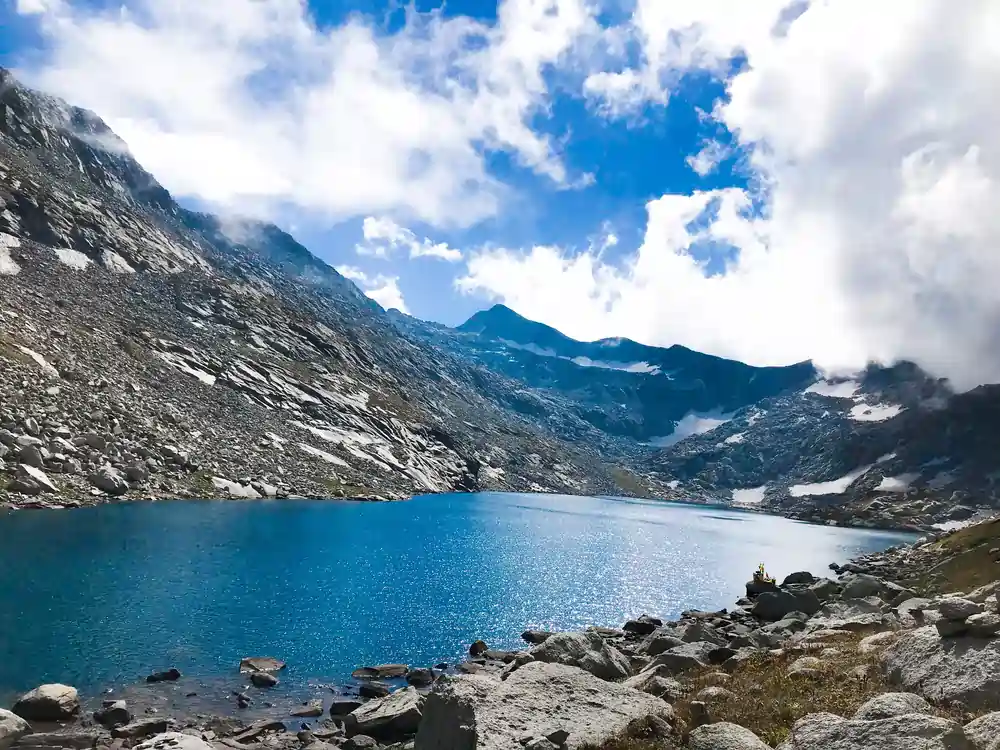 EasySummer, Autumn
Kareri Lake Trek
Kareri Lake Trek is a popular and enchanting trekking destination located in the Dhauladhar Range of the Indian state of Himachal Pradesh. Nestled at an altitude of approximately 9,650 feet above sea level, Kareri Lake offers breathtaking natural beauty and serene surroundings, making it a haven for nature lovers and adventure enthusiasts.The trek to Kareri Lake is an easy to moderate-level trek that typically takes around 2 days to complete, covering a total distance of approximately 26 kilometres. The trail is adorned with lush green meadows, dense forests, gushing waterfalls, and picturesque landscapes, providing a mesmerising experience throughout the journey.The trek begins from Kareri Village, and takes you through a variety of terrains, including pine forests, oak trees, and alpine meadows. As you ascend, you’ll witness the awe-inspiring views of the surrounding snow-capped peaks, including the mighty Dhauladhar Range.One of the highlights of the Kareri Lake Trek is reaching the pristine Kareri Lake itself. Surrounded by towering mountains and alpine trees, the emerald-green lake presents a captivating sight. The crystal-clear water of the lake is fed by the melting snow of the Dhauladhar Range, adding to its natural beauty. Camping near the lake under a starlit sky is an experience that leaves trekkers in awe of the tranquillity and serenity of the place.Throughout the trek, trekkers will have opportunities to interact with the local Gaddi people, who are known for their warm hospitality and unique culture. The Gaddis are a semi-nomadic tribe residing in the region and are often seen herding their sheep and goats along the trail.The best time to undertake the Kareri Lake Trek is from May to July and September to November when the weather is pleasant and the trails are clear. During these months, the trekking route is adorned with colourful wildflowers, making it even more picturesque.In conclusion, the Kareri Lake Trek offers an unforgettable adventure in the lap of nature. With its mesmerising landscapes, pristine lake, and warm hospitality of the locals, this trek is a must-do for nature enthusiasts seeking a serene and soulful experience in the Himalayas.Quick Facts:Region: McLeodganj, DharamshalaStart/ End Point of the Kareri Lake Trek: Kareri VillageKareri Lake Trek Duration: 2D/1NKareri Lake Trek Height: 9,650 feetKareri Lake Trek Difficulty Level: Easy to ModerateKareri Lake Trek Temperature: 8°C to 20°CBest Time to do Kareri Lake Trek: May to July & September to NovemberHow to Reach?The beginning of the trek is in Dharamkot. McLeodGanj is the closest access point, whether you use a taxi, the public transportation system or your own vehicle. Although there isn’t much bus service from McLeodganj to the nearby cities, you may easily take a bus to Dharamshala ISBT. You can take a bus or a taxi from here to McLeodGanj. For reaching Dharamshala, you choose from any of the following transport options-By Road: All of Himachal Pradesh’s major cities may be reached by road from Dharamshala. Take a state-owned bus or travel along the national route to Dharamshala to get to this city. Buses run directly to this city from Chandigarh (275 km), Jalandhar (154 km), and Amritsar (187 km). From Dharamshala, there are Volvo, luxury, and sleeper buses that travel to Delhi, Amritsar, Jalandhar, and Chandigarh.By Train: The closest significant railway station is 85 kilometres distant in Pathankot. Many trains that travel to Jammu and Kashmir make stops in Pathankot. To get to Dharamshala from Pathankot, you can take a taxi or a bus. Even though Kangra Mandir railway station is only 22 kilometres from Dharamshala, it does not have good access to big cities.By Air: The primary domestic airport servicing Dharamshala is Gaggal Airport, which is located around 15 kilometres from the city core. From cities like Delhi and Chandigarh, airlines like Jagson Airlines, Air India Regional, and SpiceJet offer regular flight services.1 Night 2 Days Available on requestAfter the trek, why not extend your adventure by spending some time at the charming HimTrek stays?HimTrek stays provide cozy and well-appointed rooms, each designed to offer a warm and inviting atmosphere.Himtrek Stays in McLeod GanjHimtrek has cozy and comfortable places to stay in McLeod Ganj. After your trek, you can rest and relax at these places. Himtrek has small guest houses and nice homestays. There are different options for all kinds of travellers.Himtrek Tosh campsite is equipped with comfortable tents, clean washrooms, and other basic amenities to ensure a comfortable stay for guests. The tents are waterproof and come with comfortable bedding to ensure a good night’s sleep. There is also a common dining area where guests can enjoy delicious meals and socialise with other travellers.So pack your bags, lace up your boots, and embark on an unforgettable journey into the heart of the Himalayas, and stay in Tosh with Himtrek.For more adventure and information click here :https://himtrekstays.com/1 Night 2 Days Available on requestKindly review the Terms and Conditions before proceeding with your booking.
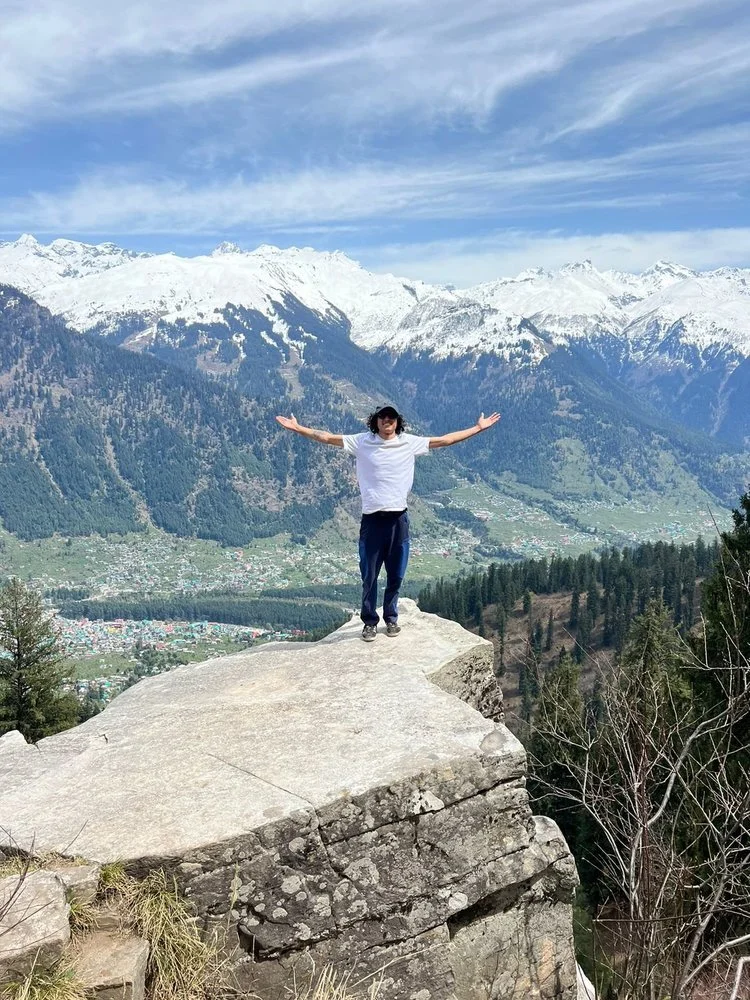 EasySummer, Autumn
Lama Dugh Trek
Lama Dugh Trek is a mesmerizing adventure that takes place in the beautiful Indian state of Himachal Pradesh. Situated in the picturesque region of Manali, this trek offers a captivating blend of scenic landscapes, rich biodiversity, and cultural immersion. It is an ideal choice for both nature enthusiasts and avid trekkers looking for a relatively moderate yet rewarding experience.The journey begins in the charming town of Manali, located in the Kullu district of Himachal Pradesh. From there, trekkers venture into the lush green forests, meandering through pine and deodar trees, which provide refreshing shade along the trail. As you ascend, the mesmerizing vistas of snow-capped peaks, verdant valleys, and glistening rivers gradually unfold, leaving you awestruck at every turn.Lama Dugh, which translates to “Lama’s Meadow,” is the highlight of this trek. Nestled at an altitude of approximately 2,650 meters, it offers a breathtaking panoramic view of the majestic Himalayan range. The vast expanse of green meadows, sprinkled with colourful alpine flowers, creates a surreal setting that seems straight out of a postcard.It is considered a moderate trek, making it suitable for beginners as well as experienced trekkers. The trail is well-defined, with occasional steep sections that require a moderate level of fitness. Along the way, trekkers encounter friendly local villagers, providing an opportunity to experience the rich cultural heritage of the region. You may witness their traditional lifestyle, interact with them, and even get a glimpse of their vibrant festivals and rituals.Camping is an integral part of the Lama Dugh trek, allowing trekkers to spend nights under the star-studded sky. The serene surroundings and tranquil atmosphere make for an unforgettable experience, allowing you to disconnect from the chaos of daily life and reconnect with nature.The best time to undertake the Lama Dugh trek is during the summer months of April to October when the weather is pleasant, and the trails are clear. However, it is essential to check the local weather conditions and obtain necessary permits before embarking on the trek.In conclusion, the Lama Dugh trek in India offers a remarkable adventure through scenic landscapes, alpine meadows, and Himalayan vistas. It provides an opportunity to delve into the beauty of nature, immerse in the local culture, and create memories that will last a lifetime.Quick Facts:Region: Manali, Himachal PradeshStart/ End Point of the Trek: ManaliDuration: 2D/1NLama Dugh Trek Height: 9900 ftLama Dugh Trek Difficulty Level: EasyLama Dugh Trek Temperature: -9°C in winters to 4°C in summersBest Time Lama Dugh Trek: April to OctoberBest Places To Trek in Manali: Beyond the Lama Dugh TrekTrekking at Himachal Pradesh: Himachal Pradesh is a haven for travel enthusiasts. Beyond Hampta Pass, the state offers many trekking options that appeal to everyone. From the scenic splendor of the Beas Kund Trek to challenging treks like the Pin Parvati Pass trek, Himachal Pradesh has something for every travellerPlaces to trek in Manali: Manali is a trekker’s paradise, Beyond the fascinating Hampta Pass, Manali offers several trekking trails, catering to big hassle degrees and picks. Manali’s several hiking trails cater to all alternatives. Whether you’re a pro adventurer or a first-time trekker, Manali has something to offer. The breath-taking environment, rich cultural historical past, and variety of trouble levels make Manali an unforgettable vacation spot on your next Himalayan escapade.Here are a number of the famous trekking trails in Manali to don’t forget:Beas Kund Trek: This moderate trek, lasting 3-four days, leads you to the pristine Beas Kund glacial lake, nestled amidst beautiful alpine meadows and towering mountains. Furthermore, the route offers astonishing views of the Pir Panjal and the possibility to witness numerous vegetation and fauna.Hampta Pass With Chandratal Lake Trek: Gear up for a mild to challenging 7-day day journey to the Chandra Tal, additionally referred to as Moon Lake. This immoderate-altitude lake, nestled amidst the stark beauty of the Spiti Valley, offers otherworldly entertainment.Bhrigu Lake Trek: Nicknamed “The Surreal Beauty,” this mild trek unfolds over 4 days. The highlight of this adventure is the captivating Bhrigu Lake, identified for its mystical legends and waters that alternate color at some point in the season.How to Reach?By Road: The quickest and most economical way to get to Manali. Manali is accessible by road from several locations, including Delhi (540 km), Chandigarh (305 km).By Train: The closest railway station to Manali is Jogindernagar. Other train routes to Manali include those through Chandigarh and Ambala.By Air: The nearest airport is Bhuntar airport, 10 km from Manali. Cabs and local buses are easily available from Bhuntar to Manali.1 Night 2 Days available on requestKindly review the Terms and Conditions before proceeding with your booking.
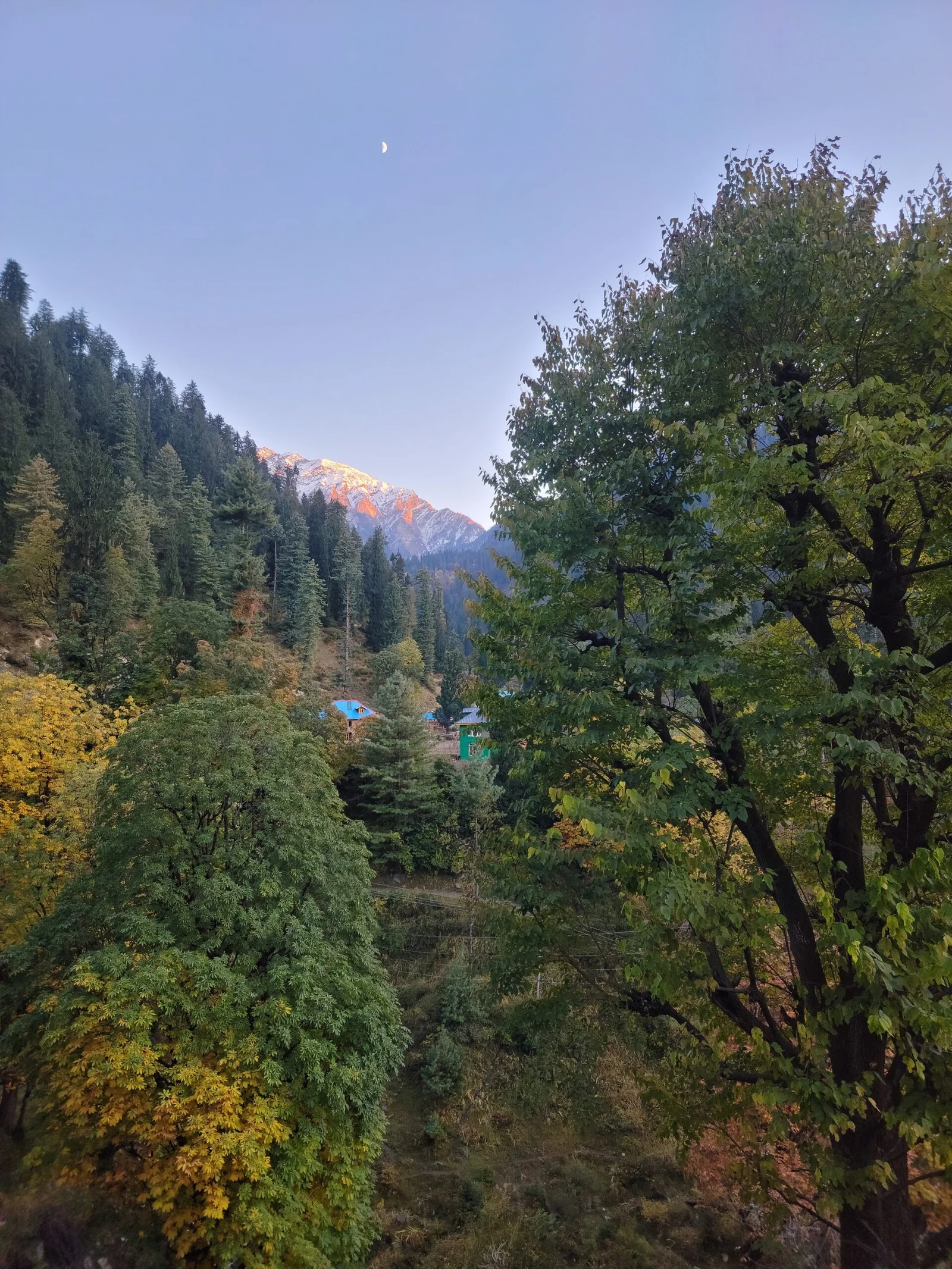 EasySummer, Autumn, Spring
Kasol Grahan Trek
Kasol Grahan Trek is two picturesque villages in the Parvati Valley of Himachal Pradesh, India. Known for their natural beauty, serene landscapes, and vibrant hippie culture, these destinations have become popular among travellers seeking an offbeat experience in the Himalayas. A trip to Kasol and Grahan offers a unique blend of adventure, tranquillity, and cultural exploration.Kasol, often called “Mini Israel,” is a charming village nestled on the banks of the Parvati River. Surrounded by lush green forests, towering mountains, and snow-capped peaks, Kasol attracts trekkers, backpackers, and nature enthusiasts worldwide. The village is famous for its laid-back atmosphere, Israeli cuisine, and thriving psychedelic and trance music scene.One of the main attractions of Kasol is the opportunity to embark on various treks in the region. Grahan, a small village situated around 10 kilometers from Kasol, is a hidden gem that offers a peaceful and secluded environment. The trek from Kasol to Grahan is a moderate one and takes you through dense forests, charming wooden houses, and terraced fields.Grahan is known for its rustic charm, traditional Himachali culture, and warm hospitality. The village provides a glimpse into the local way of life, and you can interact with the friendly villagers and learn about their customs and traditions.In conclusion, a trip to Kasol and Grahan is a perfect blend of adventure, nature, and cultural immersion. Whether you are seeking an adrenaline rush through trekking, exploring the vibrant hippie culture, or simply unwinding in the lap of nature, these villages offer a unique and unforgettable experience in the Himalayas.Highlights:- Stunning views of the Parvati Valley and the Himalayas- Crossing several streams and waterfalls- Passing through traditional Himalayan villages- Opportunity to experience rural life and culture- Camping options in Grahan village2 Nights 3 Days Available on requestAfter completing the trek, why not extend your adventure and spend some time in Kasol with Himtrek stays?Himtrek Stays in KasolHimtrek has cozy and comfortable places to stay in Kasol. After your trek, you can rest and relax at these places. Himtrek has small guest houses and nice homestays. There are different options for all kinds of travellers.In Kasol, you can experience the interesting culture. You can explore the mall road . At the Himtrek stays, you can have peace in nature or enjoy cultural activities. Himtrek stays in Kasol give you comfort and adventure.Himtrek offers a wide range of accommodation options in Kasol to suit the needs and tastes of every traveller. Whether you’re looking for a cozy guesthouse in the middle of a pine forest or a comfortable hostel with a lively atmosphere, Himtrek is the place for you.So pack your bags, lace up your boots, and embark on an unforgettable journey into the heart of the Himalayas, and stay inHimtrek Stays in KasolFor more adventure and information click here :https://himtrekstays.com/Kindly review the Terms and Conditions before proceeding with your booking.
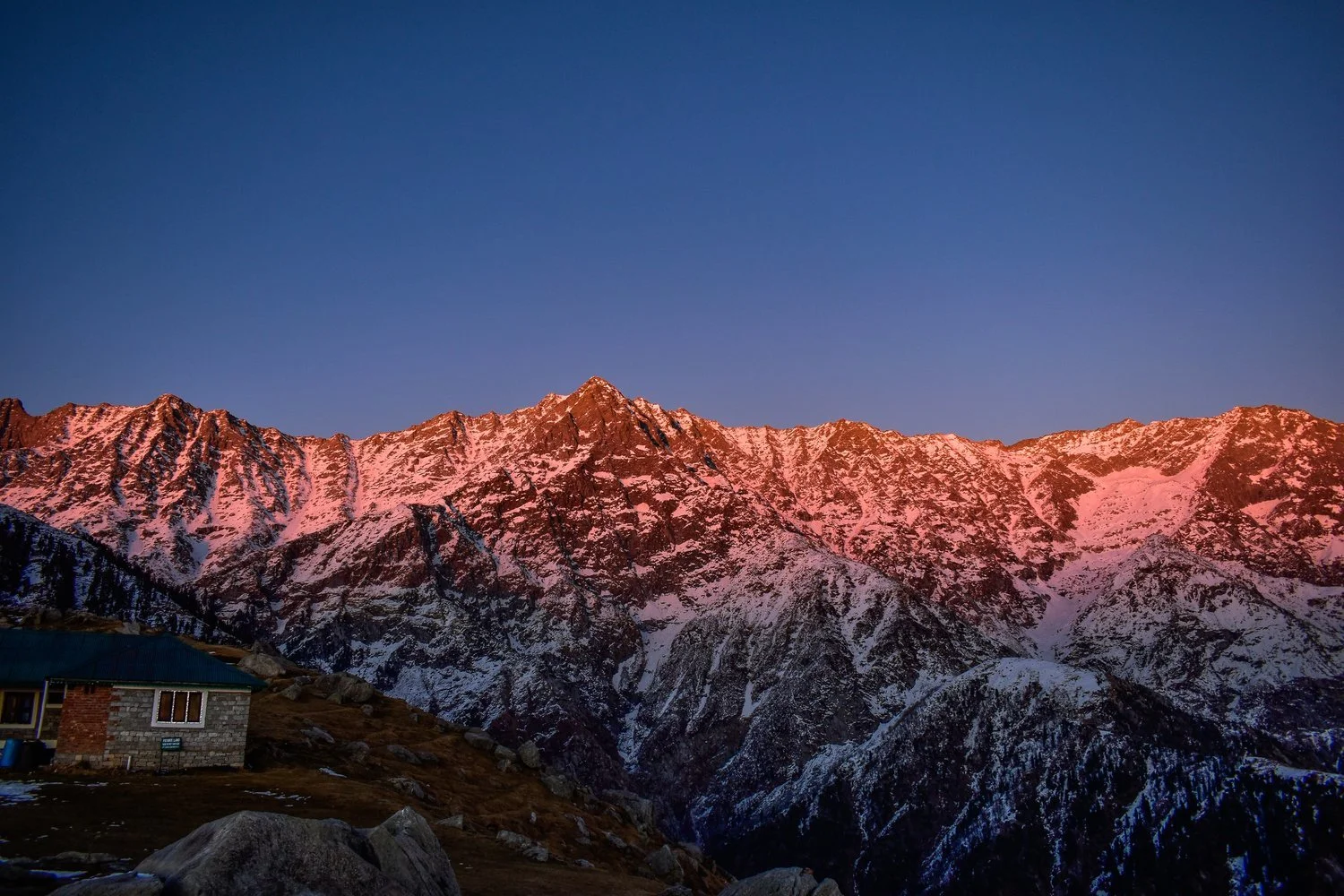 EasySpring, Summer, Autumn, Winter
Triund Trek
The Triund Trek is one of the most loved short treks in Himachal Pradesh, and for good reason. Just a few kilometres from McLeod Ganj and Dharamshala, this trail gives you a taste of the real Himalayas without needing weeks of preparation or prior trekking experience. It’s often said that no trip to Dharamshala is complete without walking up to Triund, and once you have seen those views, you will know exactly why. Starting from Dharamkot, the trek gently winds through dense oak, rhododendron, and deodar forests. Prayer flags flutter in the cool mountain breeze, birds chirp from the branches, and now and then, you will find a tiny tea stall serving Maggi or chai with a view. The trail is only about 9 km long, but every step feels rewarding, especially when the majestic Dhauladhar Range suddenly appears before your eyes near the top.At the Triund Ridge, time seems to slow down. The air is cooler, the sky feels closer, and the panoramic view of Kangra Valley below and snow-clad peaks above is absolutely surreal. Evenings here are pure magic, as the sun dips behind the mountains, the sky bursts into hues of orange and pink before turning into a starry night that city dwellers can only dream of. While the Triund Trek is a nature lover’s paradise, it’s also surrounded by the serene energy of McLeod Ganj, home to the Dalai Lama and the Tibetan spiritual community. Trekkers often combine the hike with a visit to the Namgyal Monastery, Tibetan Museum, or a quiet meditation session, making the journey both adventurous and soul-refreshing. Whether you are a beginner looking for your first trek, a weekend traveller from Delhi or Chandigarh, or simply someone craving peace in the mountains, the Triund Trek delivers it all. It’s not just a hike; it’s the kind of experience that makes you fall in love with the Himalayas forever. Quick Facts About Triund Trek:Start/End Point: Dharamkot (near McLeod Ganj)Highest Altitude: 9,350 ft (2,850 m)Trek Distance: ~9 km one way | ~18 km round tripApprox. Trek Time: 4-6 hrs ascent | 3-4 hrs descentDifficulty: Easy to Moderate (good for beginners with basic fitness)Nearest Airport: Gaggal (Dharamshala): ~20 km from McLeod GanjWhy You Must Do Triund Trek:The Triund Trek isn’t just about reaching a summit; it’s about soaking in the spirit of the mountains. The trail begins from Dharamkot, a peaceful village above McLeodGanj, and winds through dense oak and rhododendron forests, echoing with bird calls and the sound of the wind brushing past tall pines. Halfway up, you will reach the Magic Viewpoint, one of the oldest and most loved tea stalls on the trail. Grab a steaming cup of chai, sit back, and watch clouds float across the valley; it’s an experience trekkers never forget. As you climb higher, the landscape opens up, revealing spectacular views of the Dhauladhar peaks, especially Moon Peak and Indrahar Pass. By sunset, the ridge glows golden, and the sky turns into a canvas of pink, orange, and purple. At night, the entire hill lights up with countless stars, a sight that feels almost unreal. You know what the best part is? You don’t need to be an experienced trekker to do it. The Triund Trek is beginner-friendly, short, and absolutely breathtaking, perfect for your first taste of the Himalayas.Best Time to do Triund Trek, Dharamshala:The best time to visit Triund depends on the kind of experience you are looking for:March to June: Pleasant weather, green forests, and clear views, ideal for beginners.September to November: Crisp air, post-monsoon greenery, and perfect skies.December to February: Cold, with patches of snow, the best time for a winter trek.Average Temperatures:Day: 10°C to 20°CNight: 0°C to 5°C in winterIf you are searching for short treks near Dharamshala or the best winter treks in Himachal, Triund always tops the list.Himtrek’s Triund Trek Package – ₹950Experience the beauty of the Triund Trek with Himtrek at just ₹950 per person. Just at ₹950, you get a complete Himalayan experience – peaceful trails, mountain meals, cozy tents, and memories that’ll stay long after you return. It’s the ideal pick for beginners, couples, solo travellers, or friends looking for a quick mountain adventure that doesn’t demand too much time or preparation. Contact us to book your Triund Trek with Himtrek, and we will help you plan the best Himalayan getaway.Triund Trek Essentials & Tips for Trekkers- Carry a good pair of trekking shoes; the trail can be rocky in parts.- Pack warm clothes and a windproof jacket, even in summer.- Keep a reusable water bottle and stay hydrated.- Don’t forget sunscreen, a cap, and sunglasses; the sun can be strong.- Carry some snacks or energy bars for the way.- The mobile network is limited near the top; enjoy being offline.- Please don’t litter; keep Triund clean and pristine.Why Choose Himtrek for Triund Trek:- Nutritious hot meals throughout the trek.- Safe and eco-friendly camping practices.- 24/7 support and verified trek operations.- Certified local trek leaders and experienced guides.- Cozy tents and sleeping bags are provided at campsite.- Thousands of happy trekkers trust Himtrek every season.
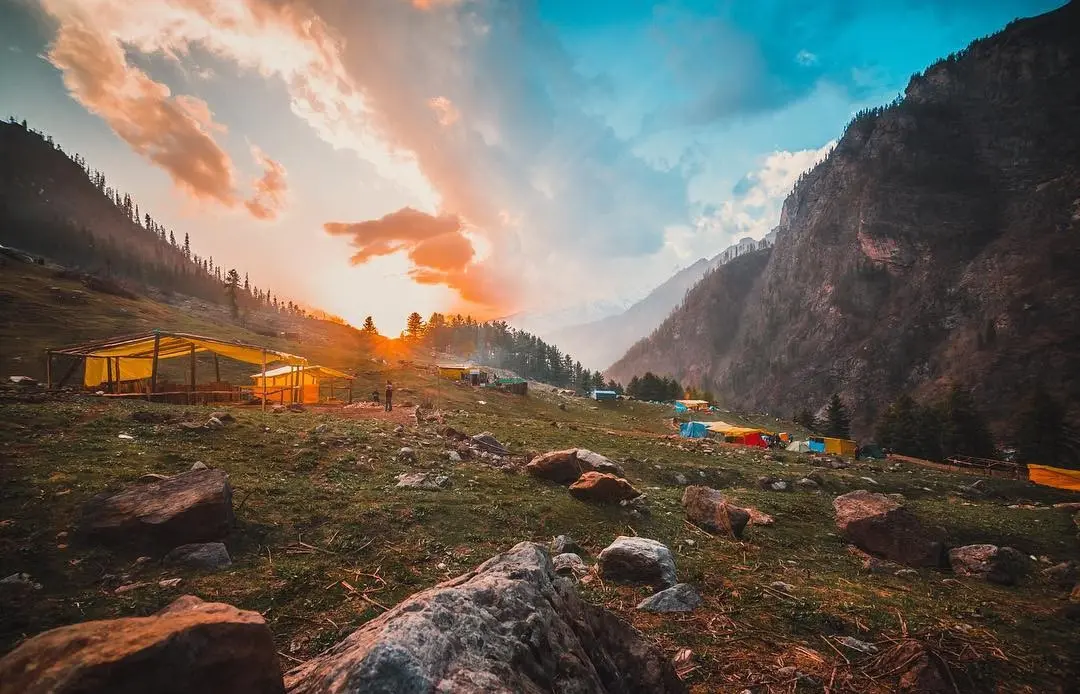 EasySummer, Autumn
Kheerganga Trek
Kheerganga Trek is a popular trekking destination in Himachal Pradesh, India. This trek takes you through the beautiful Parvati Valley, nestled in the lap of the Himalayas. The trek offers stunning views of the snow-capped mountains, lush green forests, and scenic waterfalls.The trek starts from Barshaini, a small town in the Parvati Valley, and takes you to the Kheerganga hot springs, which is a natural pool of hot water surrounded by snow-capped mountains. The trek is of beginner level and takes around 2 days to complete.The trek route passes through several small villages, apple orchards, and dense forests. The trail is well-marked and is suitable for beginners as well as experienced trekkers. You will also come across several streams and waterfalls on the way, which add to the beauty of the trek.The Kheerganga hot springs are the highlight of the trek. The hot water is believed to have healing properties and is a popular spot for relaxation and rejuvenation. The trek also offers stunning views of the surrounding mountains and valleys. Overall, the Kasol Kheerganga Trek is a must-do trek for anyone who loves adventure and nature. The trek offers a unique experience of trekking in the Himalayas and soaking in the natural hot springs, making it a popular destination among trekkers and backpackers alike.Quick Facts:Region: Kullu Valley, Himachal PradeshStart/ End Point of the Trek: KasolDuration: 2D/1NKheerganga Trek Distance: 12 kmKheerganga Trek Height: 9700 ftKheerganga Trek Difficulty Level: EasyKheerganga Trek Temperature: Day (8°C to 15°C) and Night (0°C to 3°C)Best Time to do Kheerganga Trek: May to June and September to DecemberKheerganga Trek Height:The Kheerganga Trek is situated at an altitude of about 2,960 meters (9,700 ft) above sea degree, offering trekkers stunning panoramic views of the encircling Himalayan peaks.Kheerganga Trek Distance:The general distance of the Kheerganga Trek varies relying at the direction taken, however the most common start line is the village of Barshaini. From Barshaini, the trek is approximately 12 kilometers (7.5 miles) one manner, making it a total spherical experience of 24 kilometers (15 miles).Kheerganga Trek Best Time to Visit:The best time to adopt the Kheerganga Trek is throughout the months of May to June and September to December. During those months, the climate is pleasant with clear skies, making it ideal for hiking. Additionally, the paths are highly dry and handy, making sure a secure and fun hiking revel in.How to Reach Kasol Basecamp?By Road: The main route to Kasol is the NH-3. Either self-driving or cab service are options. There are numerous companies that offer taxi services and rental cars in Kasol. For those travelling great distances, Delhi and Chandigarh serve as the base. In addition, buses from Delhi travel daily to Kasol. By Train: There isn’t a separate train station in Kasol. Joginder Nagar is the nearest railway station which is about 144 miles from Kasol. Chandigarh railway station is 296 km. You can hire a cab or take local buses from these locations to reach Kasol. By Air: The Kullu Manali Airport, also known as Bhuntar Airport and located in the Kullu district, is the closest airport to Kasol. The airport has daily flights to Delhi. You can arrange for a taxi or cab to take you from the airport in Bhuntar, which is only 31 kilometres away and will take you there in about an hour, to Kasol. 1 Night 2 Days Available on request.Kindly review the Terms and Conditions before proceeding with your booking.
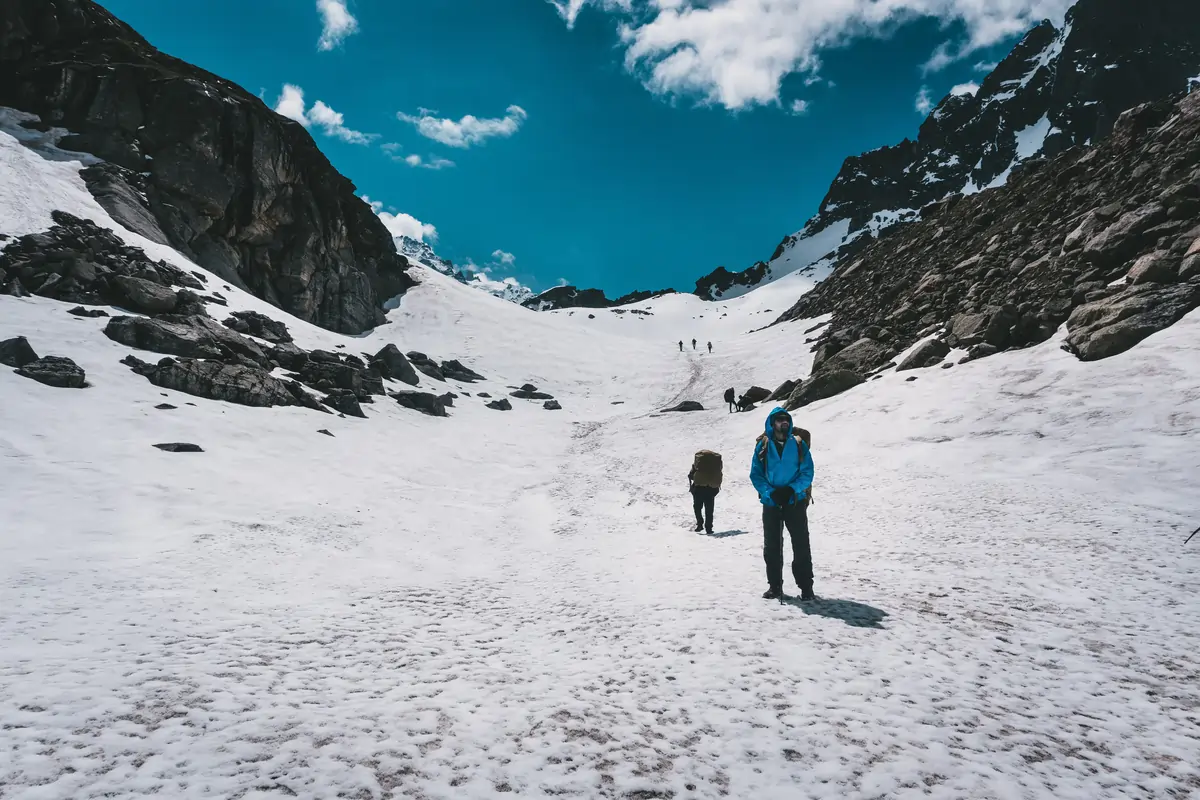 EasyWinter
Hampta Valley Snow Trek
Hampta Valley Snow Trek is a popular 3-night, 4-day trekking route in the beautiful Himalayan region of Himachal Pradesh. Hampta Valley Snow Trek is suitable for both novice and experienced trekkers, offering a moderate level of difficulty and a chance to explore the stunning snow-capped peaks, green valleys, and meandering rivers.The trek begins from the picturesque hill station of Manali and takes you through the lush green forests of pine, oak, and maple trees, as you gain altitude towards the Hampta Pass.The trek route also includes the beautiful villages of Sethan and Chika and the stunning Hampta snow valley. Trekkers can also enjoy panoramic views of the towering Himalayan peaks, including Deo Tibba, Indrasan, and Hanuman Tibba. The trek is best enjoyed during the summer months, from June to September, when the weather is pleasant and the snow has melted. The trail is well-marked, and the trekkers are accompanied by experienced guides and porters who ensure their safety and comfort during the trek.A perfect getaway for nature lovers and adventure enthusiasts, Hampta Valley Snow Trek offers a unique experience of exploring the Himalayan beauty and experiencing the local culture. With its breathtaking views, serene landscapes, and moderate level of difficulty, this trek is a must-try for anyone looking for an unforgettable trekking experience.Quick Facts:Region: Manali, Himachal PradeshStart/End Point of Trek: ManaliHampta Valley Snow Trek Duration: 3N/ 4DHampta Valley Snow Trek Distance: 30 KmHampta Valley Snow Trek Altitude: 14,000 FtHampta Valley Snow Trek Temperature: Day (8°C to 12°C) & Night (-10°C to -15°C)Hampta Valley Snow Trek Best Time: December to MarchLocation: The trek starts off evolved from the village of Prini near Manali and traverses via the scenic Hampta Valley before crossing the Hampta Pass (14,half ft) and descending into the Lahaul Valley.Duration: The trek generally takes 3N/ 4D days to finish, masking a distance of round 32 km.Best Season: The perfect time for the Hampta Valley Snow Trek is from December to March whilst the snow has melted, and the meadows are lush and inexperienced. However, for the ones seeking a true snow hiking enjoy.Highlights: The trek gives lovely perspectives of snow-capped peaks like Indrasan (20,410 ft) and Deo Tibba (20,a hundred seventy five toes), in conjunction with the possibility to witness several flowers and fauna. The spotlight is crossing the Hampta Pass, which involves trekking on snow and navigating through glacial morainesBest Places To Trek in Manali: Beyond the Hampta Valley Snow Trek Trekking at Himachal Pradesh: Himachal Pradesh is a haven for travel enthusiasts. Beyond Hampta Pass, the state offers many trekking options that appeal to everyone. From the scenic splendor of the Beas Kund Trek to challenging treks like the Pin Parvati Pass trek, Himachal Pradesh has something for every travellerManali Trekking: Manali’s several hiking trails cater to all alternatives. Whether you’re a pro adventurer or a first-time trekker, Manali has something to offer. The breathtaking environment, rich cultural historical past, and variety of trouble levels make Manali an unforgettable vacation spot on your next Himalayan escapade.Places to trek in Manali: Manali is a trekker’s paradise, Beyond the fascinating Hampta Pass, Manali offers several trekking trails, catering to big hassle degrees and picks. Here are a number of the famous trekking trails in Manali to don’t forget:Beas Kund Trek: This moderate trek, lasting 3-four days, leads you to the pristine Beas Kund glacial lake, nestled amidst beautiful alpine meadows and towering mountains. Furthermore, the route offers astonishing views of the Pir Panjal and the possibility to witness numerous vegetation and fauna.Pin Parvati Pass Trek: Calling all experienced trekkers! This tough 10-day trek traverses the scenic Parvati Valley and conquers the excessive-altitude Pin Parvati Pass. Prepare to be captivated by breathtaking landscapes, various ecosystems, and a real take a look at your physical and intellectual staying power.Chandratal Lake Trek: Gear up for a mild to challenging 7-day day journey to the Chandra Tal, additionally referred to as Moon Lake. This immoderate-altitude lake, nestled amidst the stark beauty of the Spiti Valley, offers otherworldly entertainment.Bhrigu Lake Trek: Nicknamed “The Surreal Beauty,” this mild trek unfolds over 4 days. The highlight of this adventure is the captivating Bhrigu Lake, identified for its mystical legends and waters that alternate color at some point in the season.How to Reach Hampta Valley Snow Trek Basecamp – Manali?By Air: Manali is well-connected to major cities in India via air, road, and rail. The nearest airport is the Kullu-Manali Airport, which is located about 50 km from Manali.By Train: The closest railway station is Joginder Nagar, which is about 165 km from Manali.By Bus: You can reach Manali via road by taking a bus or taxi from Delhi, Chandigarh or other major cities in.The road journey can take around 12-14 hours, depending on the traffic and road conditions.3 Nights 4 Days Available on requestKindly review the Terms and Conditions before proceeding with your booking.Find Other Winters Treks :- Kedarkantha TrekKedarkantha TrekBrahmatal TrekChandrakhani Pass
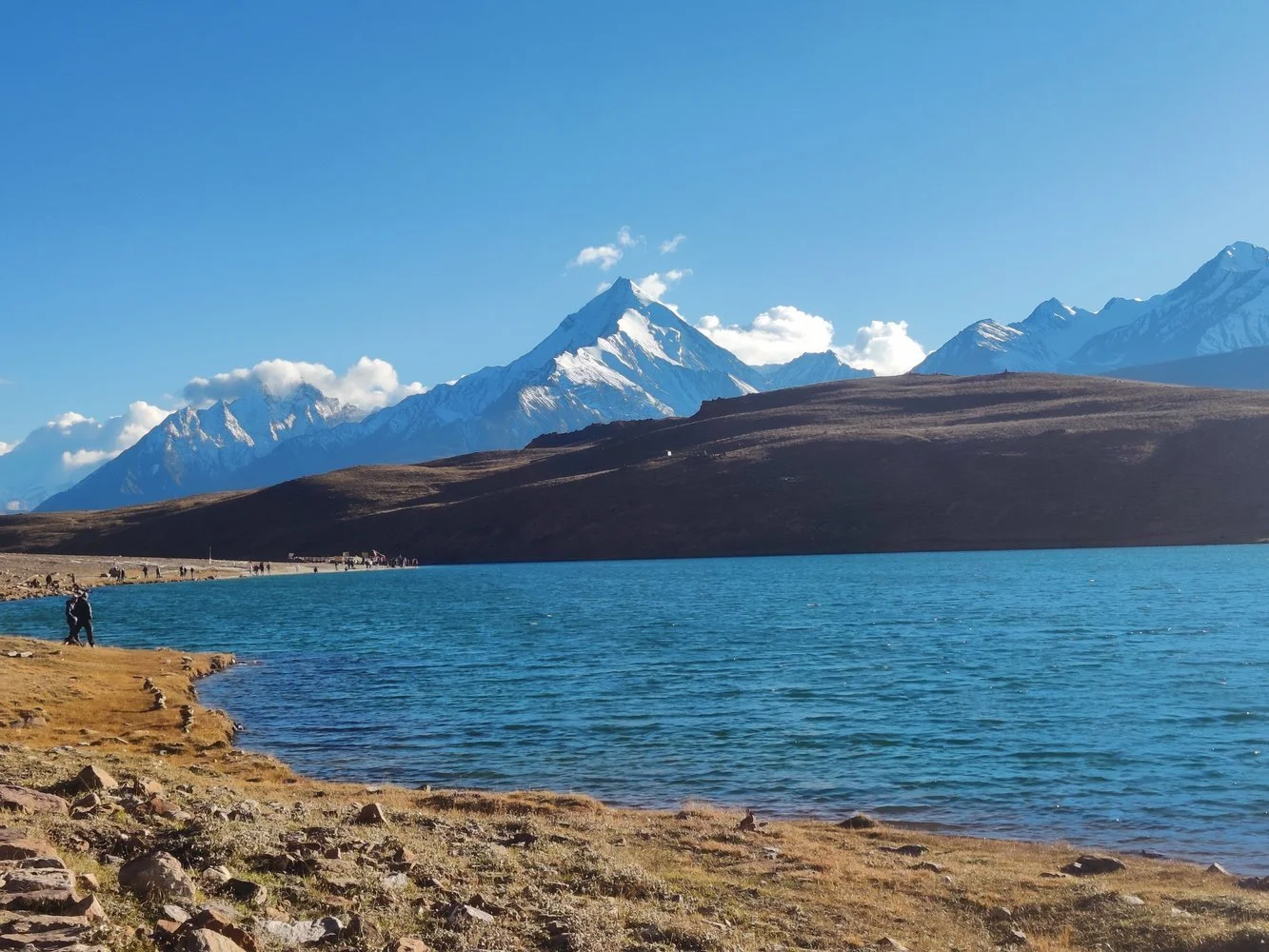 Easy-ModerateSummer, Monsoon
Hampta Pass Trek With Chandratal
Hampta Pass Trek with Chandratal is located in the Pir Panjal range of the Himalayas, Hampta Pass Trek is an extremely popular trek of Himachal Pradesh. Hampta Pass trek starts from everyone’s favorite scenic town of Manali and the beauty of lush green terrains unfolds as you proceed. The journey takes you through beautiful valleys, snow-capped mountains, and crystal-clear rivers.People also call this trek the ‘Valley of Flowers’ of Himachal Pradesh. However, you get to see the fusion of both worlds in this trek as on the other hand lies the barren area with no vegetation, almost empty side of the Lauhaul area. The diverse landscape makes the experience more enriching and the steep climb fills the adrenaline pits of adventurers!The crossover is of course dramatic, hence, a new opportunity to experience different landscapes in one trek. The trek also offers panoramic views of some of the highest Himalayan peaks like Indrasan, Deo Tibba, and Hanuman Tibba.The difference between Hampta pass trek and Chandratal:-Hampta Pass is not only attractive but also a rare experience. It is a narrow road leading out of the Kullu Valley and overlooking the long, challenging, and beautiful Lahaul Valley. The landscape of this journey is very different. This trek not only offers views of the vegetation and cool desert of Lahaul but also has the best views of the Dhauladhar mountain range. You can also take a closer look at the culture of the people who live in the highest place. Why should we go?Information About Hampta Pass Trek:-Hampta Pass trek is one of the heavenly treks that take you to an altitude of 14,010 feet. Reaching this incredible height is a feat for a short hike that can be completed in just 5 days. up to the intermediate level, making this an ideal destination for travelers. Trekkers are amazed to see how different the Himalayan landscape is without having to go on long treks. Most of the journey is difficult, except for a few sections that require climbing and careful descent. It is connected to all major cities of India by road, train, or plane. There are many Volvo buses, luxury or national transport to these cities, including Manali. There are buses and taxis to Manali from cities like Ambala-Ladun, Haridwar, Shimla, Dharamshala. You can take the Shatabdi train to Chandigarh and then hire a taxi or take a bus to Manali. You can take a train to Pathankot and then hire a taxi or take a bus to Manali. km. Many private jets and Indian airlines operate scheduled flights to Bhuntar Airport. The nearest international airport is in Chandigarh. From Bhuntar, you can take a taxi or bus directly to Manali. The first is to reach an altitude of 28 miles above sea level, covering a distance of 14,010 feet in just 5 days. The trek can be completed in 4 days, but we usually spend an extra day visiting the beauty of the highest lake, God Chandra Taal.Beginners and Experienced:-Hampta Pass Trek can be done by all beginners/experienced hikers and experienced hikers. There is no need to do this walk. This trek is less challenging compared to other Himalayan treks and the challenging terrain is evenly distributed across the stages. The difficulty of the crossing depends mostly on the weather, unlike the hiking area. Thoughts. You will be fascinated by the wonderful twists and turns in the landscape. The trek will take you through cascading waterfalls, rushing rivers, overhanging glaciers, and interesting terrain. Rapid changes from the thick forests of Chikka to tropical jungles, desert oases, and lush green valleys of Kullu, to the vertically hanging Lahaul Desert and surrounding mountains make the Hampta Pass one of the most challenging cross treks.The hamlets, and villages of Hampta and Saison give you access to the culture and lifestyle of the local people. The people living in these villages come from a community in the Spiti and Kinnar districts of Himachal Pradesh. As these villages take you back to the past, you will be forgotten, with steep climbing and challenging terrains across the beautiful Himalayan landscape. You will walk through forests, green meadows, plains, huge rocks, cliffs, moraines, and long strips of snow and ice. You can see various mountain flowers and wildflowers along the walk. Flowers in red, white, blue, yellow, pink, orange, and lavender are scattered across the continent, creating images straight out of a storybook.Chandratal LakeChandratal Lake, meaning Moon Lake, is a wonder created by nature. A visit to the high alpine lake at 14,110 feet (half the height of Mount Everest) is a must. The lake is easily hailed as the soul and soul of the Hampta Pass trek. The crescent-shaped body of sparkling water is located in the middle of the desert and is surrounded by large desert mountains.The lake is clear, green, and radiates magnetism, you need to go there to feel the brilliance of the lake. It’s as if every moment of the day paints a new picture of the sparkling lake. During the day, the blue sky is reflected, at night the water is painted a deep emerald color, and at night the sparkling water is colored with a silvery sheen. No photograph can capture the beauty of the fluorescent blue that seems to recite the holy prayer in the silence of the arid landscape. There are many legends about this place and that makes it more attractive. Chandratal is the source of the fiery river Chandra.Quick Facts:Region: Himachal PradeshStart/ End Point of the Trek: Himtrek Basecamp PriniDuration: 5D/4NTrek Distance: 35 Km Altitude: 14,107 ft.Difficulty level: Easy to ModerateTemperature: Day (12°C to 20°C) and Night (-2°C to 6°C)Best Time to do Hampta Pass Trek: June to SeptemberHere are some tips to keep in mind when hiking Hampta Pass:-- It is best not to hike after sunset because the mountain is full of wildlife. You never know what you’ll encounter in the mountain forest.- Start your journey early to cover the maximum distance easily.- Use a cane while walking.- It may not make you look beautiful, but a walking pole is a good support for long walks.- They just think you have extra legs. Make sure you have a bottle of water on hand.- It is important to stay hydrated throughout your trip.- It is important to wear good shoes.- Hiking shoes are the best choice because they have the ideal weight and cushioning.- Take longer walks with your backpack before leaving.- Hiking can get tiring very quickly and it’s best to have a good guess as you won’t find success on many trails.- Do not make noise on the mountain. Since the mountains are known for their patience, it is best to keep the volume within limits.How to Reach Manali for Hampta Pass Trek?By Air: The nearest airport to Manali is Bhuntar Airport. Keep a check on the flights from certain cities as these airports are well-connected and offer regular flights (especially from Delhi and Chandigarh) to Manali.By Bus: Buses can be booked beforehand online through apps and website bookings. However, from Delhi, there are regular stops and buses depart regularly from ISBT. The tickets are quite reasonable and the journey is comfortable and safe.By Train: Manali is well-connected with outer cities through railways as well and a lot of people use this as the way of their commute. Chandigarh Railway Station is the nearest train station to Manali. From there, you can board a local bus or private/public taxi.4 Nights 5 Days Available on requestKindly review the Terms and Conditions before proceeding with your booking
What Our Trekkers Say
Aman Malhotra
New Delhi
"Himtrek completely changed my view of trekking! The team treated us like family, and the warmth and peaceful vibes were exactly what they promised. The safety gear was top notch, guides kept a close eye on our oxygen levels. The summit climb at 4 AM was magical!"
Sneha Sen
Kolkata
"I was extremely nervous as a solo trekker, but Himtrek's experienced guides gave me immense confidence. Crossing the pass was tough but they literally held our hands through the steep snow slopes. The food was so delicious and fresh even at 13,000 feet!"
Rajesh Kulkarni
Pune
"Meticulously planned itinerary and highly seasoned crew. Ali Bugyal meadows felt dreamlike. The mountain kitchen team surprised us daily with delicious meals like hot gulab jamuns at high altitude camps! Himtrek is undoubtedly the premier trekking company in India."
Priya Sharma
Mumbai
"A perfect first trek experience! The guides were extremely patient and encouraging. The campsite view at sunset was absolutely breathtaking. Himtrek's crew made sure we were comfortable and safe throughout. Will definitely be booking my next trek with them!"
Arjun Mehta
Ahmedabad
"One of the best decisions I ever made! The Himtrek team was professional, warm, and knowledgeable. Our guide Ramesh knew every plant and bird along the trail. The glacier views near Beas Kund are unreal. 100% worth every rupee spent."
Kavita Nair
Bangalore
"Himtrek exceeded all my expectations. From the well-planned itinerary to the quality of food at base camps, everything was perfect. The guides were knowledgeable about the terrain and very safety-conscious. I felt completely secure throughout the journey."
Vikram Tiwari
Lucknow
"Went with a group of 8 friends and it was an unforgettable trip. The hot springs at Kheerganga were the perfect reward after the climb! Himtrek's logistics were seamless — no delays, no confusion. The team even arranged a bonfire with local folk music at camp!"
Meera Joshi
Jaipur
"Breathtaking views from Sar Pass! Himtrek made the entire process smooth right from pre-trek briefing to drop off at Kasol. The sleeping bags and tents were high quality. The guides were cheerful and kept morale high even on tough ascents. Absolutely loved it!"
Siddharth Roy
Hyderabad
"The most challenging and rewarding trek of my life. Himtrek's guides were highly experienced with technical mountain terrain. They monitored everyone's health closely and made the right call to acclimatize an extra day when one teammate showed altitude symptoms. True professionals."
Ananya Bose
Chennai
"A wonderful overnight trek to a magical lake surrounded by snow-capped peaks. Himtrek's team was friendly and punctual. The tents were warm and cozy despite the cold night. The sunrise over Dhauladhar range from the lake is something I will never forget. Highly recommended!"
Rohan Verma
Chandigarh
"Incredible winter expedition! The snow trails and sunrise views from the summit were pure magic. Himtrek's team made sure every safety measure was followed with perfection."
Deepa Patel
Indore
"The vibrant blooms in June 2026 were beyond beautiful. Organised seamlessly from Haridwar to Govindghat. Guides were friendly, attentive, and very encouraging!"
Aman Malhotra
New Delhi
"Himtrek completely changed my view of trekking! The team treated us like family, and the warmth and peaceful vibes were exactly what they promised. The safety gear was top notch, guides kept a close eye on our oxygen levels. The summit climb at 4 AM was magical!"
Sneha Sen
Kolkata
"I was extremely nervous as a solo trekker, but Himtrek's experienced guides gave me immense confidence. Crossing the pass was tough but they literally held our hands through the steep snow slopes. The food was so delicious and fresh even at 13,000 feet!"
Rajesh Kulkarni
Pune
"Meticulously planned itinerary and highly seasoned crew. Ali Bugyal meadows felt dreamlike. The mountain kitchen team surprised us daily with delicious meals like hot gulab jamuns at high altitude camps! Himtrek is undoubtedly the premier trekking company in India."
Priya Sharma
Mumbai
"A perfect first trek experience! The guides were extremely patient and encouraging. The campsite view at sunset was absolutely breathtaking. Himtrek's crew made sure we were comfortable and safe throughout. Will definitely be booking my next trek with them!"
Arjun Mehta
Ahmedabad
"One of the best decisions I ever made! The Himtrek team was professional, warm, and knowledgeable. Our guide Ramesh knew every plant and bird along the trail. The glacier views near Beas Kund are unreal. 100% worth every rupee spent."
Kavita Nair
Bangalore
"Himtrek exceeded all my expectations. From the well-planned itinerary to the quality of food at base camps, everything was perfect. The guides were knowledgeable about the terrain and very safety-conscious. I felt completely secure throughout the journey."
Vikram Tiwari
Lucknow
"Went with a group of 8 friends and it was an unforgettable trip. The hot springs at Kheerganga were the perfect reward after the climb! Himtrek's logistics were seamless — no delays, no confusion. The team even arranged a bonfire with local folk music at camp!"
Meera Joshi
Jaipur
"Breathtaking views from Sar Pass! Himtrek made the entire process smooth right from pre-trek briefing to drop off at Kasol. The sleeping bags and tents were high quality. The guides were cheerful and kept morale high even on tough ascents. Absolutely loved it!"
Siddharth Roy
Hyderabad
"The most challenging and rewarding trek of my life. Himtrek's guides were highly experienced with technical mountain terrain. They monitored everyone's health closely and made the right call to acclimatize an extra day when one teammate showed altitude symptoms. True professionals."
Ananya Bose
Chennai
"A wonderful overnight trek to a magical lake surrounded by snow-capped peaks. Himtrek's team was friendly and punctual. The tents were warm and cozy despite the cold night. The sunrise over Dhauladhar range from the lake is something I will never forget. Highly recommended!"
Rohan Verma
Chandigarh
"Incredible winter expedition! The snow trails and sunrise views from the summit were pure magic. Himtrek's team made sure every safety measure was followed with perfection."
Deepa Patel
Indore
"The vibrant blooms in June 2026 were beyond beautiful. Organised seamlessly from Haridwar to Govindghat. Guides were friendly, attentive, and very encouraging!"