

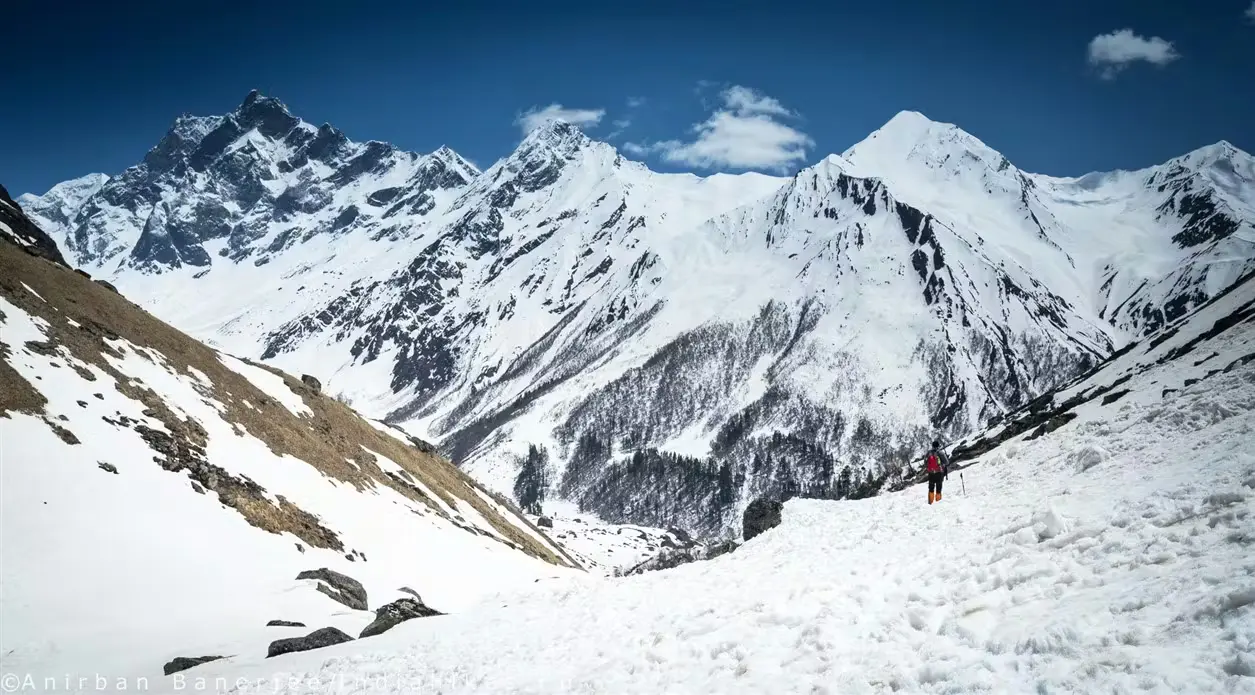

Ever heard of the Valley of Gods set deep in the Himalayas? Har Ki Dun stands as a grand valley tied to old myths and tales. Stories tell us the Pandavas passed through here on their path to the skies. Now, hikers from all parts of the world visit to see its raw charm. Let me walk you through all you need for this great trek ahead with this Har Ki Dun trek guide.
Har Ki Dun Trek Guide: Route Map and Altitude Graph
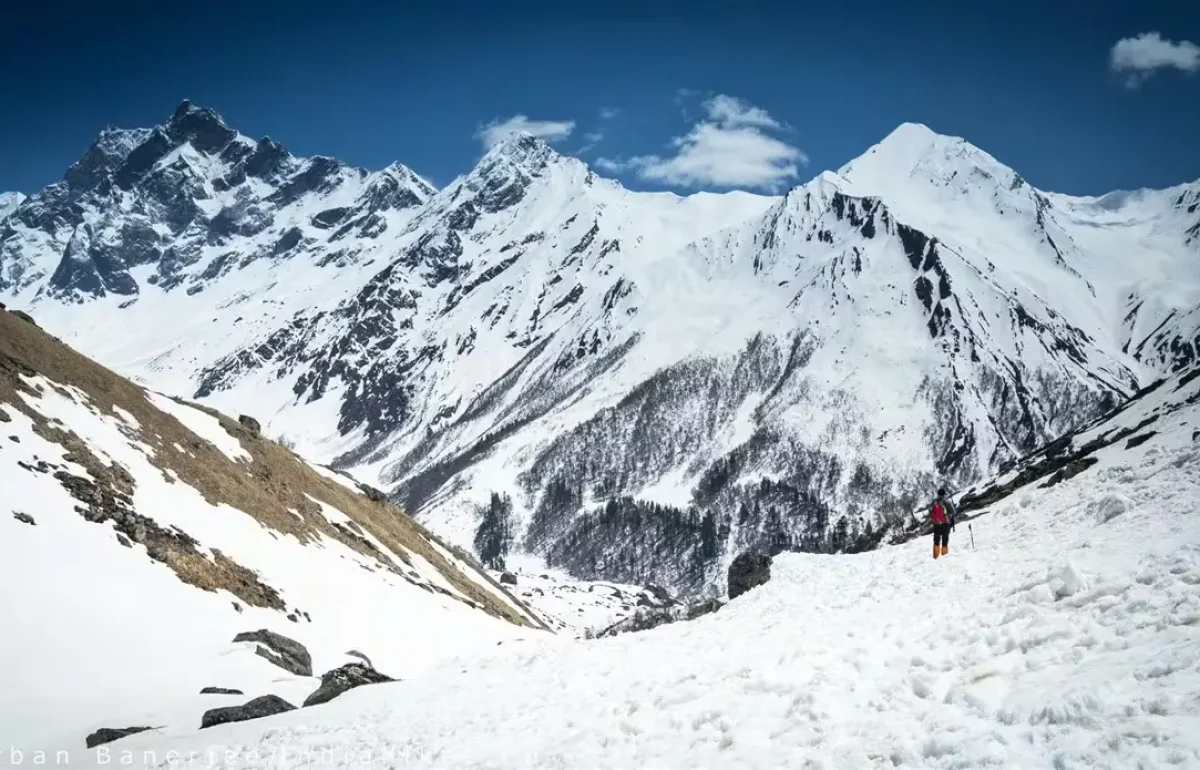
Knowing your path marks the start of any good trek you plan to do. This Har Ki Dun trek guide begins at Sankri, a small spot at six thousand four hundred feet. Your next halt takes you to Taluka, then up to Osla at eight thousand six hundred feet. The last main stop sits at Har Ki Dun base, high at eleven thousand seven hundred feet.
The full walk spans close to forty seven kilometers both ways across six or seven days. Height climbs bit by bit as you go deep into the land here. This slow rise gives your body time to cope with less air up high. The path runs next to the Supin River most of the time, which gives you water scenes.
Your route cuts through thick pine woods, wide grass fields, and old towns stuck in past times. Each new day shows fresh views and tests that keep your mind sharp and awake. The mild climb rate fits well for new hikers and skilled ones both at once. This Har Ki Dun trek guide helps you understand the route before you begin.
Essential Preparation and Fitness Guide
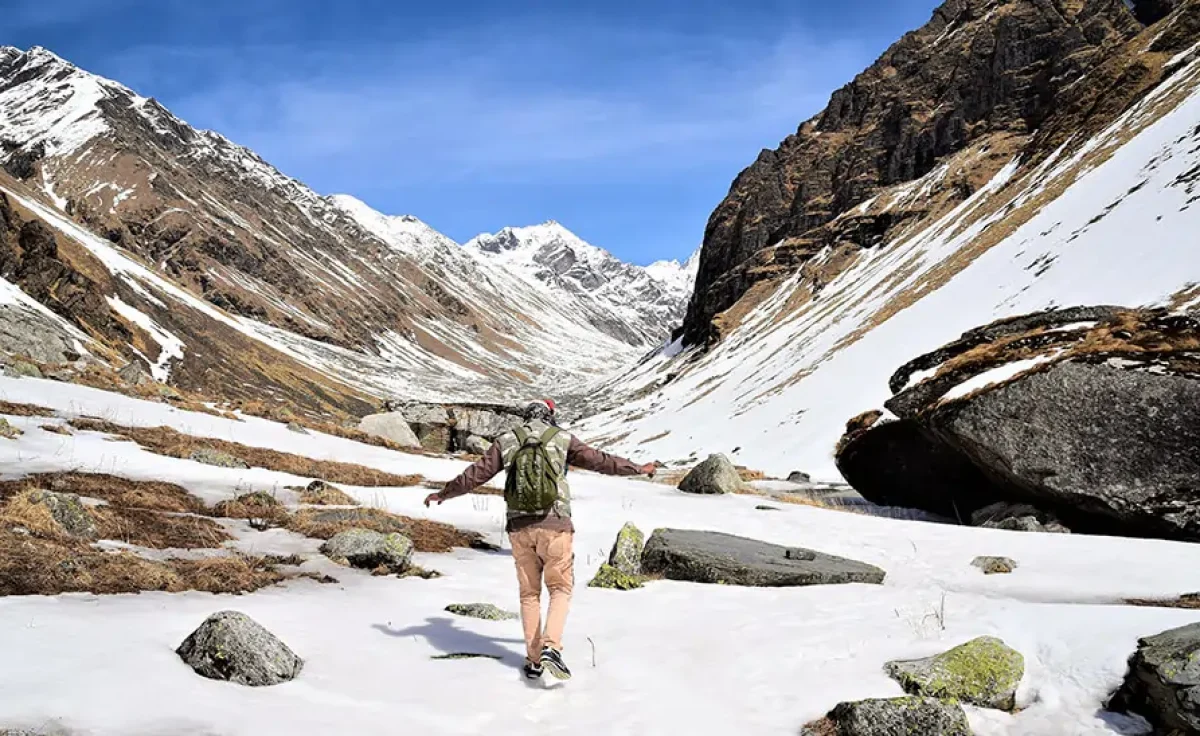
Getting set for Har Ki Dun needs some bodywork done weeks before you start. Walk or run for thirty minutes each day, starting four weeks out from your trek. Grow your strength by adding more steps and time to your walks each week now.
Try hill walks if you can find slopes near you for real trail practice. Work your leg power with moves like squats and lunges done at home daily. Strong heart health helps you deal with the thin air found at great heights much better. This Har Ki Dun trek guide recommends steady fitness training before the trek.
Pack light and wisely to keep your walk smooth and free from excess weight. Bring clothes in layers since heat shifts through the day up in these peaks. Rain coats, warm base wear, and tough boots are must-have items you need to carry. Take a strong bag, water holders, quick food bites, and a basic health aid kit too.
Mind prep holds the same weight as body fitness for treks like this one here. Stay ready for weather shifts, plain meals, and basic camp setups on your days out there. A good Har Ki Dun trek guide always stresses mental readiness along with physical strength.
Why You Need a Local Trek Guide for Har Ki Dun
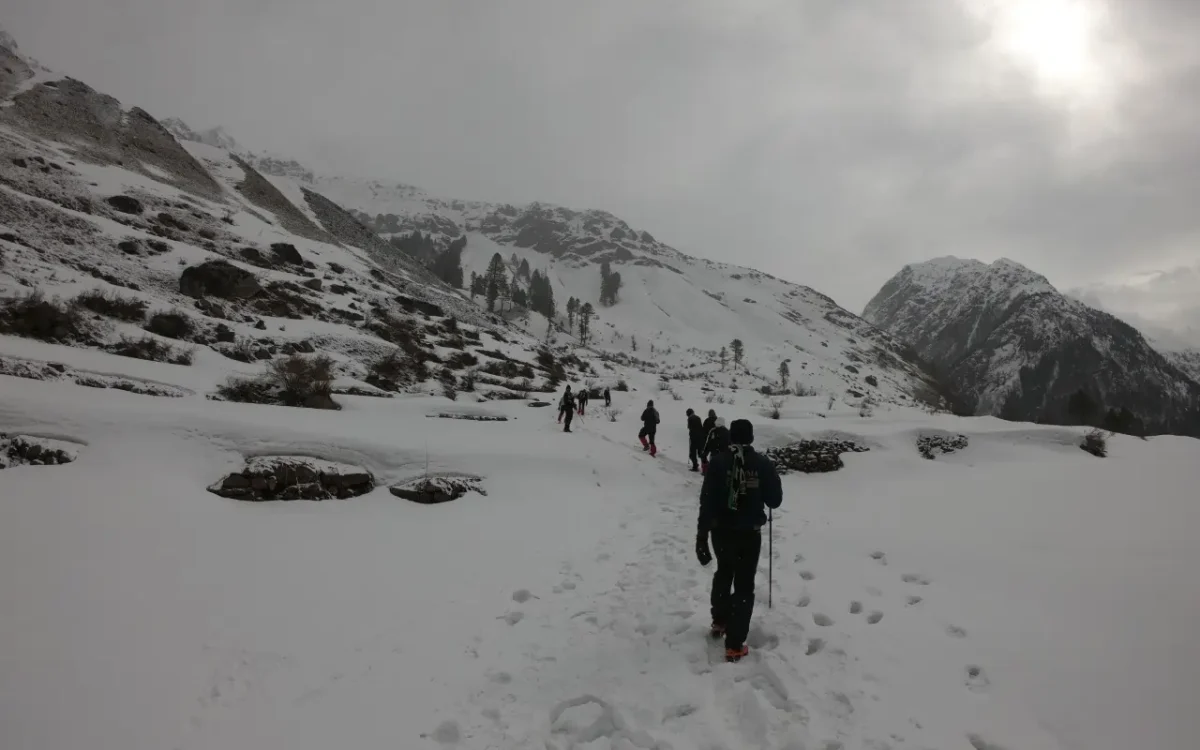
Getting a local guide makes your Har Ki Dun trek guide experience both safe and rich in value. These guides know each turn and slope like their own home ground does well. They catch risks fast and lead you past hard parts that could trip new walkers.
Safe steps matter more at great heights, where things shift fast with no signs shown. Your guide checks your state, looks for sick signs from thin air, and acts fast. They hold talk tools and know ways out if health issues strike you at once. This Har Ki Dun trek guide also highlights why trained local support is important.
Past just safety, local guides bring old tales and local ways to life for you. They tell you why spots like Oslo hold deep worth to the folks who live here. You learn their old ways, their myths, and how they blend with wild lands so well. Guides link you to town folks and help you grasp their daily life with care. The deep learning you get through a guide lifts your trek from mere steps to full growth. They take you to quiet spots, tell old stories, and link the great epic tales back. This Har Ki Dun trek guide gives you core facts to set your trip with sure steps. The Valley of Gods waits with its old myths, grand sights, and kind hill folks!
0 Comment