


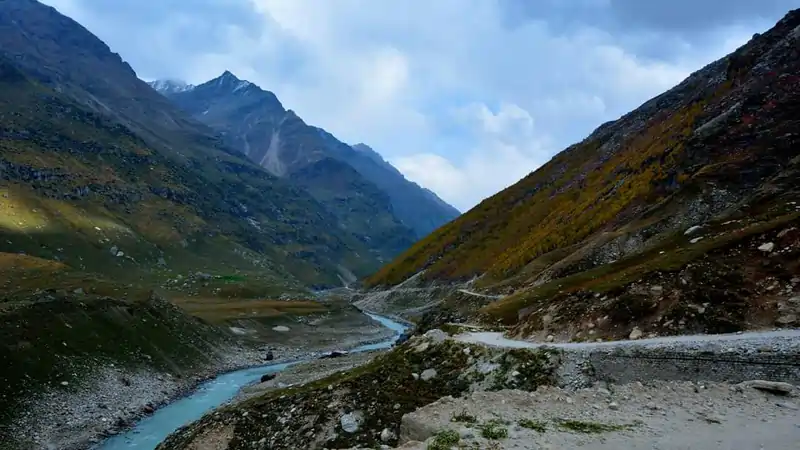
Picture earth meeting sky. Ancient monasteries grip rocky cliffs. Silence fills the air with power. Spiti Valley stands as India’s most striking high-altitude desert. This raw landscape remains pure and wild.
The Winter-Spring Bridge: Experiencing “White Spiti”
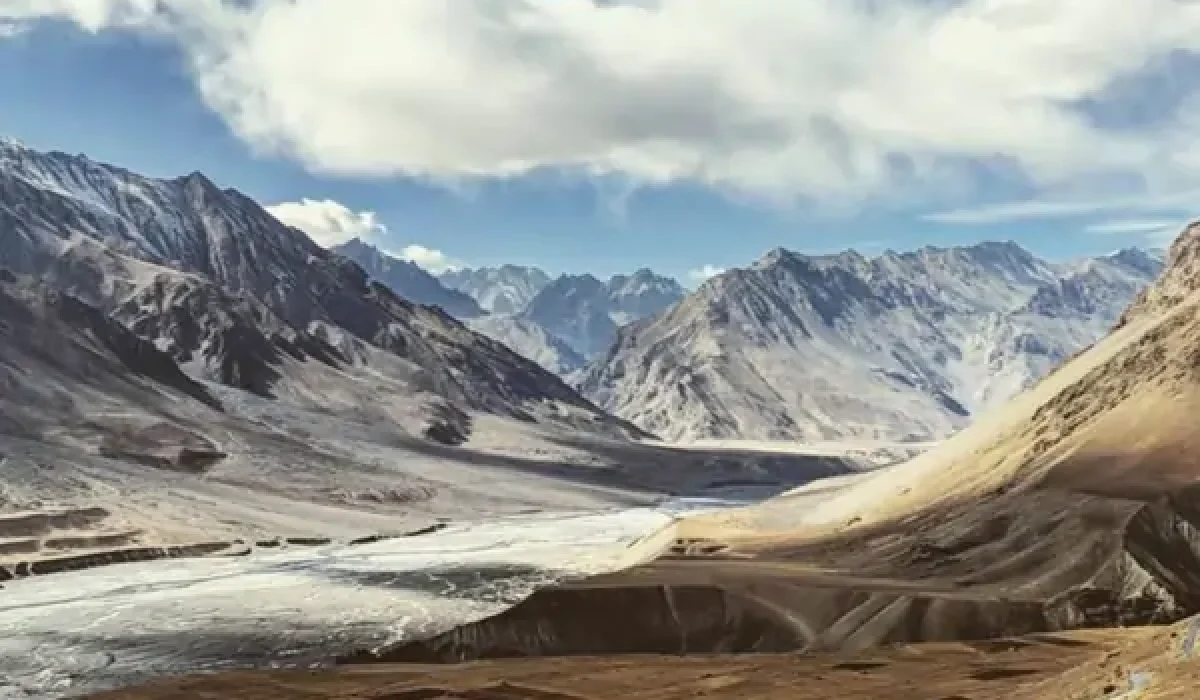
Late February through April brings magic to Spiti Valley. Locals call this phase “White Spiti” for good reason. Snow covers the land while spring slowly wakes beneath. Winter drops temps to minus thirty degrees here. This gentler season stays between minus ten and five degrees daily.
Snow wraps the peaks in clean white sheets. Views look perfect without the harsh bite of deep winter. You see all the beauty with temps that feel kind. The sun grows strong and bright each day. Days stretch longer as weeks pass by. You can walk outside without your breath freezing instantly.
Road Connectivity: Your Gateway to the Valley
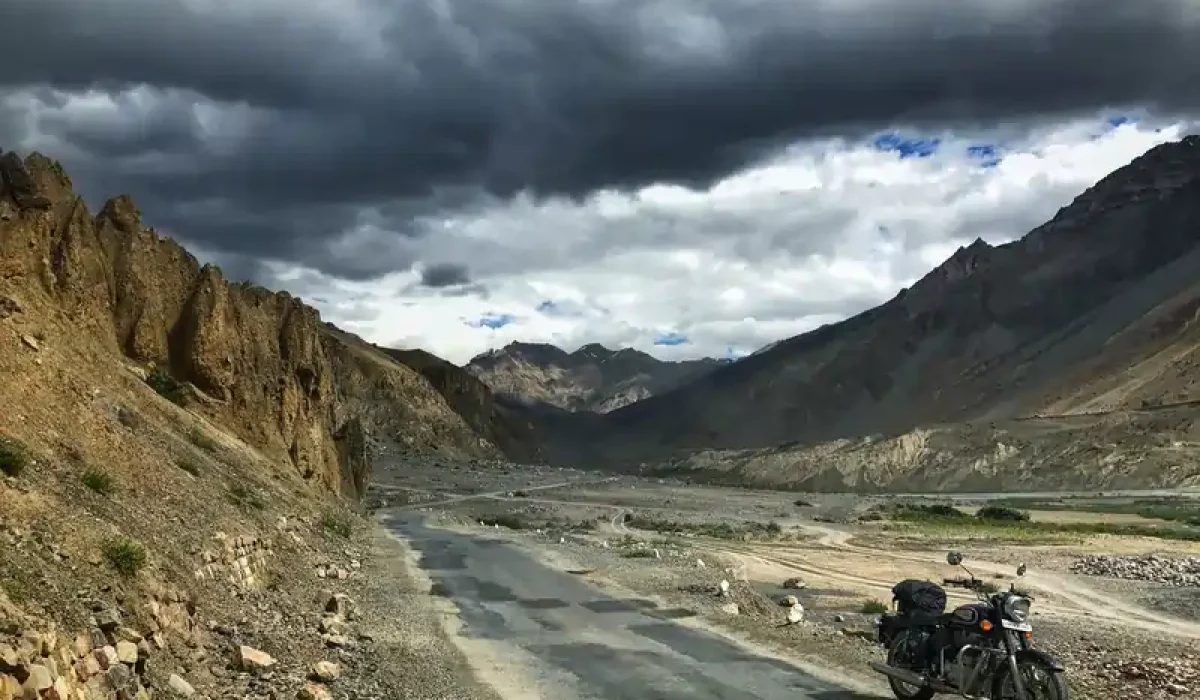
Planning your trip to Spiti Valley means knowing which roads stay open. The Shimla-Kaza highway through Kinnaur serves you best right now. This path opens each year by late January. It stays clear through the whole spring shift. The road links you straight to Kaza town in Spiti Valley.
Rohtang Pass and Kunzum Pass from Manali stay shut till late May. Deep snow buries these high mountain routes completely. Winter makes them fully blocked to all traffic. Start from Shimla if you travel during these cool months. The drive takes more time but pays you well. Sutlej River views stun every eye. Old Kinnauri villages dot the entire route beautifully.
Cultural Hubs: Life in the Monasteries
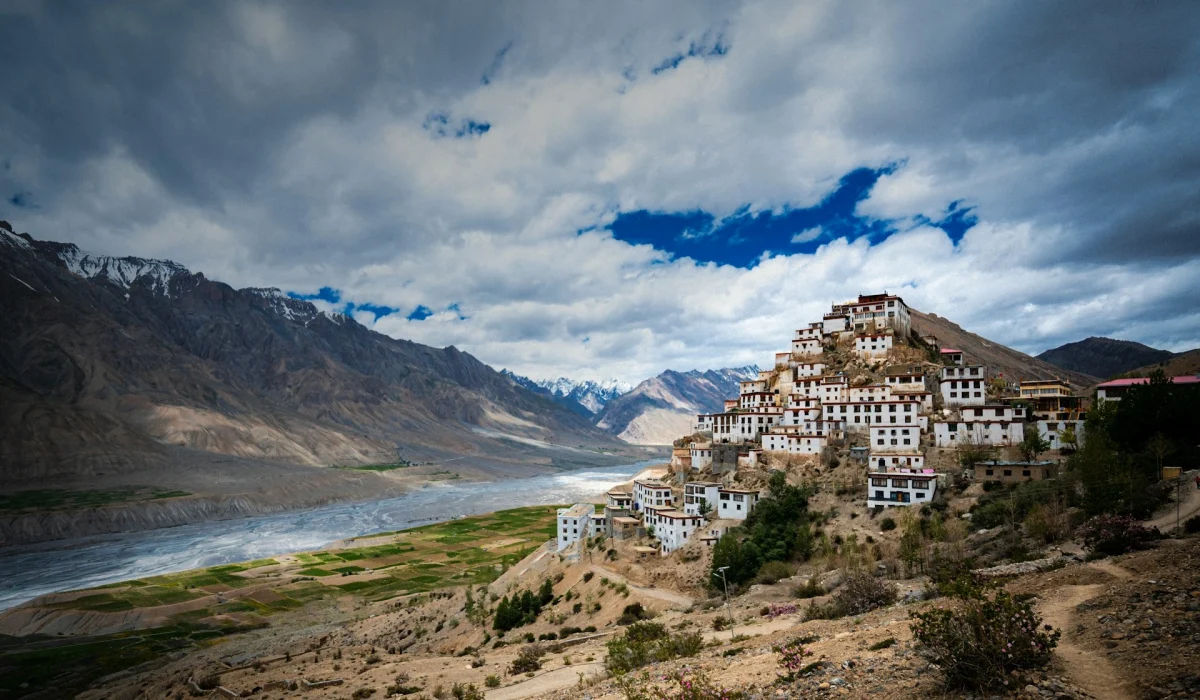
Spiti Valley’s soul lives strongest in its monasteries now. Key Monastery sits high at four thousand meters plus. Monks fill this space with prayer and calm. Daily rituals continue just as they have for ages. Saffron robes pop bright against the white snow backdrop.
Dhankar Monastery hangs on a cliff above two rivers. Spiti and Pin waters meet right below this sacred spot. Fewer visitors come during this quiet season here. You meet monks and locals in real and honest ways. Spring festival prep fills the village with busy hands. You might see rare rituals or share warm butter tea. Valley stories flow freely when you sit and listen close.
Survival Tips: Thriving in the High Desert
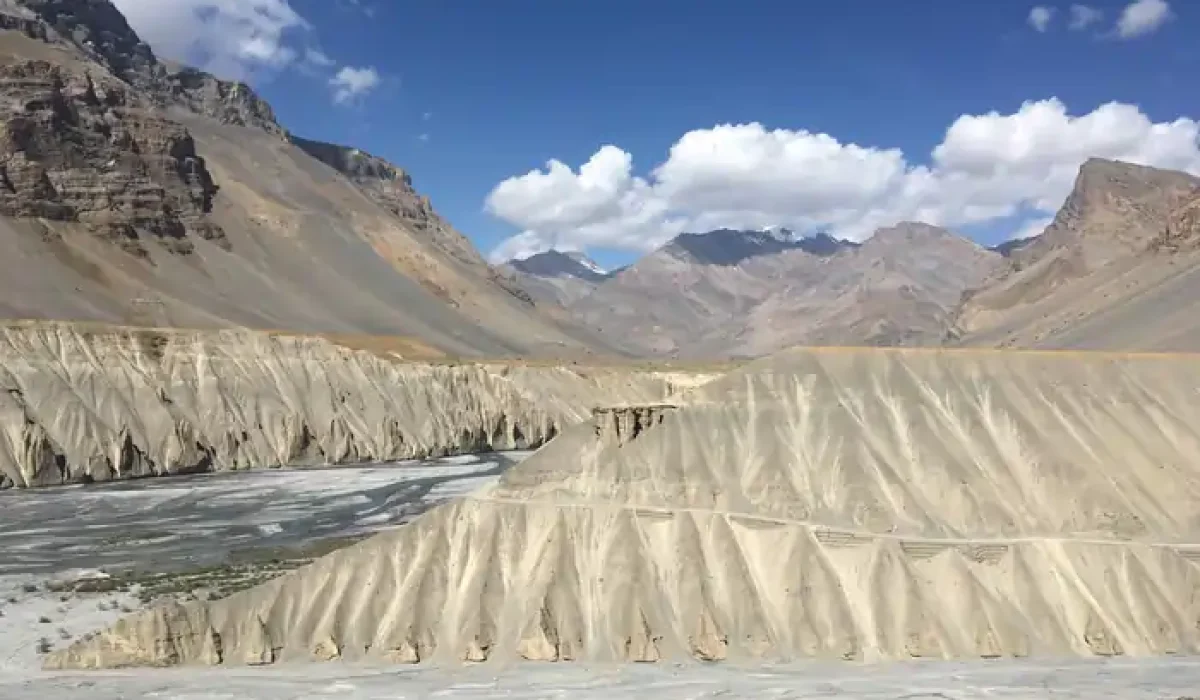
Smart prep makes your Spiti Valley trip work well. The real test isn’t just cold alone here. Dry air mixes with thin oxygen at these heights.
Water becomes your top priority every single day. Your body drains moisture fast through each breath you take. Drink four to five liters daily without fail. Thirst won’t always signal your body’s true need. Keep a bottle with you and sip all day long.
Dress in layers that work as a team together. Thermal base goes first, then fleece, then windproof shell. This beats one thick coat every single time. Pack wool socks, warm gloves, and a solid cap too.
Give your body time to adjust to high altitudes slowly. Stay one full day in Kalpa or Nako first. Then climb higher toward Kaza at a safe pace. Skip alcohol and rich food when you first arrive here.
Strong sunscreen and lip balm protect you from hidden risks. The sun hits hard at this height without mercy. Dry air cracks lips fast if you leave them bare.
Spiti Valley between winter and spring gives you rare gifts. Raw beauty meets paths you can actually reach. The desert wears its white crown with quiet grace. Summer waits beneath, ready to show its true face soon.