

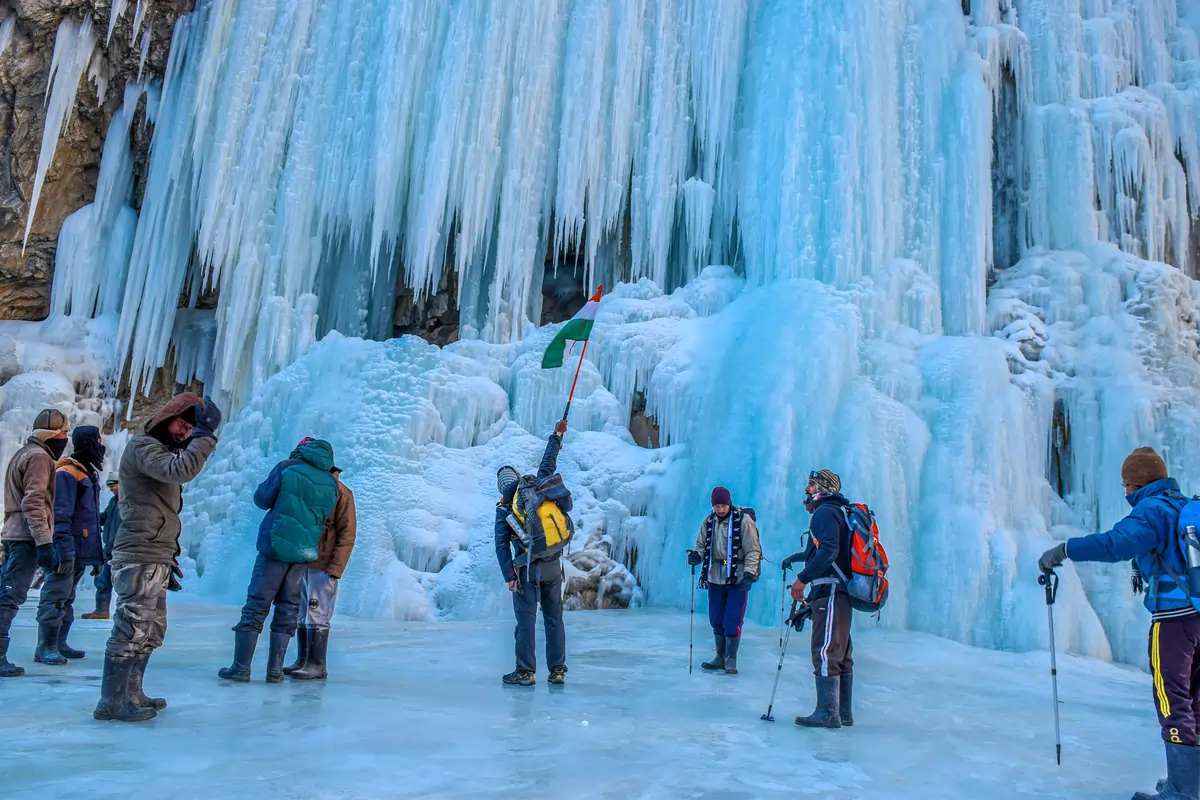

Altitude sickness, known as Acute Mountain Sickness or AMS, troubles many trekkers. This issue strikes when you climb high peaks too fast. Your body lacks time to cope with thin air up there. Learning about AMS and ways to Prevent Altitude Sickness on Treks saves trips. This knowledge also keeps you safe on mountain trails ahead and helps you Prevent Altitude Sickness before symptoms even begin.
What is Altitude Sickness?
Rising too fast stands as the main cause behind AMS. Your body takes time to build red blood cells for oxygen. Quick climbs leave your system unable to match the pace. Lack of water, harsh cold, and hard effort worsen AMS. Any person can face altitude sickness in high mountain areas. Even young and fit trekkers fall sick without proper care.
Simple Ways to Prevent Altitude Sickness on Treks
Climb Slowly and Steadily
The key rule says “climb high, sleep low” for safe treks. Never rush toward tall peaks in just a few days. Plan rest breaks so your body gets time to adjust. Climb just 1,000 to 1,500 feet each day past 10,000 feet. This slow pace lets your system adapt the right way.
Drink Water
Drink a lot of water from dawn to dusk each trekking day. High zones make you lose water fast with each breath. Try to drink at least three to four liters daily. Skip drinks like alcohol and caffeine that dry you out. Keep a water bottle close and take small sips often.
Eat Well
Never miss meals even when hunger feels low or gone. Pick foods full of carbs like rice, pasta, and fresh bread. These foods help your body pull oxygen from thin air. Small meals eaten often beat large, heavy meals every time. Stay away from oily and spicy food items.
Listen to Your Body
Never brush off the signs that your body sends to you. Stop climbing right away if head pain or dizziness hits. Rest at your current height until you start feeling normal. Don’t push yourself to match the pace of other strong trekkers. Your health holds more value than keeping up with the group.
Acclimatization Days
Add rest days into your trek plan from the start. Spend one full day at key heights to help with adaptation. Take short, easy walks at that same level during rest. This step helps your body cope without climbing any higher.
Medications Can Help
Diamox serves as a common drug to Prevent Altitude Sickness on Treks. Talk to a doctor well before your mountain trip begins. They write a prescription if your case seems to need it. Use the drug as told, often one day before you climb. Still, pills cannot replace proper rest and slow climbing methods.
When to Descend
Go down fast if signs grow worse even after rest. Dropping just 1,000 feet down often brings quick relief to trekkers. Don’t sit and hope that things will turn better soon. Bad AMS cases can end lives if left without quick action. Always trek with a guide who spots warning signs early on.
You can Prevent Altitude Sickness on Treks with smart choices and care. Move slow, drink lots, eat right, and hear your body talk. Keep in mind that reaching tops stays optional for all trekkers. Coming back down safe matters more than any summit you chase. Plan each trek with care and respect the mountains you explore to consistently Prevent Altitude Sickness and enjoy every step of your adventure.
0 Comment