8 Nights 9 Days
Up to 7 days
12 people
English, Hindi
Embarking on a road trip from Shimla to Spiti Valley promises an extraordinary journey through some of India’s most dramatic and remote landscapes.
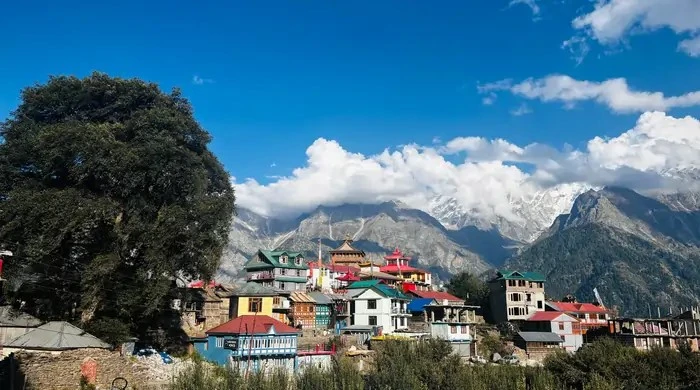
Starting from Shimla, a charming hill station known for its colonial architecture and scenic beauty, you’ll drive through the lush Kinnaur Valley, where terraced fields and apple orchards meet rugged mountains.
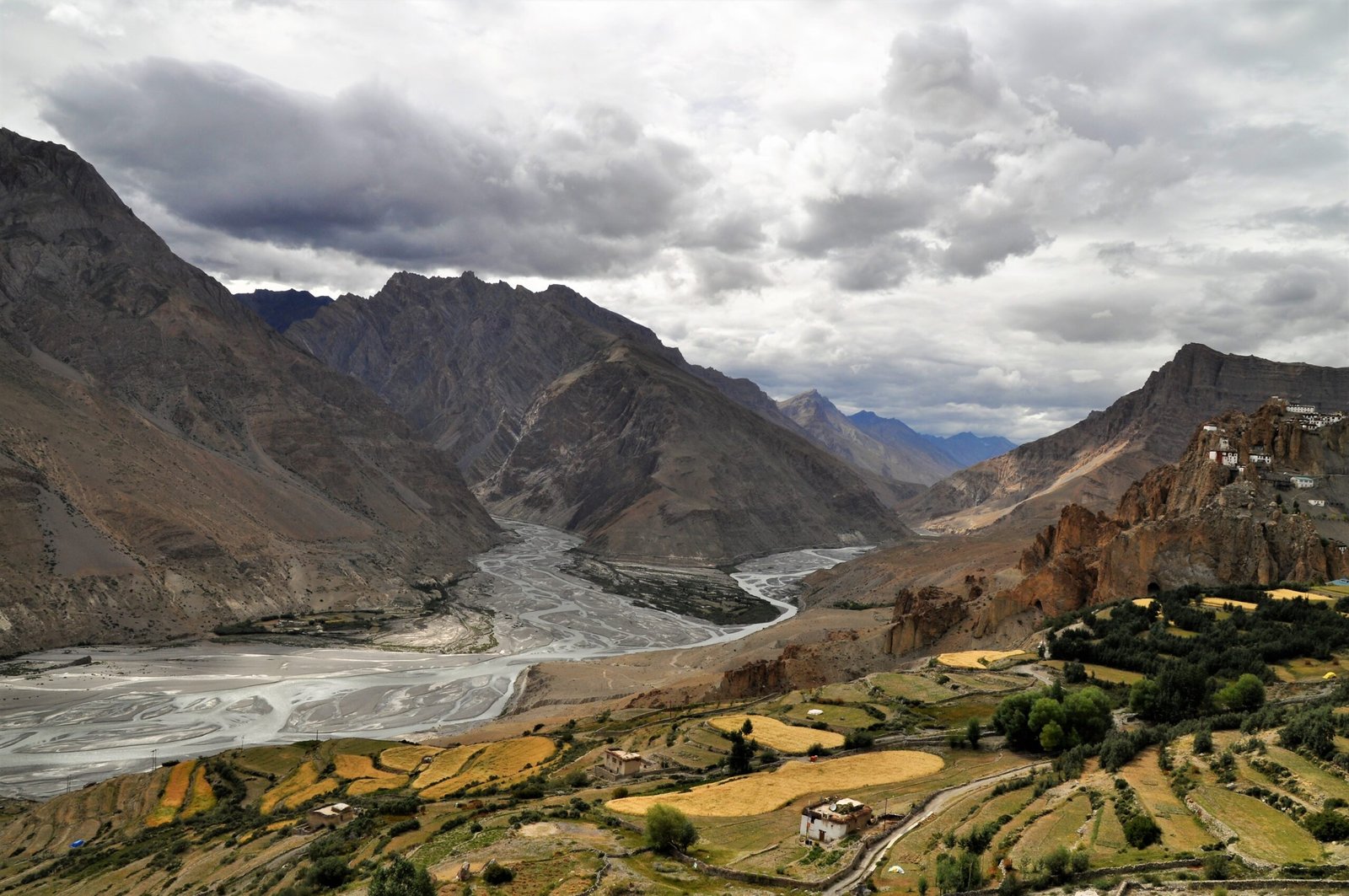
The route ascends to the stark and awe-inspiring terrain of Spiti Valley, renowned for its high-altitude desert landscape and clear blue skies. As you navigate through winding mountain roads and cross high passes like Kunzum La, you’ll witness stunning vistas of snow-capped peaks and deep river gorges.
The trip offers a deep dive into the unique culture of the region, with opportunities to explore ancient monasteries such as Key Monastery and enjoy the tranquil atmosphere of villages like Kaza and Tabo. Each turn in the road reveals new panoramas and hidden gems, from the turquoise waters of Chandratal Lake to the architectural marvels of old Tibetan-style houses.
Although the journey is challenging due to its rough terrain and high elevation, it rewards travelers with unparalleled natural beauty, rich cultural experiences, and a profound sense of adventure.
Himachal Pradesh Spiti Valley is a cold desert region. The valley, marking the starting point of Kunzum Pass, often earns the moniker “the middle land”—a term that can refer to the area halfway between Tibet and India or the region bordered by mountains on all sides. The Spiti River, which has its source east of the Kunzum Pass, flows through the valley’s centre and is responsible for both the district’s and valley’s names.
Spiti Valley’s history depicts the Mesozoic Era. Approximately 150 million years ago, the Earth’s landmasses divided into Laurasia and Gondwana. Between these continents used to lay the sole ocean, the Tethys Sea.
The Himalayas were created as a result of the collision of these two continents as they began to drift in the same direction. The Tethys Sea vanished, and the once-alive marine life perished and became fossilized. The Tethys Sea used to be in the Spiti Valley, a region of the trans-Himalayan range, and some of the fossilized animals can still be seen there.
It is simple to locate fossil imprints on stone, and while you are here, you will see stores selling them.
Spiti Valley is home to several must-visit attractions that are utterly captivating. Highlights include the ancient monasteries of Tabo and Key, the remote villages of Kibber and Langza, and the awe-inspiring Chandratal Lake, which remains frozen during winter. These attractions provide a glimpse into the region’s history, spirituality, and natural wonders.
One should travel to this serene location since the Spiti valley trip is one of India’s undiscovered adventure locations. A road trip to Spiti Valley can be a truly magical and unforgettable experience.
The Spiti Valley Road Trip from Shimla has its starting point in Delhi, the capital of the country. To reach Delhi, you can choose from any of the following transport options –
By Road –
Delhi is very well connected by road with all the major cities of the country.
By Train –
Delhi has multiple railway stations and almost every other major railway station of the country is connected to Delhi via train.
By Air –
Delhi has Indira Gandhi International Airport, which is well-connected nationally, and internationally, with frequent flights from all over the world by top airlines.
8 Nights 9 Days
Available on request
Kindly review the Terms and Conditions before proceeding with your booking.
https://www.youtube.com/watch?v=VIBw9QLKfCY
Your Spiti adventure begins the moment you step into the vehicle. Evening departure from Delhi sets the mood as the city skyline gives way to open highways.
Wake up to crisp mountain air as you push deeper into Himachal. Today's board your tempo traveller and drive is a visual feast of valleys, rivers, and apple orchards.
Today the landscape begins its dramatic transformation — green gives way to desert, forests to rock. You are crossing into another world.
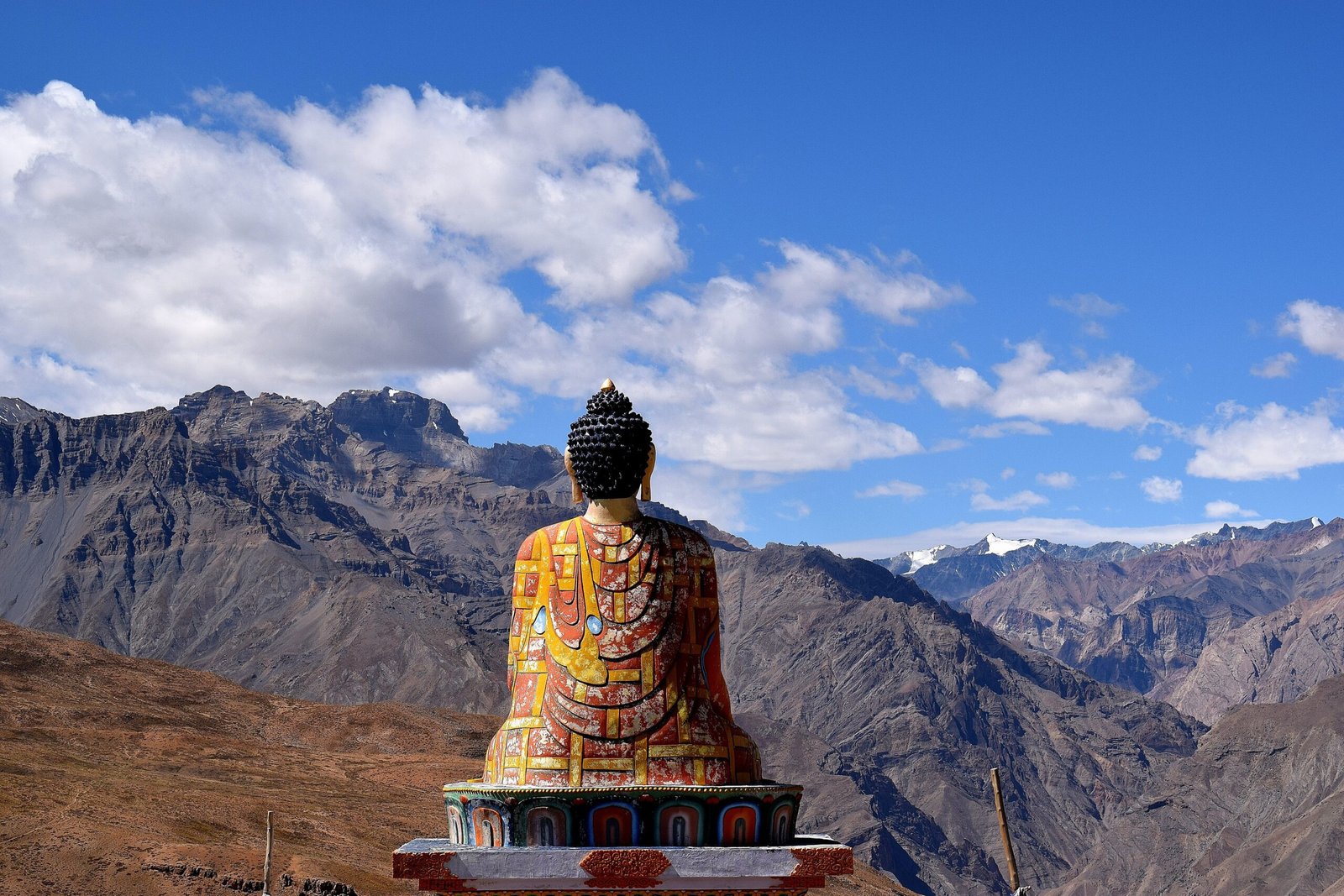
Today, you enter the very heart of Spiti Valley, where ancient monasteries, dramatic cliffs, and timeless Buddhist culture greet you at every turn.
Today you climb to the top of the world — literally. The villages and monasteries of today's circuit are among the highest permanently inhabited places on Earth.
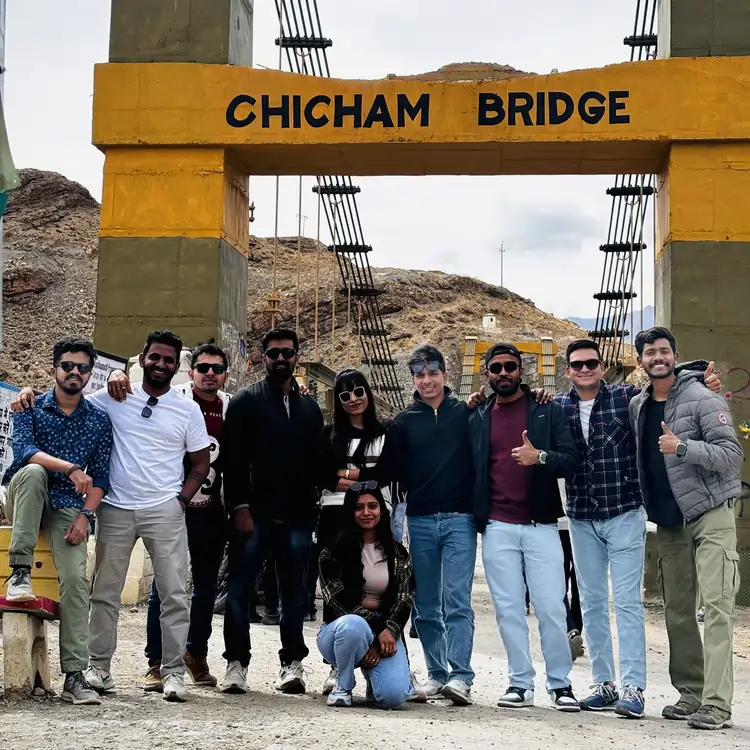
This is the day the adventure dial goes to maximum. Rough terrain, high passes, Asia's highest bridge, and the jewel of the Himalayas — the Moon Lake.
The wilderness gives way to green valleys as you make your way back to civilization. But not before one last thrilling stretch of mountain road.
A well-earned slow morning in Manali. Explore the town, pick up souvenirs, and soak in one final taste of the mountains before heading home.
The ideal window is mid-June to mid-October. July to September offers the best road access on the full circuit (Shimla–Kinnaur–Spiti–Manali), though July and August bring some monsoon risk on the Kinnaur side. Early June and October offer fewer crowds and dramatic landscapes but some high passes may have restrictions. We advise against attempting this circuit between November and May due to heavy snowfall and closed passes.
This trip involves long drives on rough mountain roads, high-altitude camping, and some easy walking. It is moderately challenging due to altitude (up to 4,590m at Kunzum Pass) but does not require prior trekking or climbing experience. A reasonable level of physical fitness and a positive mindset are all you need. Our Trip Captain will guide you through acclimatization at each stage.
Mobile connectivity is extremely limited and often unavailable across most of the Spiti circuit. Expect no signal in Chitkul, Nako, most of Spiti Valley, and the Chandratal camping area. BSNL SIM cards have the best (though still patchy) coverage in the region. Consider this a digital detox — the disconnect is one of the most liberating parts of the experience.
Key items include: warm layering (thermals, fleece jacket, and a down jacket or heavy outer layer), waterproof jacket and trekking pants, sturdy closed-toe shoes or trekking boots, sunscreen (SPF 50+ — UV radiation is intense at altitude), UV protection sunglasses, a reusable water bottle (minimum 1.5L), personal medications, a power bank, a small daypack, and energy snacks. A full packing list will be shared after booking.
Accommodation varies by location to give you the authentic experience of each region. In Shimla, Sangla/Chitkul, Nako, Kaza, and Manali, you stay in clean, comfortable hotels and guesthouses with attached bathrooms (hot water availability may vary). At Chandratal, you stay in insulated Swiss tents with shared facilities — this is the most rustic and memorable night of the trip.