


Mountains, forests, and wild views pull us into nature’s embrace. More hikers now walk these trails each year. Our wild spaces feel this growing pressure. An Eco-Friendly Trekker knows it is still possible to explore while keeping nature safe. Learn to trek with care and protect what you love.

Pack Smart, Pack Light

Good habits start at home before your first step on the trail. Bring bottles you can use again instead of buying plastic ones. Store snacks in bags made of cloth or in hard cases. This choice cuts down waste and makes your pack lighter too. A light load means your back stays strong and pain-free. An Eco-Friendly Trekker always carries a small bag for trash and takes out all they bring. Even fruit peels need to come home with you. These items draw in animals and take months to break down.

Stay on Marked Trails

Shortcuts may look quick, but they harm the land around you. Marked trails keep fragile plants and soil safe from damage. When you step off the path, you crush roots and wash away dirt. Animal homes get disturbed when people wander where they should not go. Every Eco-Friendly Trekker knows that set paths protect nature while keeping you from getting lost. These trails work like doors that let you in without breaking things. They show you where to walk so wild places stay wild.

Respect Wildlife

You visit the home where animals live each day of their lives. Watch from far away and never offer them your food. What you eat can make wild animals very sick. It also changes how they act in ways that hurt them later. Store your food well when you camp so animals stay away. Use your camera from a distance and bring glasses to see better. An Eco-Friendly Trekker understands the best moments happen when animals stay free and act as they should.

Leave No Trace

Every Eco-Friendly Trekker should know these core rules by heart. Take all trash with you when you leave, even use toilet paper. When you need to go, dig a hole far from streams and creeks. Bury waste the right way to keep water sources pure and clean. Do not wash your body or dishes with soap in lakes or streams. Even soap that claims to be safe still harms water over time.

Choose Eco-Friendly Gear

Pick brands that care about the earth when you buy new gear. Many shops now sell items made from old materials given new life. Good gear costs more at first but lasts for many years ahead. This saves money and keeps waste out of dumps. An Eco-Friendly Trekker may also borrow or rent what they need for trips taken just once. New items often sit unused and take up space at home.

Support Local Communities

Hire guides who live near the trails you want to explore. Stay in places run by people from that area. This gives them good reasons to guard the land they call home. Shop at small stores instead of bringing all your goods from town. The money you spend helps keep wild areas safe for years ahead. Local folks know the land best and share what they have learned. Your choice to buy local builds a bond between people and nature.

Spread the Word

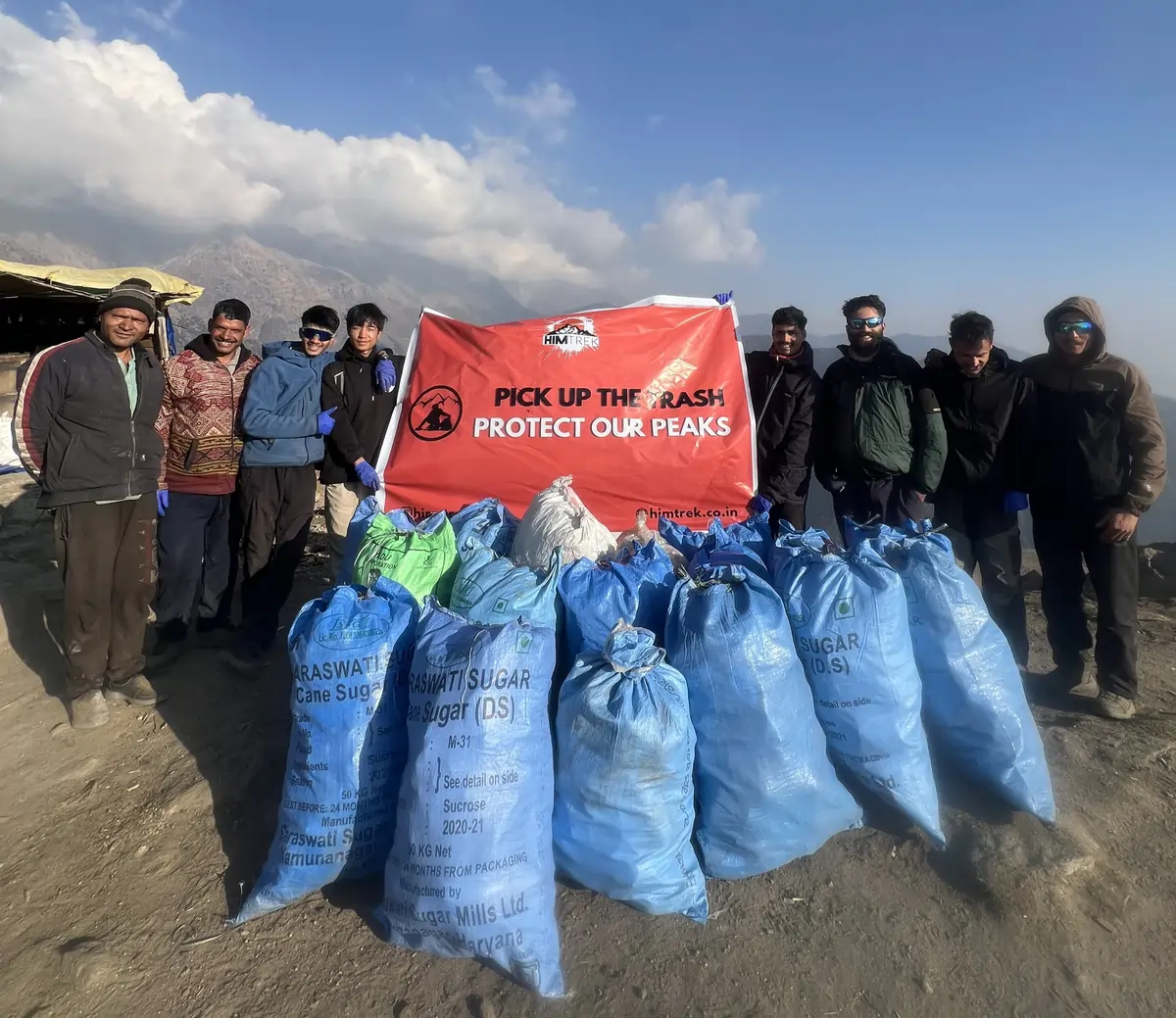
Show others how to hike with care and share what works well. Talk about your green habits with those you meet on trails. Pick up trash when you see it, even if it is not yours. Small acts inspire others to do the same thing. One person starts, and more follow close behind. Being an Eco-Friendly Trekker means leading by your actions each day. You become part of a group that values nature above all else.

Green hiking does not require complex plans or special skills. It asks you to think before you act and respect what surrounds you. Each small choice adds up to create real change over time. When we all play our part, trails stay beautiful and strong.