

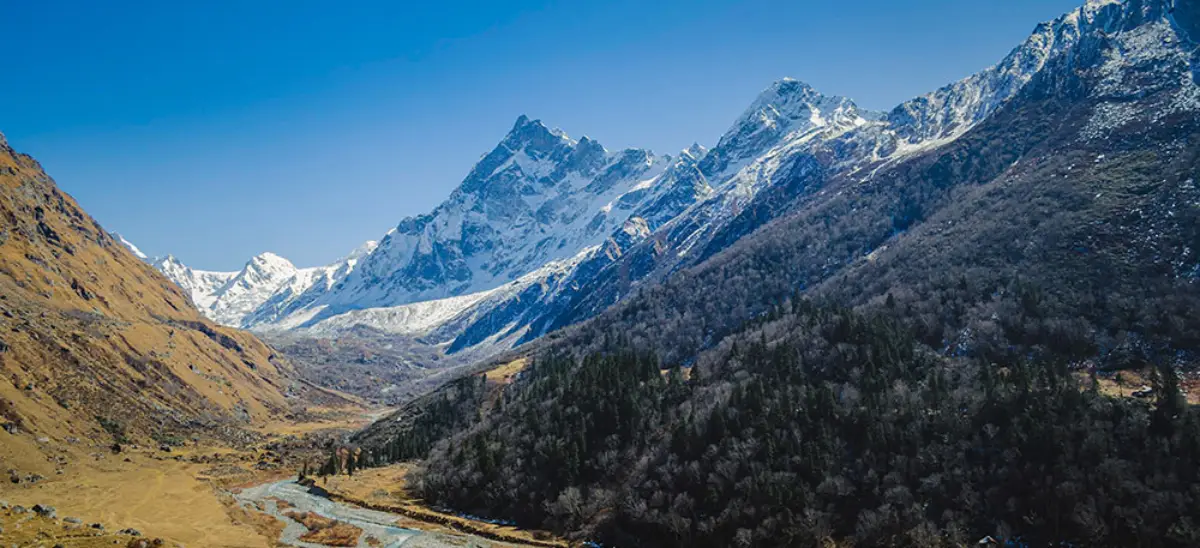

Do you crave a walk through a land that feels like art comes alive? Har Ki Dun trek in November holds true magic in every step you take. People call it the Valley of Gods, and it shows fall at its peak. The hues, the sights, and the calm paths burn into your mind forever.
Why November is Special
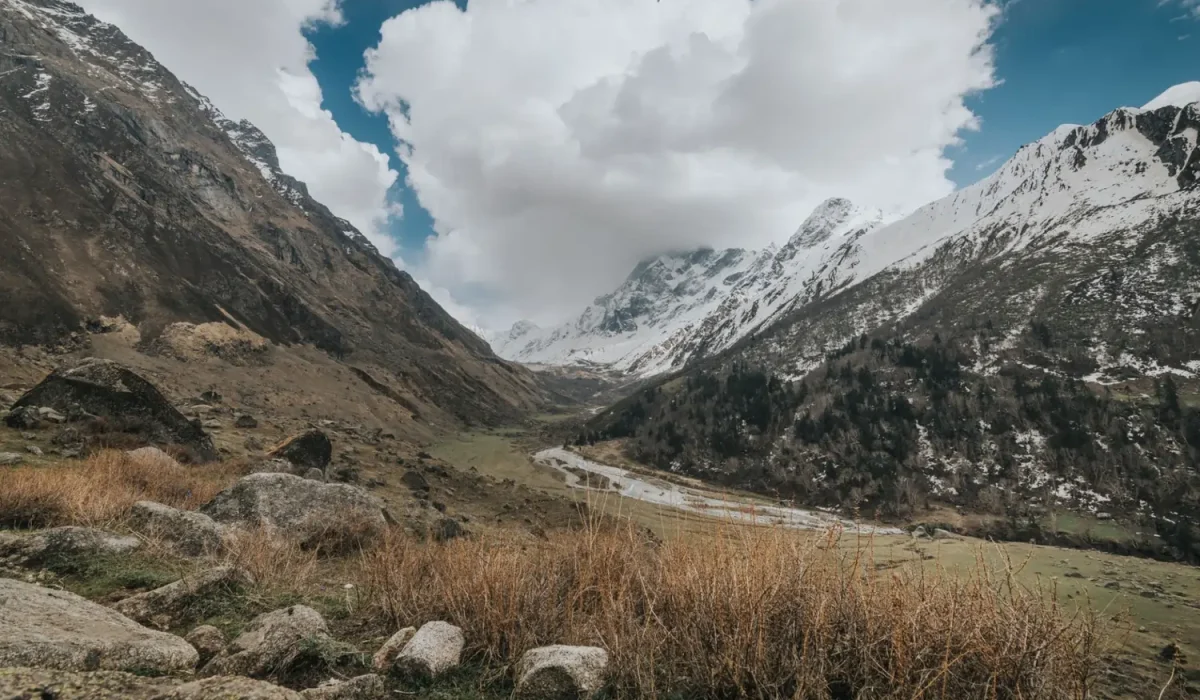
November changes the Har Ki Dun trek zone into a land full of bright tones. The trees shift to gold, rust, and flame red just before the snow months. The air stays nice with cool days and crisp nights that feel just right. Clean skies let you see white peaks that ring the valley in full view.
The rains have left, which means the trails stay firm and safe for your boots. Streams move soft and slow, and the breeze carries soil and leaf scent thick. This month brings the sweet spot where fall charm meets the first touch of cold.
Getting to the Starting Point
Your Har Ki Dun trek starts at Sankri, a small hamlet tucked in the Uttarakhand hills. You reach Sankri by car from Dehradun, a trip that lasts close to 8 or 10 hours. The road winds through curves and passes small hill towns that catch your eye.
Sankri holds simple guest rooms and small stores where you pause and rest before you climb. From this spot, you ride on to Taluka, where your feet finally hit the trail. The real trek fires up once you step out of the car and shoulder your pack.
The Trek Trail
The Har Ki Dun trek sits at mid-level for effort and needs about 6 to 7 days. The path runs next to the Supin River and cuts through thick pine and tall deodar woods. During November, these groves turn into scenes of wonder with dry leaves spread on the ground.
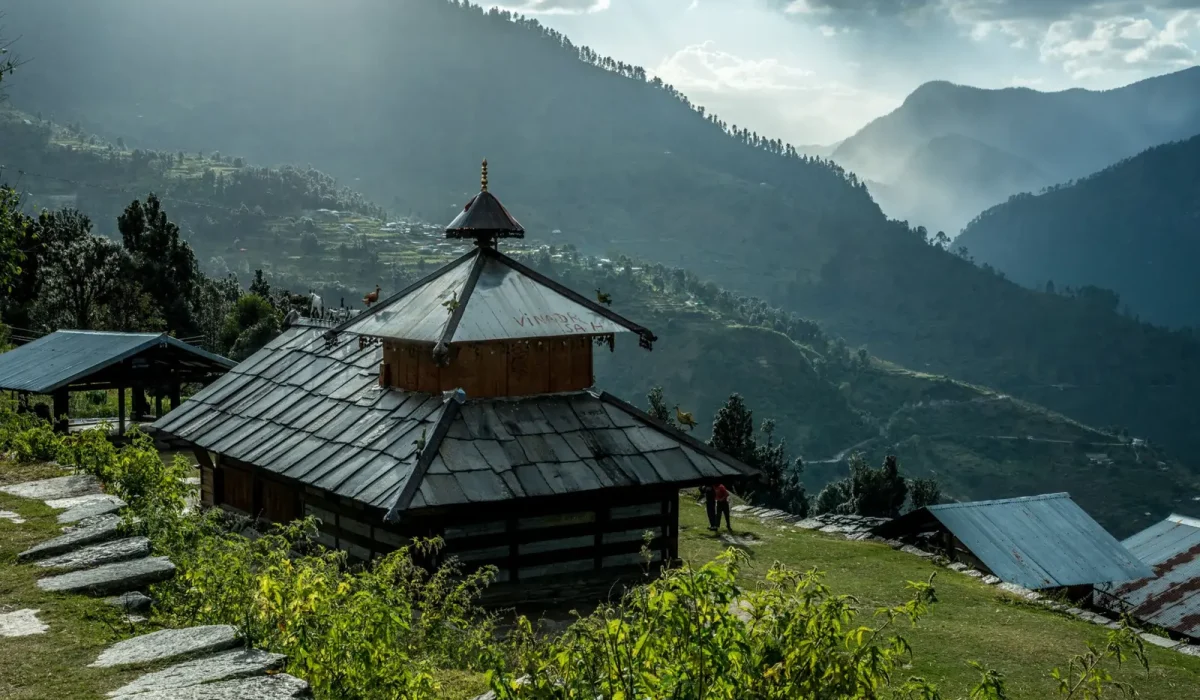
You pass through old hamlets like Osla and Gangad, where time seems to pause and drift. The folks here greet you warmly and hold tight to ways passed down through the ages.
Their wood homes and stepped crop plots bring a touch of old-world grace around. As your climb lifts you high, the valley spreads wide and strikes you with its scale.
Reaching Har Ki Dun Valley
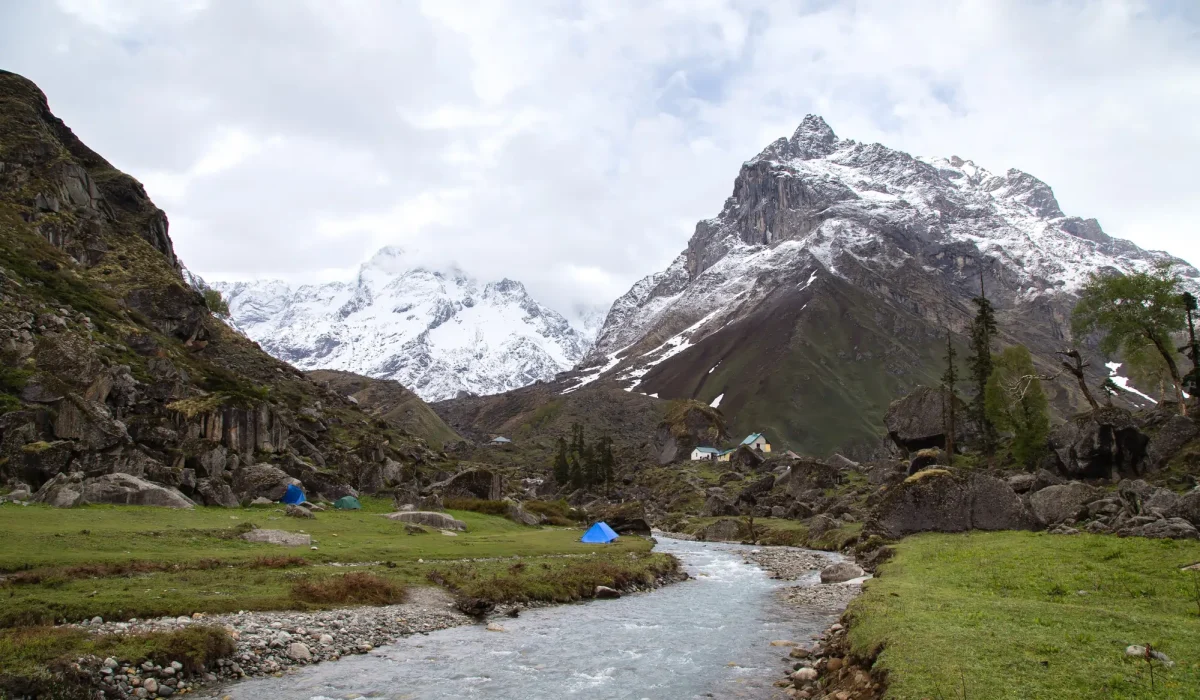
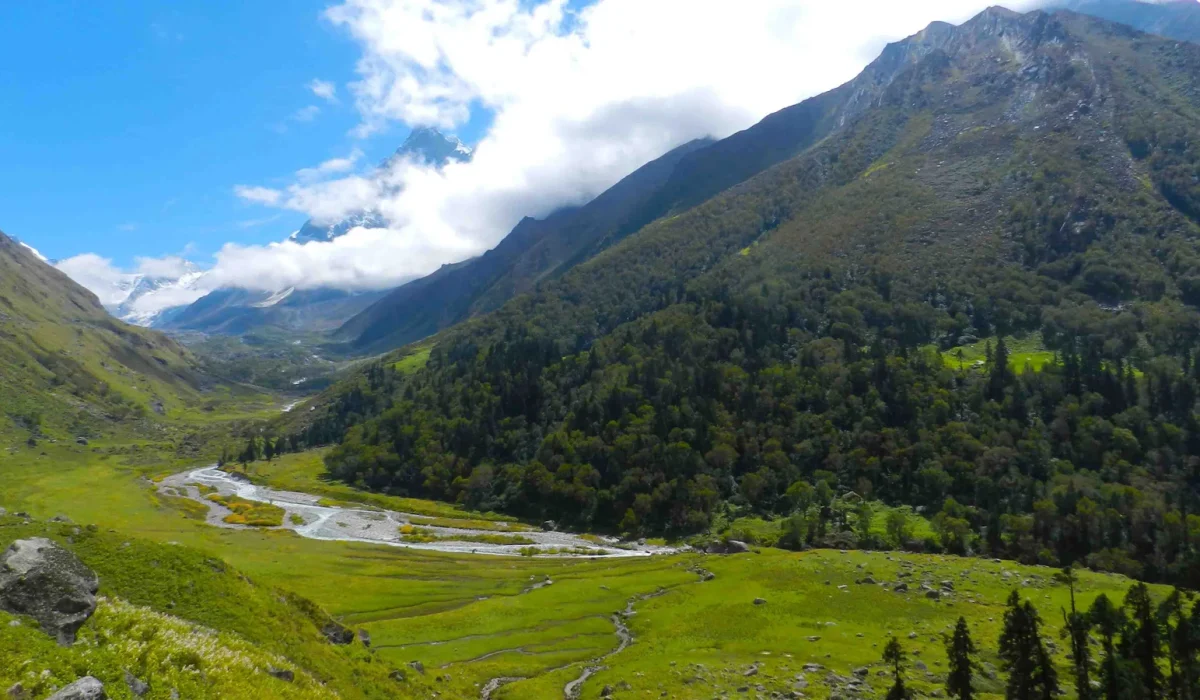
Once you step into the Har Ki Dun Valley, the view steals words from your mouth fast. The wide flat land rests at 3,566 meters with high peaks standing guard on each side. Swargarohini peak rules the view, tall and bold like a stone throne above.
Old tales say this spot saw the Pandavas climb to the realm of the gods long back. The valley base stretches vast and still, with water gliding softly through the heart. In November, white snow dots show up on the upper slopes near the sky. The fall grass takes on a brown gold shade that plays sharply against the white crowns.
Wildlife and Nature
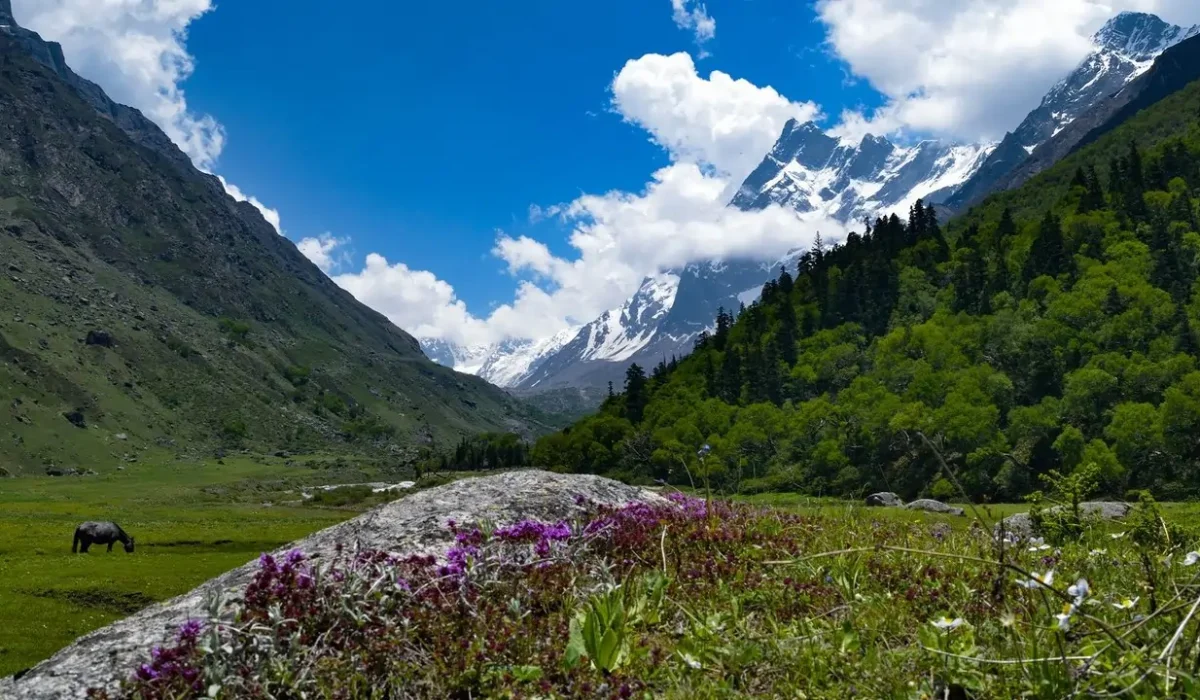
This zone holds rich life in its woods, though beasts keep out of plain sight. You may catch Himalayan birds in flight, and with luck, wild goats perched on far ridges.
The woods house many kinds, which makes this place vital for the earth’s green health today. The hush here feels clean and mends your tired spirit, cut only by soft bird song.
What to Pack
November cold calls for wise gear choices when you plan the Har Ki Dun trek route. Fill your bag with heat base layers, a heavy coat, hand guards, and a wool head wrap. Strong trek boots prove key for rough stone and bumpy ground you will cross each day.
Toss in a rain shell just to be safe, plus sun block and shades too. Carry your drink flask, quick fuel snacks, and a small med pack for scrapes or pain. A lens device is a must to freeze those rich fall shades in frames you keep.
Trek Difficulty
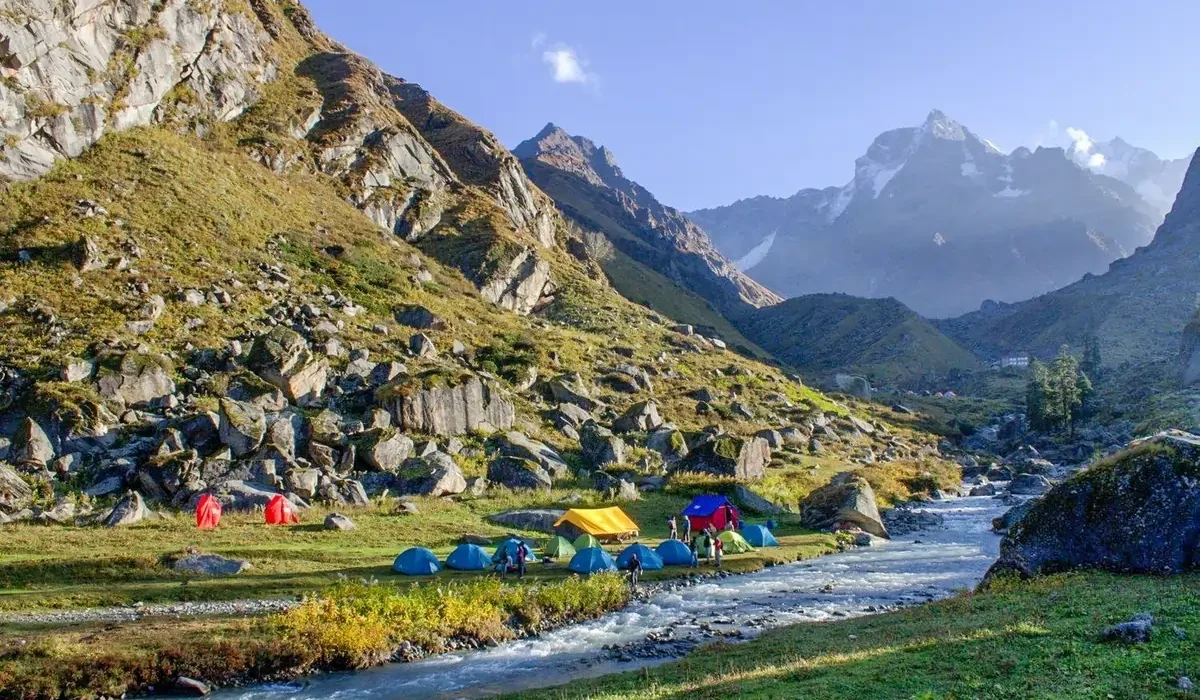
This Har Ki Dun trek fits those who hold fair body strength and steady breath power. Each day’s walk spans stay within reach, often just 5 to 6 hours on foot.
Some parts rise sharply and test your legs, but the speed stays easy for most folks. Moving at a calm pace lets your form get used to thin air bit by bit.
The Har Ki Dun trek in November brings forth a gift you will hold close for years. The fall tones, the god lore ties, and the still mountain world form something rare and deep. This valley truly feels like a space where divine beings might wander and rest still.
0 Comment